

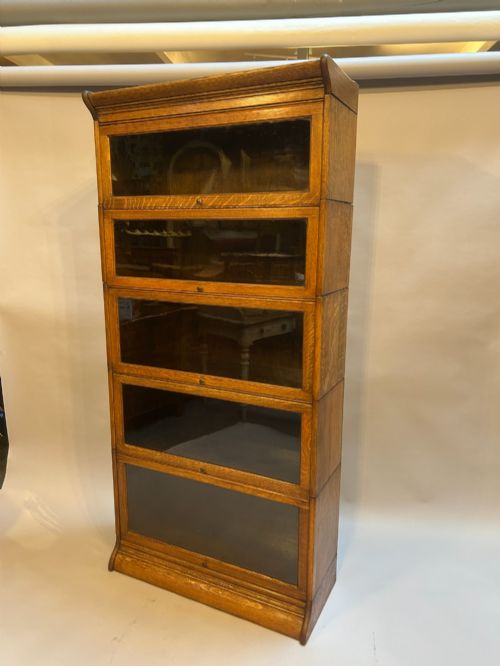
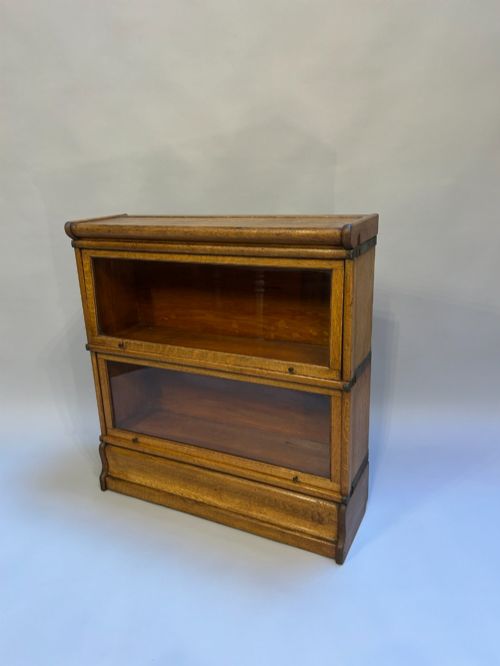
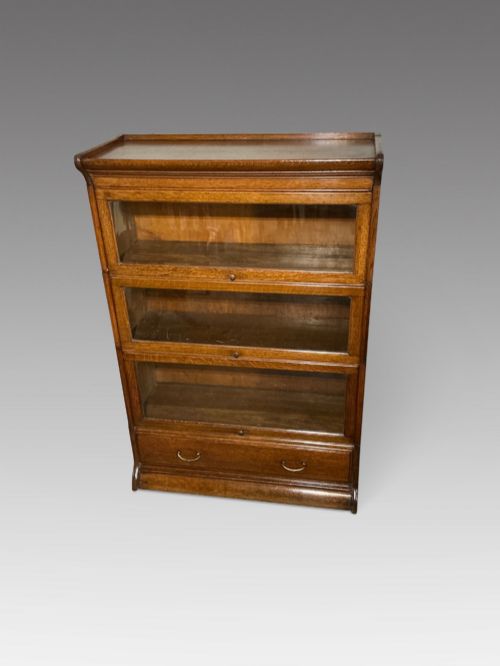
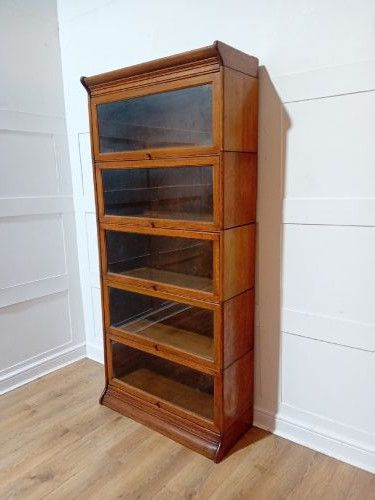
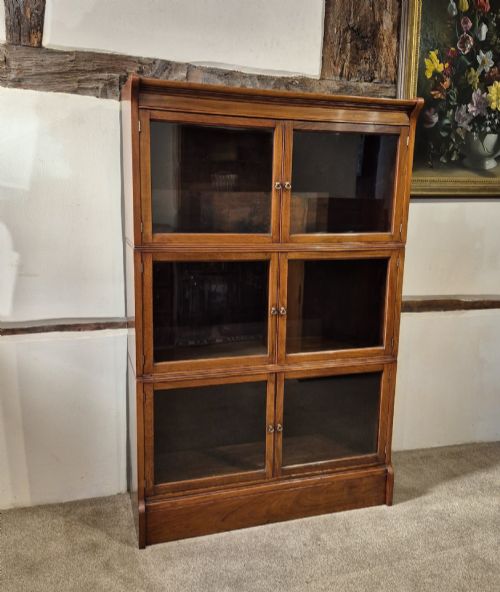
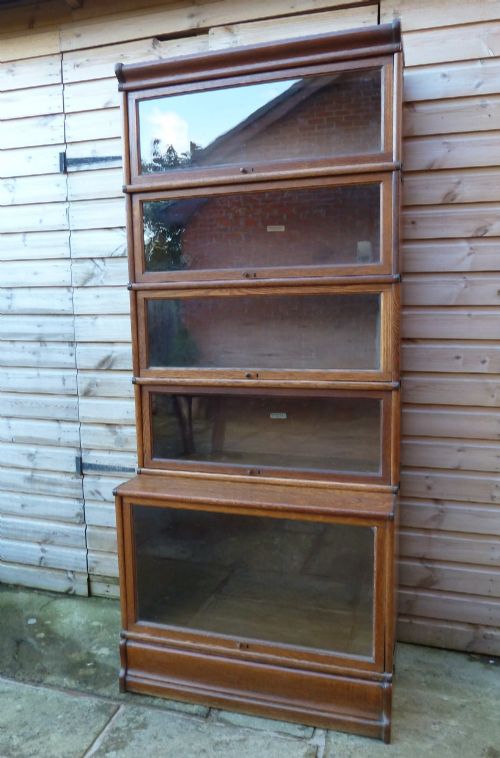
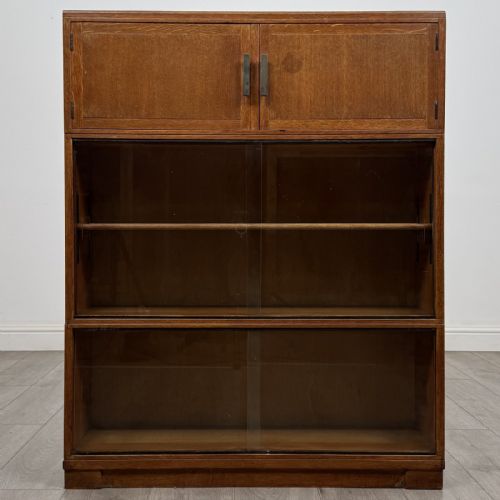
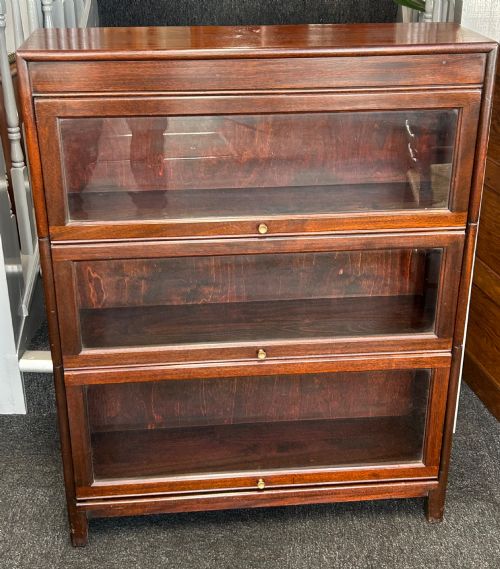
Stacked Glazed Cabinet
A stacked glazed cabinet offers modular display and storage through upward-building tiers with glass fronts.
Stacked Glazed Cabinet
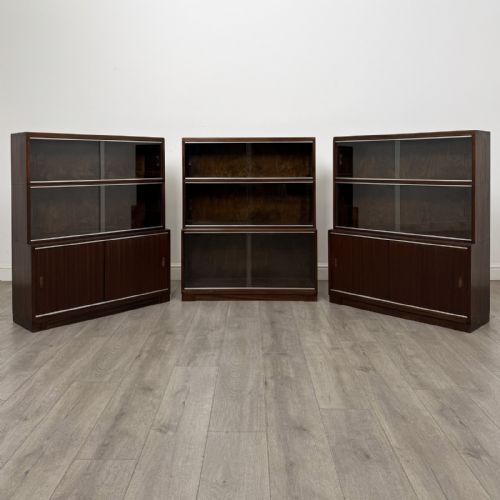
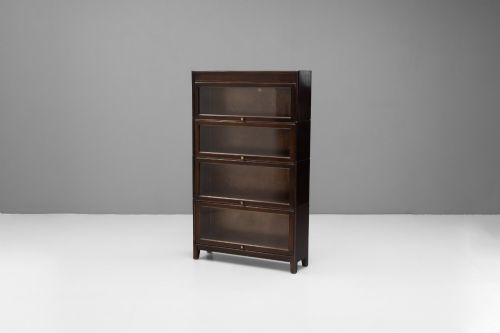
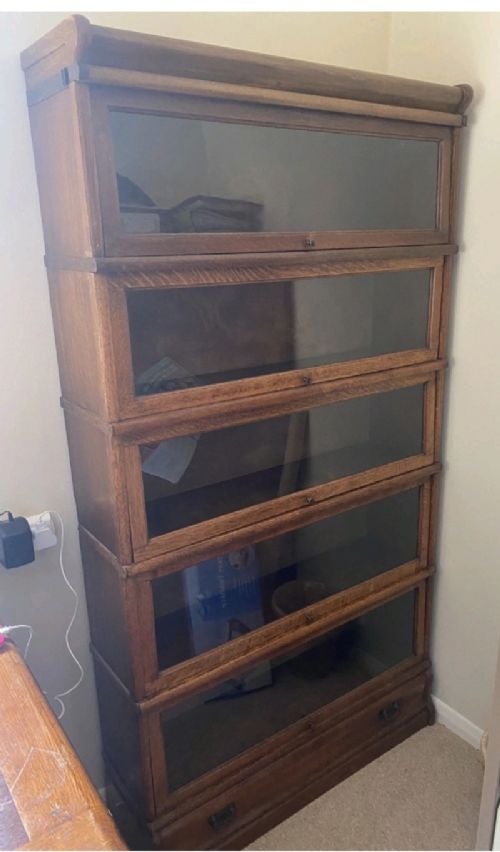
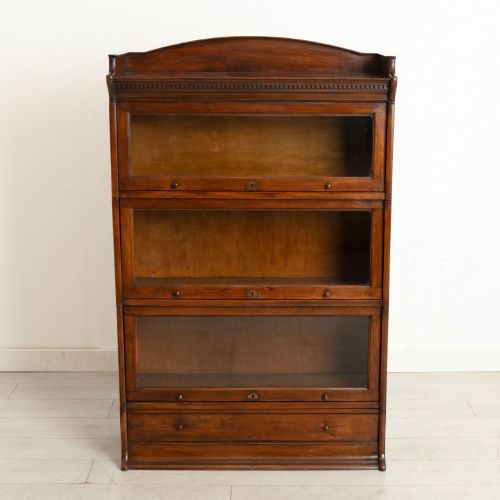
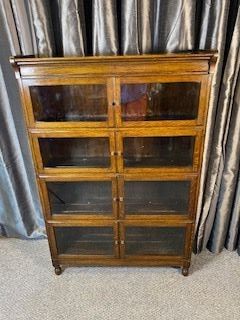
A stacked glazed cabinet consists of modular tiers arranged vertically, functioning primarily as bookcases and shelving units. When exploring a stacked glazed cabinet, buyers encounter sectional furniture designed to protect books and display objects behind glass.
The selections span the Edwardian period, 1900, 1910, 1920, 1930, and 1950. Common manifestations include barristers bookcases and sectional bookcases incorporating sliding glass doors and drawers to the base.
Makers such as Gunn, Minty of Oxford, Globe Wernicke, Lebus, Heal's, and AMYL produced these modular systems. Styles range from Arts & Crafts and Edwardian to Art Deco and Mid-Century Modern.
How they were made
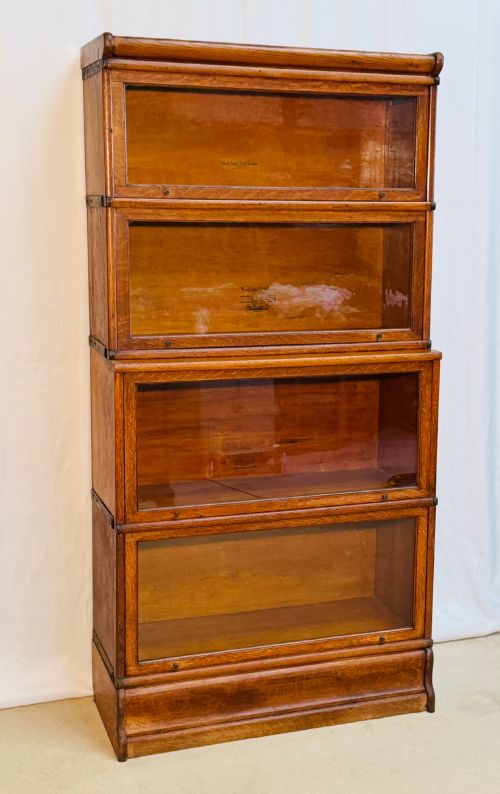
Makers utilised solid mahogany, golden oak, walnut, and oak alongside brass hardware. Timber frames provide the structural integrity necessary for multi-tier stacking.
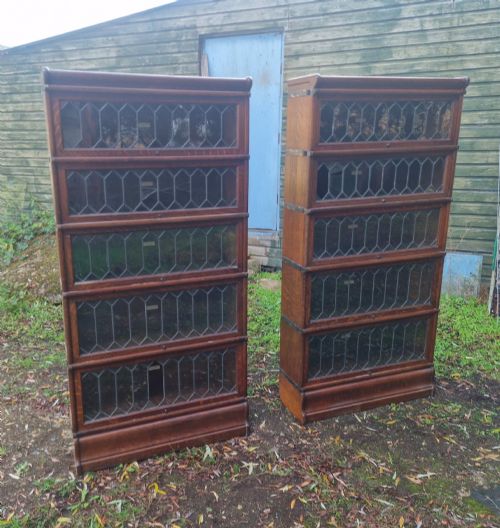
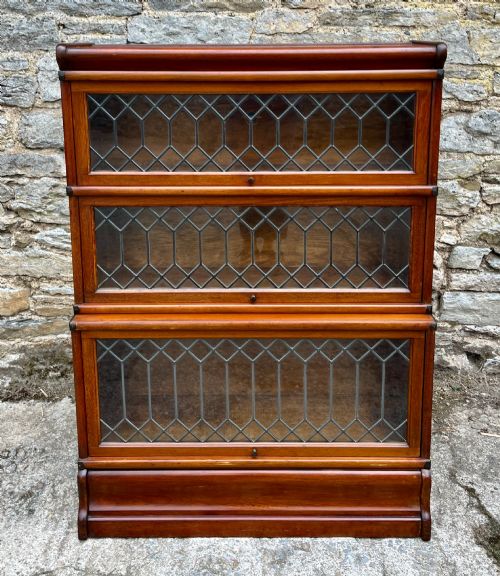
Glass panels, sometimes leaded, sit within individual lifting or sliding doors on each section. This technique keeps dust away from the contents while maintaining visibility across every tier.
Stacked Glazed Cabinet Retail Price Guide 2026
Typical asking prices for stacked glazed cabinet among the pieces listed under this phrase on Sellingantiques today, from the lower quarter to the upper quarter. They describe what is for sale here now, not the wider market.
Listings feature oak, mahogany, walnut, and leaded glass across the Edwardian period, 1900, 1910, 1920, 1930, and 1950.
What varies in quality
The calibre of timber selection and the precision of the sectional joinery define the standard of a piece. Solid mahogany or figured oak sets a higher benchmark than plain secondary woods.
Hardware execution and the smoothness of the lifting or sliding door mechanisms distinguish standard production from finer examples. Maker signatures and complete multi-tier configurations also elevate the standing of the cabinet.
Gunn·Minty of Oxford·Globe Wernicke·Lebus·Heal's·AMYL
The Stacked Glazed Cabinet Glossary
- Barrister bookcase
- A sectional bookcase with glass-fronted tiers designed to protect law books. Each tier stacks independently upon the next.
- Sectional bookcase
- A modular shelving unit built in separate horizontal tiers that lock or rest together. This design allows the cabinet to grow vertically as collections expand.
- Leaded glass
- Glass panes held together by lead cames in decorative patterns. This technique appears frequently in Edwardian examples.
- Elastic bookcase
- A proprietary term used for expandable sectional bookcases. The system expands by adding matching tiers.
Stacked Glazed Cabinet: Frequently Asked Questions
How do barristers bookcases work?
Barristers bookcases operate using an internal mechanism that allows the glass-fronted door to lift and slide inward above the books. This lets users access each shelf without swinging doors outward into the room.
Each tier is a separate wooden box with its own top and bottom. They stack securely without permanent fixings.
What woods were used?
Oak is the predominant timber found in these sectional cabinets, often appearing as golden oak or figured grain. Mahogany and walnut also appear across Edwardian and Art Deco examples.
Brass fittings and leaded glass frequently complement the primary timber frames. Solid mahogany versions represent the higher end of material selection.
How do I date a stacking cabinet?
Dating relies on the stylistic markers of the periods represented, ranging from Edwardian Arts & Crafts designs to Art Deco and Mid-Century Modern forms. Maker stamps and metal tags from firms like Globe Wernicke or Minty help confirm the era of manufacture.
Construction methods, such as the use of solid oak versus later veneers, also provide clues to the decade of production between 1900 and 1950.