





Square Art Deco Clock
A square art deco clock brings geometric clarity and period materials to a room, offering the distinct aesthetic of the interwar decades.
Square Art Deco Clock
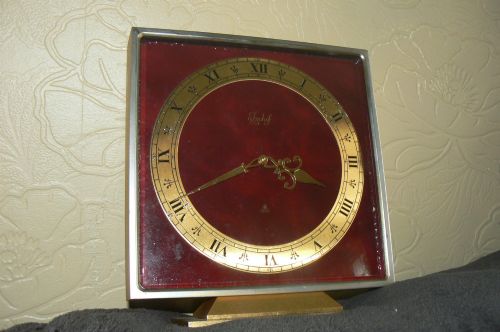
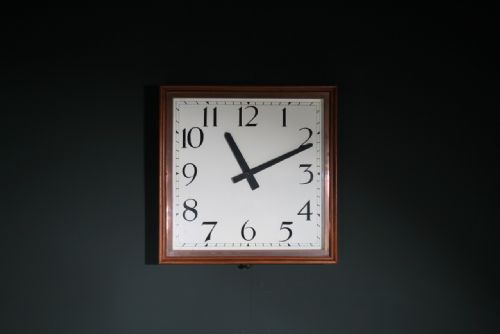
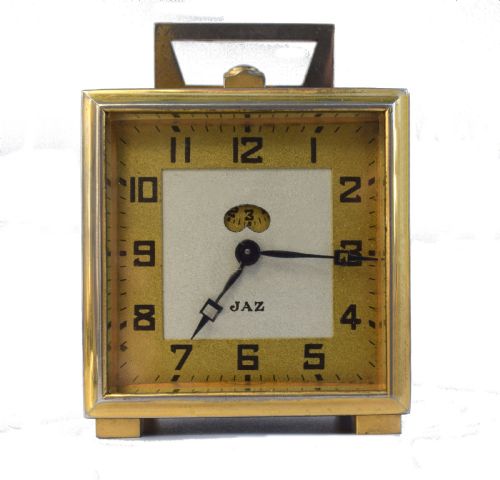
A square art deco clock sits comfortably on a mantelpiece, desk, or wall, bringing the geometric rigour of the interwar years to domestic spaces. These timepieces take several forms, including mantel clocks, wall clocks, desk clocks, and miniature alarm versions. The examples on this page date principally from the 1930s, alongside pieces from the 1920s and 1940s.
Makers and workshops from England and France dominate the selection, bringing distinctive regional material choices to the square format. English pieces frequently utilise walnut, burr walnut, and chrome, while French makers incorporate opaline uranium glass, brass, and copper. This interplay of form and material defines the square art deco clock across all surviving types.
How they were made
These clocks combine warm woods like walnut and burr walnut with industrial metals including chrome, brass, and copper. Cases often feature contrasting materials, pairing polished metal bezels with wooden frames or translucent glass panels.
Movements range from electric systems to traditional eight-day mechanical mechanisms and miniature alarm assemblies. Specialised materials such as Bakelite and enamel add distinctive surface texture and colour to the metal and glass structures.
Square Art Deco Clock Retail Price Guide 2026
Typical asking prices for square art deco clock among the pieces listed under this phrase on Sellingantiques today, from the lower quarter to the upper quarter. They describe what is for sale here now, not the wider market.
Listings feature clocks from the 1920s, 1930s, and 1940s, spanning electric, mechanical, and alarm movements housed in walnut, chrome, glass, and Bakelite.
What varies in quality
The distinction between standard production and finer work rests on the ambition of the material combination and the precision of the dial layout. Clocks that integrate complex elements like opaline uranium glass, enamel, or signed movements display a higher level of interwar craftsmanship.
The treatment of secondary materials, such as the figuring in burr walnut veneers and the weight of the cast chrome frames, separates simpler workshop output from more ambitious designs. Signed pieces by established clockmakers demonstrate greater care in both mechanical execution and external finish.
Smiths Clockmakers·Blangy Clockmakers·Elliott of London·P M Favre·Jaz
The Square Art Deco Clock Glossary
- Art Deco
- A design style spanning the 1920s and 1930s characterised by geometric shapes, streamlined forms, and modern industrial materials. It replaced the organic curves of art nouveau with sharp angles and symmetry.
- Bakelite
- An early form of synthetic plastic used extensively in the 1930s for clock cases and radio cabinets. It offers a dark, lustrous finish that can be moulded into precise geometric profiles.
- Opaline glass
- A semi-translucent glass that diffuses light softly, often produced in pale shades or with uranium content to create a distinctive glow under ultraviolet light. It appears frequently in French clock dials and surrounds.
- Burr walnut
- Wood taken from the abnormal growth of a walnut tree, yielding a swirling, highly figured grain pattern. Cabinet makers prize it for decorative veneering on desk and mantel clock cases.
- Mantel clock
- A freestanding clock designed to sit on the shelf above a fireplace or upon domestic furniture. These pieces rely on a stable square base to support their movements.
Square Art Deco Clock: Frequently Asked Questions
Where should I place a square art deco clock?
These clocks suit mantelpieces, sideboards, desks, and walls where their geometric lines can be appreciated without visual clutter. Their compact square footprint allows them to anchor a vignette alongside books or ceramics.
Wall-mounted versions require a secure fixing suited to their weight, particularly older wooden and metal models. Desk and mantel variants need a flat, stable surface away from damp environments to protect vintage movements and wooden veneers.
How do I wind an eight day clock?
Eight-day mechanical movements require a key to tension the mainspring through holes on the dial face or at the back of the case. Turn the key gently until you feel firm resistance, taking care not to overwind the spring.
Consistent winding intervals help maintain accurate timekeeping across the week. If a clock has been stationary for a long period, a professional service may be necessary to clean and lubricate the vintage gears.
What materials are typical for these clocks?
Makers utilised a diverse palette that bridged traditional cabinet making and modern industrial production. Walnut and burr walnut provide warmth and rich grain patterns for wooden cases.
Chrome, brass, and copper introduce reflective surfaces and sharp metallic borders. Bakelite, enamel, and glass add colour and varied tactile finishes to the clock faces and bezels.
How do French and English clocks differ?
French makers often favoured striking material combinations such as opaline uranium glass, enamel, and colourful Bakelite paired with polished chrome. These pieces frequently lean into whimsical or high-style modernist aesthetics.
English workshops tended to focus on rich timber veneers like walnut, paired with reliable electrical or mechanical movements from manufacturers like Smiths and Elliott. Both traditions embraced the square format but expressed it through distinct national design sensibilities.