




Sports Bronze Figure
A sports bronze figure captures motion in cast metal, bringing dynamic energy and historical athleticism into a room.
Sports Bronze Figure
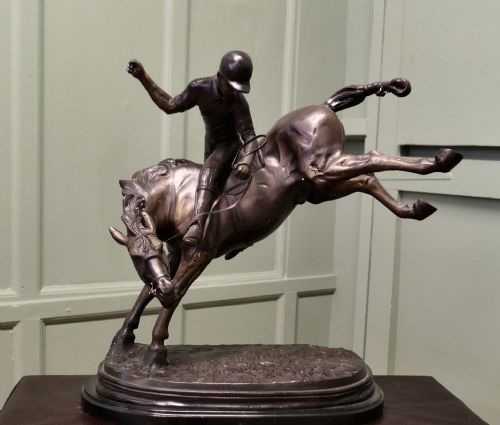
A sports bronze figure represents athletic subjects, field sports, and animals in motion, spanning periods from the nineteenth century to the Art Deco era. Collectors seek these pieces for their energetic depictions of human athletes and sporting animals.
The selections on this page predominantly feature nineteenth-century animalier subjects alongside early twentieth-century depictions of human sports like skiing, fencing, and rugby. French schools and individual European artists heavily influence the available forms.
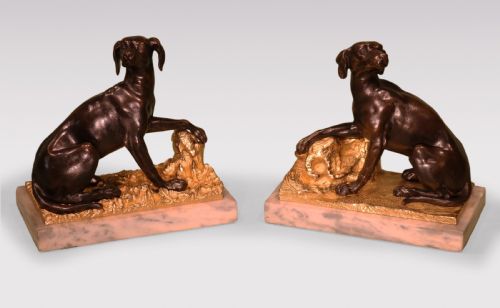
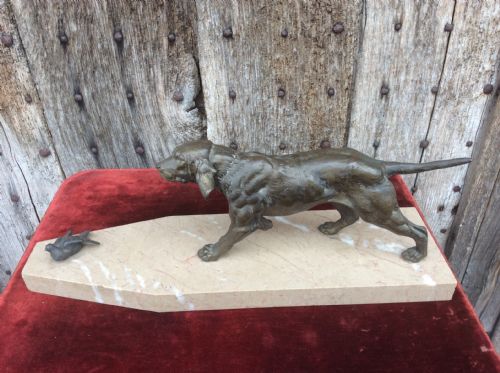
Makers often mounted these sculptures on substantial bases of marble, onyx, or wood to provide stability and visual contrast to the dark metal. Such integration of stone and metal defines many of the sculptures found within these listings.
Materials and casting methods
Foundries utilised traditional casting techniques to shape bronze, patinated bronze, gilt bronze, and ormolu into complex athletic poses. Artisans achieved varied surface tones through patination and cold painting directly onto the metal.
Mounting required fitting the heavy metal castings onto fitted bases made from carved marble or polished onyx. Wood and mixed metals also appear as supporting elements for the primary bronze sculptures.
Sports Bronze Figure Retail Price Guide 2026
Typical asking prices for sports bronze figure among the pieces listed under this phrase on Sellingantiques today, from the lower quarter to the upper quarter. They describe what is for sale here now, not the wider market.
Assessing quality in bronze sculpture
Finer sculptures display exceptional anatomical precision and fluid movement, capturing the strain of a runner or the alertness of a hunting dog. Inferior castings often lose fine muscular detail and crisp edges during the reduction or finishing process.
The quality of the chase work - the hand-tooling applied after casting - determines how sharply feathers, fur, and clothing folds are rendered. Superior patination and securely fitted marble or onyx bases further distinguish the finest examples.
Delabrierre·L.Gerfaux·H Risch·Jules Moigniez·Rudolf Küchler·Charlotte Monginot
The Sports Bronze Figure Glossary
- Animalier
- A nineteenth-century artistic movement focusing on the realistic portrayal of animals, particularly dogs, horses, and wildlife in active poses.
- Patinated bronze
- Bronze treated with chemical solutions to produce a specific surface colour, ranging from deep brown to verdigris green.
- Ormolu
- Finely ground high-carat gold applied in a mercury amalgam to bronze, creating a brilliant golden surface finish.
- Cold painted
- Paint applied to unheated bronze after casting, a technique frequently used to add naturalistic colour to small figures.
Sports Bronze Figure: Frequently Asked Questions
What subjects do sports bronze figures show?
These sculptures depict hunting dogs, game birds, horses, and human athletes engaged in activities like rugby, skiing, fencing, and ice skating. The subjects reflect nineteenth-century sporting interests and early twentieth-century athletic pursuits.
Animals feature prominently alongside human figures, often captured mid-action during hunts or races.
How do I identify a nineteenth-century piece?
Nineteenth-century works often bear signatures or foundry marks associated with the animalier school and French bronze casting traditions. Stylistic details lean toward naturalistic rendering and heavy patinated surfaces.
Base materials also offer clues, as many period pieces utilise heavy marble or shaped slate plinths.
What is the purpose of the marble base?
Marble, onyx, and wood bases provide structural stability for heavy bronze sculptures while framing the composition visually. They elevate the artwork and offer a contrasting smooth surface beneath the textured metal.
Many period pieces were designed specifically to fit these stone plinths as part of the original display.
How should I clean a bronze sculpture?
Dusting gently with a soft, dry cloth is usually sufficient to maintain the surface without disturbing the original patina. Avoid using water, abrasive cleaners, or chemical polishes which can strip the protective coating.
Preserving the natural age and finish of the bronze maintains both the appearance and integrity of the piece.