





Equestrian Art Statue
An equestrian art statue captures the power and grace of the horse, and these pieces span bronze, carved wood, and leather.
Equestrian Art Statue
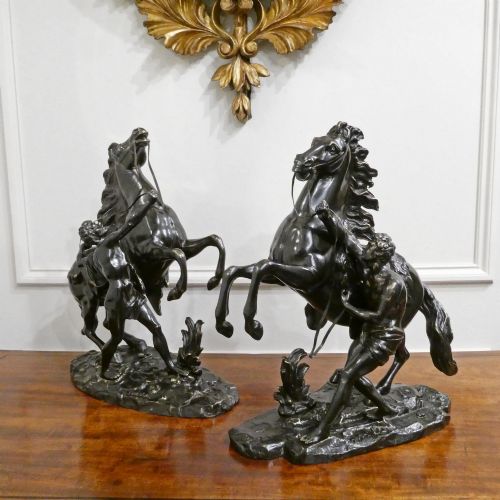
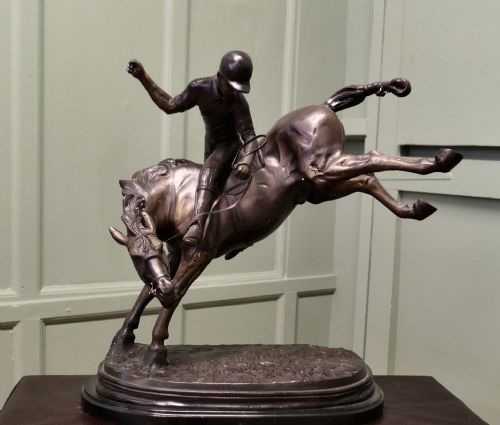
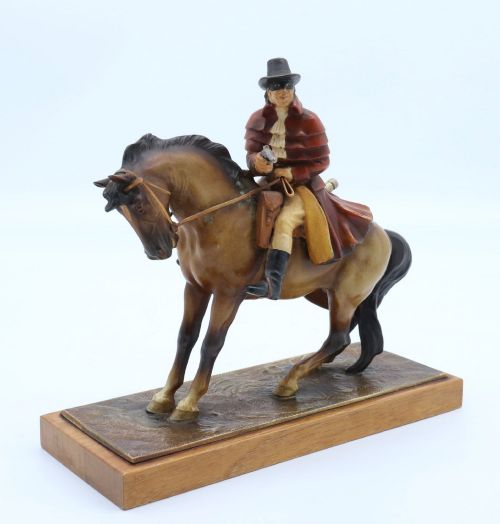
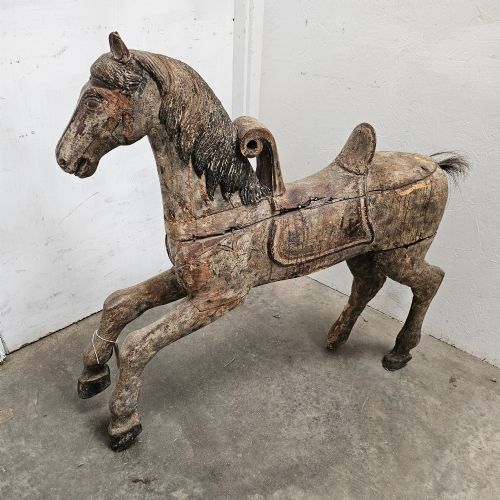
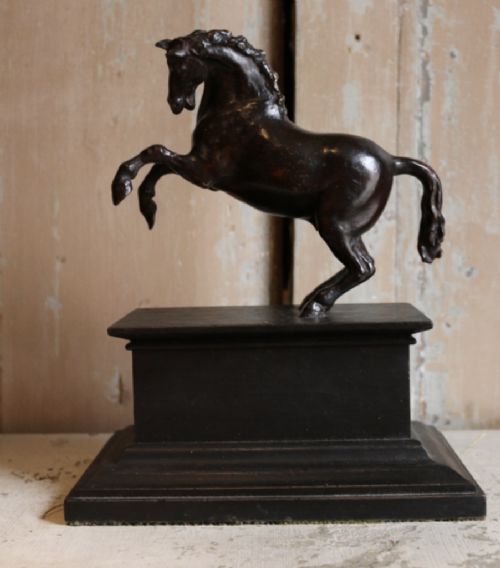
When searching for an equestrian art statue, buyers encounter everything from seventeenth-century castings to later twentieth-century sculptures. The selections available on this page lean heavily towards bronze and carved wood figures, capturing horses in motion, polo action, or ridden by figures such as Dick Turpin.
Forms vary widely across the inventory, ranging from life-size leather models and folk art carvings to refined French school bronzes and pottery figures. Pieces stretch chronologically from the seventeenth century through the Victorian era and into the mid-twentieth century.
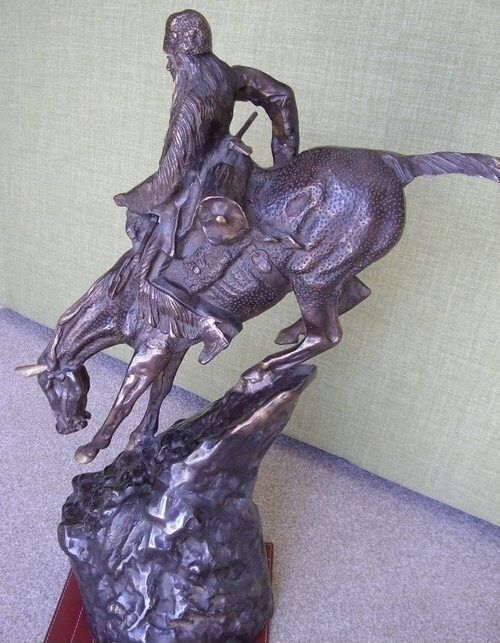
Origin and style diverge just as broadly, including Western Americana, Art Deco creations, and Arts and Crafts pieces. Buyers are most likely to meet bronze horses and riders, alongside carved carousel animals and Staffordshire pottery figures.
How They Were Made
Makers shaped these works primarily in bronze, cast using traditional methods that allowed for fine detail in muscle and harness. Other examples utilise carved wood, sometimes paired with paint, leather, and actual horsehair to render realistic textures.
Pottery figures receive glazes and painted details, while leather models rely on internal structures wrapped and stitched meticulously by hand. Marble frequently serves as a heavy, supportive base for metal castings.
Equestrian Art Statue Retail Price Guide 2026
Typical asking prices for equestrian art statue among the pieces listed under this phrase on Sellingantiques today, from the lower quarter to the upper quarter. They describe what is for sale here now, not the wider market.
The selection includes functional objects, such as an Art Deco table lighter, alongside monumental life-size animal statues.
What Varies in Quality
The distinction between tiers rests upon the fidelity of the casting and the sensitivity of the carving. Superior bronzes preserve the crisp musculature and energetic posture intended by the sculptor, while lesser examples lose definition in the finishing stage.
Materials dictate much of the character, as genuine patination on aged bronze or untouched surface wear on old wood elevate a piece. The presence of a signature from a recognised hand distinguishes studio works from unmarked commercial output.
Frederic Remington·Luigi Secchi·Philip Blacker·Xavier Raphanel
The Equestrian Art Statue Glossary
- Bronze
- An alloy of copper and tin utilised extensively for durable metal sculptures. It develops a rich patina over decades.
- Patina
- The natural surface sheen and coloration acquired by metal, wood, or leather through age and handling. Collectors prize untouched surfaces.
- Flatback
- A ceramic figure designed with a finished front and a flat, unglazed rear intended to face a wall. Staffordshire potteries produced these in volume during the Victorian era.
- Folk Art
- Objects created by self-taught or traditional artisans outside academic fine art circles. These pieces often display charming vernacular details.
Equestrian Art Statue: Frequently Asked Questions
How do I date a bronze horse?
Dating relies on examining the casting method, the composition of the metal, and the quality of the surface patination. Older works often show hand-finishing marks and wear consistent with their stated period.
Signatures, foundry marks, and stylistic clues related to movements like Art Deco or nineteenth-century realism also help narrow down the decade of creation.
Where should I display a large statue?
Substantial sculptures require a sturdy surface such as a heavy sideboard, a dedicated pedestal, or direct placement on the floor for life-size models. Ensure the weight is properly supported, particularly with heavy bronze or marble pieces.
Keep statues away from direct heat sources and strong sunlight to protect finishes on wood, paint, and leather.
Are these pieces signed by artists?
Some sculptures bear cast signatures or foundry stamps on the base, while many folk art carvings and pottery figures remain entirely unmarked. Unsigned works are typically attributed based on style, materials, and regional characteristics.
A signature enhances documentation but does not automatically determine the aesthetic appeal of a folk carving or antique model.
How do I clean antique leather models?
Leather models require gentle dusting with a soft, dry cloth to prevent moisture damage to the stitching and hide. Avoid chemical cleaners and saddle soaps unless advised by a professional conservator.
Maintaining a stable indoor humidity level preserves the flexibility of the leather and prevents cracking over time.