


Sports Art Print
When you search for a sports art print, you are looking at centuries of competitive spirit captured in paper, ink, and oil.
Sports Art Print
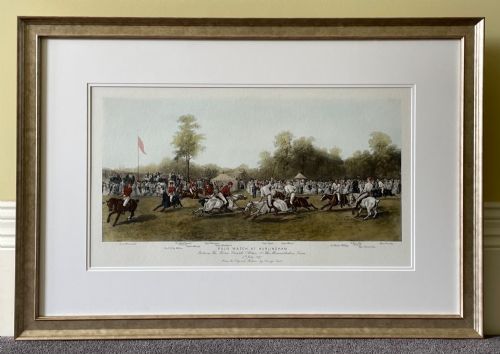
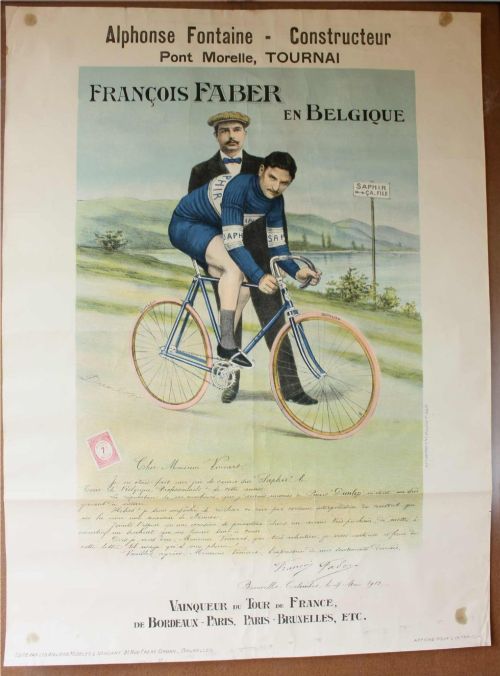
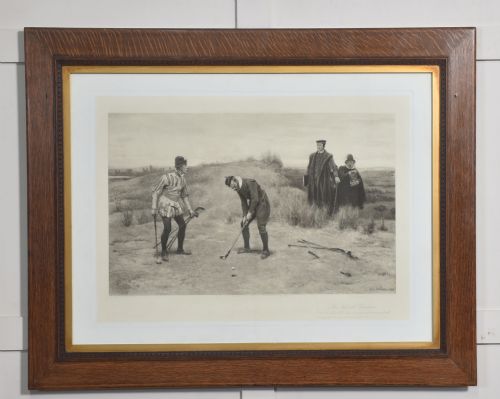
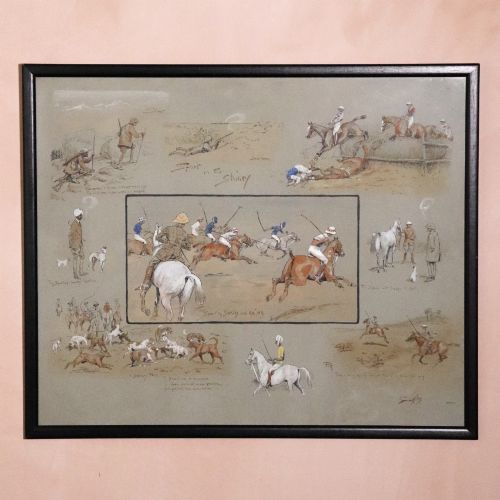
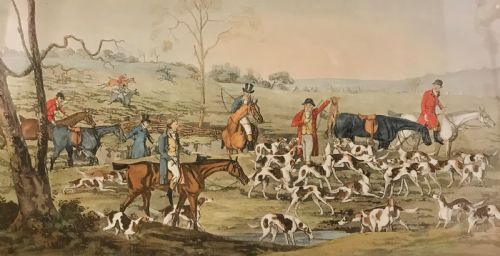
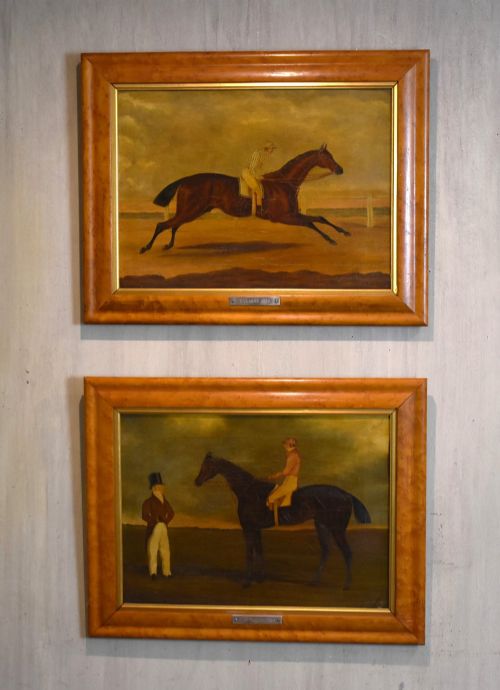
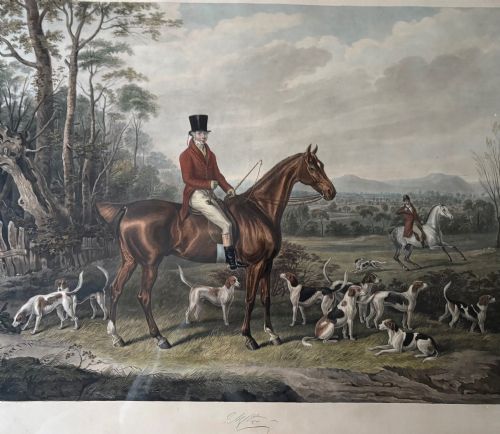
A sports art print captures historical athletic pursuits, equestrian events, and field sports through traditional graphic mediums. The selection spans nineteenth-century lithographs, engravings, and twentieth-century posters depicting horse racing, polo, cycling, and hunting.
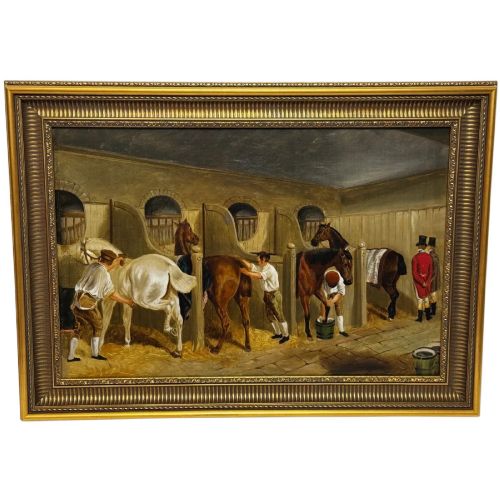
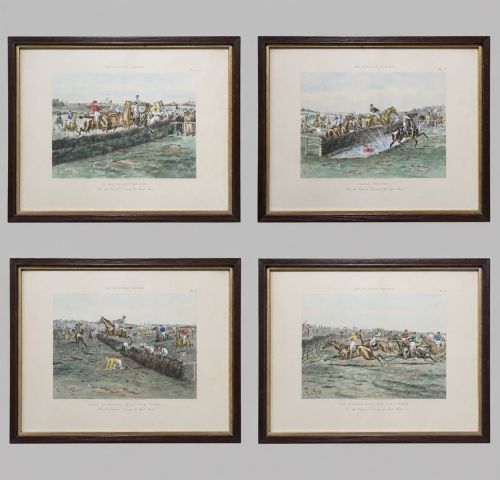
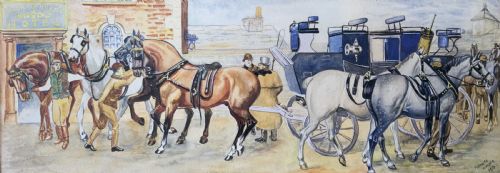
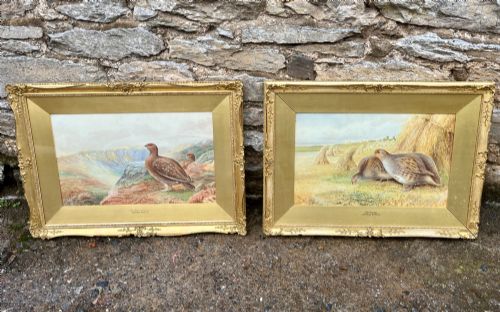
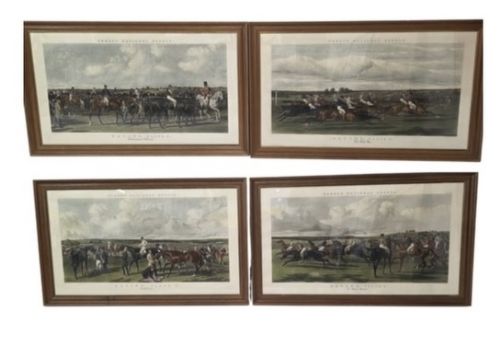
The objects appear in various formats, including framed individual sheets, complete sets of four plates, and large wall art. Victorian and Edwardian examples dominate the offerings, alongside mid-twentieth-century posters and original watercolours.
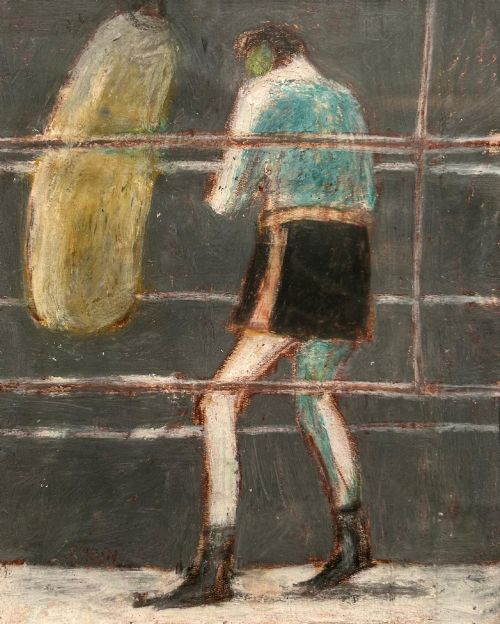
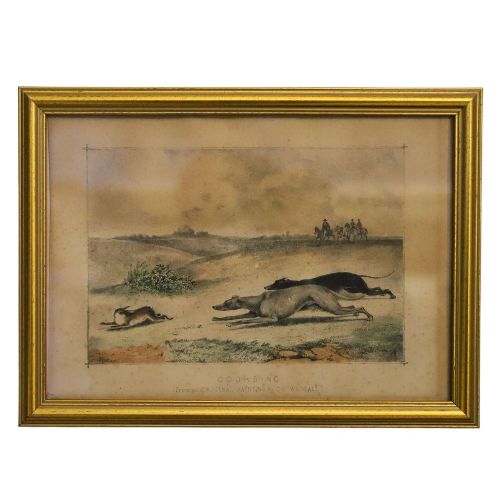
Buyers encounter subjects ranging from hare coursing and cricket to football and motor racing. These works record past sporting spectacles through the eyes of period artists and publishers.
Materials and construction methods
Paper serves as the primary ground for lithographs, etchings, engravings, and posters, often paired with ink and hand-colouring. Watercolours and oil paints on canvas or board provide original painted alternatives to mass-produced impressions.
Framing materials reflect the period of the artwork, utilising wood, giltwood, oak, and glass to protect the fragile paper substrates. Lithography, copperplate engraving, and chromolithography enabled the reproduction of detailed athletic scenes for public consumption.
Listings feature paper, glass, wood, ink, watercolour, and oil on canvas across nineteenth and twentieth-century periods.
Distinctions in quality and execution
Quality rests upon the crispness of the impression, the vibrancy of surviving hand-colouring, and the presence of period framing materials. Early print runs and signed works by recognised sporting artists command greater attention from collectors.
The condition of the paper surface, absence of heavy fading, and preservation of margins distinguish superior examples from heavily degraded or trimmed sheets.
George Finch Mason·George Rankin·John Frederick Herring Snr·Alfred Wheeler·Charles Faulkner
The Sports Art Print Glossary
- Lithograph
- A print made by drawing an image on limestone or a metal plate with a greasy substance. The resulting surface is treated so ink adheres only to the drawn areas before pressing onto paper.
- Engraving
- A technique where an artist cuts lines directly into a metal plate using a sharp tool called a burin. The recessed lines hold the ink for transfer under high pressure.
- Aquatint
- A printmaking method that produces tonal areas resembling watercolour washes through the acid-biting of a resin-coated metal plate. It frequently appears in equestrian and hunting portfolios.
- Chromolithograph
- A colour lithographic print produced using multiple stones or plates, one for each colour applied. This technique allowed vibrant, multi-coloured sporting posters and annual plates.
- Etching
- A process where acid bites lines into a metal plate through a protective wax ground scratched by the artist. The plate is then inked and printed onto paper.
Sports Art Print: Frequently Asked Questions
How do I care for antique paper prints?
Keep framed pieces away from direct sunlight to prevent the fading of paper and ink. Maintain stable room temperatures to avoid moisture damage.
Ensure backing materials are acid-free if you ever need to reframe the artwork.
What is the difference between an engraving and a lithograph?
Engravings involve sharp lines cut into metal plates, resulting in distinct plate marks around the image. Lithographs rely on chemical repulsion between grease and water on a flat stone or plate surface.
Printed dots or flat colour areas usually indicate lithographic production rather than intaglio lines.
How are sets of sporting prints usually displayed?
Complete sets of four, such as hunting or racing scenes, are traditionally hung together in a symmetrical grid or a horizontal line. Matching frames unify the visual impact across multiple walls or a single large partition.
Spacing them evenly allows each plate in a series to be appreciated individually.
Are these pieces original or modern reproductions?
The inventory consists of period pieces dated from the nineteenth and twentieth centuries, including original prints, lithographs, and paintings. Paper quality, printing ink texture, and framing styles help establish the era of production.
Signatures, publisher imprints, and publication dates printed on the margins further verify authenticity.