


Spode Transferware Ceramic
Spode transferware ceramic offers collectors printed pastoral views, intricate patterns and durable earthenware spanning several centuries.
Spode Transferware Ceramic
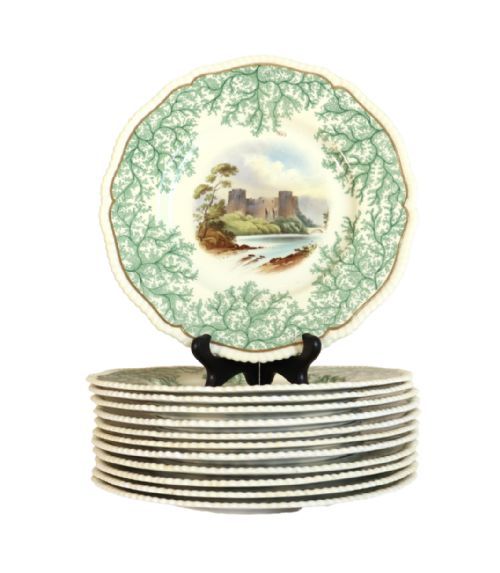
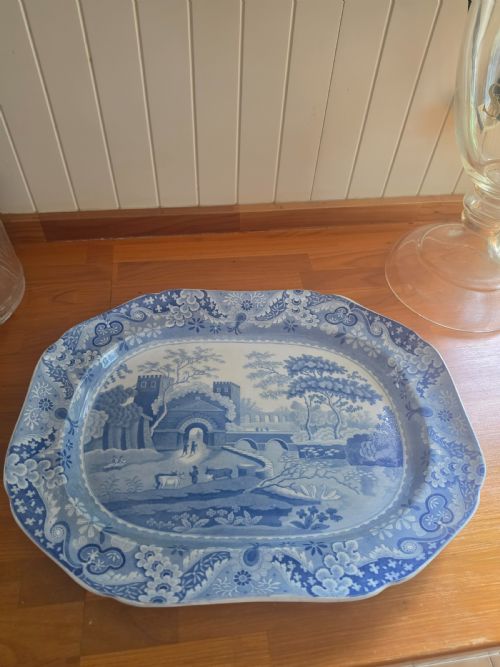
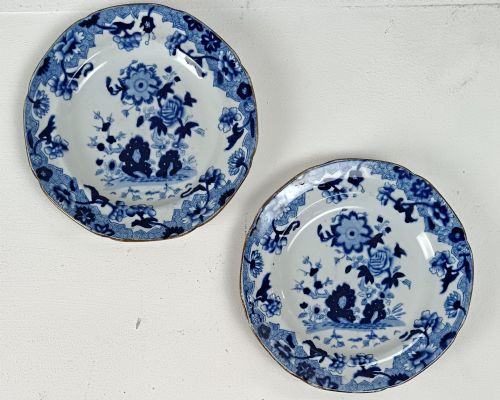
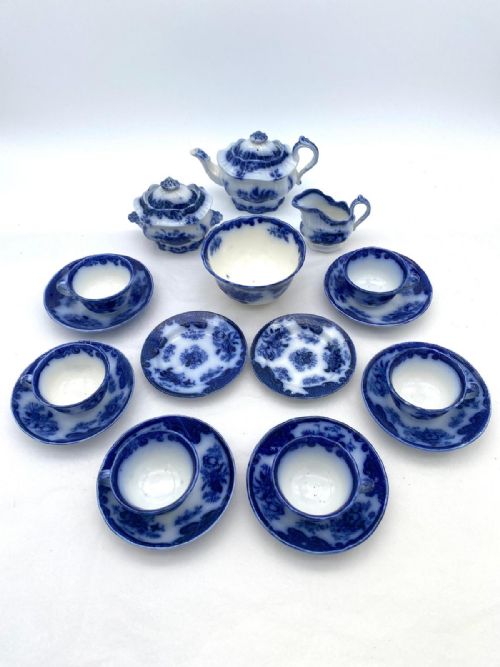
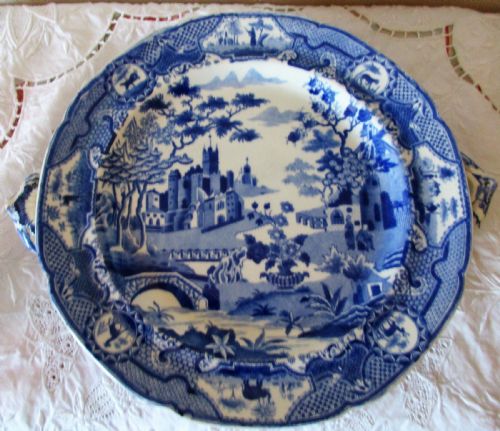
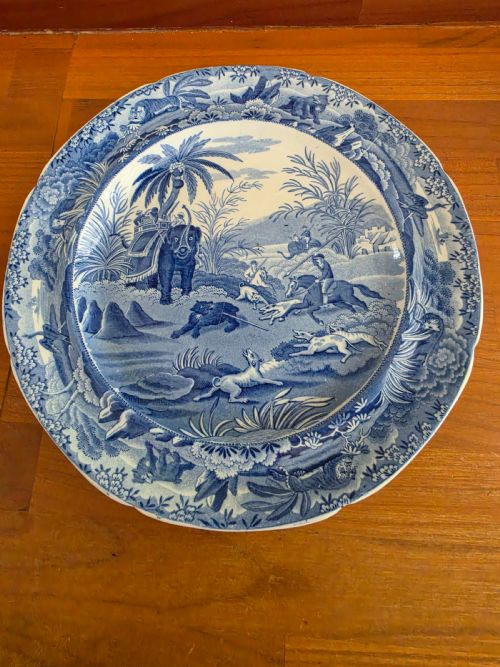
When you search for spode transferware ceramic, you encounter serving platters, dinner plates, tea plates and footbaths originating from the nineteenth century. These items showcase printed topographical and figurative scenes rendered in rich blue and white pigments across various forms.
You are most likely to meet Georgian and Regency era plates and platters featuring classic landscape patterns such as Italian, Tower and Bridge of Lucano. These domestic tablewares demonstrate the practical utility and aesthetic ambition of early British ceramic production.
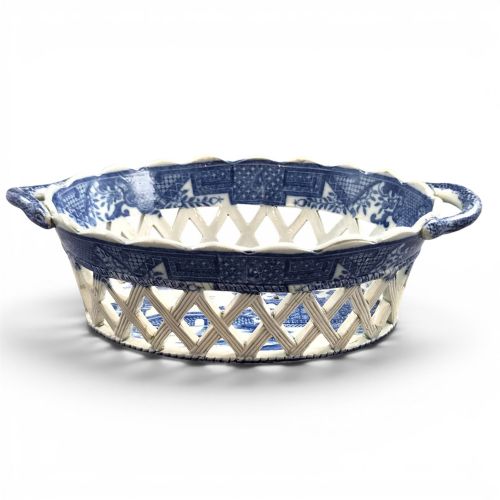
The selection extends from large meat platters to child's tea services and reticulated chestnut baskets. Each piece reflects the enduring popularity of blue and white transfer printing techniques developed during the ceramic industries' expansion.
What varies in quality
The clarity of the transfer print distinguishes superior examples from standard production, with fine lines and deep cobalt hues indicating expert copperplate engraving and firing control. Crisp definition in complex borders and architectural details elevates a piece within its series.
Body selection also dictates standard, as refined pearlware and dense ironstone bodies provide a smoother canvas than heavier utilitarian earthenware. The crispness of moulded elements, such as pierced basket rims or footbath handles, reveals the precision of the original form.
Materials across these listings include durable ironstone, refined pearlware, and standard earthenware finished with cobalt glaze and occasional gilding.
Spode·Copeland and Garrett·Copeland
The Spode Transferware Ceramic Glossary
- Transferware
- Pottery decorated by applying a printed design from an engraved copper plate onto unglazed or bisque ceramic via tissue paper. This technique enabled uniform mass production of intricate pictorial scenes.
- Pearlware
- A refined earthenware developed with a bluish tinted glaze that pooled slightly in crevices to mimic Chinese export porcelain. It dominated British ceramic production through the Georgian and Regency periods.
- Ironstone
- A heavy, durable ceramic body patented to resist chipping and heavy domestic wear while maintaining a bright white surface for printed decoration. It became standard for large nineteenth century service pieces.
- Flow Blue
- A style where cobalt oxide intentionally blurred into the surrounding white glaze during the kiln firing, creating a soft, hazy aesthetic popular in mid-nineteenth century wares.
- Reticulated
- Having an openwork or pierced lattice design incorporated into the ceramic body, often seen on baskets and dessert plates to lighten the form.
- Tazza
- A shallow ornamental cup or plate raised on a central foot, utilised for serving fruit or small dishes on formal dining tables.
Spode Transferware Ceramic: Frequently Asked Questions
How do I identify a genuine period piece?
Examine the weight and density of the earthenware body alongside the depth and tone of the cobalt transfer print. Period pieces often exhibit subtle potting irregularities and characteristic glaze pooling.
Look closely at the impressed or printed marks on the reverse which match known eighteenth and nineteenth century factory signatures and pattern names.
Can I use these plates for daily dining?
While these ceramics were originally created for functional domestic service, surviving examples from the Georgian and Victorian eras have delicate glazes and historical value.
Most collectors prefer to display or occasionally use them with care, washing them by hand rather than subjecting them to modern dishwashers.
What caused the blue colour to blur on some pieces?
The blurring on flow blue items was an intentional chemical reaction achieved by introducing lime or ammonia vapour into the kiln during the firing process.
This caused the cobalt pigment to bleed softly into the white glaze, producing a rich and atmospheric artistic effect.
How should I display large platters safely?
Large platters and meat dishes require sturdy wall wire hangers with protective rubber tips or dedicated vertical display grooves in secure cabinets.
Ensure the weight is supported evenly across the base rather than resting solely on the decorative rim to prevent stress fractures.