

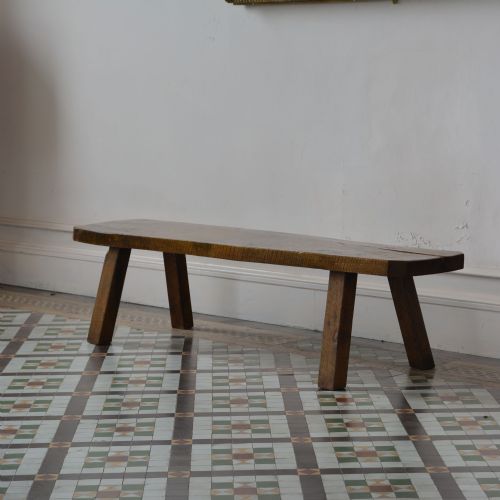


Splay Leg Coffee Table
These splay leg coffee table pieces bring sturdy timber and historic character to a room, offering low surfaces rooted in centuries of practical joinery.
Splay Leg Coffee Table
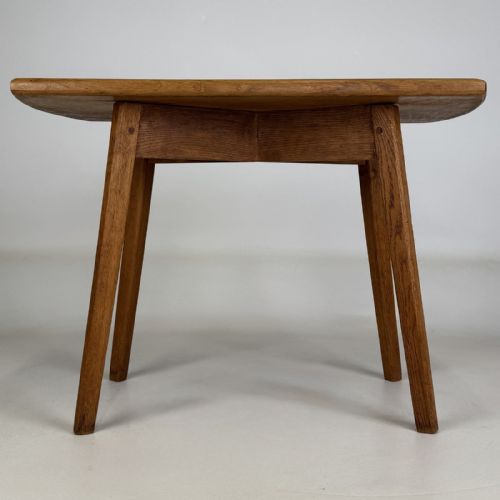
A splay leg coffee table brings low surfaces into a seating arrangement using angled supports that recall earlier functional forms such as benches and work tables. When you search for a splay leg coffee table, you are looking at items that range from repurposed antique oak pig benches and cobblers benches to refined mahogany designs.
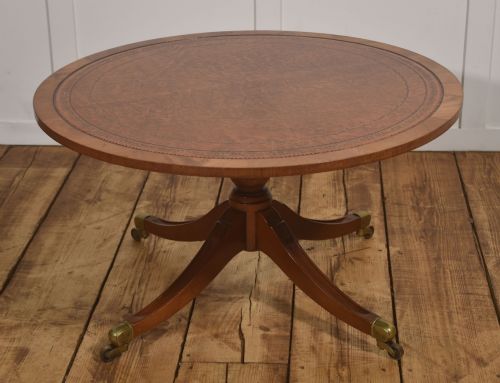
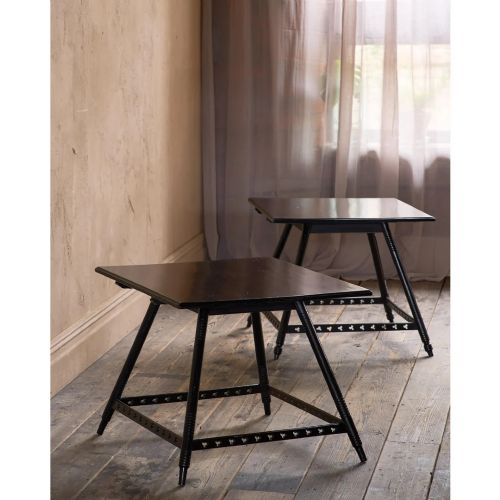
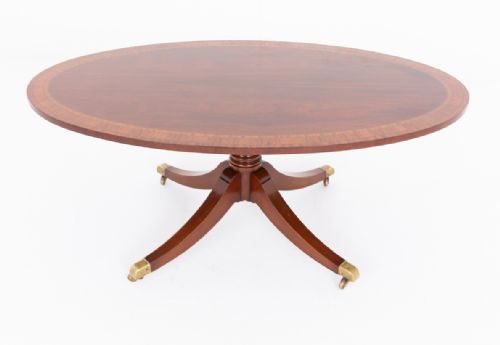
The pieces on this page span several periods, featuring 18th century examples alongside 19th century items and later revival pieces. Forms vary from oval shapes and tray tables to matched pairs of ebonised tables and scrubbed burr walnut tops.
Rustic country and Georgian pieces sit alongside Regency and Aesthetic Movement styles, giving buyers a choice between honest utilitarian timber and more formal cabinet work.
Materials and construction
Construction relies on solid timbers like oak, pine, and mahogany, shaped into low forms with distinctive angled legs. Cabinet makers employed brass details, satinwood inlay, and ebonised finishes to elevate the appearance of select tables.
Surfaces range from scrubbed burr walnut and flame mahogany veneers to painted pine and rustic scrubbed wood. Each piece shows the joinery methods of its period, whether built for heavy farm work or refined drawing room use.
Splay Leg Coffee Table Retail Price Guide 2026
Typical asking prices for splay leg coffee table among the pieces listed under this phrase on Sellingantiques today, from the lower quarter to the upper quarter. They describe what is for sale here now, not the wider market.
Several items started life as hardworking farm benches before retiring to hold coffee cups.
Evaluating quality and character
Quality in these low tables rests on the integrity of the timber and the harmony of the proportions. A piece fashioned from solid flame mahogany or burr walnut with fine inlay demonstrates a higher order of cabinet making than a plain utility bench.
The character of the surface tells its own story, where untouched scrubbed pine or patinated oak reveals years of honest wear. The angle and stability of the splayed legs dictate both the visual balance and the physical steadfastness of the table.
The Splay Leg Coffee Table Glossary
- Splay leg
- A support that angles outward from the underside of a piece for greater stability. This traditional stance is common on benches and low tables.
- Flame mahogany
- A veneer cut from timber where the grain creates a distinctive flickering flame pattern. This decorative wood was favoured for formal furniture.
- Ebonised wood
- Timber treated with a dark stain or finish to imitate ebony. This technique was popular in nineteenth century design.
- Scrubbed finish
- A timber surface washed repeatedly until the grain stands proud and pale. It is typical of antique work benches and domestic tables.
- Pig bench
- A low, sturdy wooden bench historically used in rural farmhouses. These hardy items frequently find new life as coffee tables.
Splay Leg Coffee Table: Frequently Asked Questions
What is a splay leg coffee table?
A splay leg coffee table is a low surface supported by legs that angle outward from the base. These pieces often adapt earlier forms like benches or side tables for modern living rooms.
They combine historical timber and traditional joinery with the practical height required for seating areas.
How do I choose between rustic and formal styles?
Consider the surrounding room and your preferred texture of wood. Rustic country items in oak or pine offer honest character and visible grain.
Formal mahogany and inlaid Regency styles bring polished surfaces and cabinet maker details to a more refined interior scheme.
Are these tables converted from older items?
Many low tables originate as functional items such as pig benches, cobblers benches, or tray tables. Craftsmen adapt these historic pieces to a comfortable coffee table height.
This conversion preserves the original patina and structure while suiting contemporary domestic use.
How do I care for antique timber coffee tables?
Protect the wood from excessive heat and moisture by using coasters and mats. Regular dusting with a soft cloth maintains the natural lustre of the finish.
Avoid harsh chemical polishes that can damage centuries of accumulated patina on older surfaces.