




Spanish Religious Art
Spanish religious art brings centuries of devotion into a room through carved wood figures and oil paintings.
Spanish Religious Art
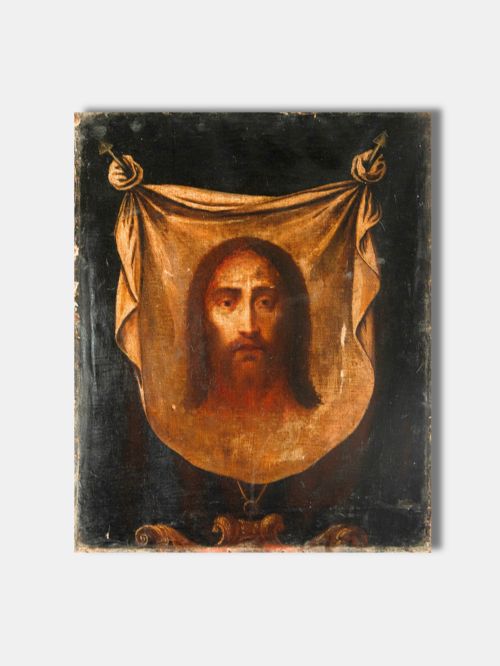
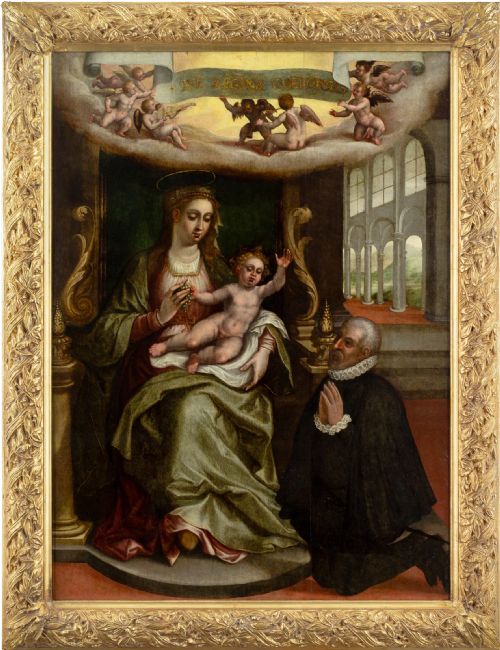
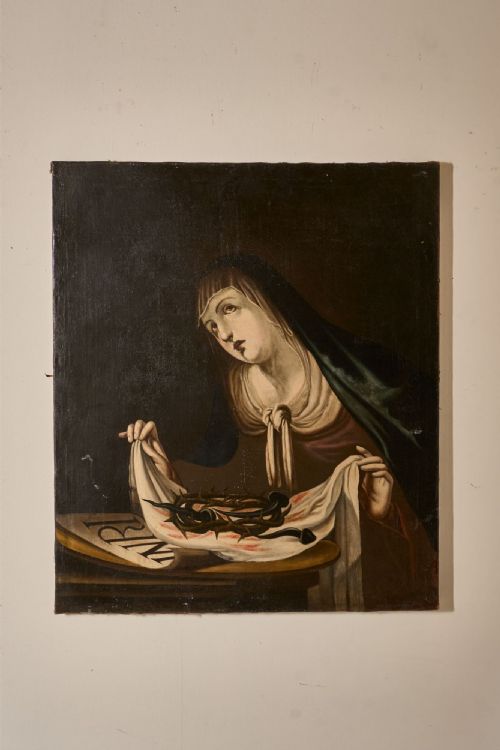
When you search for spanish religious art, you encounter centuries of devotional works spanning the sixteenth to the early twentieth century. The selection leans heavily towards oil paintings on canvas and carved wooden sculptures depicting saints, the Virgin Mary, and scenes from the Passion.
Most pieces date from the seventeenth and eighteenth centuries, reflecting the high periods of Baroque production. You will find monumental canvases alongside intimate home altars and small devotional panels.
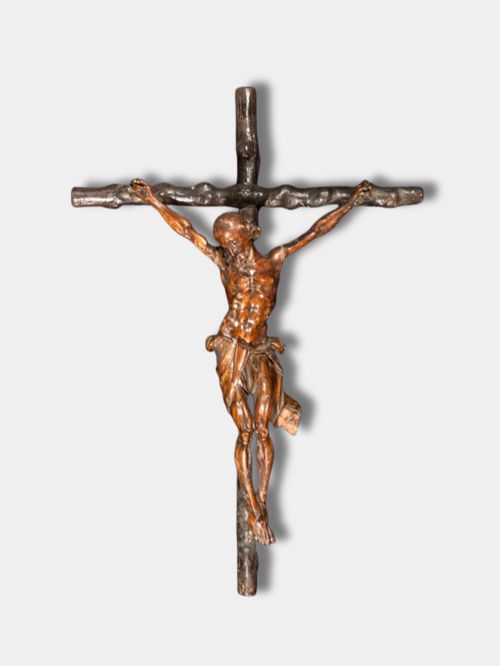
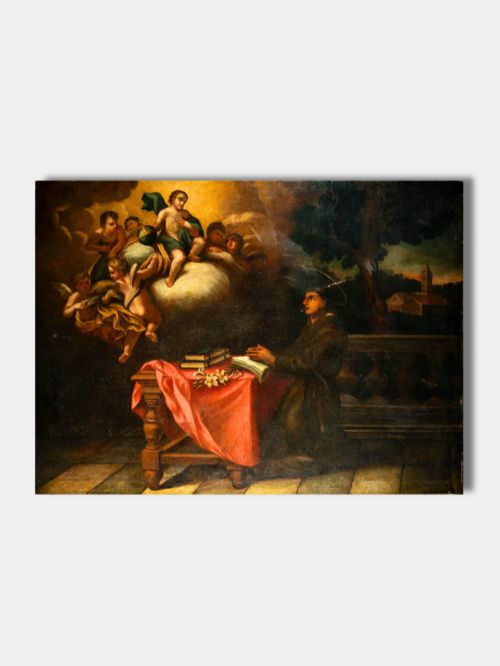
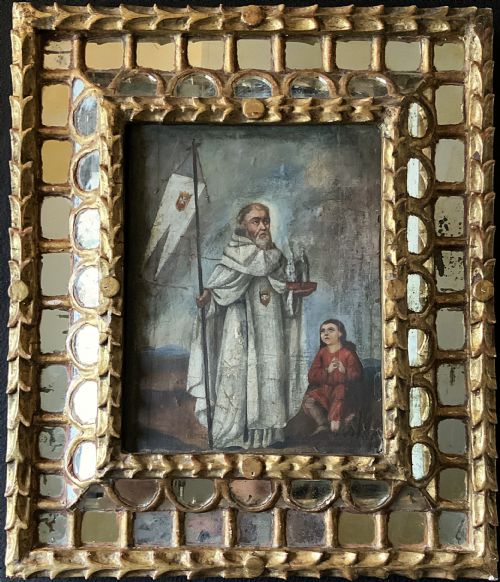
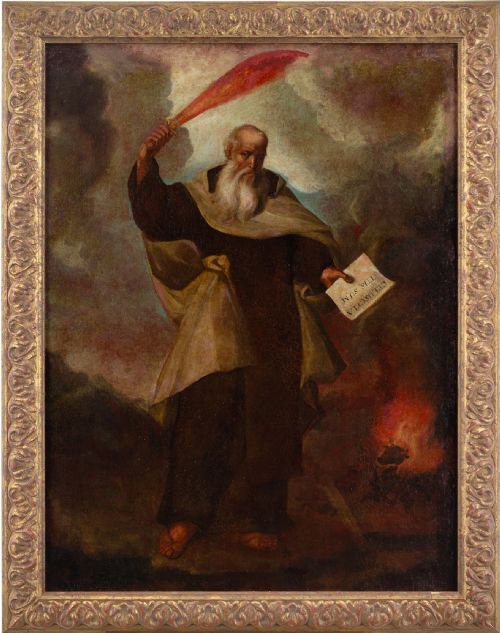
Subjects range from traditional representations of saints like Francis and Anthony to monumental Corpus Christi figures and capipote statues. These items originated in churches, convents, and private homes across Spain and its colonies.
Materials and construction
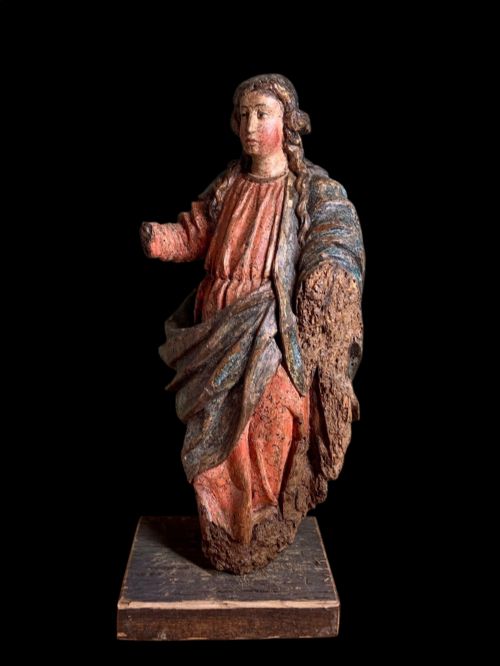
Makers shaped these pieces primarily from carved wood, applying gesso and polychrome paint to achieve lifelike skin tones and rich vestments. Gold leaf frequently highlights halos, backgrounds, and textile borders on both sculptures and panels.
Painters worked in oil on canvas, often setting sacred figures within giltwood frames. Sculptors utilised fruitwood and other timbers to carve detailed life size figures and smaller devotional statues.
Techniques combine traditional woodworking with intricate painting methods, particularly visible in polychromed home altars and elaborate Santos figures.
Several seventeenth-century canvases mysteriously keep an extra eye on the room.
Judging quality in devotional pieces
The preservation of original polychrome paint and gold leaf significantly elevates a piece. Later overpainting or heavy restoration alters the original visual impact of wooden sculptures and canvas paintings.
Proportion and scale also define the hierarchy, as monumental canvases and life size figures demonstrate a greater ambition of workshop output compared to smaller folk art items.
Miguel Barroso·Juan Ruiz Soriano·Gaspar de Figueroa
The Spanish Religious Art Glossary
- Capipote
- A processional statue constructed with a wooden framework for the head and hands attached to a dressable body armature. These figures wore real fabric garments during religious processions.
- Polychrome
- Painted in several colours, a technique applied extensively to carved wooden sculptures and reliefs. It gave devotional figures a realistic appearance.
- Gesso
- A plaster mixture applied to wood surfaces as a base for paint and gold leaf gilding. It provided a smooth ground for intricate detailing.
- Corpus Christi
- An artistic representation of Jesus Christ on the cross. These wooden figures range from small domestic crosses to large monumental carvings.
- Santos
- Devotional figures representing saints or holy persons, common in Spanish and colonial traditions. They served private prayer and church rituals.
Spanish Religious Art: Frequently Asked Questions
What are Santos figures?
Santos figures are carved wooden statues representing saints, angels, and holy figures used in Catholic worship. They were placed in churches, convents, and domestic shrines for daily prayer.
Many feature articulated limbs or specialised clothing to facilitate processional use. Their creation involved skilled woodcarving followed by detailed polychrome painting.
How do I date a painting?
Dating relies on stylistic clues, canvas preparation, and the characteristics of the giltwood frame. Seventeenth-century works often reflect Baroque intensity and sombre palettes.
Later eighteenth-century and colonial paintings introduce softer compositions and brighter hues. Comparing the subject matter to known regional schools also aids chronology.
Where were these displayed?
These artworks originally occupied sacred spaces such as parish churches, monastic chapels, and private domestic altars. Monumental canvases hung in institutional settings, while small panels suited personal devotions.
Home altars brought portable piety into family quarters. Processional pieces travelled outdoors during religious festivals.
Are these pieces restored?
Many antique works have undergone conservation to stabilise ageing wood and flaking paint. Original polychrome surfaces frequently show minor touch-ups from centuries of use.
Evaluating a piece involves looking at how well repairs respect the original material. Unaltered surfaces remain scarcer and highly sought after by collectors.