


Spanish Colonial Desk
A spanish colonial desk brings tactile history and rich timber grain straight into a study.
Spanish Colonial Desk
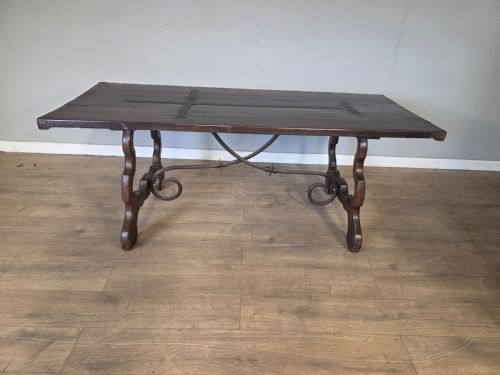
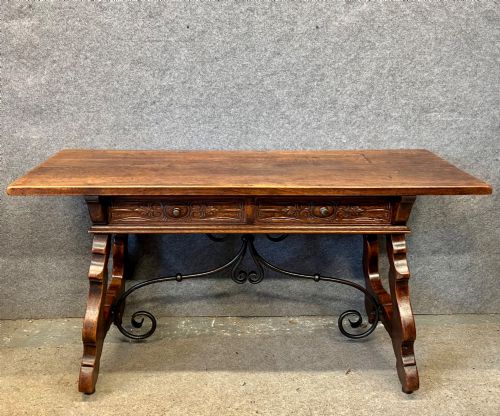
A spanish colonial desk encompasses sturdy writing tables, trestle forms, and complex drop-front cabinets designed for administrative life in historic dominions. Buyers seeking a spanish colonial desk typically encounter walnut and fruitwood examples drawn from seventeenth-century origins up to the twentieth-century revival periods.
The selection ranges from simple rustic side tables to elaborate cabinet pieces mounted on stands with wrought iron supports. These historic forms reflect practical utility paired with formal architectural presence suited for modern interiors.
Materials and construction
Makers constructed these pieces primarily from solid walnut and oak, often supplementing them with fruitwood and ebonised details. Timber surfaces showcase natural grain patterns built to withstand daily use over centuries.
Wrought iron braces and stretchers provide essential structural support while adding decorative contrast to the timber. Tortoiseshell and gilt brass elements appear on finer cabinet work to highlight key architectural sections.
Tortoiseshell panels caught the candlelight just right when the tax collector finally tallied up the gold.
Judging quality
Quality rests upon the integrity of the timber selection and the precision of the joinery rather than surface ornamentation alone. Superior examples display harmonious proportions across walnut panels and sturdy integration of iron hardware.
The distinction between seventeenth-century originals and later revival pieces depends on the depth of hand-carving and the natural patina developed in the wood over long periods of use.
The Spanish Colonial Desk Glossary
- Vargueno
- A traditional Spanish cabinet with a drop-front panel that conceals numerous small drawers and compartments. This form sits upon a dedicated stand and represents significant woodworking skill.
- Papillero
- A small cabinet designed for storing papers and documents, often featuring multiple internal drawers. These pieces share stylistic roots with larger writing furniture.
- Trestle table
- A table construction consisting of two or more support trestles connected by a horizontal beam. This design provides robust stability for heavy walnut surfaces.
- Ebonised wood
- Timber treated with a finish to imitate expensive ebony wood. Makers utilised this technique to create sharp visual contrast against lighter walnut panels.
Spanish Colonial Desk: Frequently Asked Questions
What is a vargueno cabinet?
A vargueno is a distinctive cabinet featuring a drop-front lid that opens to reveal an array of small drawers and secret compartments. These pieces typically rest on open wooden or iron stands.
They served as portable writing desks and secure storage for valuable documents in domestic and official settings during earlier centuries.
How do I care for antique walnut?
Keep walnut furniture away from direct sunlight and heat sources to prevent the timber from drying out or splitting. Apply natural beeswax periodically to maintain the moisture and depth of the finish.
Avoid using modern chemical sprays or silicon polishes that can damage the historic surface patina over time.
Are these pieces suitable for daily use?
Sturdy construction in solid oak and walnut makes many of these tables and desks practical for regular workspace tasks. Use protective pads beneath hot or wet items to safeguard the aged timber surface.
Ensure that delicate antique mechanisms on drop-front desks receive gentle handling during daily operation.
How do I identify a revival piece?
Revival pieces from the twentieth century often display standardised machine-cut joinery alongside traditional forms. Examine the interior construction and timber seasoning to understand the period of manufacture.
Consult the recorded period details in the listing to confirm whether an item dates to the original seventeenth or eighteenth centuries.