




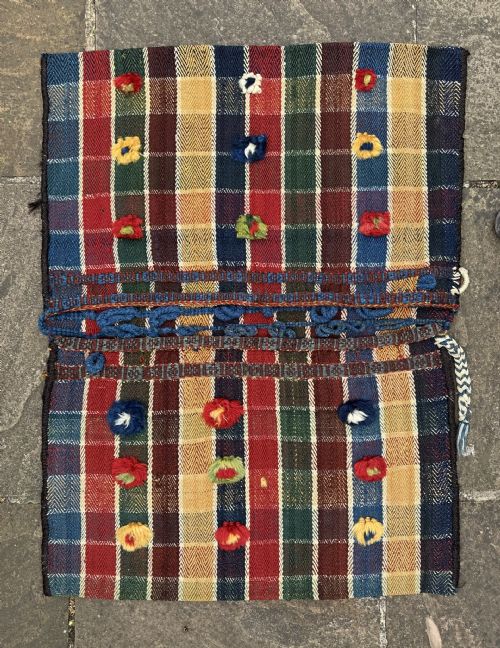
South West Persian Rug
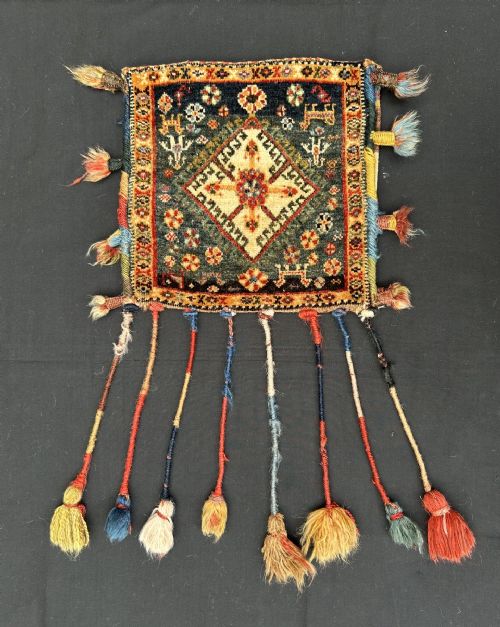
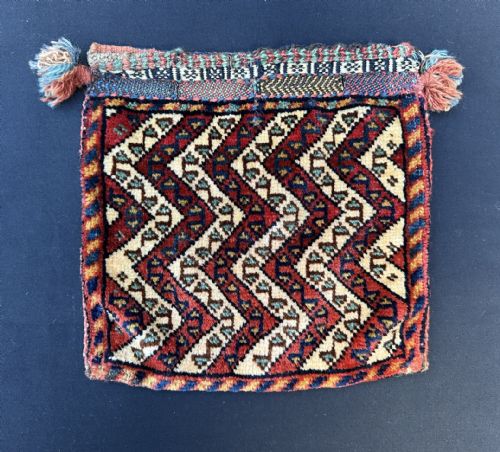
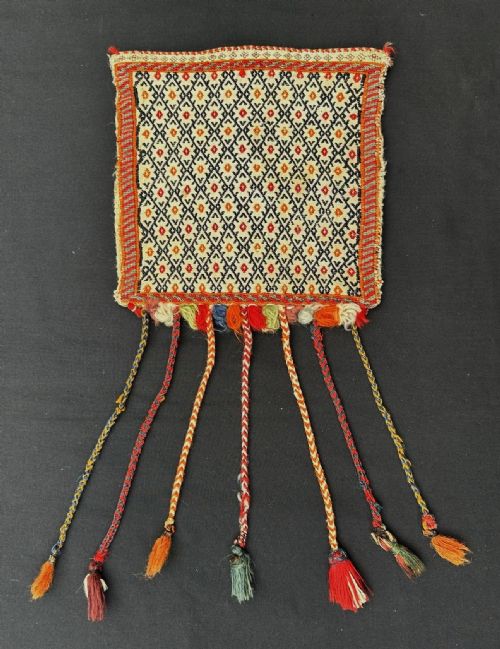
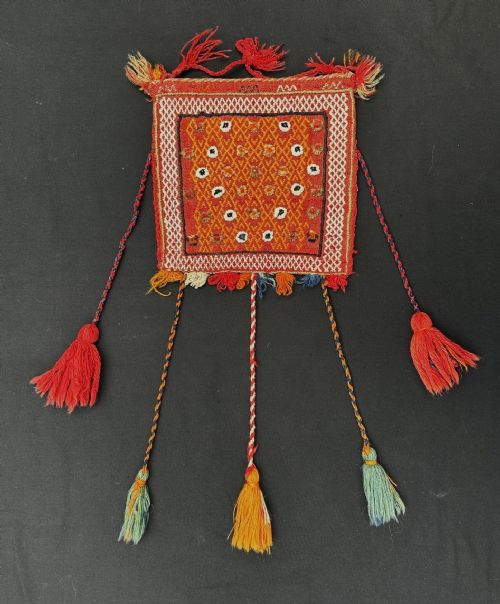
These woven pieces reflect the traditional nomadic artistry of the south west persian rug tradition, offering rich tribal motifs and enduring utility.
South West Persian Rug
A south west persian rug represents the nomadic and village weaving traditions of confederacies and tribes such as the Qashqai and Khamseh. Buyers encounter various formats, from full room carpets and floor rugs down to utilitarian smaller items including saddle-bags, vanity-bags, and storage pouches.
The designs originate primarily from the Fars region and surrounding areas, dating from the nineteenth and early twentieth centuries. Pieces often display characteristic central medallions, repeating boteh patterns, and stylized animal or bird motifs woven by specific sub-tribes.
How They Were Made
Weavers utilised hand-spun wool for the pile, yielding a textured handle that responds well to traditional vegetable dyes. Foundations commonly incorporate cotton or wool warps and wefts, hand-knotted to create dense, durable structures.
Nomadic workshops relied on locally sourced materials, integrating natural colour compounds derived from plants and minerals. The resulting textiles demonstrate regional techniques passed down through generations of tribal makers.
South West Persian Rug Retail Price Guide 2026
Typical asking prices for south west persian rug among the pieces listed under this phrase on Sellingantiques today, from the lower quarter to the upper quarter. They describe what is for sale here now, not the wider market.
Listings feature various formats including saddle-bag faces, horse blankets, and full carpets produced with wool and natural dyes.
What Varies in Quality
Quality depends upon knot density, the precision of the tribal geometry, and the depth of the wool pile. Finer examples display crisper execution of complex motifs such as peacocks, birds, and intricate medallions.
The condition of the wool, the saturation and variety of the natural dyes, and the integrity of the original edges and ends heavily influence the character of each textile. Pieces retaining clear, unblemished secondary details demonstrate superior craftsmanship.
The South West Persian Rug Glossary
- Boteh
- A swirling almond-shaped or paisley motif representing a floral spray or cypress tree. This ancient symbol appears frequently across tribal weaving.
- Medallion
- A central ornamental design element placed in the middle of the field. Tribal weavers often repeat this geometric focal point.
- Confederacy
- An alliance of various nomadic tribes operating within a specific region. Groups like the Qashqai and Khamseh comprise multiple sub-tribes.
- Sofreh
- A flat-woven spread or cloth utilised for handling bread or food preparation. These utilitarian textiles display striking geometric layouts.
- Kilim
- A flat-woven textile produced without a pile. These pieces serve multiple domestic functions within nomadic encampments.
South West Persian Rug: Frequently Asked Questions
What is a south west persian rug?
A south west persian rug is a hand-knotted tribal textile produced by nomadic confederacies in the Fars province and surrounding regions. These works incorporate traditional motifs rooted in village and tribal culture.
The category encompasses large floor coverings as well as smaller functional items such as saddle-bags and storage pouches. Each piece reflects the specific design vocabulary of its producing sub-tribe.
How were these rugs used originally?
Nomadic families utilised these textiles for daily domestic life inside tents and temporary settlements. Floor rugs provided insulation and seating, while smaller bags stored personal items and provisions.
Specialised pieces also functioned as horse blankets, baby cradles, and flat-woven covers. Every item served an essential practical role within nomadic transport and habitation.
How do I identify tribal designs?
Tribal designs rely on geometric memory patterns rather than rigid architectural cartoons. Look for repeating tribal motifs, stylized animals, birds, and distinctive medallion structures.
Different confederacies developed recognizable palettes and drawing styles. Familiarity with specific sub-tribe attributions helps distinguish one regional group from another.
How do I care for an antique rug?
Protect antique wool textiles by avoiding direct sunlight and utilising a breathable rug underlay underneath. Gentle vacuuming without a rotating power brush helps remove embedded dust.
Professional specialist cleaning is recommended for washing natural-dyed wool. Proper maintenance preserves the integrity of the hand-spun pile and foundation.