

South Persian Wool Carpet
A south persian wool carpet brings the bold geometric patterns and rich tribal heritage of nomadic weavers directly into your home.
South Persian Wool Carpet
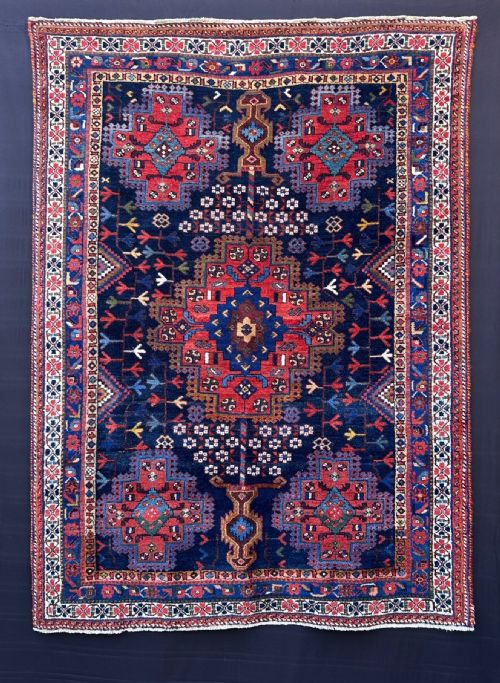
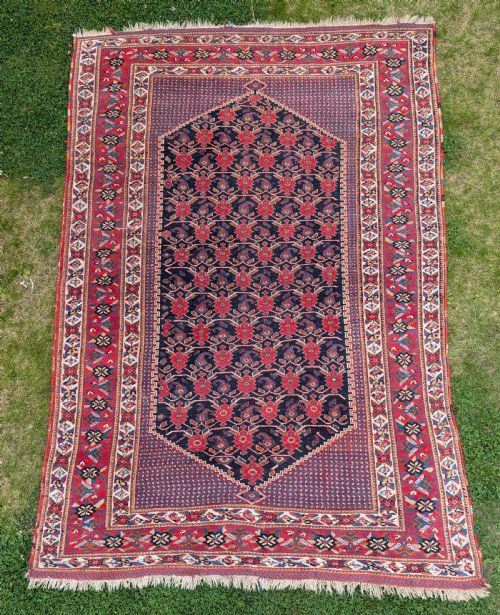
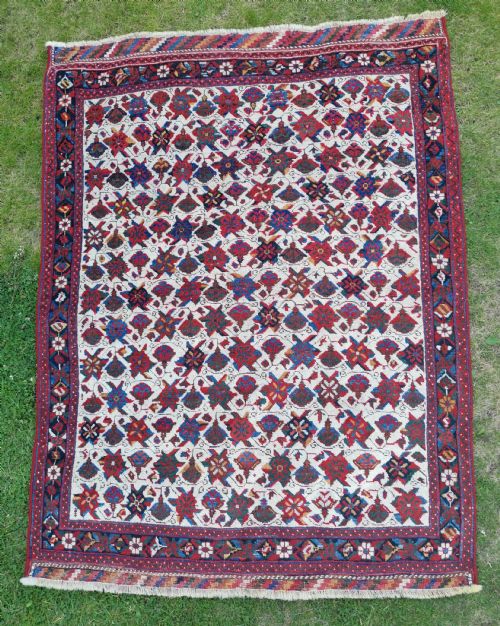
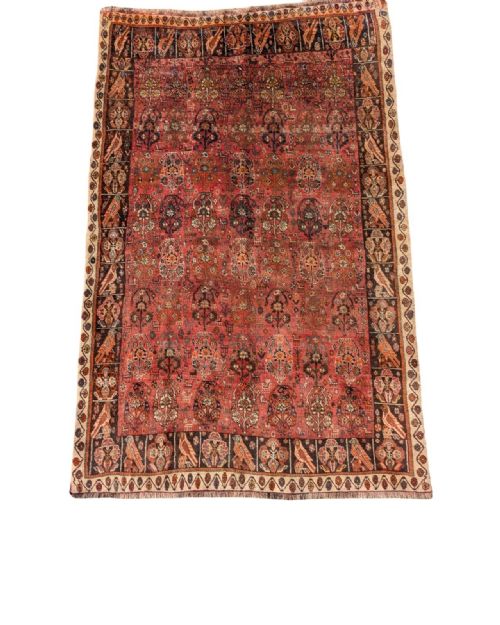
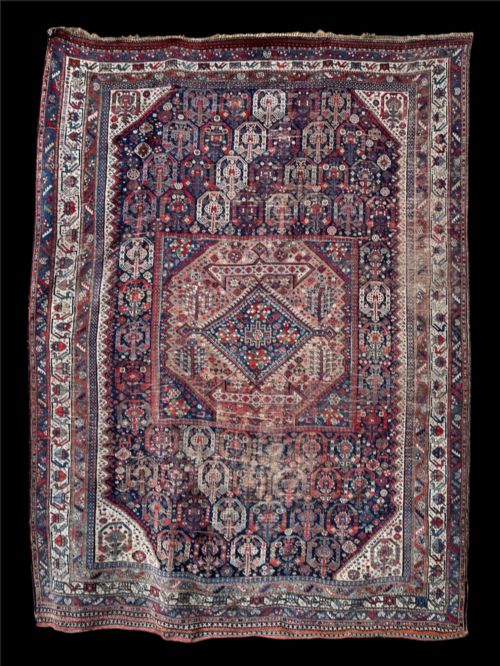
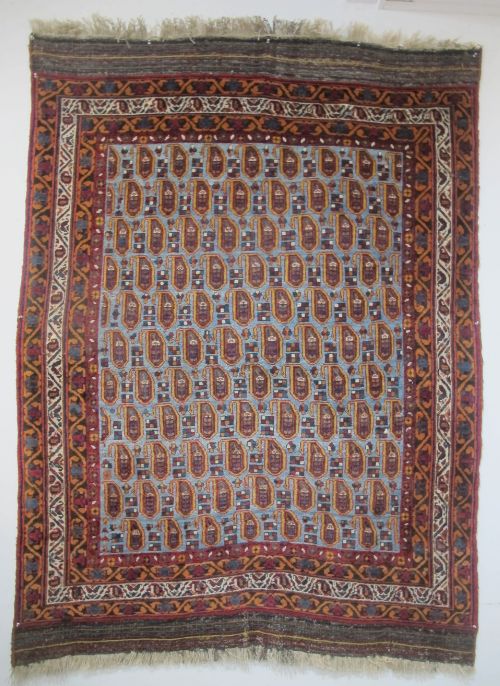
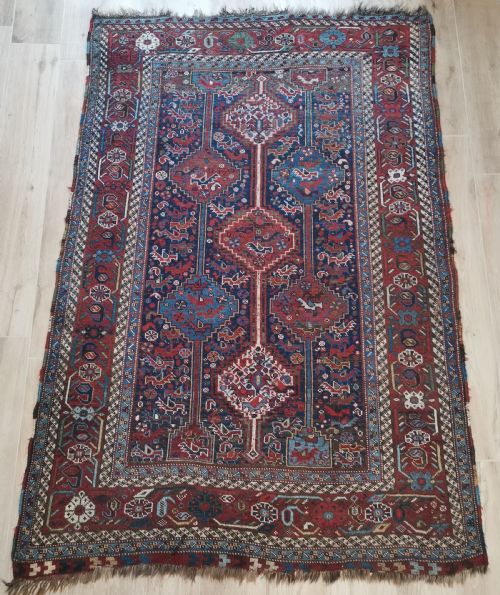
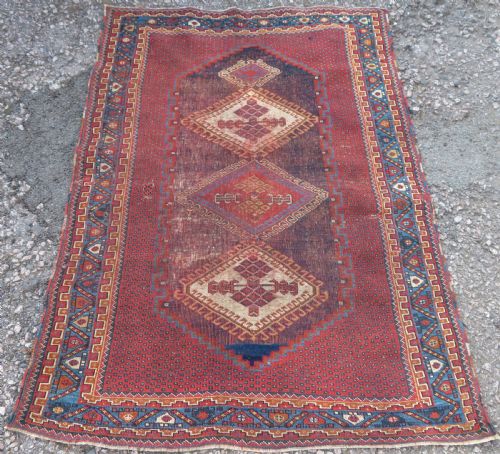
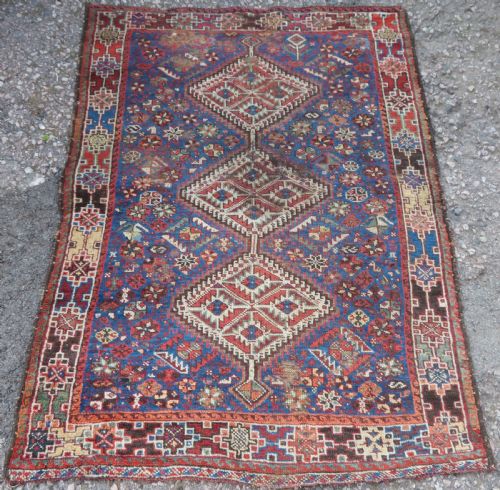
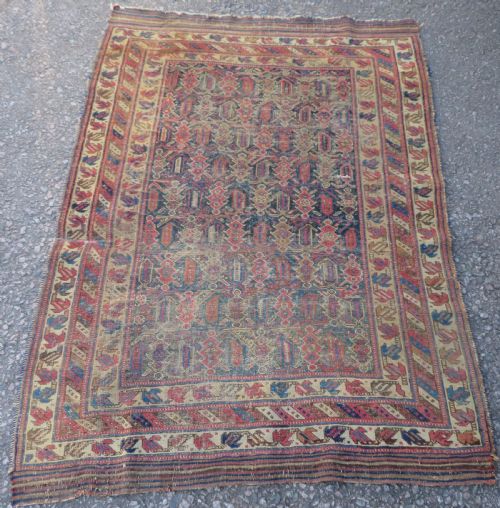
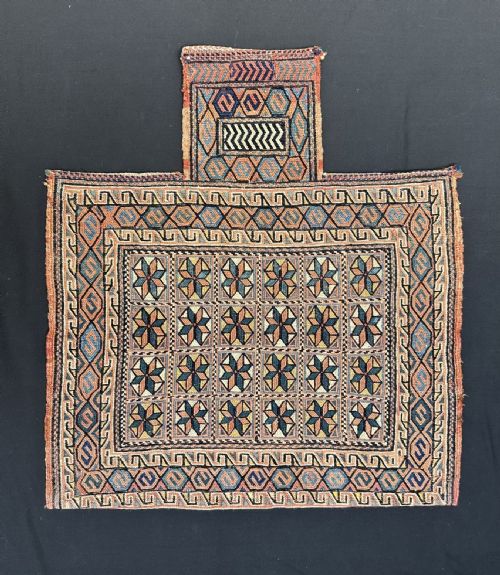
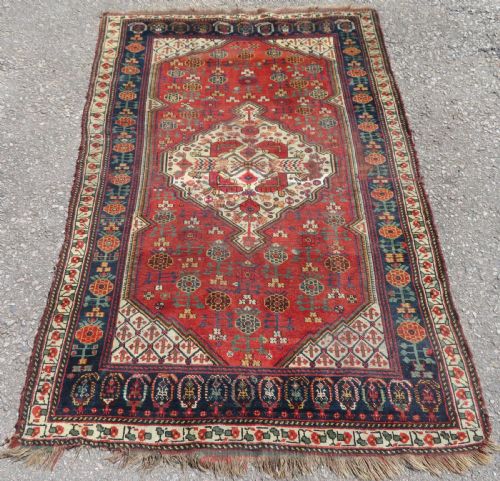
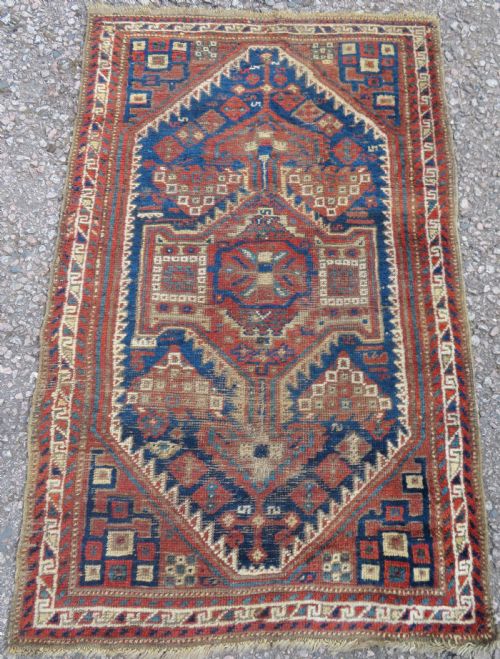
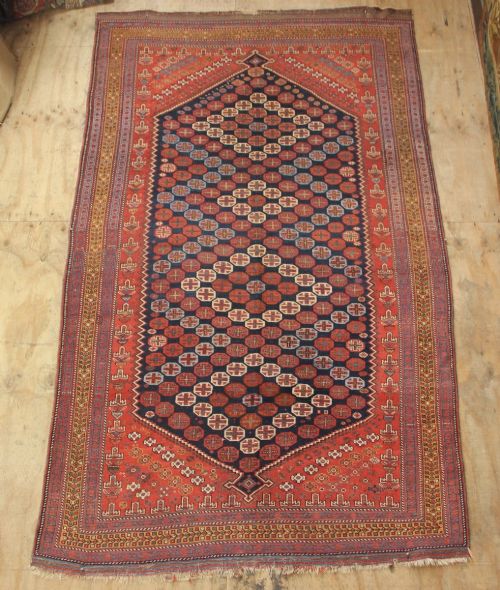
A south persian wool carpet represents the weaving traditions of nomadic and confederacy tribes such as the Afshar, Khamseh, and Qashqai. These textiles encompass room-size carpets, smaller rugs, runners, and functional tribal bags created across the nineteenth and early twentieth centuries.
The pieces appearing on this page span several decades, ranging from nineteenth-century examples to later vintage items from the 1930s and 1940s. Collectors encounter specific regional variations, including Neiriz Afshars and Baharlu Khamseh carpets, each displaying distinct tribal motifs.
How They Were Made
Weavers utilised hand-spun wool and cotton foundations, employing traditional hand-weaving techniques passed down through generations. The reliance on natural dyes gave these floor coverings their characteristic deep, enduring palette.
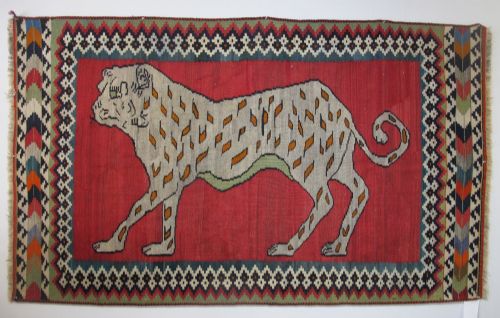
Nomadic workshops and tribal groups constructed these rugs to withstand practical daily use while expressing cultural identity through intricate geometric designs and pictorial elements like the tree of life.
Listings feature pieces spanning from the nineteenth century through the 1940s, utilising hand-spun wool, cotton, and natural dyes.
What Varies in Quality
The standard of a south persian wool carpet depends on the tightness of the knotting and the precision of the tribal design execution. Finer examples display intricate detail and exceptional wool quality that retain structural integrity over generations.
Dye consistency and the complexity of the regional motifs further distinguish standard tribal pieces from exceptional collector examples. The survival of original borders and pile depth also influence the overall stature of the piece.
The South Persian Wool Carpet Glossary
- Khamseh
- A confederacy of Arab, Basseri, and other tribes in south-west Persia. Their carpets typically display bold stepped medallions and vibrant geometric patterns.
- Qashqai
- A powerful confederacy of nomadic Turkic tribes in Fars province. Their textiles are celebrated for fine wool and whimsical animal or human figures.
- Natural Dyes
- Colourants derived from plants, insects, and minerals. These materials produce complex hues that develop a rich patina over time.
- Salt-Bag
- A small utilitarian tribal container woven on the same looms as carpets. Collectors value these items for their dense pile and concentrated miniature designs.
South Persian Wool Carpet: Frequently Asked Questions
How do I identify a Qashqai rug?
Qashqai rugs often feature distinct lozenge-shaped medallions, deep indigo backgrounds, and spontaneous tribal motifs such as small animals or stylized flowers.
Examining the weave reveals the characteristic use of hand-spun wool and traditional natural dye colours that separate these nomadic pieces from workshop creations.
Where were Afshar carpets made?
Afshar carpets originate from the southern regions of Persia, particularly around the Kerman province and the Neiriz district.
These tribal weavers produced rugs and smaller utility bags featuring tightly packed geometric structures and repeating botanical elements.
What is a Khamseh carpet?
A Khamseh carpet is a tribal textile produced by the confederated tribes of south-west Persia, incorporating Arab and local nomadic design influences.
These pieces frequently display multiple hooked medallions arranged vertically along a dark field, framed by narrow, intricate borders.
How should I care for a tribal wool rug?
Protect your wool carpet by placing it in a low-moisture area away from direct, harsh sunlight to preserve the natural dyes. Regular gentle vacuuming without a rotating beater bar helps maintain the pile.
Professional cleaning tailored for antique textiles ensures the hand-spun wool foundations remain stable and clean over decades of enjoyment.