



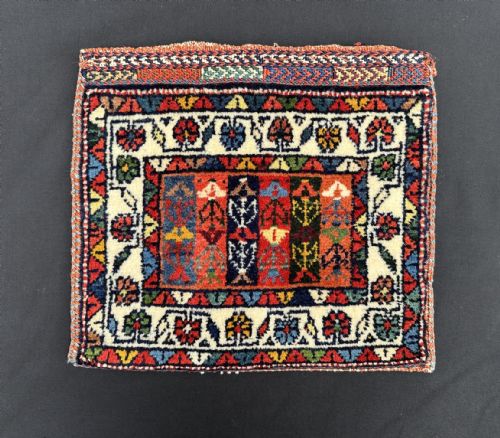
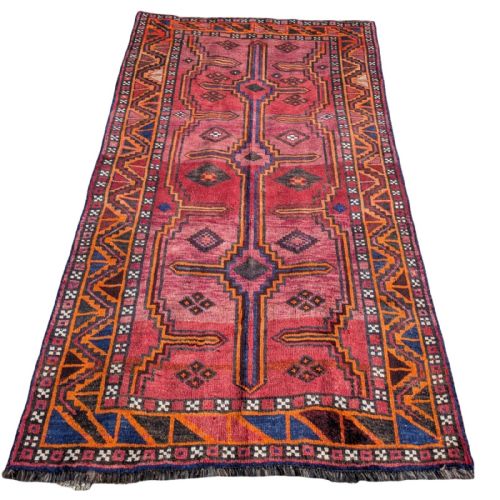
South Persian Tribal Weave
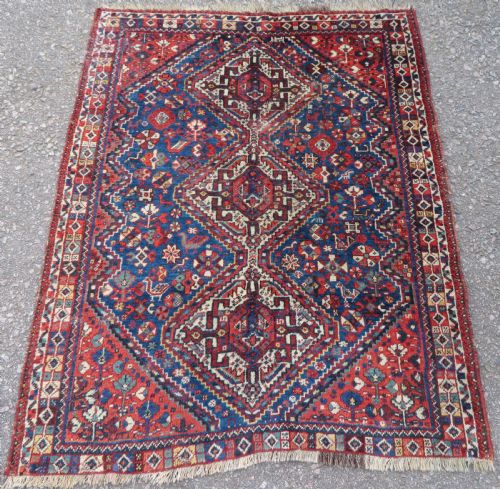
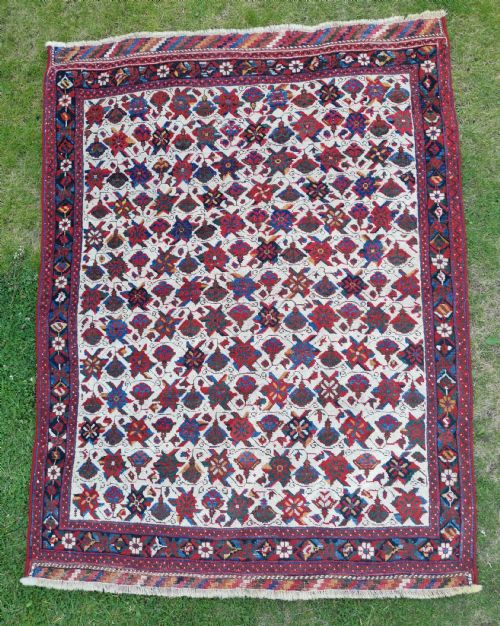
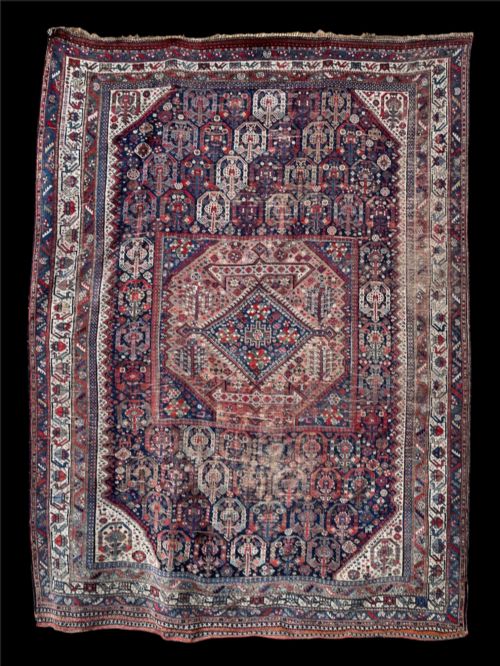
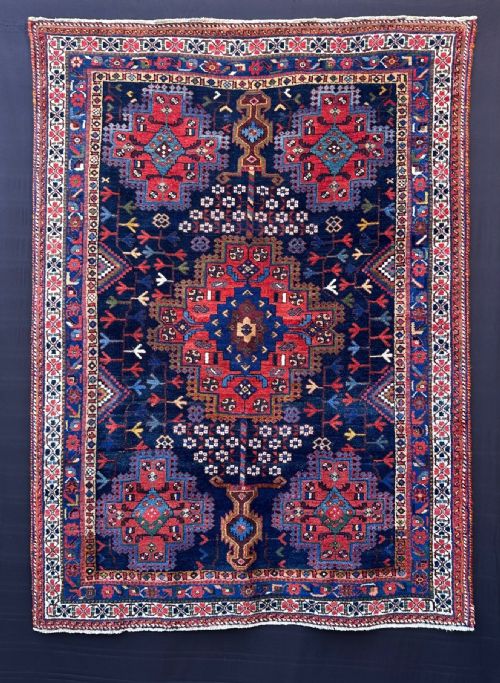
These items are a south persian tribal weave, created by nomadic groups using traditional hand-knotted techniques to produce practical items for daily camp life.
South Persian Tribal Weave
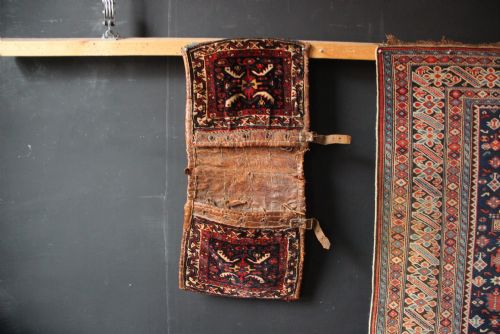
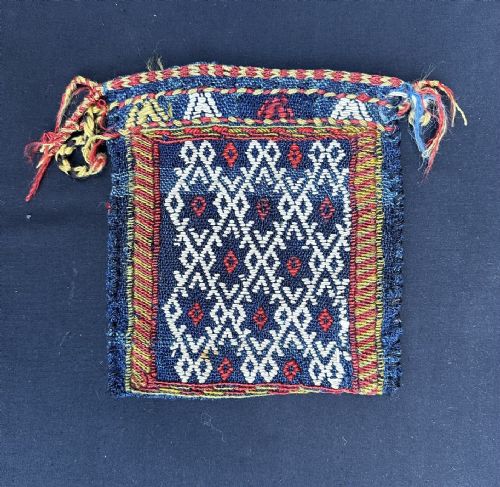
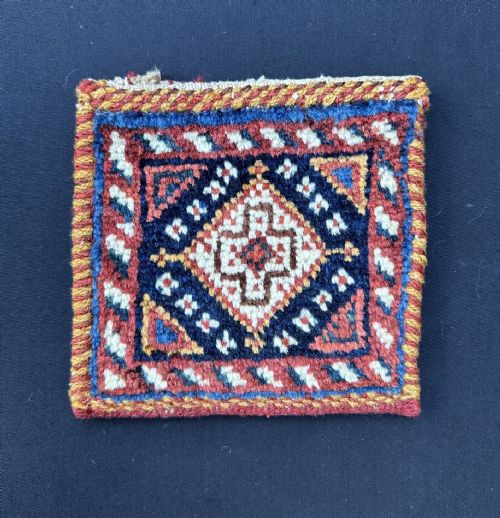
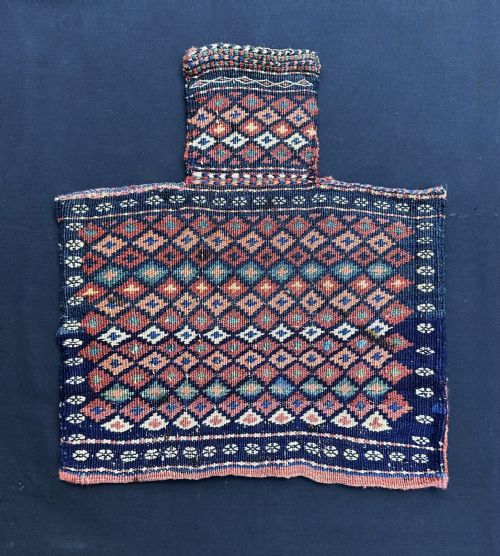
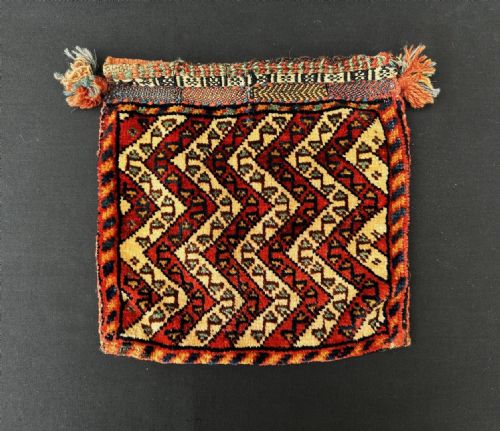
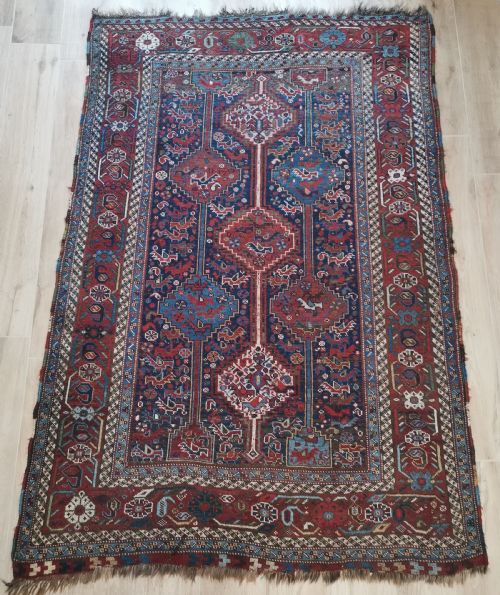
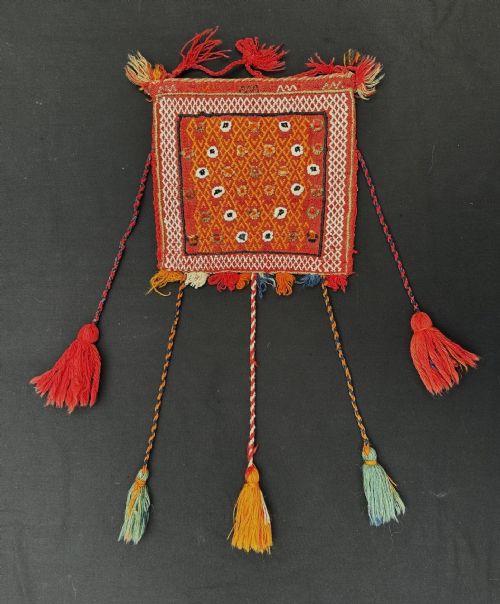
A south persian tribal weave encompasses practical domestic and nomadic items created by confederacies such as the Qashqa'i and Afshar tribes, alongside Khamseh and Luri groups. Buyers frequently encounter smaller utility pieces like vanity-bags, salt-bags, and saddlebags, alongside larger carpets and rugs designed for floor placement or tent use.
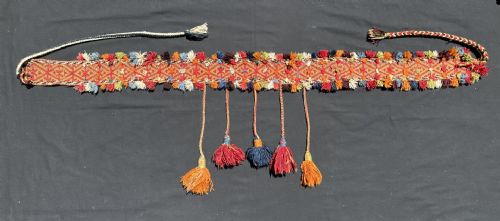
The objects originate primarily from the Fars and Kerman provinces of Persia, dating from the nineteenth century into the early twentieth century. Common formats include animal trappings, bread sofreh, baby cradles, and horse decorations alongside standard area rugs.
These items reflect the specific tribal identities and regional environments of their makers, utilising traditional symbols and geometric patterns passed down through generations. The variety ranges from diminutive miniature saddlebags to room-sized carpets.
Assessing Quality
Quality differences depend on the tightness of the knotting and the fineness of the hand-spun wool utilised in the pile, which affects the durability and definition of the geometric patterns. Pieces with greater precision in tribal motifs and sophisticated natural dye palettes represent the higher end of the range.
The complexity of the weaving structure, particularly in specialised items like vanity-bags and animal trappings, also distinguishes superior examples from standard utility pieces.
South Persian Tribal Weave Retail Price Guide 2026
Typical asking prices for south persian tribal weave among the pieces listed under this phrase on Sellingantiques today, from the lower quarter to the upper quarter. They describe what is for sale here now, not the wider market.
Listings feature items dated from the nineteenth century through the 1930s, utilising wool, cotton, and natural dyes.
The South Persian Tribal Weave Glossary
- Sofreh
- A flat-woven textile used specifically for spreading food or handling bread within nomadic households.
- Khamseh
- A confederation of five distinct tribes in south-west Persia known for producing distinctive carpets and bags.
- Afshar
- A group of pastoral nomadic and settled tribes originating from the Kerman province, recognised for geometric rug designs.
- Qashqai
- A major tribal confederacy in the Fars province producing finely knotted bags and animal trappings.
- Pile
- The raised surface of a rug or carpet formed by the cut ends of knots tied to the warp and weft threads.
South Persian Tribal Weave: Frequently Asked Questions
What is a south persian tribal weave?
A south persian tribal weave is a hand-knotted textile produced by nomadic and village groups living in the southern regions of Persia, including the Fars and Kerman provinces.
These items range from functional saddlebags and salt-bags to large floor carpets and baby cradles.
How were tribal bags used?
Nomadic families utilised these small bags for storage during seasonal migrations across the mountains and plains of Persia.
Specific pieces served as containers for salt, vanity items, or water-pipe accessories within the camp.
How do I identify Qashqai pieces?
Qashqai weavings typically originate from the Fars province and often feature intricate geometric designs, animal trappings, or specific tribal names associated with the confederacy.
They frequently incorporate hand-spun wool and natural dyes characteristic of south-west Persian nomadic production.
What materials are used in these rugs?
The primary material is wool, often hand-spun, combined with cotton foundations for structural stability in larger carpets and rugs.
Additional elements such as leather, wood, and cowrie shells appear on specific utility bags and horse decorations.