

Solid Wood Chairs
Solid wood chairs span centuries of domestic life, offering the honest grain and structural integrity that only timber brings to a room.
Solid Wood Chairs
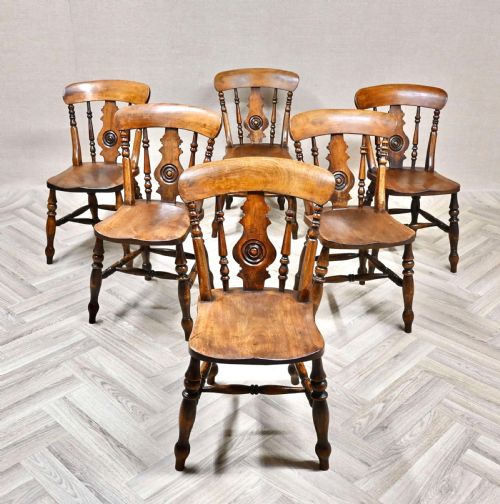
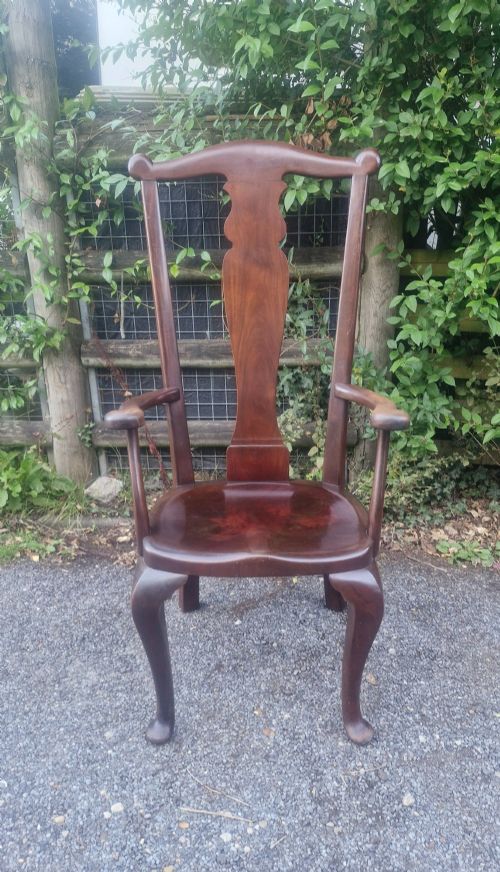
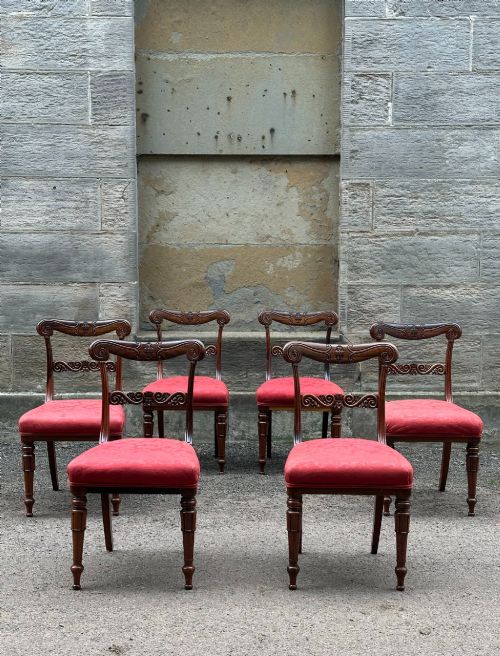
Solid wood chairs encompass seating built from timber frames across periods ranging from the seventeenth century through to the art deco era, focusing heavily on nineteenth-century examples. Buyers encountering solid wood chairs on this page will frequently see mahogany, oak, and elm used across various domestic forms.
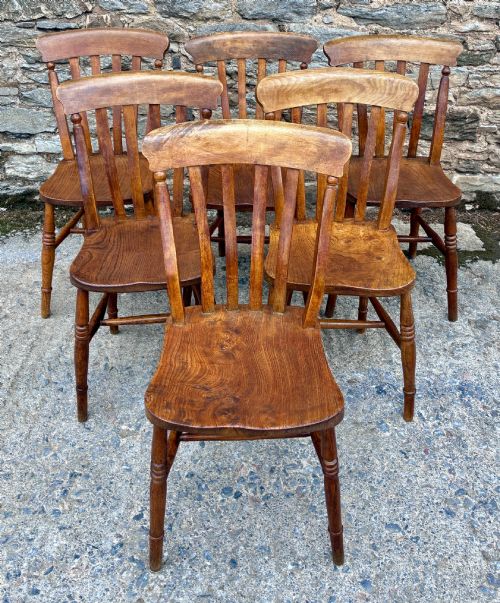
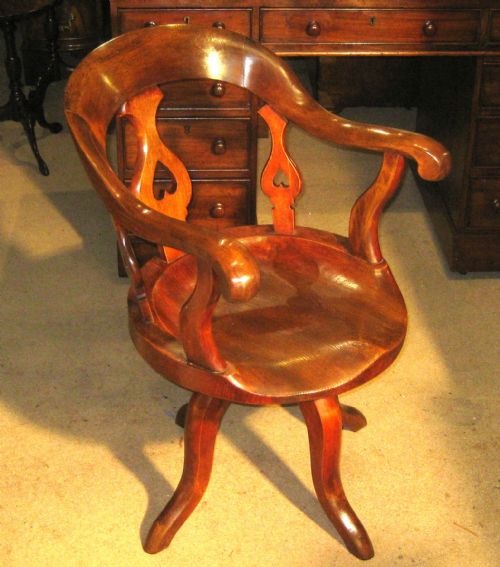
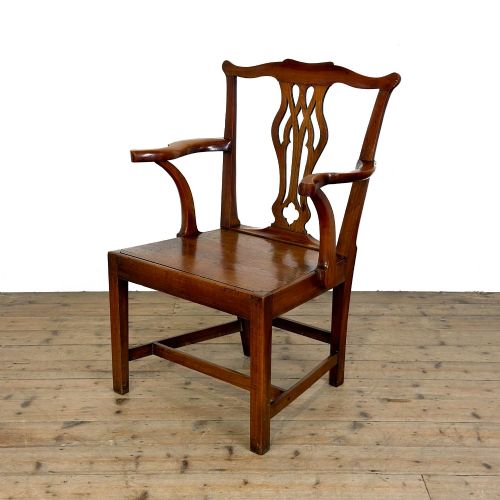
The selection ranges from country kitchen seating and windsor forms to formal dining chairs, hall chairs, and revolving desk armchairs. Regional variations such as Scottish reception seats and Edinburgh pattern birch side chairs appear alongside standard English vernacular pieces.
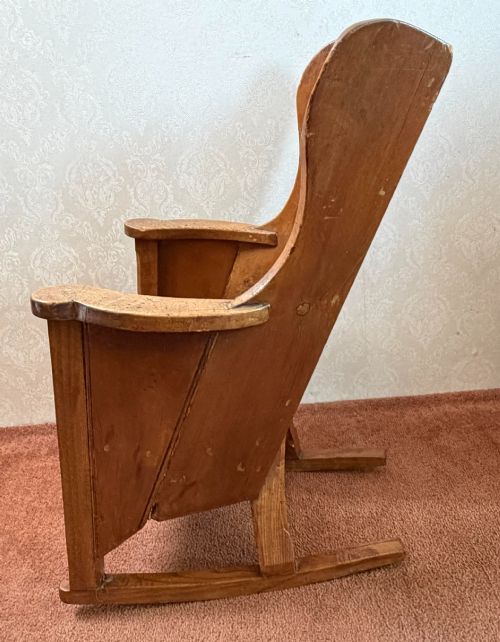
Sets of dining chairs and pairs of hall chairs are common, alongside single armchairs and rocking chairs intended for occasional use. The pieces reflect both formal cabinet-maker production and simpler country workshop traditions.
How they were made
Construction relies on traditional joinery using timbers selected for their specific mechanical properties, such as flexible ash and elm for steam-bent windsor components and dense mahogany for carved dining seats. Cabinet makers shaped hardwoods using hand tools, mortise and tenon joints, and turned spindles to secure structural rigidity.
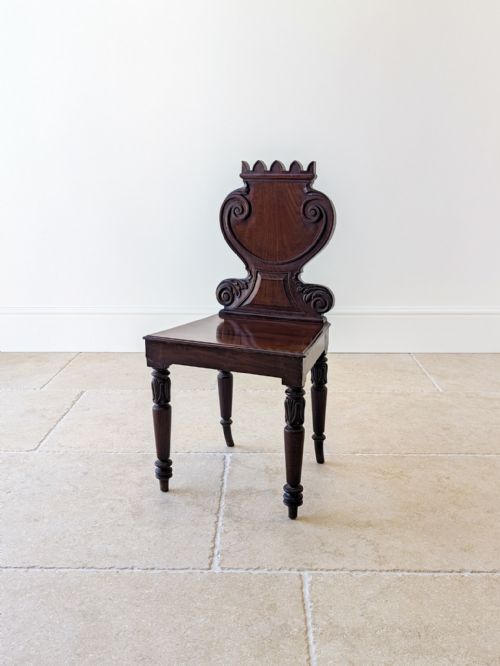
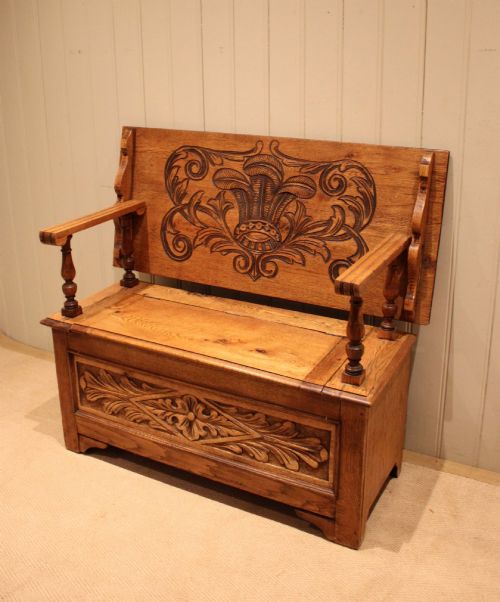
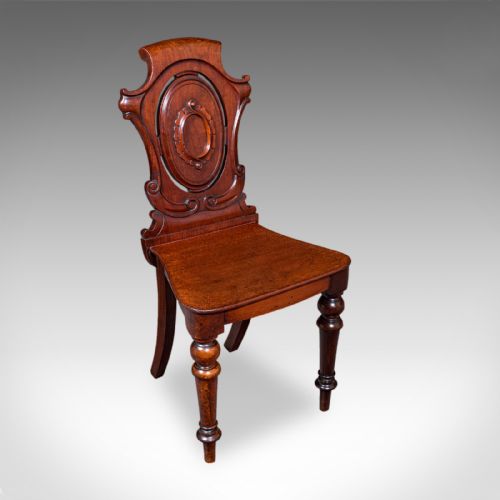
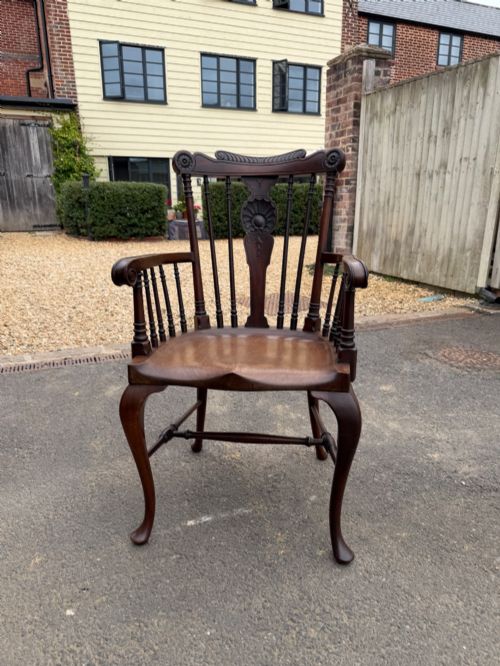
Surface treatments and polishes were applied to enhance the natural figuring of woods like rosewood, walnut, and figured mahogany, while simpler country chairs received wax or oil finishes. Carved details on shield backs and balloon backs demonstrate the manual skill involved in shaping solid timber.
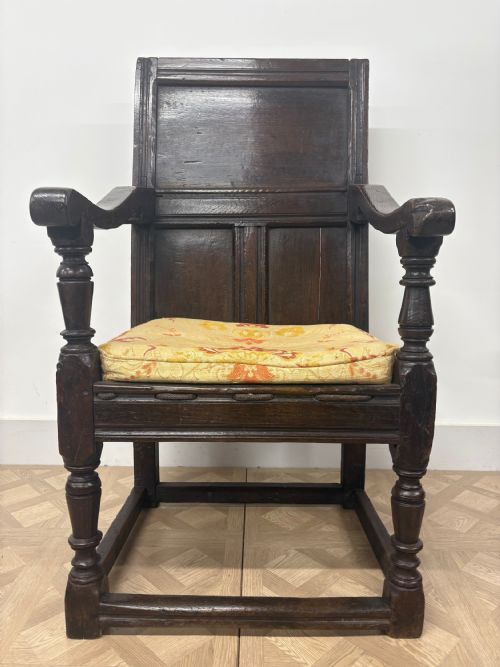
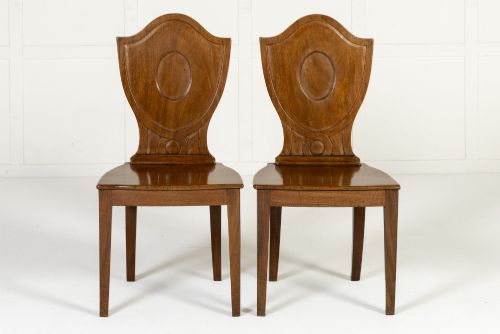
Listings feature eighteenth-century oak wainscot arms alongside nineteenth-century mahogany hall chairs and twentieth-century elm windsor seating.
What varies in quality
Quality rests in the selection of the timber, where finely figured grain and uniform matching across a set distinguish superior production from standard utility work. The depth and crispness of hand-carved details, such as shield backs or pierced splats, separate ambitious workshop output from plain commercial manufacture.
Structural survival defines value, as pieces retaining their original joints without excessive timber shrinkage or replacement parts command greater regard. The balance of proportions and the weight of the timber used in the frame indicate the original ambition of the piece.
The Solid Wood Chairs Glossary
- Windsor Chair
- A vernacular seating form featuring a solid wooden saddle-shaped seat into which legs and back spindles are wedged directly. These chairs frequently combine elm seats with ash or yew stems.
- Wainscot Armchair
- An early heavy wooden armchair constructed from panelled oak, common in seventeenth-century domestic interiors. They represent some of the earliest surviving forms of joined domestic seating.
- Lathe Back
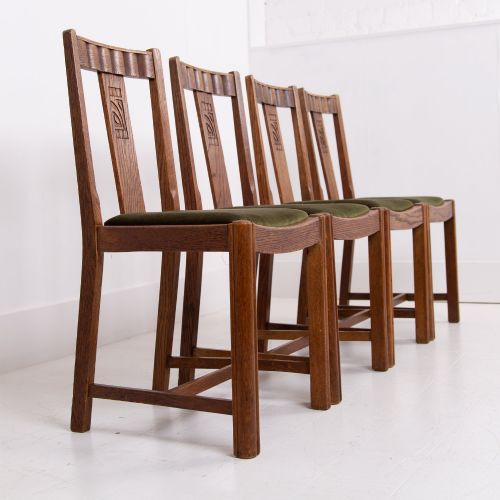
- A chair back constructed with horizontal or vertical flat wooden laths secured between top and bottom rails. This functional vernacular style appears frequently in kitchen and country dining chairs.
- Balloon Back
- A rounded, curved chair back resembling the profile of a hot-air balloon, typical of Victorian rosewood and mahogany dining seats. The curved top rail provides ergonomic upper back support.
Solid Wood Chairs: Frequently Asked Questions
How do I date an oak chair?
Dating oak involves examining the tool marks, construction joints, and timber shrinkage visible on the underside and frame. Earlier pieces from the seventeenth century rely on pegged mortise and tenon joinery and heavy plank construction.
Later Victorian and Edwardian revivals employ more mechanised manufacturing methods and standardised dimensions. Comparing the patination and wear patterns helps confirm the age of the timber.
Are windsor chairs comfortable?
Windsor chairs derive their comfort from the sculpted solid wood saddle seat, which distributes weight evenly across the wooden base. The steam-bent back bows also offer slight flex when leaning.
While lacking modern squab cushions, their ergonomic wooden contours made them popular for long hours of sitting in kitchens and studies.
What is a hall chair used for?
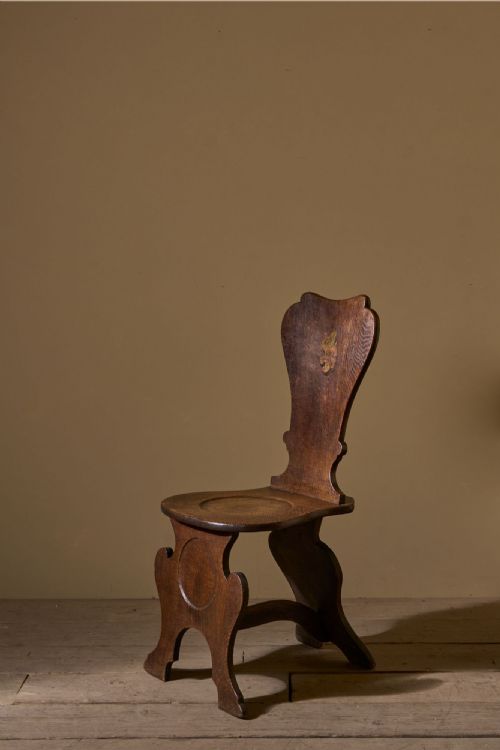
Hall chairs served as formal entranceway seating in grand houses, intended for visitors waiting briefly rather than for prolonged sitting. Their designs often featured prominent family crests or carved shield backs.
Because they sat in hallways, they were usually made entirely of wood without upholstery to withstand drafts and heavy foot traffic.
How should I care for solid wood furniture?
Solid wood requires stable room humidity and protection from direct sunlight and central heating sources to prevent timber splitting. Applying occasional bees wax maintains the natural lustre of the finish.
Avoiding synthetic chemical polishes preserves the historic patina and prevents moisture buildup on antique surfaces.