
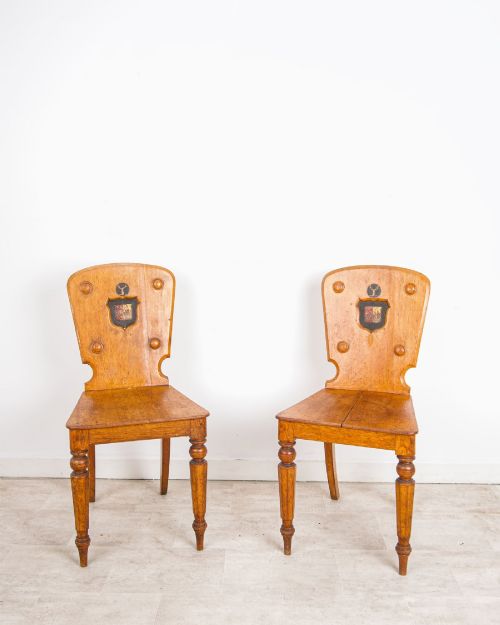


Solid Timber Country Chair
These solid timber country chair pieces offer honest vernacular seating built from sturdy woods like elm, ash, and oak for daily farmhouse use.
Solid Timber Country Chair
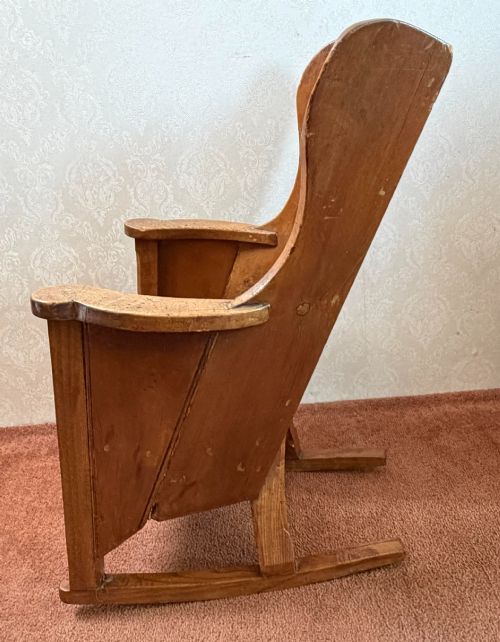
When you search for a solid timber country chair, you encounter practical domestic seating produced across the nineteenth and early twentieth centuries. These pieces encompass Windsor armchairs, kitchen dining chairs, hall chairs, settles, and children's rockers created for provincial British homes.
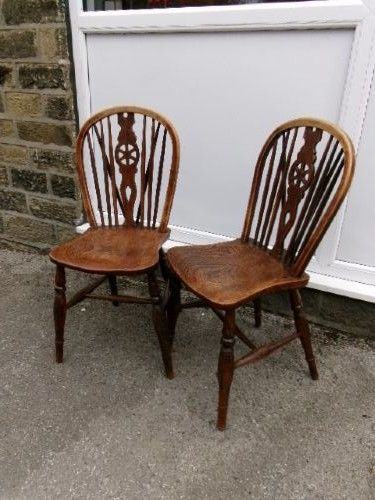
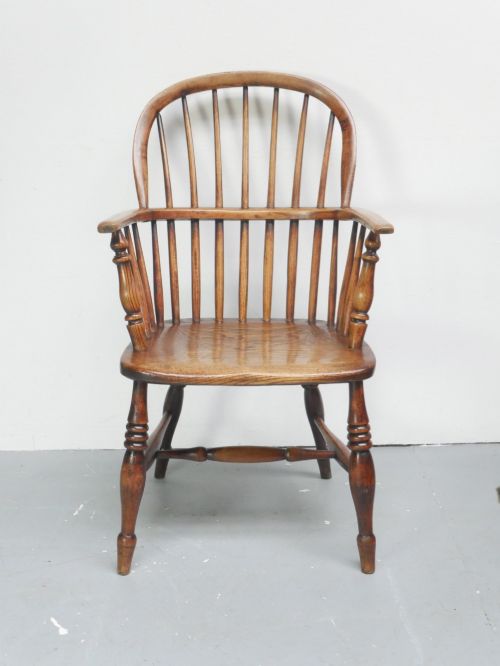
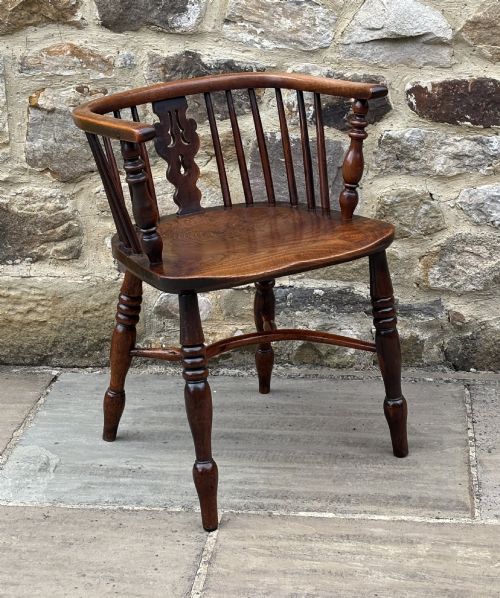
The most common examples you meet on this page are kitchen dining chairs and Windsor armchairs featuring traditional wood seats. Their forms range from matched sets of dining chairs to single wheelback and spindleback armchairs.
Originating from English, Scottish, and rural workshops, these utilitarian forms reflect regional vernacular traditions. They prioritize sturdy construction and straightforward utility above ornamental flourish.
How they were made
Maker-craftsmen built these items using a combination of turned spindles and solid timber seats. Elm, ash, beech, and yew were chosen for their specific structural properties, with resilient elm frequently selected for carved saddle seats.
Joinery methods relied on traditional pegged and wedged tenon joints to withstand heavy domestic strain. Frameworks combined different woods within a single piece, utilising flexible ash for bent bows alongside stable hardwoods for legs and stretchers.
Listings feature solid timber country pieces spanning from eighteen hundred through nineteen thirty, utilising elm, ash, oak, beech, pine, and yew.
What varies in quality
Quality rests in the selection of timber figures and the harmony of mixed woods within a single frame. Pieces exhibiting rich grain variation in yew or elm display superior visual depth compared to plain utility timbers.
Refinement of turning on spindles, legs, and arm supports distinguishes standard vernacular output from more ambitious regional work. The grace of the comb or bow and the deep sculpting of the solid seat define the standard of the piece.
The Solid Timber Country Chair Glossary
- Windsor chair
- A wooden chair built with a solid timber seat into which the legs and back spindles are driven directly. This construction method creates a sturdy, resilient form typical of rural production.
- Wheelback
- A Windsor chair variation featuring a pierced splat shaped like a cartwheel. It is a defining decorative motif found in nineteenth-century kitchen seating.
- Settle
- A high-backed wooden bench with solid sides and often a box compartment beneath the seat for storage. These provided draught-proof seating near hearths in traditional country homes.
- Vernacular furniture
- Domestic objects made by regional artisans following local traditions rather than metropolitan academic designs. These pieces serve immediate practical functions using locally accessible materials.
Solid Timber Country Chair: Frequently Asked Questions
What woods were used for these chairs?
Makers utilised accessible native timbers suited to specific structural demands. Elm provided a tough, anti-splitting surface for solid seats.
Ash and beech offered straight-grained strength for turned legs, stretchers, and steam-bent back bows.
How do I date a country chair?
Dating relies on observing construction techniques, tool marks, and design evolution across periods. Nineteenth-century examples often display hand-turned components and distinct patination.
Later pieces from the twentieth century show standardised turning methods and different wear patterns.
Were these chairs used for dining?
Many examples served utilitarian roles around farmhouse tables and kitchen spaces. Sets of matching or matched chairs provided robust seating for daily household meals.
Single armchairs were positioned near fireplaces or used as versatile household utility seating.
What is a wheelback design?
The wheelback describes a central splat pierced and carved to resemble the spokes of a wooden cartwheel. This pattern gained popularity during the nineteenth century in kitchen chairs.
It adds a decorative element to an otherwise strictly functional vernacular seating form.