
Solid Silver Table Cutlery
Solid silver table cutlery brings tangible heritage to the dining table, offering robust sterling silver flatware and serving pieces shaped across multiple centuries.
Solid Silver Table Cutlery
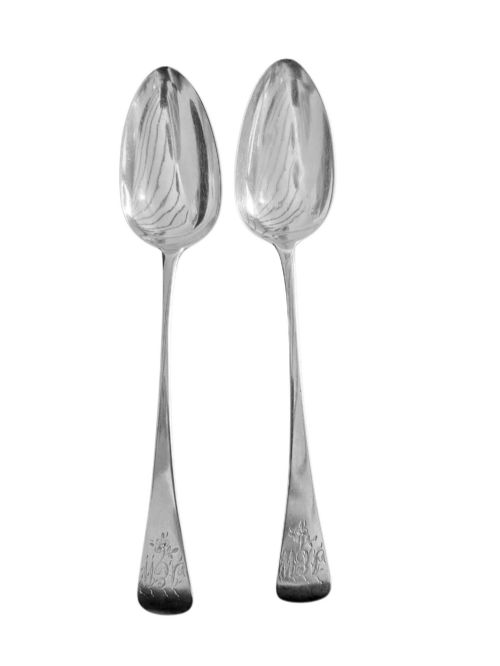
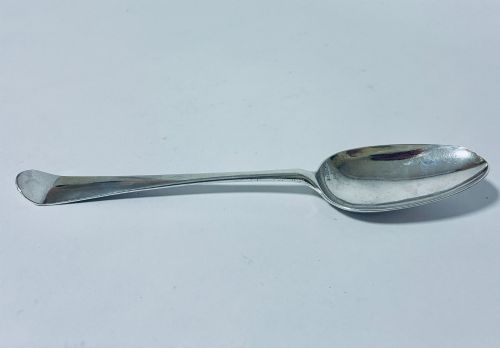
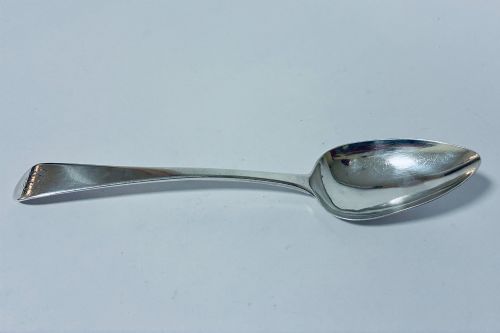
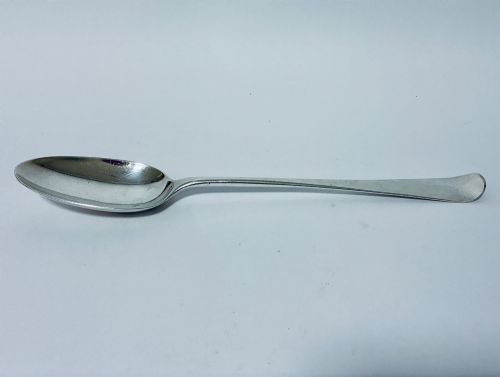
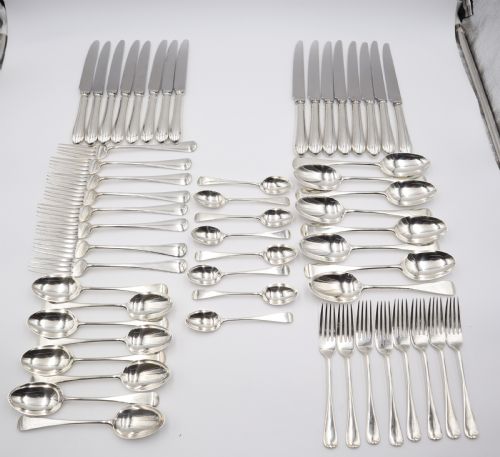
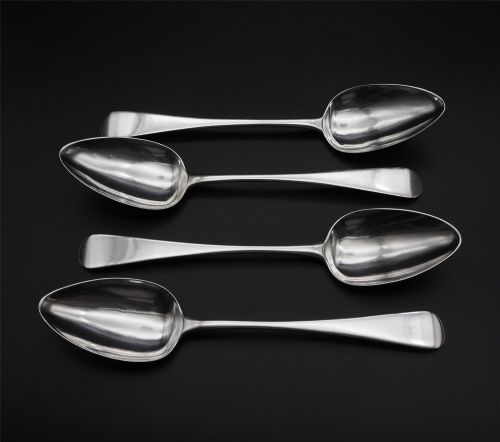
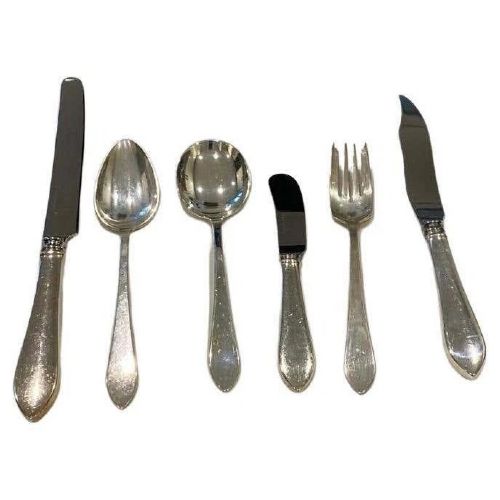
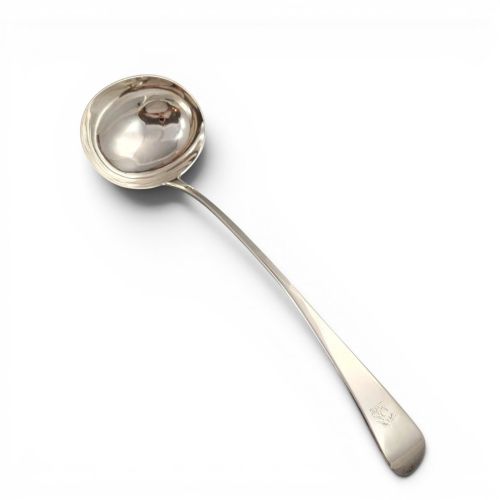
Solid silver table cutlery encompasses diverse functional implements designed for dining, including soup ladles, dessert forks, tablespoons, and complete canteens. Buyers searching for solid silver table cutlery encounter formats ranging from early individual spoons to large matched table services housed in fitted mahogany tables.
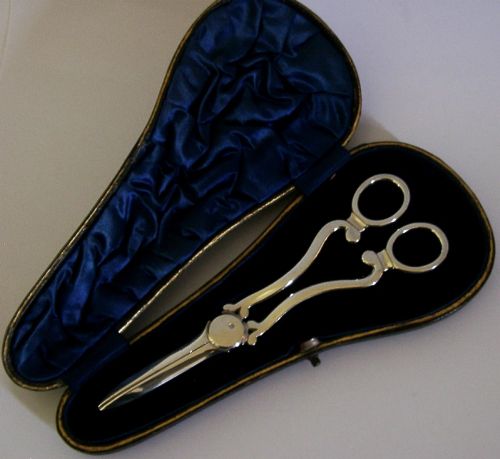
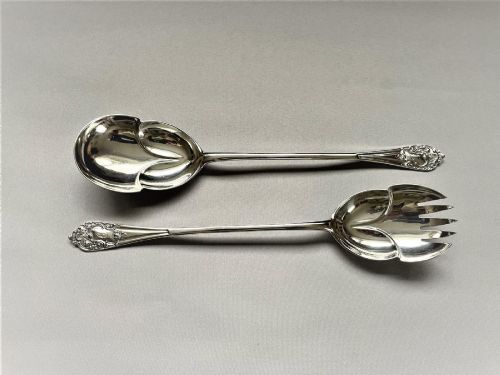
The selections span distinct historical periods, notably featuring Georgian, Victorian, and Edwardian pieces alongside earlier 18th-century work. Formats vary from single serving spoons and grape shears to extensive flatware sets for multiple settings.
Evaluating standard and distinction
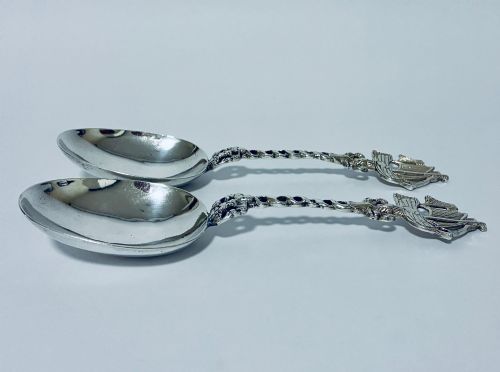
Quality rests in the precision of the silversmith's workmanship, evident in the crispness of cast decorative patterns, hand-engraved crests, and balanced weight in the hand. Superior examples display intact, legible hallmarks and preserved structural integrity across fragile components like tines and hinges.
The completeness of a matched set or canteen influences distinction, as does the presence of original fitted cases lined in velvet or satin. Makers and regional provenance, from London and Dublin to continental workshops, contribute to the standing of individual pieces.
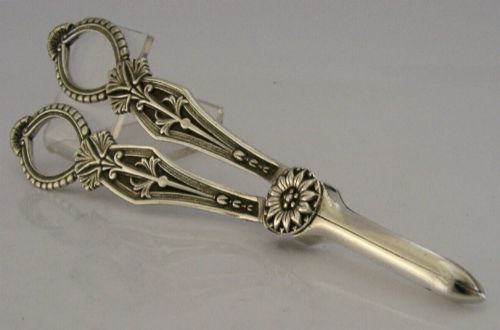
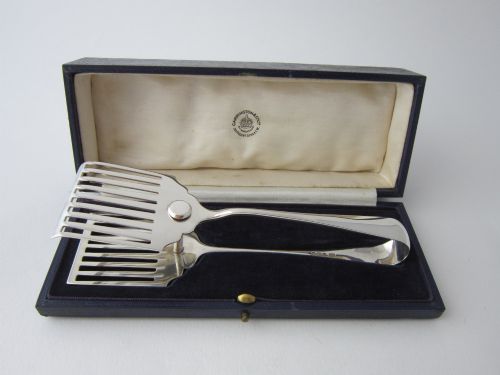
Early dining required specific instruments for every indulgence, including dedicated tongs for asparagus and heavy shears just for grapes.
E Coker·Georg Jensen·Henri Soufflot·J Ladyman·POSEN·Reilly and Storer·Thomas Issoa
The Solid Silver Table Cutlery Glossary
- Hallmark
- Official stamps struck into precious metals to indicate the standard of silver, the assay office, and the year of manufacture. These marks provide definitive historical context for dating each item.
- Canteen
- A fitted box, chest, or table designed to store a complete set of cutlery securely. These containers often feature designated slots and velvet or satin linings.
- Dognose
- An early form of spoon popular around the turn of the eighteenth century, characterised by a rounded tongue or upturned ridge down the centre of the terminal.
- Trifid
- A style of spoon handle ending in three lobes, common in the late seventeenth century. This form reflects early transitional designs in British silver flatware.
- Fiddle pattern
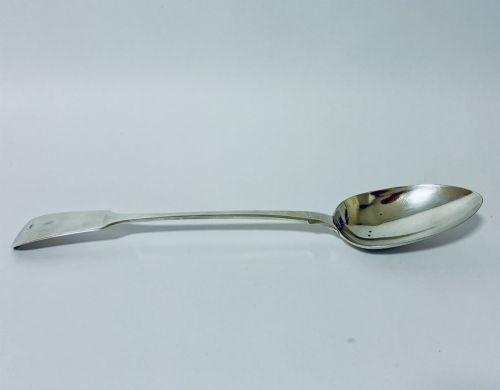
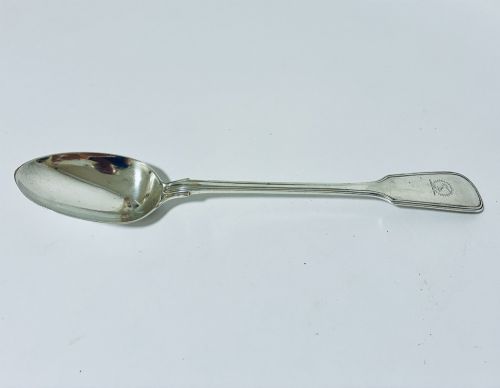
- A nineteenth-century cutlery design featuring a distinctive shoulder resembling a violin shape near the terminal. It became a dominant style throughout the Victorian era.
Solid Silver Table Cutlery: Frequently Asked Questions
How do I date antique cutlery?
Dating relies primarily on official hallmarks stamped directly onto the silver. These marks indicate the assay office and a specific date letter corresponding to the year of manufacture.
Stylistic indicators such as handle shape, bowl proportions, and decorative motifs like the dognose or trifid profile offer further chronological context.
What is a silver canteen?
A canteen is a dedicated storage chest, box, or fitted table designed to hold a coordinated set of flatware and cutlery. They often feature multiple tiers and custom slots lined with velvet or satin to protect the pieces.
These containers kept large dining services organised and secure between formal meals.
How were three pronged forks used?
Early dining implements included three-pronged dessert and table forks fashioned alongside matching spoons. They served for eating structured courses before modern four-tine configurations became standard.
These early forks often feature robust construction and distinct hand-forged tines.
What are grape shears used for?
Grape shears or scissors are specialised serving implements designed for cleanly snipping portions of fruit from a larger bunch at the table. They frequently feature decorative cast silver handles in Victorian or Edwardian styles.
These pieces reflect the formal dining customs of the nineteenth and early twentieth centuries.
Are canteens complete sets?
Canteens and table services often contain coordinated sets of cutlery intended for multiple place settings. While many survive intact, others represent assembled services gathered over time.
Checking the individual pieces for matching patterns and maker marks helps confirm their original unity.