



Solid Silver Pepper Caster
A solid silver pepper caster brings domestic silver to the table in forms spanning the eighteenth century to the art deco period.
Solid Silver Pepper Caster
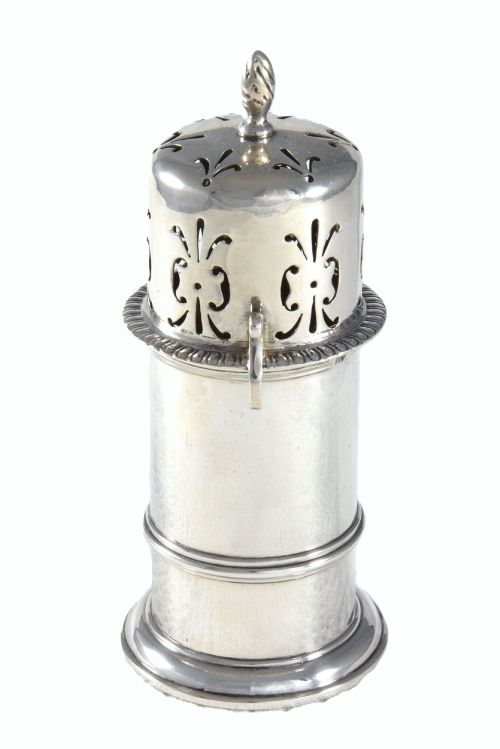
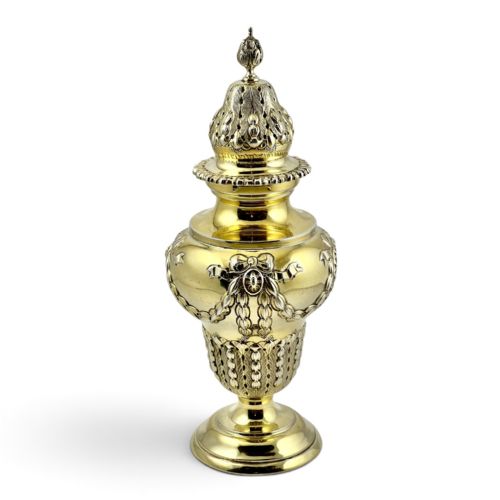
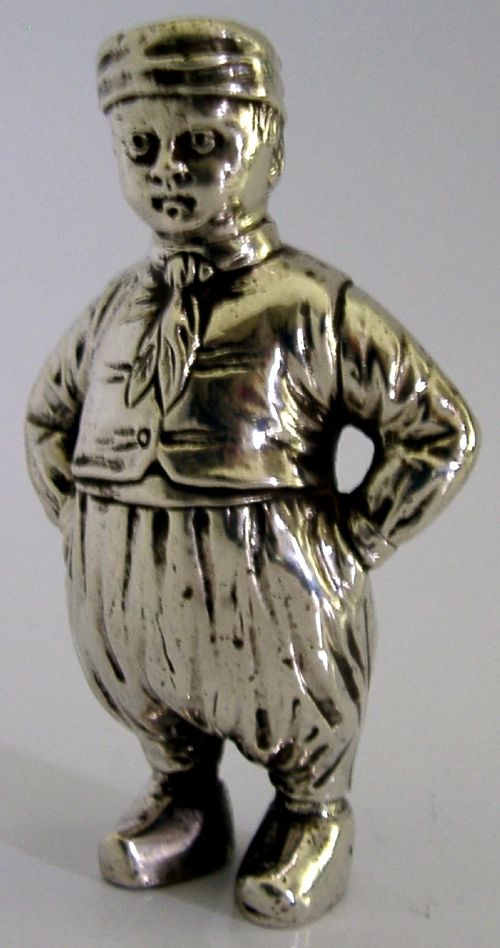
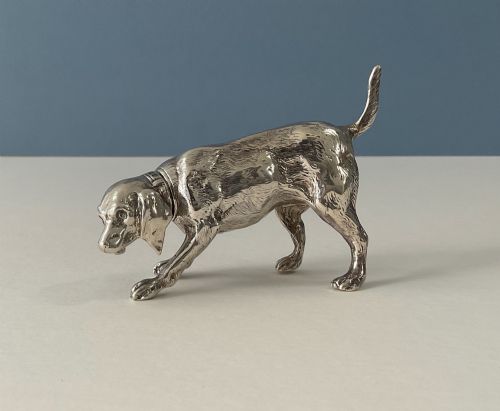
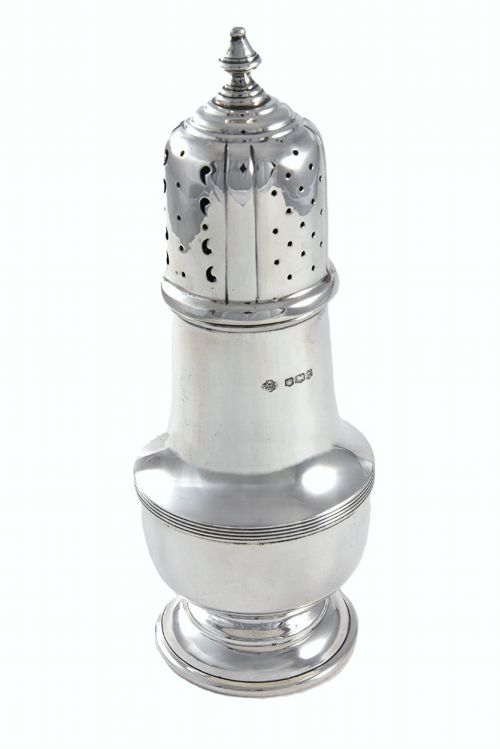
A solid silver pepper caster serves as a table condiment piece designed to distribute ground seasoning through a pierced cover. The forms on this page range from early octagonal shapes and classic muffineers to novelty figures such as owls, dogs, and pheasants.
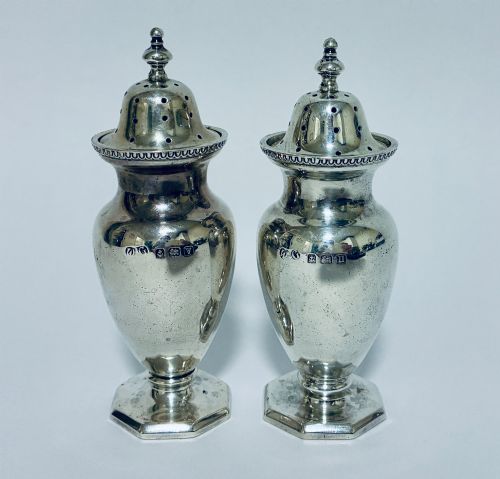
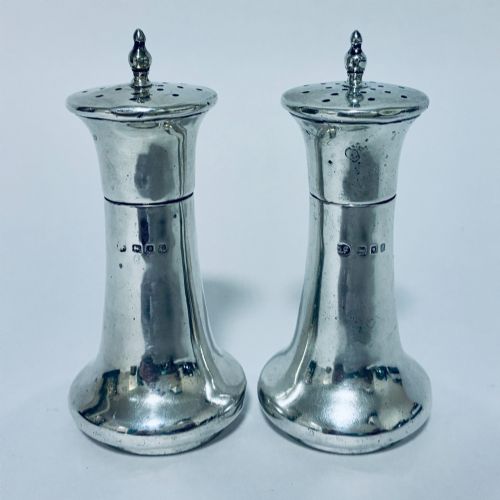
Buyers encounter numerous pieces from the Georgian era through to the Edwardian and Art Deco periods, alongside larger sugar shakers and condiment sets. Standard pepper pots and paired pepperettes appear frequently alongside standalone casters.
The selection includes continental imports in 800 silver alongside British sterling items bearing full hallmarks. Domestic pieces often match broader cruet sets or stand alone as single tableware items.
Materials and construction
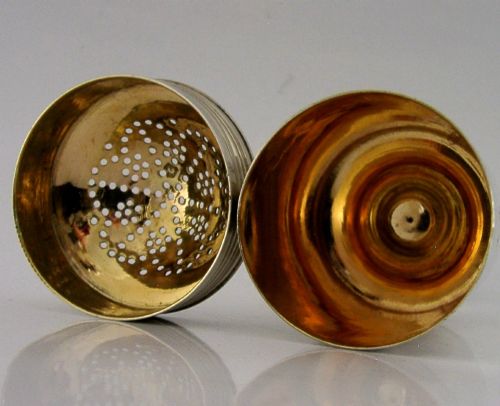
Silversmiths constructed these pieces primarily from sterling silver and solid silver, occasionally employing silver-gilt finishes for internal or decorative richness. Some designs incorporate cut glass bodies fitted with pierced silver mounts or tops.
Novelty forms utilise cast techniques to model animals and figures in fine detail, while traditional casters rely on raised sheet silver and pierced lids. Makers integrated materials such as leatherette and silk within fitted presentation cases for larger condiment sets.
Solid Silver Pepper Caster Retail Price Guide 2026
Typical asking prices for solid silver pepper caster among the pieces listed under this phrase on Sellingantiques today, from the lower quarter to the upper quarter. They describe what is for sale here now, not the wider market.
Listings feature solid silver pepper casters spanning the Georgian, Victorian, Edwardian, and Art Deco periods, alongside continental silver and cut glass combinations.
Assessing quality and execution
Quality rests upon the crispness of the piercing in the cover and the weight of the silver relative to the size of the piece. Early hand-raised examples display a different calibre of craftsmanship compared to later cast novelty figures.
The clarity of the hallmarks and the integrity of the maker marks dictate historical standing. Finer examples retain undamaged piercing patterns and secure fitting lids that align correctly with the body.
Charles Thomas Fox·Stephen Adams·The Barker Brothers·Thomas Ross·Thomas Johnson·Charles Alchorne·Viners Sheffield
The Solid Silver Pepper Caster Glossary
- Muffineer
- A small caster traditionally used for sprinkling sugar over muffins, though often repurposed for pepper. These share similar pierced tops with dedicated pepper pots.
- Silver-gilt
- Silver that has been coated with a thin layer of gold on the surface. This technique provides interior protection against corrosive spices and adds visual contrast.
- Pounce pot
- A small container with a perforated top used to sprinkle resin powder over parchment. They share a similar physical form to early pepper casters.
- Cruet set
- A matched group of condiment containers held on a stand for table service. These often include mustard pots, salt cellars, and pepper casters together.
- Hallmark
- An official stamp applied to precious metals indicating purity, origin, and assay office. British pieces carry distinct town marks and date letters.
Solid Silver Pepper Caster: Frequently Asked Questions
How do I clean a silver caster?
Clean sterling silver pieces using a soft cloth and a specialised silver polish to remove tarnish without damaging the surface. Avoid abrasive cleaners that might wear away fine hallmark details or piercing.
Ensure that any cut glass components or fitted interior linings are washed separately with mild soapy water. Dry all parts thoroughly before reassembling or returning the caster to display.
Can I use these for daily dining?
Many solid silver pepper casters remain fully functional for modern dining tables. Regular use simply requires gentle hand washing after meals to prevent seasoning residues from settling inside.
Keep in mind that delicate novelty forms or antique silver-gilt items may suit display better than active service. Proper care preserves the historical integrity of older pieces.
How do I date an antique silver caster?
Examine the stamped hallmarks on the base or lid to find the assay office mark and date letter. British silver standards provide reliable year codes across different centuries.
Style indicators such as octagonal Georgian moulding or Art Deco geometric lines also help determine the period. Comparing the weight and construction style confirms the manufacturing era.