




Solid Silver Miniatures
Solid silver miniatures are delightful small-scale metalwork items designed for display, collection and novelty use.
Solid Silver Miniatures
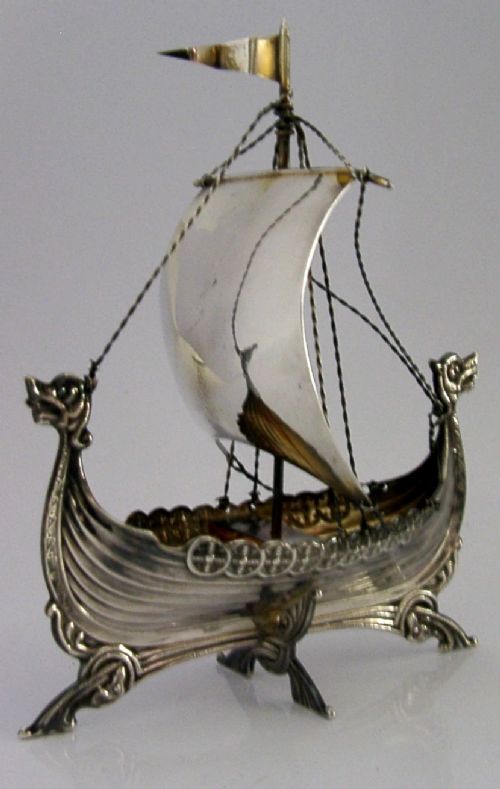
The pieces on this page span several centuries and styles, ranging from early eighteenth-century examples to mid-twentieth-century designs. Victorian and Edwardian pieces feature prominently, alongside specific revivals like Dutch Baroque and Viking Revival styles.
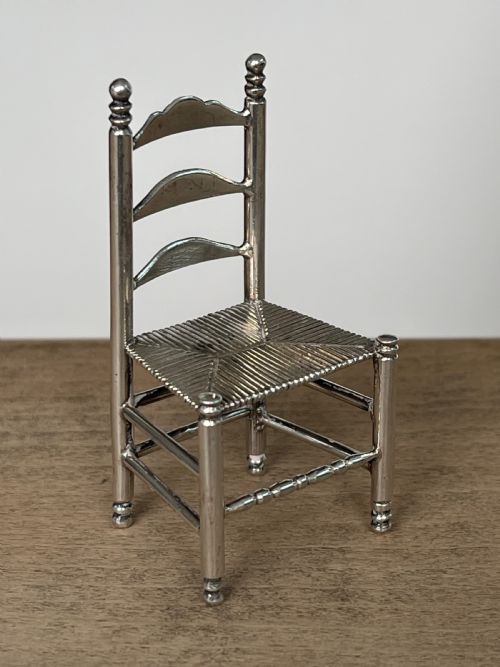
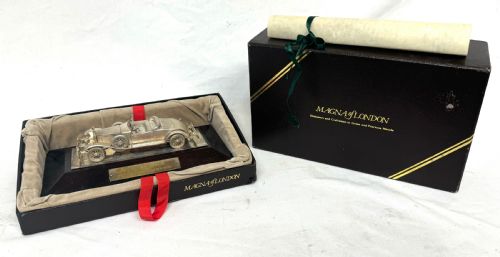
Forms include miniature chairs, carriage clocks, sedan chairs, teapots and sculptural models such as boats and cars. These small works demonstrate the high skill of silversmiths working on a microscopic scale.
How they were made
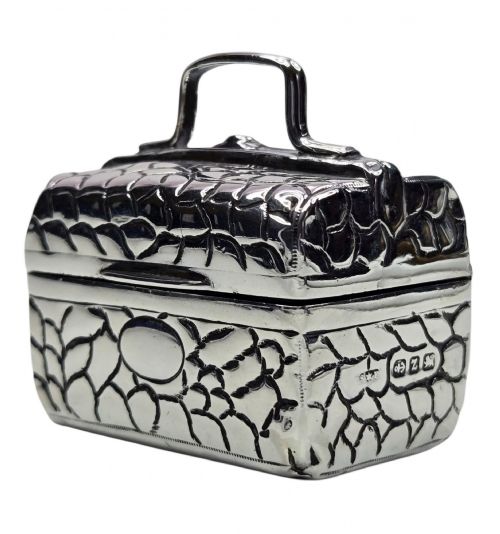
The primary material used is sterling silver or solid silver, sometimes combined with secondary elements such as wood, velvet, glass, enamel or gold gilt to add texture and colour. Silversmiths employed techniques including casting, hammering and repoussé to shape the metal.
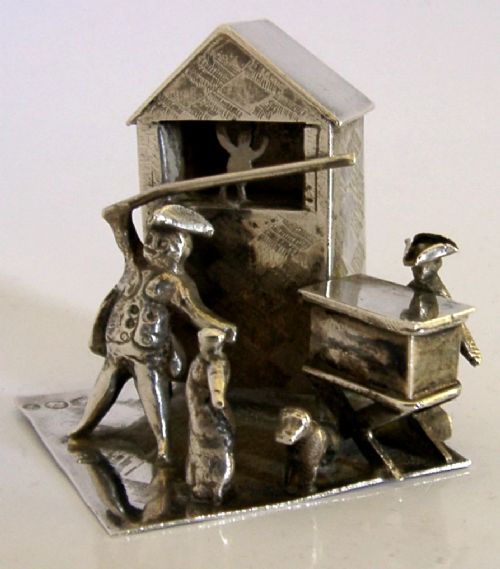
Detailed components were often hand-formed and soldered together, particularly on complex models such as Dutch furniture, carriages and figurative scenes like Punch and Judy shows. Enamelling and gilding provided decorative contrast on specific Arts and Crafts or Edwardian items.
Materials recorded across the inventory include sterling silver, solid silver, enamel, glass, wood, velvet and gold gilt.
What varies in quality
The quality of solid silver miniatures rests upon the crispness of detail and the finesse of the maker's hand when executing tiny proportions. Superior pieces retain sharp chasing, well-defined facial expressions on figures and mechanically sound components like opening doors or functioning clock movements.
The presence of hallmarks, association with notable makers and the complexity of the subject matter elevate specific examples above standard production pieces. Materials integrated into the design, such as vibrant enamel or fitted wooden plinths, also influence the overall character of the work.
Sampson Mordan·Liberty's London
The Solid Silver Miniatures Glossary
- Sterling silver
- A silver alloy containing substantial pure silver combined with other metals to ensure durability while maintaining a bright lustre. This standard is frequently marked on British pieces.
- Repoussé
- A metalworking technique where the smith hammers the silver from the reverse side to form a raised design in relief. It is common on decorative panels and vessels.
- Pin cushion
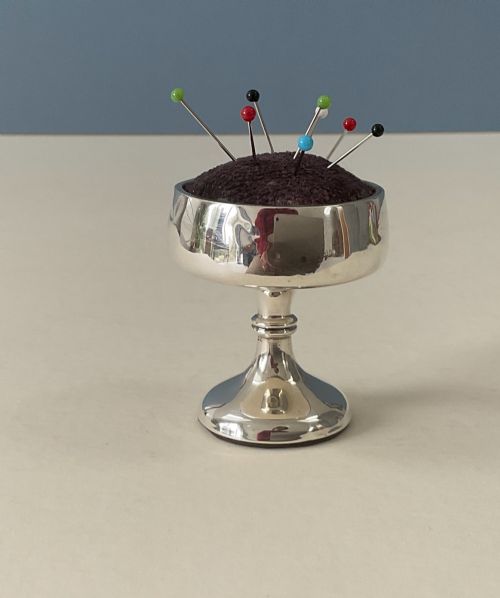
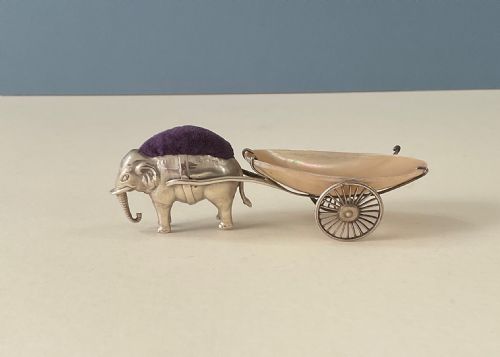
- A small novelty object incorporating a padded insert, often covered in velvet, designed to hold sewing pins. These items frequently take whimsical shapes such as goblets or animals.
- Hallmark
- A series of official stamps applied to precious metal items indicating the purity, maker and assay office. These marks assist in dating and attributing the piece.
- Chasing
- The complementary process to repoussé, where tools are used on the front side of the metal to refine details and sharpen lines. This creates the fine textures visible on miniature furniture and figures.
Solid Silver Miniatures: Frequently Asked Questions
What were solid silver miniatures used for?
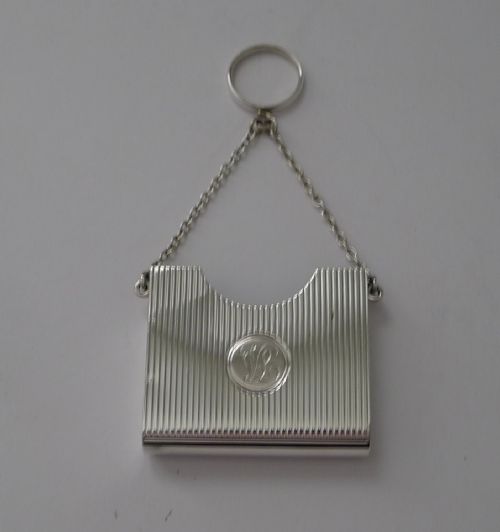
These small objects served primarily as decorative ornaments, cabinet pieces or playful novelties for affluent homes. Many functioned as desk accessories, chatelaine attachments or specialised containers.
Some pieces, such as miniature chairs or tea sets, were created for doll's houses or cabinet displays. Others served as presentation pieces or specialised pin cushions for sewing tables.
How do I date a silver miniature?
Dating relies heavily on identifying official hallmarks stamped onto the silver surface, which indicate the assay office and year of production. Stylistic clues, such as Edwardian or Victorian design motifs, also provide a general chronological framework.
Maker's marks help narrow down the period of manufacture by linking the piece to a specific active workshop or silversmith. Comparing construction techniques with dated examples offers further confirmation.
Are these miniatures made entirely of silver?
While the main body and structural elements consist of solid silver or sterling silver, many examples incorporate secondary materials. Common additions include glass liners, wooden bases, velvet upholstery and enamel detailing.
Gilding or gold wash is also found on the interior surfaces of certain miniature vessels and presentation pieces. Hallmarks generally apply to the silver components.
How should I clean silver miniatures?
Cleaning requires great care due to the delicate nature and tiny soldered joints of these small objects. Gentle dusting with a soft brush is often sufficient for maintaining the surface.
Harsh abrasive polishes should be avoided, particularly on pieces with enamel, gilding or velvet inserts. Professional advice is recommended if a piece requires deeper cleaning.