



German Silver Figurines
These german silver figurines are characterful continental metalwork table ornaments and miniatures that bring exceptional craftsmanship to any cabinet.
German Silver Figurines
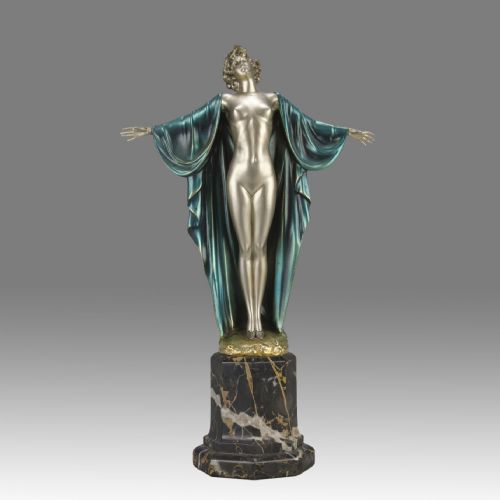
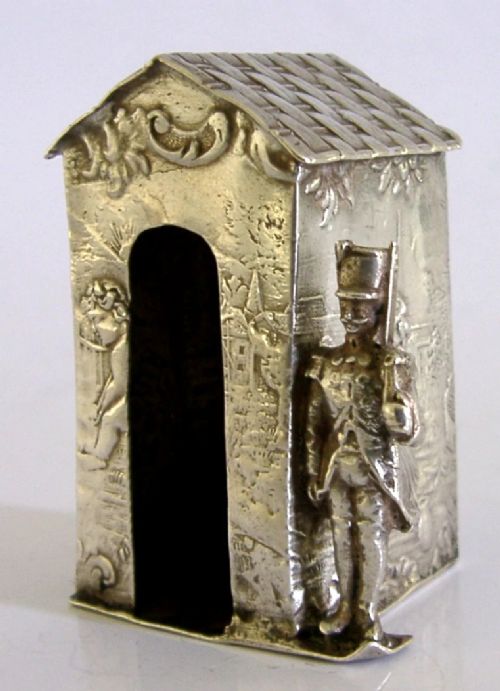
When you search for german silver figurines, you encounter a selection of continental table ornaments, miniatures, and animal sculptures dating from the Victorian and Edwardian eras through to the Art Deco period. These pieces span various forms, including fighting cockerels, sentry post soldiers, musician table figures, and sugar boxes.
The versions most frequently met on this page originate from around nineteen hundred, alongside items from the nineteen twenties and nineteen thirties. They encompass traditional Continental styles, German historicism, and revivalist designs.
Makers and silversmiths of this period produced both standalone animal figures and complex sculptural groups utilising precious and base metals. The objects range from functional trinket dishes to purely decorative cabinet sculptures.
Materials and construction
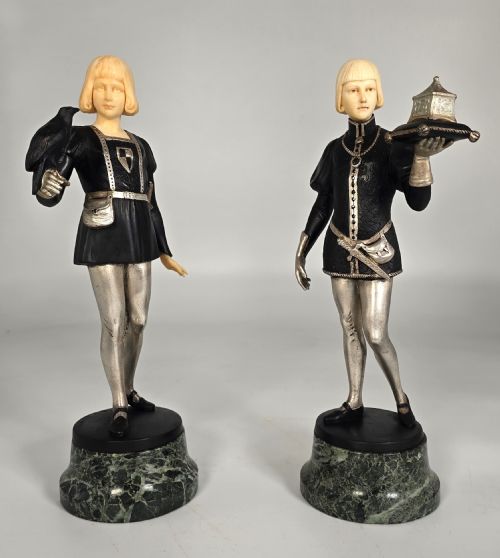
Silversmiths and metalworkers utilised sterling silver, Hanau silver, and silver plate, frequently combining them with bronze, marble, ivory, and enamel. Cold painting techniques were also applied to bronze surfaces to achieve realistic coloration on figures.
Many of these works employ traditional casting and chased detailing, particularly in the production of Hanau miniatures and sculptural table ornaments. Artisans assembled multi-part compositions, such as standing cockerels and soldier guards, with careful attention to surface texture.
Listings feature works spanning the Victorian, Edwardian, Art Nouveau, and Art Deco periods, created in sterling silver, bronze, ivory, and enamel.
Evaluating the work
Quality rests upon the crispness of the chasing and the fidelity of the casting, where sharper detail in plumage, facial expressions, and uniforms separates superior pieces from simpler productions. The weight of the metal and the integrity of any applied enamel or cold paint finish heavily influence the overall standard.
The reputation of the workshop or silversmith also dictates standing, with documented makers commanding greater interest through their mastery of form and finish. Additionally, the complexity of the composition, such as multi-figure groups or articulated elements, determines the sophistication of the object.
Ferdinand Preiss·WMF·Gotthilf Jaeger
The German Silver Figurines Glossary
- Hanau silver
- Silverware produced in the German town of Hanau, often copying historical styles and bearing pseudo-hallmarks that mimic older European silver standards. These items date predominantly from the late nineteenth and early twentieth centuries.
- Cold painted
- A method where enamel or oil paint is applied to metal without subsequent firing in a kiln. This technique appeared frequently on bronze and silver animal figures of the early twentieth century.
- Sterling silver
- An alloy consisting of ninety-two point five percent silver by mass and seven point five percent other metals, usually copper. It serves as the primary standard for durable decorative silver objects.
- Chasing
- A metalsmithing technique where the artisan punches and hammers metal from the front to sink the surface and create raised decorative relief. It defines the fine feather and clothing details on these sculptures.
- Table ornament
- A decorative object designed to sit on a dining table, sideboard, or mantelpiece rather than serve a practical daily function. These include animal statues, miniature soldiers, and figural goblets.
German Silver Figurines: Frequently Asked Questions
How were these figures used?
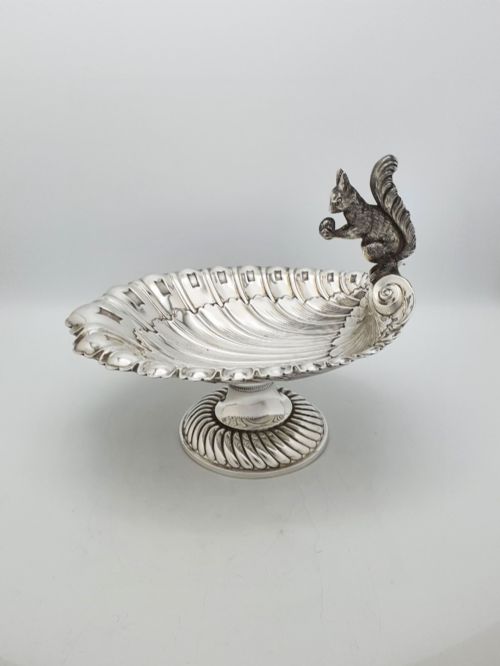
Original owners placed these silver and bronze figures on dining tables, sideboards, and desks as decorative conversation pieces. Some items, such as the sugar boxes and nut dishes, combined sculptural form with practical utility.
Miniatures and toy soldiers were often displayed within cabinet collections or used to adorn formal table settings during the Edwardian period.
What is Hanau silver?
Hanau silver refers to decorative silverware and figures manufactured in the German town of Hanau by various workshops during the late Victorian and Edwardian periods. These silversmiths specialised in creating revivalist pieces that drew inspiration from seventeenth and eighteenth-century designs.
Items from this centre often feature pseudo-marks intended to evoke historic hallmarks rather than deceive modern buyers about their actual manufacturing date.
How do I care for silver figures?
Preserving these objects requires gentle dusting with a soft, dry cloth to prevent the accumulation of grit in intricate chased details. Avoid harsh chemical dips, particularly on pieces with cold-painted surfaces or ivory attachments.
Keep the items in stable environmental conditions away from direct sunlight and excessive moisture to protect delicate enamel, paint, and mixed media elements.