




Solid Silver Creamer
A solid silver creamer brings substance to the table, and these pieces span Georgian craftsmanship to twentieth-century novelty forms.
What these pieces are
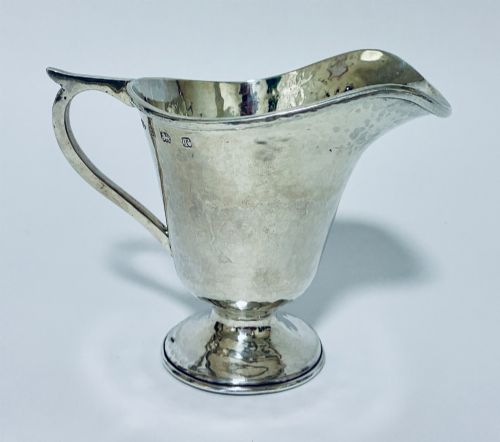
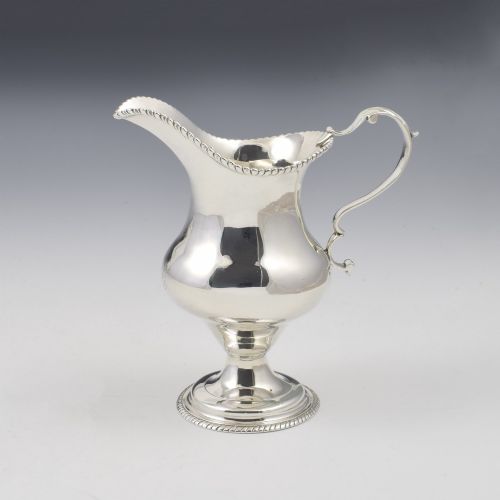
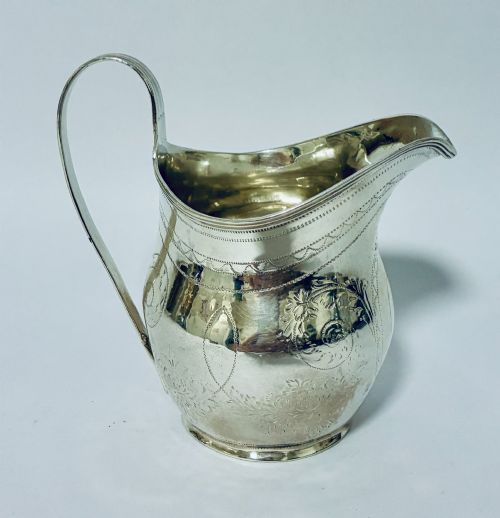
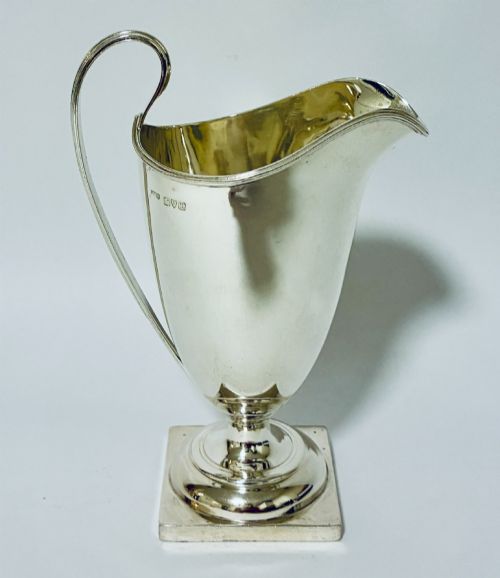
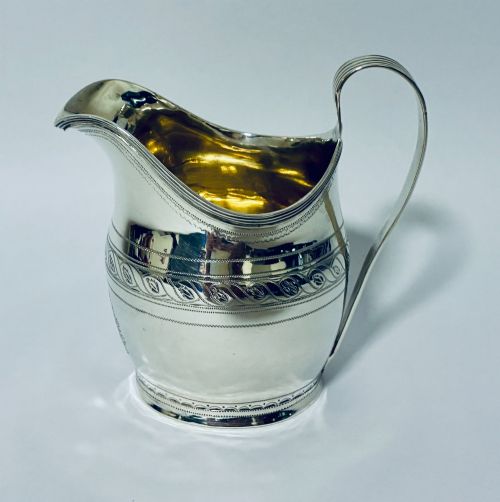
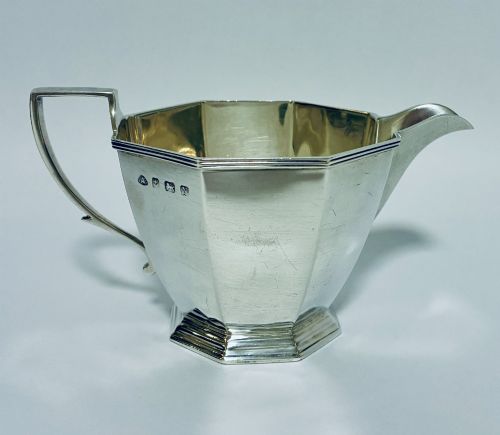
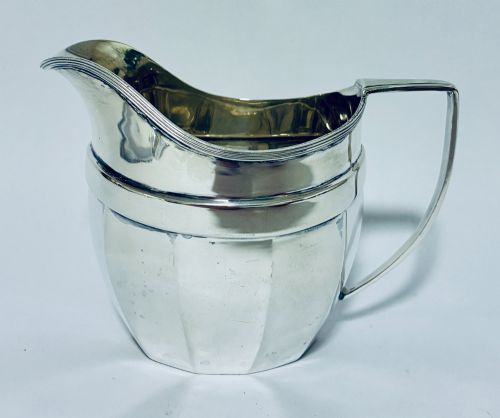
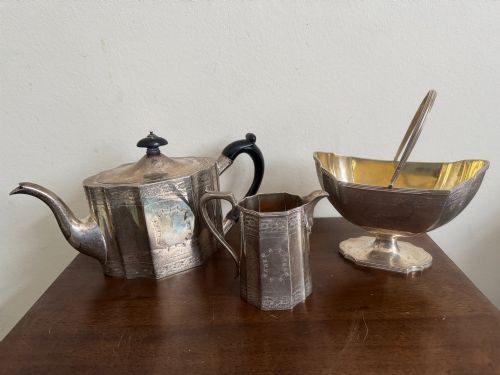
When you search for a solid silver creamer, you are looking at small vessels designed to hold milk or cream for tea service. The selection ranges from eighteenth-century Georgian jugs originating in Newcastle and Ireland to Victorian pedestal designs and later Art Deco examples.
You are most likely to meet traditional cream jugs alongside novelty animal forms such as cow creamers. These pieces originate from British provincial and London makers, as well as continental workshops.
The forms shift from classical pedestal bodies to figural animals with hinged lids. Each piece reflects the dining habits and silversmithing standards of its specific period.
How they were made
These items are fashioned entirely from sterling silver, utilising traditional smithing and casting techniques. Silversmiths raised bodies from flat sheets of metal or cast figural shapes in multiple sections.
Retail Price Guide 2026
Typical UK retail prices for solid silver creamer, calculated from the Sellingantiques database of over a million retail prices indexed since 2003. This retail price guide relies exclusively on Sellingantiques data; no external sources or auction records are used, so the figures do not describe the wider market.
The inventory records sterling silver creamers spanning the Georgian era, the Victorian period, and nineteen thirty.
What varies in quality
Quality rests in the crispness of the chased detail and the weight of the silver used in construction. Better examples retain sharp hallmarks and balanced proportions without distortion from over-polishing.
Novelty pieces depend on the naturalism of the modelling and the precise fit of the hinged lid on the back. Simpler jugs rely on the elegance of the handle curve and the stability of the base.
Stalker and Mitchison
The Solid Silver Creamer Glossary
- Sterling silver
- A silver alloy containing 92.5 percent pure silver by mass, providing the standard material for these creamers.
- Hallmark
- A series of official marks stamped on precious metals by an assay office to show purity, origin, and year.
- Pedestal
- A raised base or foot supporting the main body of a jug, common in Victorian designs.
- Chasing
- A metalsmithing technique where the silver is hammered from the front to create raised surface decoration.
- Cow creamer
- A novelty vessel shaped like a cow with a lid on its back for pouring milk.
Frequently Asked Questions
What is a solid silver creamer used for?
These vessels were made to hold cream or milk for addition to tea or coffee. They sat upon formal dining tables alongside teapots and sugar bowls.
Over time, many served decorative roles in display cabinets as well as functional ones during afternoon tea.
How do I identify a Georgian creamer?
Georgian pieces often feature hand-chased floral motifs, helmet bodies, or distinct regional provincial hallmarks from makers in Newcastle or Ireland. The silver gauge tends to feel substantial and relies on classical proportions.
Examining the punch marks for the lion passant and date letters confirms the exact decade of manufacture.
Are cow creamers genuine antiques?
Many cow creamers date from the late nineteenth and early twentieth centuries, particularly from continental workshops in Hanau. They were modelled after earlier Georgian prototypes.
The presence of proper import marks or foreign standard stamps helps date these figural pieces accurately.
How should I clean sterling silver creamers?
Maintain the surface using a soft cloth and a reputable silver polish formulated to remove tarnish gently. Avoid abrasive brushes that can wear down crisp hallmarks or delicate chased details.
Frequent light cleaning preserves the natural patina accumulated over decades of use.