
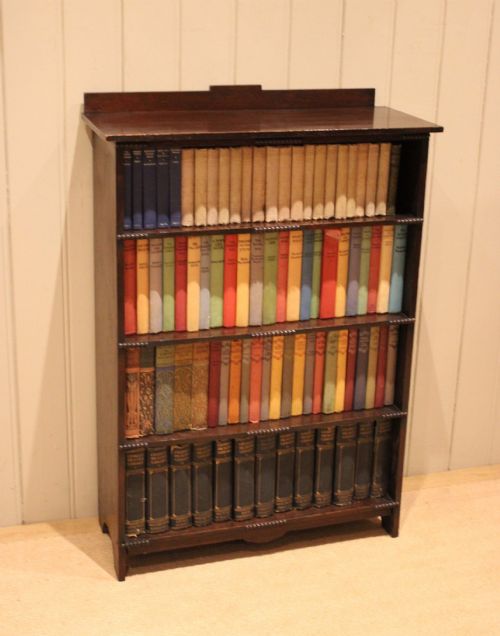
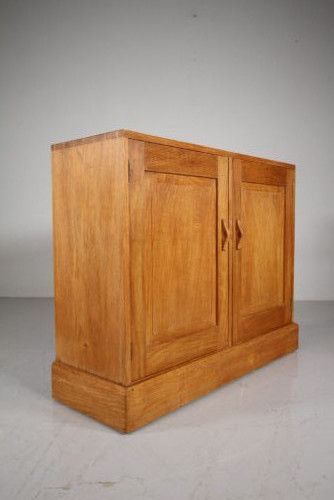
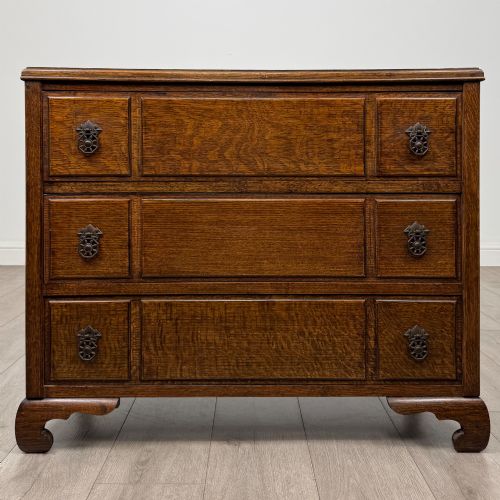
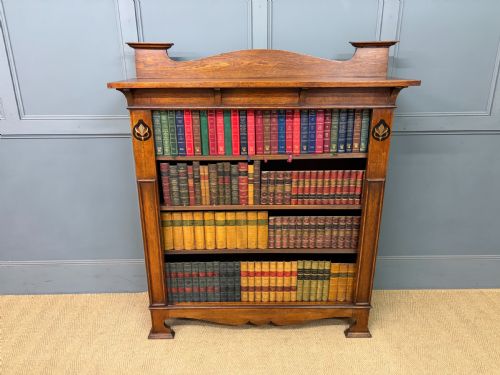


Solid Oak Storage Cabinet
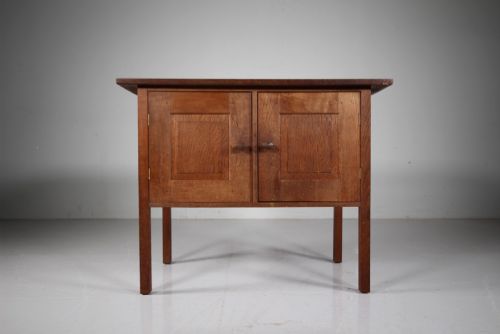
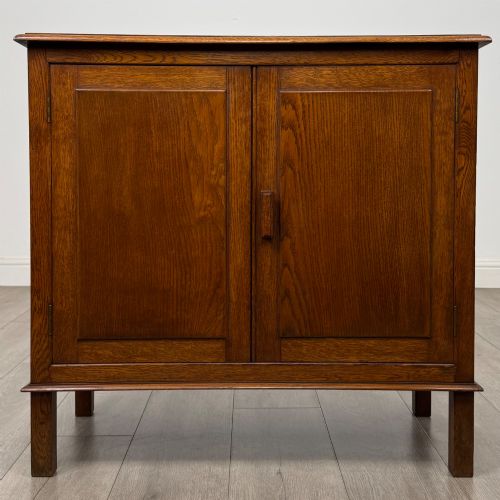
A solid oak storage cabinet delivers dependable utility through sturdy construction, spanning robust Georgian floor-standing cupboards to refined early twentieth-century Arts and Crafts examples.
Solid Oak Storage Cabinet
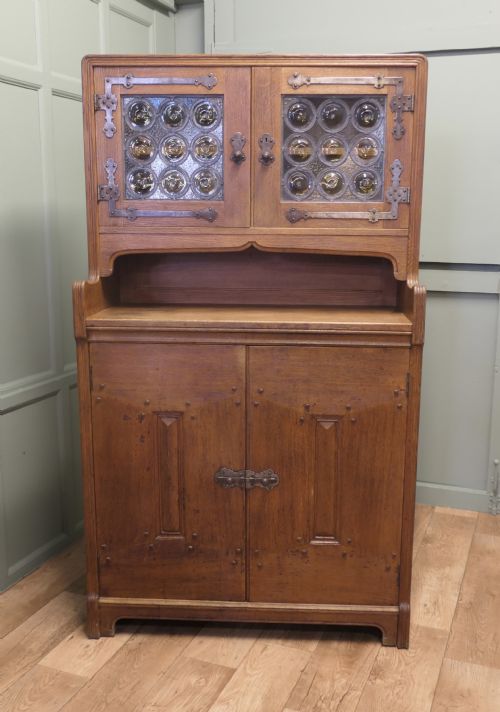
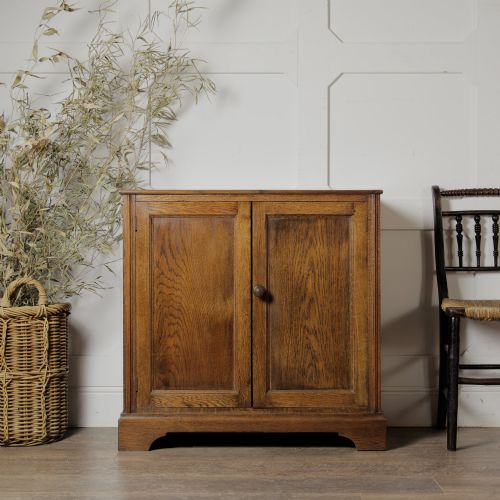
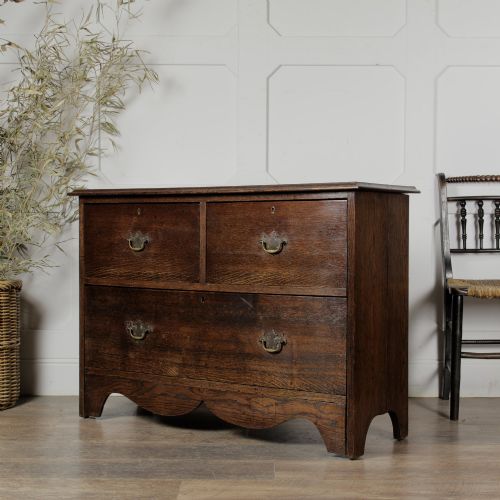
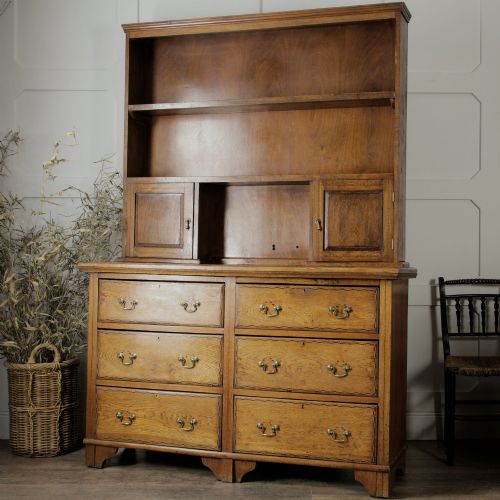
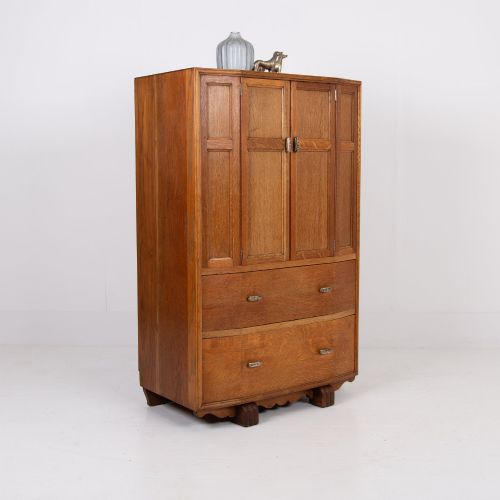
A solid oak storage cabinet encompasses functional furniture designed to hold books, household linen, or tableware, drawing on centuries of domestic carpentry traditions. When searching for a solid oak storage cabinet, buyers encounter diverse forms ranging from eighteenth-century provincial cupboards and Georgian estate presses to early twentieth-century filing cabinets and sideboards.
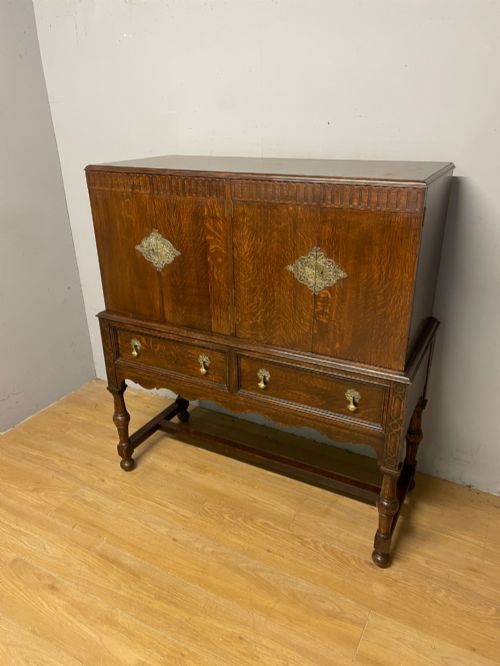
The selection here draws primarily from nineteenth- and twentieth-century workshops, alongside earlier Georgian and eighteenth-century origins. Pieces frequently manifest distinct regional characteristics, spanning Cotswold School ideals, Jacobean revival motifs, and straightforward Arts and Crafts utility.
How they were made
Makers utilised solid timber - predominantly oak, sometimes designated as dark oak or honey oak - paired with brass, iron, or metal hardware for hinges, handles, and locks. Structural integrity relied on traditional joinery, heavy planking, and occasionally beaded edges or carved ornamentation.
Surfaces demonstrate varying degrees of hand-working, from plain utilitarian planes to elaborately carved panels, open shelving, and glazed doors. Internal configurations incorporate fitted drawers, adjustable shelves, or specialised compartments suited for music filing and household storage.
An eighteenth-century close stool reminds us that historical storage sometimes concealed very personal domestic necessities.
What varies in quality
The calibre of a piece rests upon the selection of the timber grain, the heft of the solid oak construction, and the crispness of any carved detailing or applied mouldings. Simpler provincial cupboards rely on honest utility, whilst works associated with specific movements like the Cotswold School exhibit elevated standards of proportion and joinery.
Hardware integration and internal arrangement also distinguish standard utility pieces from exceptional commissions. Original brass fittings, well-fitted drawers, and intact stamped signatures or maker attributions elevate the standing of a cabinet within its period.
Peter Waals
The Solid Oak Storage Cabinet Glossary
- Solid oak
- Timber derived entirely from the oak tree, utilised without veneering to ensure lasting structural strength. This material forms the primary substance of the cabinets listed on this page.
- Side cabinet
- A low storage item intended to stand against a wall in a dining room or hallway. These pieces often feature doors concealing internal shelving or drawers.
- Filing cabinet
- A specialised storage unit fitted with internal mechanisms or drawers designed for document organisation. Early twentieth-century examples frequently employ oak construction for office utility.
- Cotswold School
- An early twentieth-century design movement emphasising simple, honest construction and traditional craftsmanship. Pieces from this tradition prioritize exposed joinery and high-grade solid timber.
- Jacobean Revival
- A nineteenth- and twentieth-century style imitating seventeenth-century British furniture. Cabinets in this manner display deep geometric mouldings, turned supports, and heavy proportions.
Solid Oak Storage Cabinet: Frequently Asked Questions
What rooms suit a solid oak storage cabinet?
These cabinets adapt easily to living rooms, hallways, and dining spaces where substantial storage is required. Their timber tones complement both traditional interiors and modern settings.
Smaller variants function well as bedside units or side tables, whilst taller bookcases and cupboards anchor larger walls.
How do I identify a Georgian oak cupboard?
Georgian pieces generally exhibit heavier proportions, panelled doors, and period brass H-hinges or escutcheons. The timber often shows deep patination developed over centuries of use.
Construction details such as hand-cut dovetails in the drawers help distinguish eighteenth-century work from later revival pieces.
Are shelves adjustable in these cabinets?
Many bookcases and storage units feature adjustable shelving to accommodate varying heights of books or objects. This adaptability made them practical for domestic and estate use.
Fixed shelves remain more common in earlier provincial cupboards and hanging corner cabinets.
What is an Arts and Crafts storage cabinet?
Arts and Crafts pieces emphasise sturdy construction, visible joinery, and minimal ornament over mass-produced decoration. They celebrate the natural grain of the oak.
Such cabinets often feature hammered copper or brass handles and straightforward rectilinear proportions.