



Solid Oak Linen Cupboard
These solid oak linen cupboards range from early country presses to fitted Edwardian wardrobes, offering honest timber storage for modern interiors.
Solid Oak Linen Cupboard
A solid oak linen cupboard provides substantial timber storage, appearing in forms from Georgian presses to Edwardian wardrobes and Arts and Crafts cabinets. When searching for a solid oak linen cupboard, buyers encounter sturdy pieces built to hold household textiles and garments over generations.
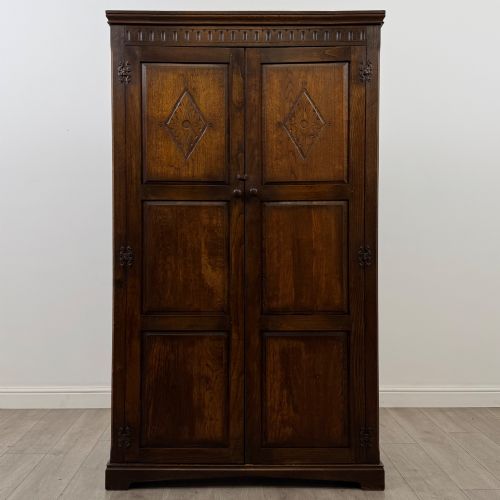
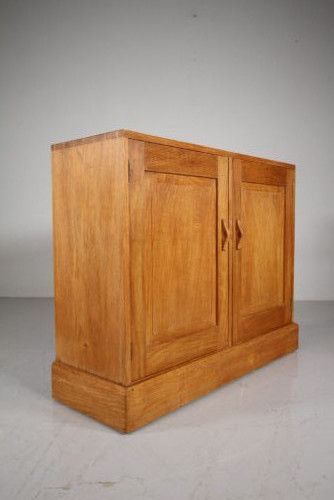
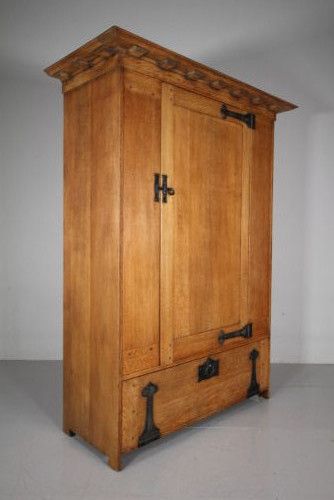
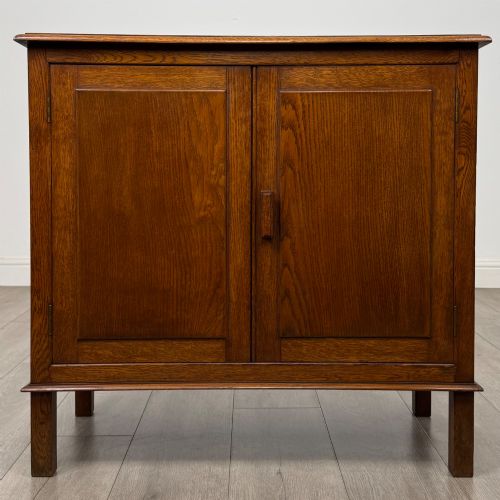
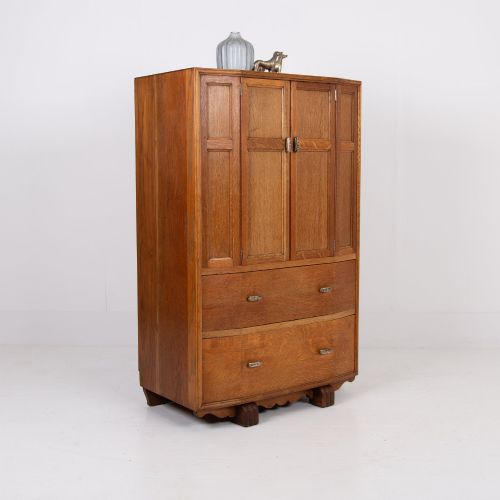
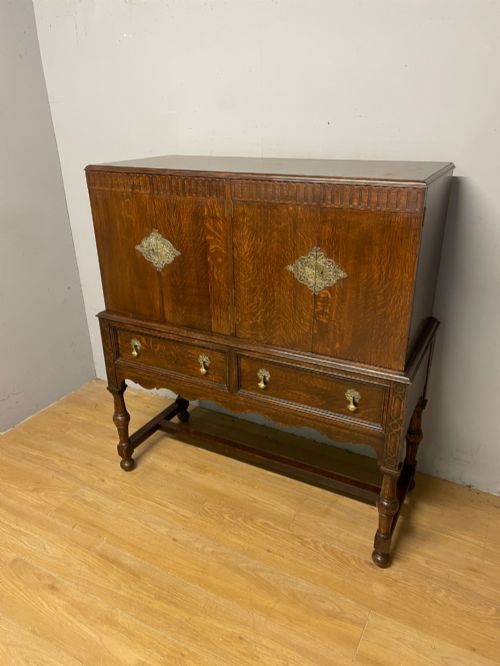
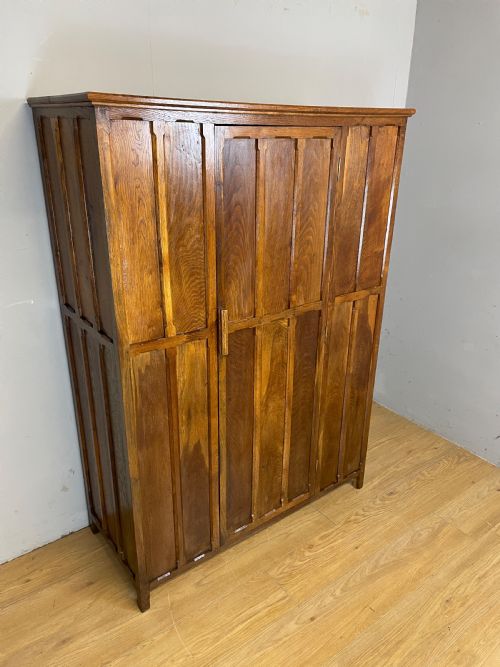
The selection on this page spans several centuries, notably featuring Georgian estate cupboards, 1930s Cotswold School pieces, and 1920s hall robes with linen fold details. These variations reflect the changing domestic requirements for linen storage across the eighteenth, nineteenth, and twentieth centuries.
Materials and construction methods
Makers utilised English oak, often worked as solid timber for carcases, panels, and doors, combined with brass or iron hardware such as hinges and handles. The structural reliance on solid oak gives these cupboards their characteristic weight and durability.
Techniques range from hand-carved panels and traditional joinery found in early pieces to the refined vernacular of the Cotswold School and the distinctive linen fold carvings seen on twentieth-century hall robes and corner cupboards.
Several pieces feature carved linen fold panels, ensuring the fabric theme continues into the timber itself.
Assessing quality in oak cabinetry
Quality rests upon the selection of the timber and the integrity of the joinery, distinguishing utilitarian kitchen cupboards from architecturally ambitious Georgian press cupboards and workshop-attributed furniture. Grain selection and the crispness of carved details indicate the maker's hand.
Internal configuration and original hardware contribute to a piece's standing, separating standard production wardrobes from stamped workshop pieces or bespoke estate furniture.
Heals·Maple & Co
The Solid Oak Linen Cupboard Glossary
- Linen press
- A tall cupboard traditionally used for storing pressed linen and garments on sliding trays or shelves.
- Linen fold
- A carved wooden panel motif resembling folded cloth, frequently utilised on twentieth-century panels and doors.
- Cotswold School
- An influential twentieth-century woodworking movement focused on honest construction and traditional craft methods.
- Tallboy
- A tall storage cabinet combining wardrobe or cupboard space with configuration drawers.
- Jacobean Revival
- A style popular in the early twentieth century mimicking seventeenth-century carved ornamentation and dark oak finishes.
Solid Oak Linen Cupboard: Frequently Asked Questions
What is a linen press?
A linen press is a traditional tall storage unit, typically featuring upper cupboard doors enclosing shelves or sliding trays above a base of drawers. They were designed to keep household textiles flat and clean.
Over time, many of these pieces have been adapted for modern clothing storage by removing internal trays to hang garments while retaining their external proportions.
How do I care for solid oak?
Solid oak benefits from a stable indoor environment away from direct heat sources and strong sunlight, which can dry out the timber. Regular dusting with a dry cloth maintains the surface.
Applying a traditional beeswax polish occasionally helps nourish the wood and preserves the natural lustre of the finish without sealing the grain.
Are these cupboards easy to move?
Solid oak furniture is exceptionally heavy due to the dense timber used in its construction. Most larger wardrobes and press cupboards are built as single heavy carcases or two-part modular units.
Disassembly is rarely possible on older pieces, so careful measurement of doorways and stairwells is essential before attempting placement in a room.
How do I date an oak cupboard?
Dating relies on observing construction methods, hardware types, and stylistic indicators such as carved panels or proportions. Georgian pieces often show hand-planed surfaces and pegged joints, whereas twentieth-century examples display machine-cut elements or movement-specific details.
Comparing the timber patination and internal fixtures provides further clues to the era of manufacture.