

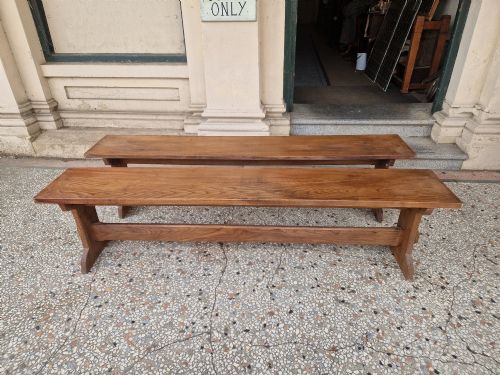

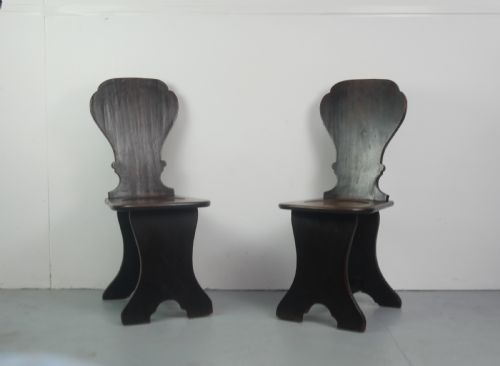
Solid Oak Hall Seat
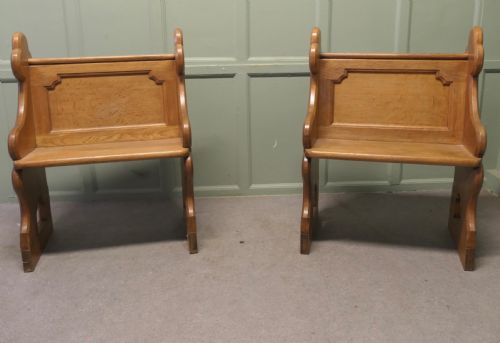
A solid oak hall seat sets a firm architectural tone in an entrance, offering heavy timber construction designed for practical daily use.
Solid Oak Hall Seat
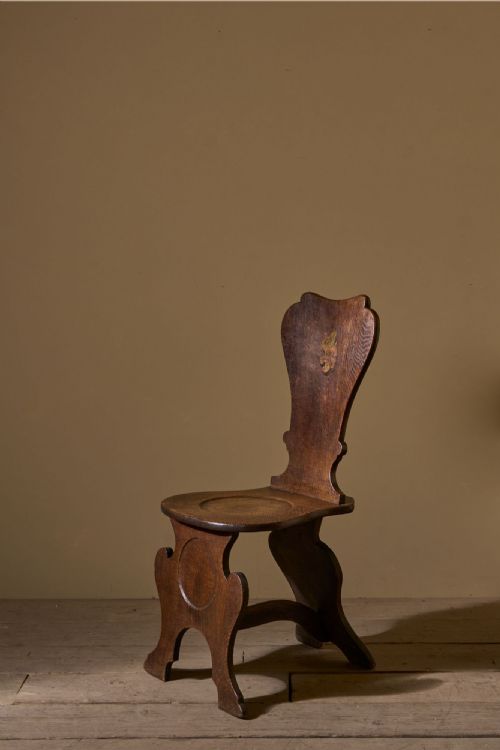
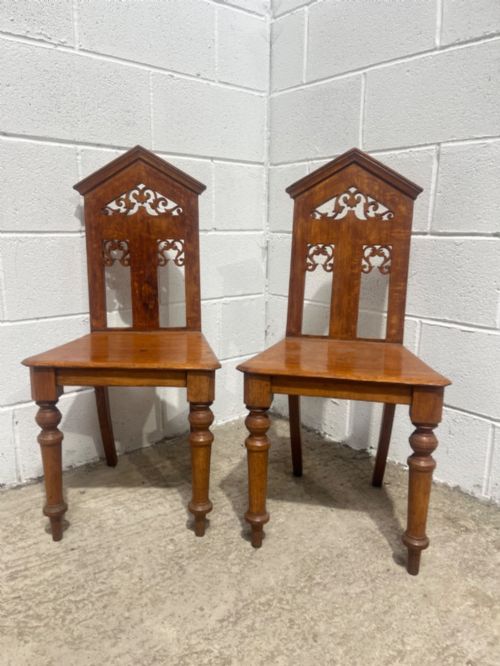
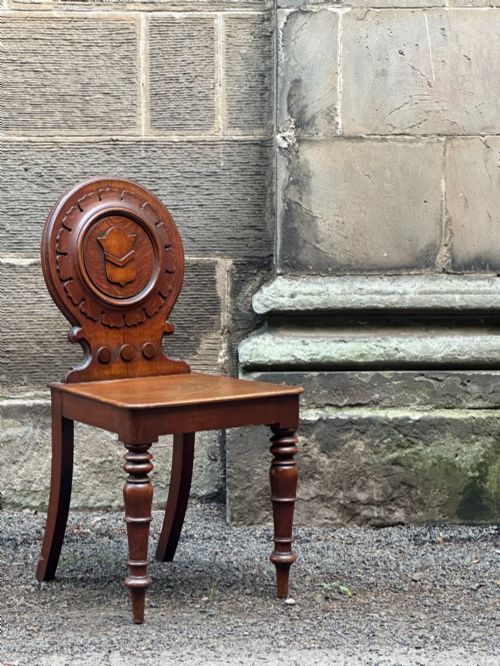
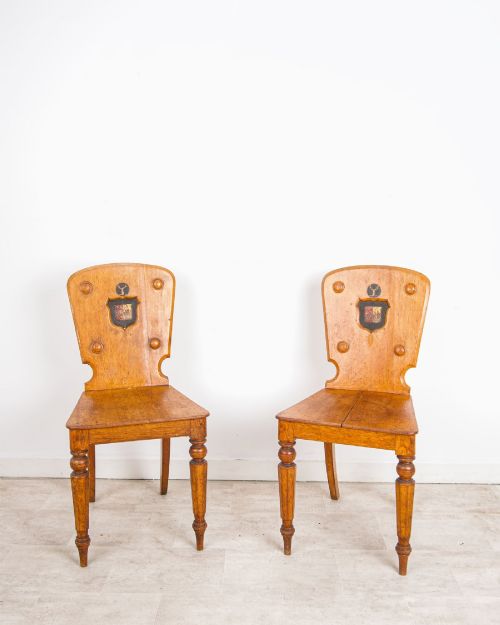
A solid oak hall seat is a heavy timber furnishing built for an entranceway, corridor, or reception space. The pieces appearing here span the eighteenth, nineteenth, and early twentieth centuries, drawing on Victorian, Edwardian, Arts and Crafts, and Gothic Revival styles.
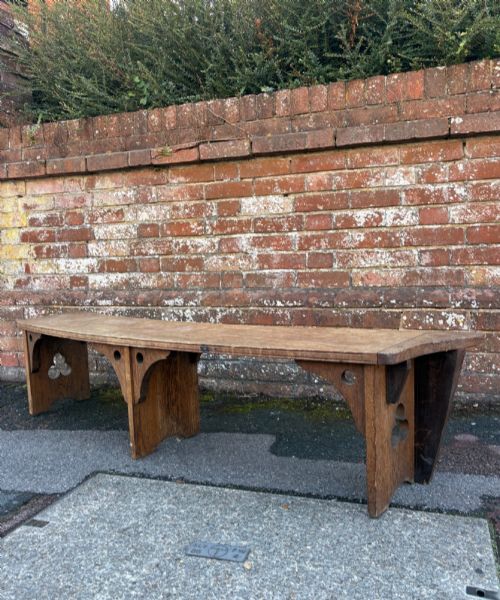
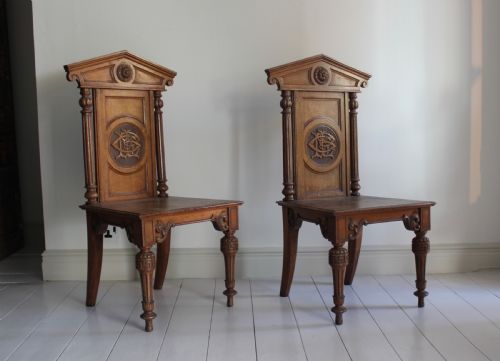
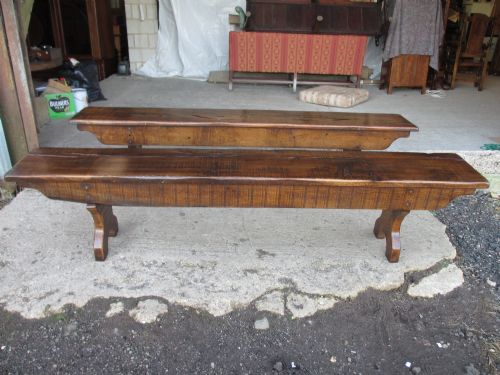
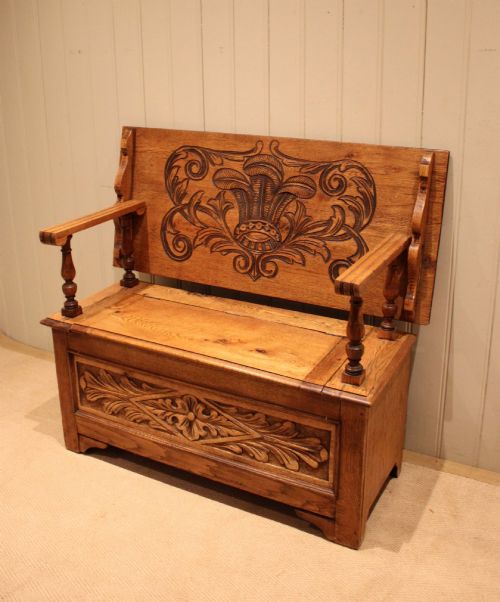
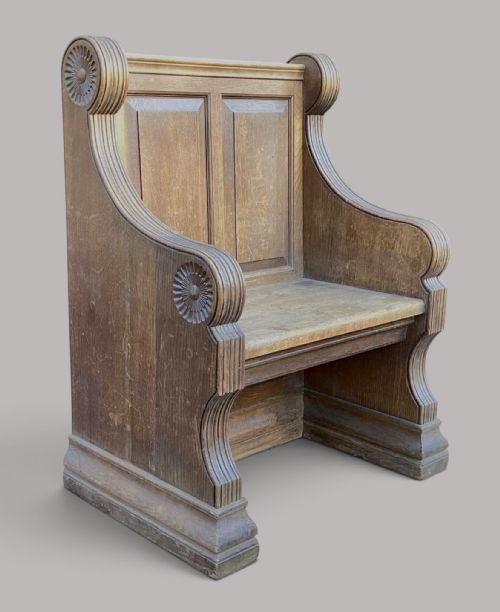
Buyers meet various forms ranging from single hall chairs and armchairs to narrow benches, monks benches, and architectural settles. Many examples incorporate high panelled backs, shaped trestle ends, or integrated storage compartments beneath the hinged seat.
Origins include English and Scottish workshops, utilising robust native timbers. These seating items served practical daily functions in large houses, churches, and civic spaces before entering the antique market.
How they were made
Cabinetmakers constructed these seats using thick planks of solid oak, occasionally combining elm or mahogany for specific structural components. Workshops employed traditional joinery methods such as mortise and tenon joints to withstand the heavy wear expected in entrance halls.
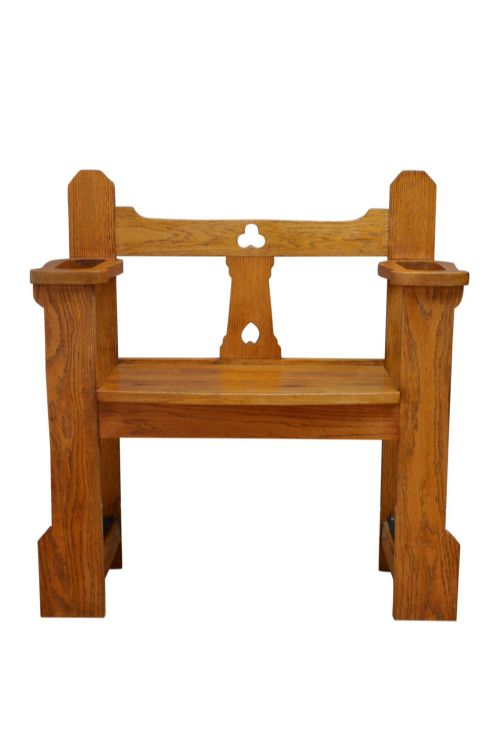
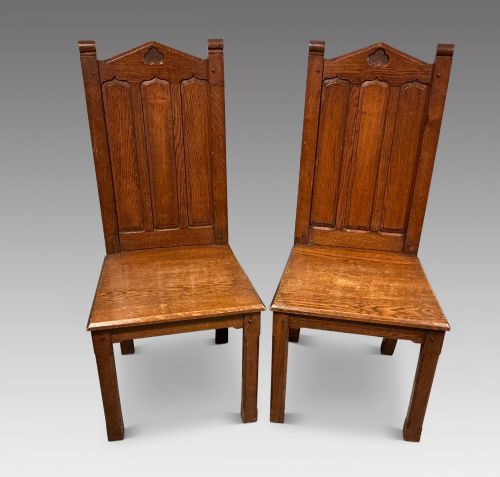
Carving, panelling, and turning shaped the timber into architectural forms, featuring trefoil supports, linenfold details, or heraldic shield backs. Metal elements like brass fixings and hinges reinforced structural points while leather or fabric upholstery appeared on specific chair variations.
Some hall seats included built-in drip trays underneath integrated stick stands to catch muddy rainwater from Victorian walking canes.
What varies in quality
Quality rests in the architectural ambition of the design and the integrity of the timber selection. Heavy golden oak with deep, crisp hand-carving and balanced proportions represents superior craftsmanship compared to simpler, later production pieces.
The Solid Oak Hall Seat Glossary
- Sgabello
- A light, portable wooden chair originating during the Italian Renaissance, often featuring trestle supports and an octagonal seat. These sixteenth-century inspired forms influenced later Victorian hall seating.
- Wainscot chair
- An early wooden armchair constructed primarily with panelled backboards and turned legs. They appeared frequently in seventeenth-century domestic interiors.
- Monks bench
- A convertible piece of furniture featuring a hinged top that folds down to form a table or lifts up to create a bench with a high back. They provide dual utility in narrow spaces.
- Trestle ends
- Upright structural supports connected by a horizontal stretcher rather than four distinct legs. They distribute weight evenly across heavy benches and long seats.
- Trefoil
- A graphic ornamentation composed of three overlapping rings or rounded lobes, commonly found in Gothic Revival tracery and carved woodwork.
Solid Oak Hall Seat: Frequently Asked Questions
Where should I place a solid oak hall seat?
These pieces suit entrance halls, wide corridors, and boot rooms where their heavy timber construction handles daily foot traffic. Their narrow proportions allow them to sit flush against walls without obstructing passage.
They also function effectively in reception rooms or large landings, providing both a firm seat and a strong architectural anchor for the surrounding space.
How do I care for solid oak furniture?
Keep wooden seats away from direct heat sources and rapid temperature fluctuations to prevent the oak planks from splitting. Apply natural beeswax periodically to nourish the grain and maintain the surface sheen.
Avoid using harsh chemical polishes or excessive moisture during routine cleaning. A soft, dry cloth removes dust safely while preserving the historic patination.
What is the difference between a hall bench and a monks bench?
A hall bench serves exclusively as a seating unit, often featuring an open back, carved armrests, or an integrated umbrella and stick stand. They prioritize rigid support and decorative presence in an entrance.
A monks bench includes a movable backrest or a hinged top that transforms the seating unit into a flat table surface. This dual-purpose design responds to historical needs for multi-functional furniture in smaller rooms.
How do I distinguish Gothic Revival from Arts and Crafts styles?
Gothic Revival pieces borrow heavily from medieval architecture, displaying pointed arches, trefoil cutouts, heavy linenfold panelling, and dramatic vertical proportions. They project a formal, ecclesiastical severity.
Arts and Crafts examples focus instead on visible construction methods, honest materials, and simpler handcrafted surfaces. They often feature clean geometric lines with minimal, purposeful ornamentation.