
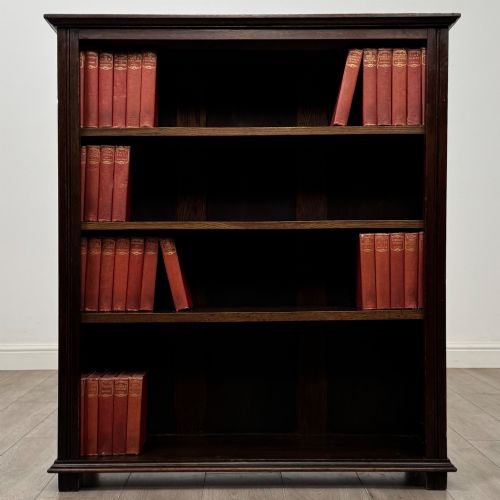
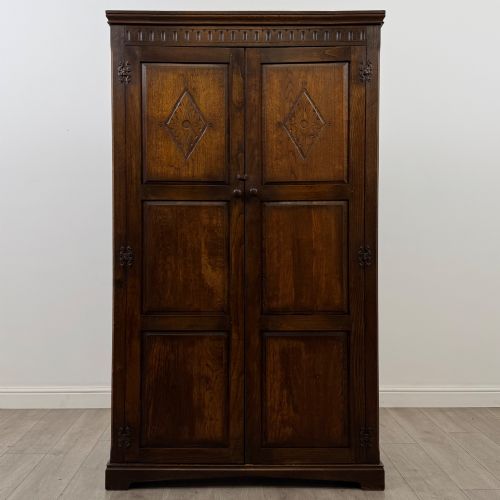
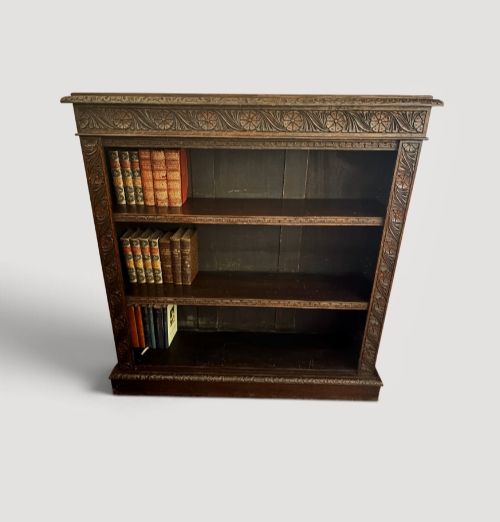
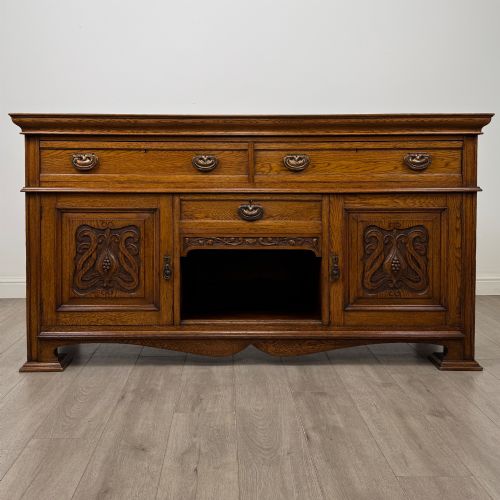
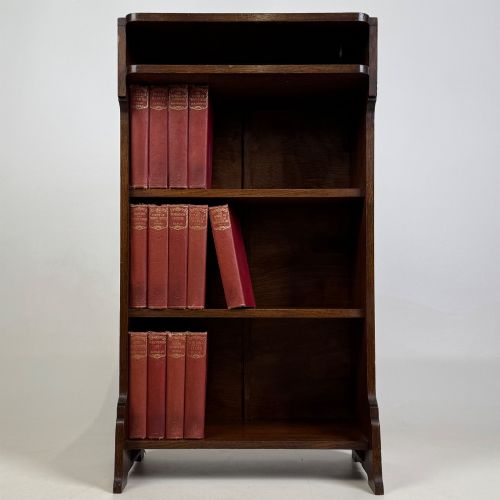
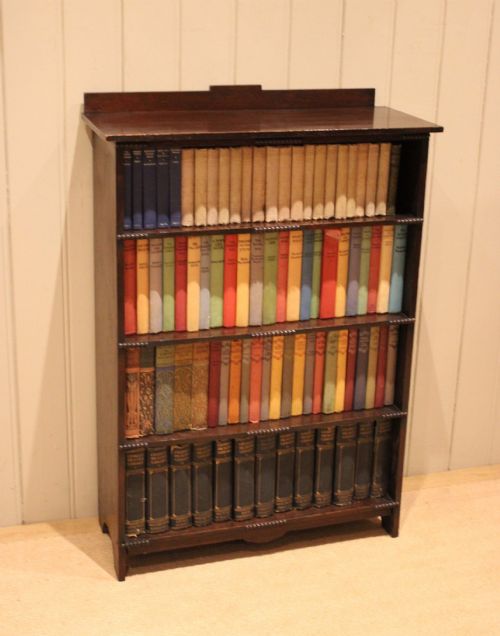
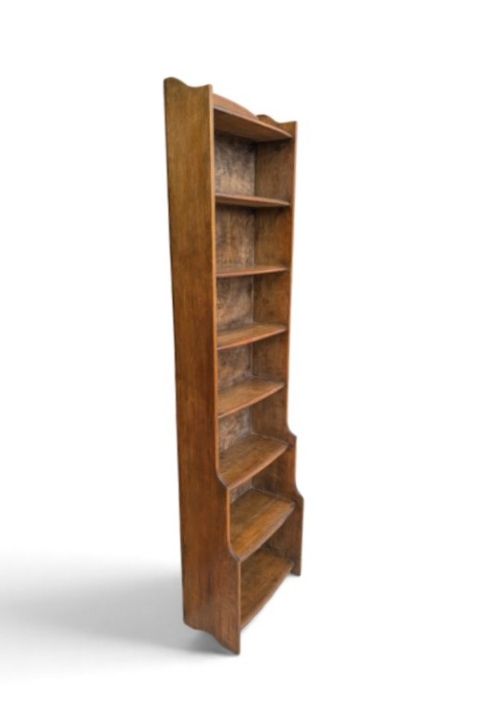
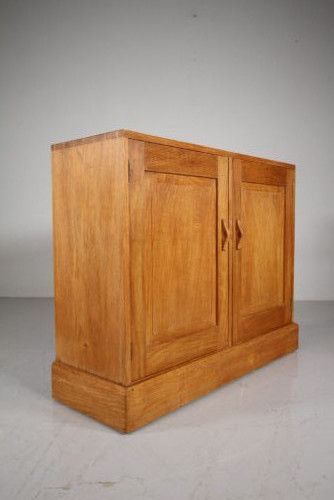
Solid Oak Cabinet
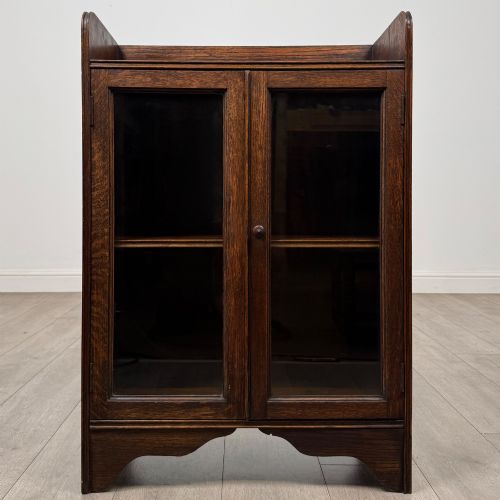
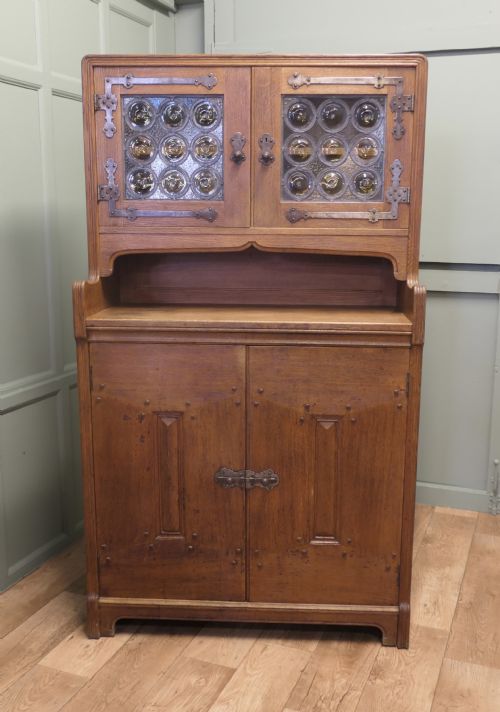
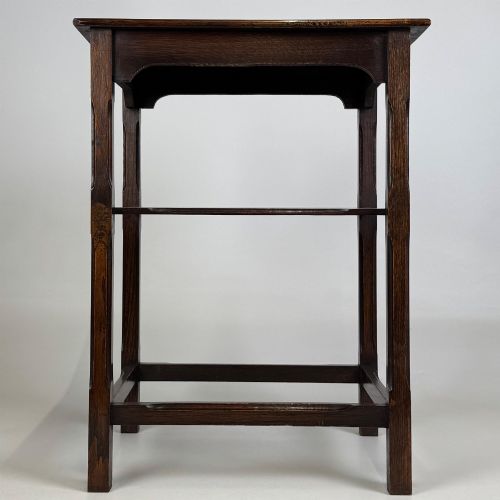
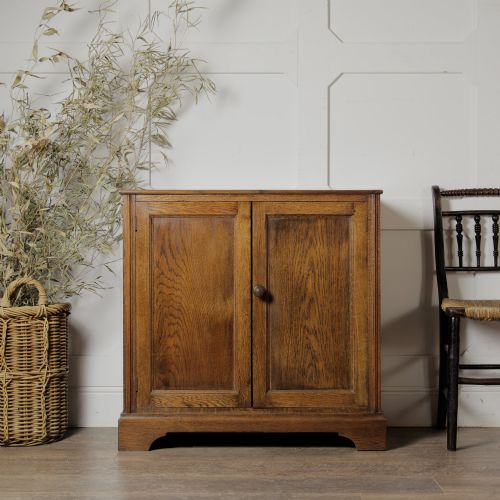
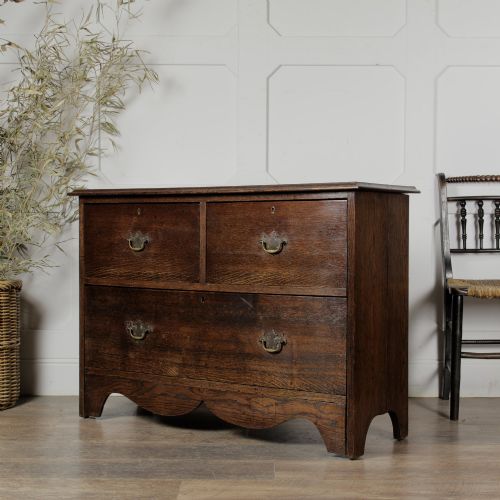
Solid oak cabinet searches bring up sturdy pieces from the Victorian, Edwardian, and 1930s periods built for lasting utility and straightforward storage.
Solid Oak Cabinet
These items span several distinct aesthetic movements, from the utilitarian simplicity of Arts and Crafts workshops to the clean lines of Art Deco and the ornate carving of the Victorian era. Many incorporate brass, copper, or iron hardware alongside glazed or solid timber doors.
The archive shows that storage formats range from tall stacking bookcases and tambour-front filing systems to low side cupboards and corner display units. The material handles daily domestic or office wear with steady resilience.
How they were made
Makers utilised heavy oak boards, sometimes noted as golden, dark, or honey tones, joined with traditional carpentry methods designed to prevent warping. Metal fittings in brass, copper, and iron secure doors, drawers, and adjustable shelving units.
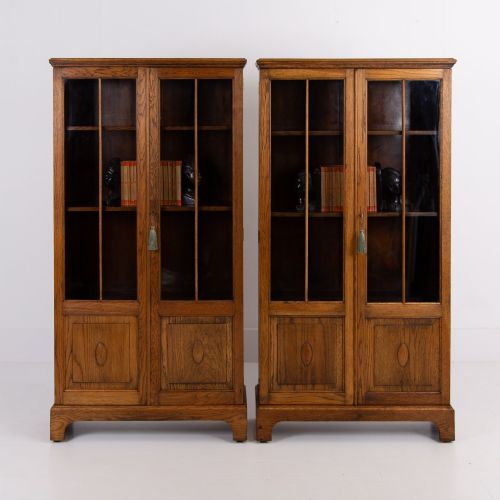
Glazed panels feature in many bookcase and display formats, framed directly into the solid timber carcass. Surface treatments rely on wax polish or plain oil finishes that highlight the natural grain rather than heavy pigmentation.
Listings feature solid oak pieces spanning the Victorian era through the 1950s, incorporating brass, iron, and glass elements.
What varies in quality
The distinction between standard utility furniture and top-tier workshop output lies in the crispness of hand-carving, the selection of figured timber, and maker attribution. Pieces bearing workshop stamps or labels from recognised design centres command greater attention.
Hardware choice and internal construction detail also mark the tier of a piece, from simple nailed backs to finely dovetailed drawers and functioning tambour slats. The integrity of the solid timber frame determines long-term stability.
Liberty·Peter Waals·Stanley Webb Davies·Bryn Mawr·Heals·Lebus
The Solid Oak Cabinet Glossary
- Arts and Crafts
- A design movement prioritising traditional craftsmanship and simple forms over mass production. This style heavily influences many early twentieth-century oak storage pieces.
- Tambour
- A door constructed from narrow wooden slats affixed to a flexible canvas backing, allowing it to slide smoothly around a curve. This mechanism appears frequently on office file storage.
- Linenfold
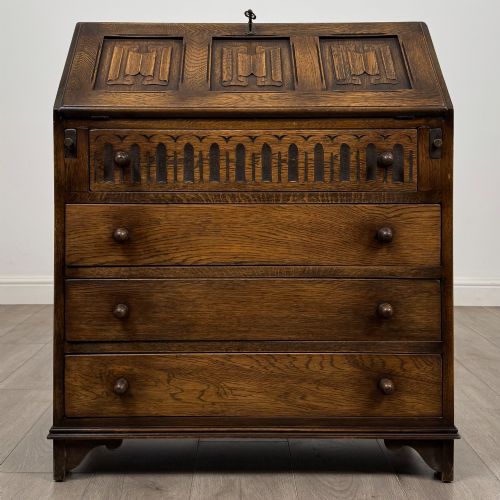
- A style of wood carving that imitates folded linen cloth, commonly seen on panels of Edwardian cupboards and bureaux. It adds texture to flat surfaces.
- Welsh Dresser
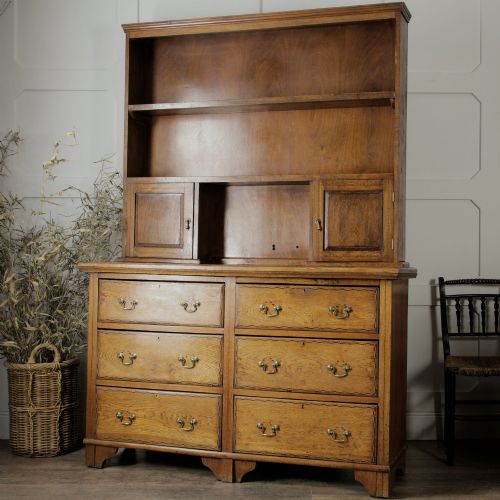
- A traditional kitchen and dining storage unit featuring base cupboards surmounted by open display shelving. They provide practical display space alongside enclosed storage.
- Jacobean Revival
- A furniture style mimicking seventeenth-century motifs with heavy turnings, geometric mouldings, and dark finishes. It reappears in interwar dining and living room cabinetry.
Solid Oak Cabinet: Frequently Asked Questions
How do I date a solid oak cabinet?
Dating relies on architectural styling, hardware types, and construction methods. Edwardian and Victorian pieces often show heavier mouldings or carved panels, whereas 1930s examples lean towards streamlined forms or Cotswold School simplicity.
Makers' stamps, drawer dovetailing, and the presence of original brass or copper handles also help establish the decade of manufacture.
Are tambour doors difficult to maintain?
Tambour tracks require occasional cleaning and light waxing to ensure the wooden slats slide freely around the curve. Avoid heavy oils that attract dust inside the mechanism.
Checking that the canvas backing remains taut prevents the slats from binding within the vertical or horizontal tracks.
Can I adjust the shelves in these cabinets?
Many bookcases and display units from the Edwardian and interwar periods feature adjustable shelving systems utilising metal pegs or slotted wooden uprights. This adaptability suits modern media or varied book sizes.
Earlier Victorian and period revival cupboards often feature fixed shelving integral to the structural carcass.
How should I care for solid oak furniture?
Maintaining solid oak involves regular dusting with a dry cloth and occasional application of traditional beeswax to nourish the timber. Direct sunlight and sudden humidity changes should be avoided to prevent splitting.
Clean glass panels with standard solutions while keeping moisture away from unsealed wood grain.