


Solid Oak Buffet Server
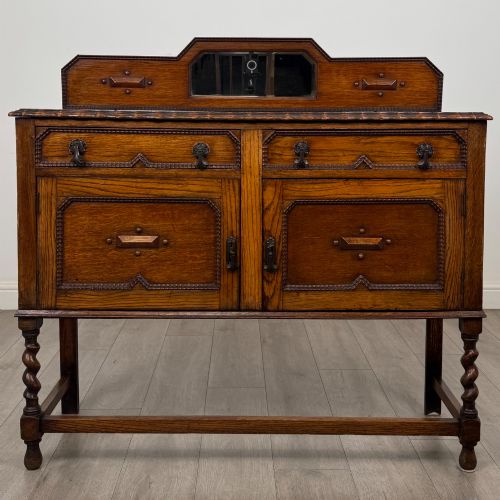
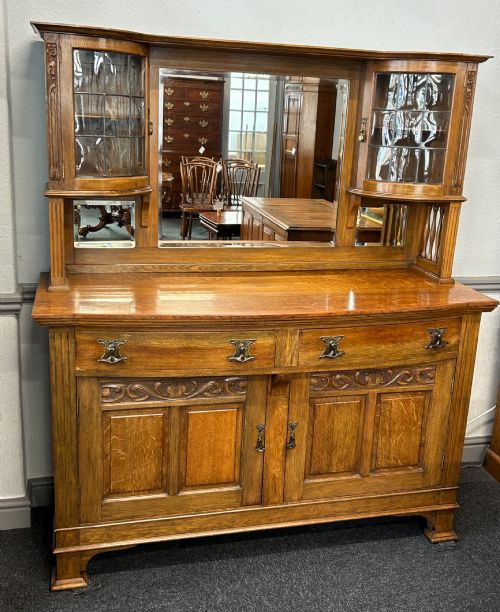
A solid oak buffet server provides a sturdy surface and generous storage, bringing character and practical function to a dining room or hallway.

Solid Oak Buffet Server
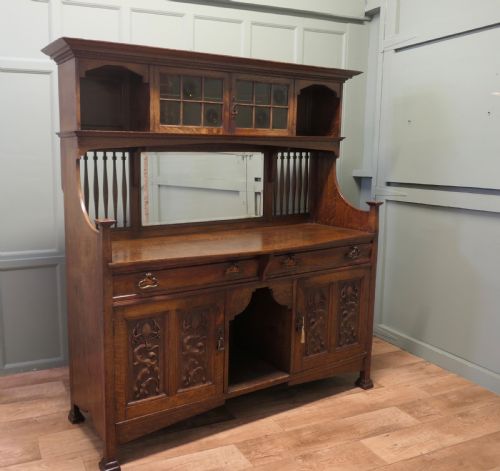
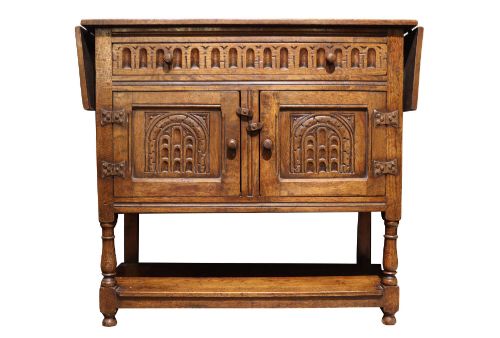
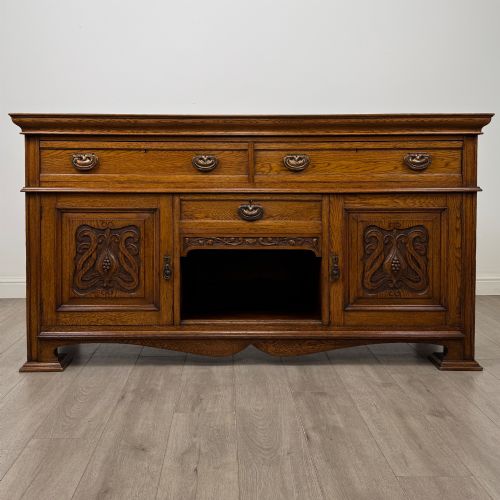
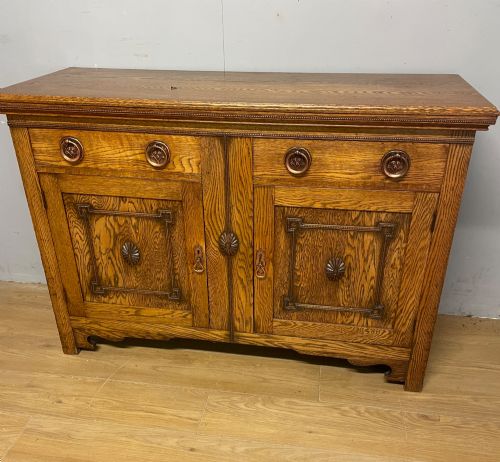
When searching for a solid oak buffet server, a buyer is looking at robust timber storage furniture designed for serving food and storing tableware. These pieces range from early eighteenth-century dresser bases to later Edwardian and Arts and Crafts sideboards.
The version most commonly met on this page is the Arts and Crafts or Edwardian oak sideboard, frequently featuring panelled doors and iron or brass hardware. Earlier eighteenth-century examples present simpler potboard bases with heavier timber construction.
Origins span English provincial workshops alongside distinctive regional movements like the Cotswold School. The form serves dining spaces reliably while displaying the natural grain and figuring of solid oak.
Materials and construction
Construction relies heavily on solid oak timber, chosen for its strength and prominent grain patterns. Carpenters utilised traditional joinery techniques such as mortise and tenon joints to ensure lasting stability.
Metal fittings in brass, copper, and iron appear frequently as hinges, handles, and lock escutcheons. Leaded glass and carved details also contribute to the surface texture of the pieces.
Several sideboards hide ingenious internal spice drawers and secret compartments behind deceptively simple oak panel doors.
Judging quality in oak server furniture
Quality rests upon the selection of timber and the precision of the joinery rather than surface ornamentation alone. Superior pieces display thoughtful grain matching and well-fitted drawers that run smoothly within their frames.
Proportion and scale distinguish finer workshops from standard production. Pieces of smaller proportions or those showing considered Arts and Crafts carving command greater attention from collectors.
Heals of London·Liberty of London
The Solid Oak Buffet Server Glossary
- Potboard base
- An open lower shelf beneath a dresser base or sideboard traditionally used for storing pots and heavy kitchenware. It forms a sturdy lower platform distinct from enclosed cupboards.
- Arts and Crafts
- A design movement valuing handcraftsmanship, simple forms, and natural materials over mass production. Pieces from this style often emphasise visible construction details.
- Dresser base
- A low wooden sideboard fitted with drawers and cupboards, originating before the upper plate rack became a standard addition. It provides a wide flat top surface.
- Escutcheon
- A protective metal plate surrounding a keyhole on a cabinet door or drawer front. These plates are frequently cast in brass or iron.
Solid Oak Buffet Server: Frequently Asked Questions
What is a solid oak buffet server?
A solid oak buffet server is a heavy wooden storage piece used for dining rooms to hold crockery, linen, and food service items. They combine cupboards and drawers beneath a wide serving surface.
These items span several centuries of British cabinet making, encompassing formal Georgian proportions alongside vernacular dresser bases and twentieth-century Arts and Crafts designs.
How do I date an oak buffet?
Dating relies on observing construction methods, timber preparation marks, and stylistic indicators such as hardware and carved decoration. Eighteenth-century pieces show hand-planed surfaces and pegged joinery.
Later Edwardian and Arts and Crafts examples often display characteristic strap hinges, hammered copper details, and lighter golden oak tones without heavy polish.
Where should I place a buffet server?
A buffet server suits dining rooms, large hallways, or spacious living areas where surface space and enclosed storage are required. Their depth means they sit comfortably against main interior walls.
Keep them away from direct heat sources and strong sunlight to protect the solid oak timber and prevent the natural wood from drying out.
How do I care for solid oak furniture?
Maintenance involves dusting with a dry cloth and occasionally applying natural beeswax to nourish the timber grain. Avoid modern silicone sprays that build up a sticky residue over time.
Handling spillages promptly and using mats under hot dishes prevents water marks and heat damage from altering the finish of the oak surface.