



Sofreh Bread Mat
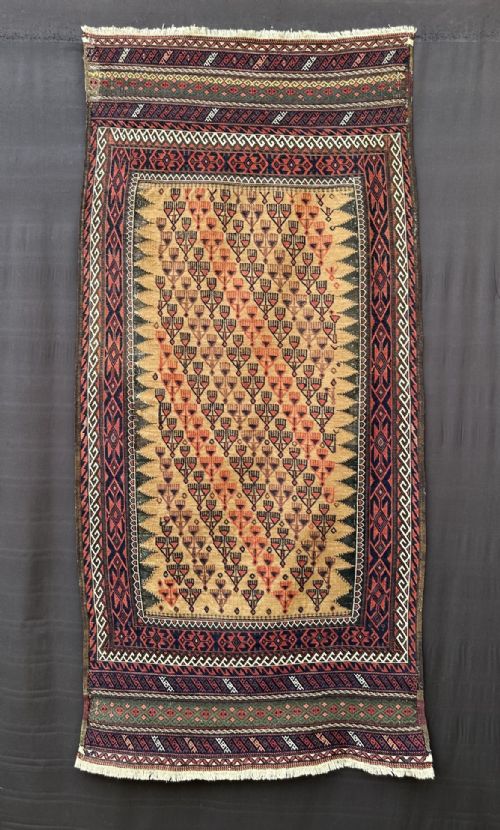
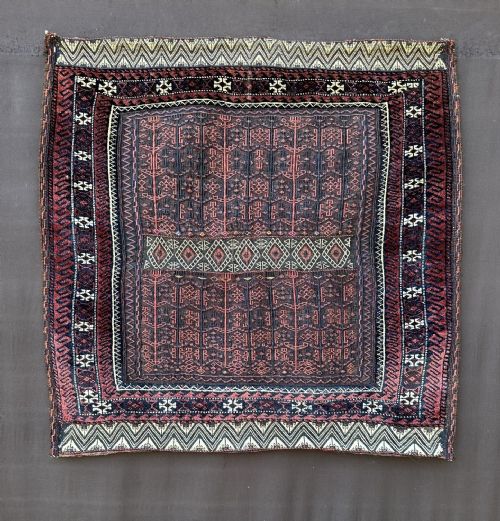
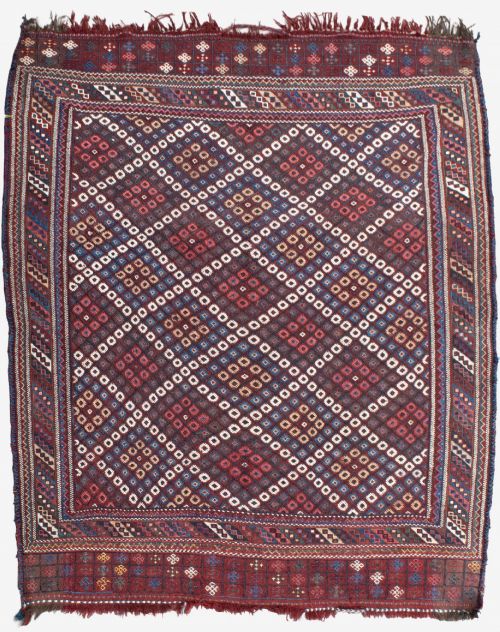
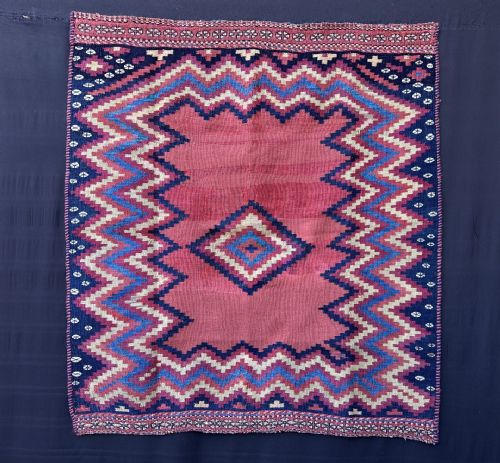
These sofreh bread mat textiles are traditional flatweaves used for dining and kneading dough, prized by collectors for their authentic tribal character.
Sofreh Bread Mat
A sofreh bread mat is a utilitarian textile created by tribal groups for domestic use. These pieces function primarily as floor spreads for communal dining or for the preparation of flatbread. The examples found here originate from Persian and Afghan tribal groups, spanning from the late nineteenth century into the early decades of the twentieth century.
You will most frequently encounter flatweave rugs and kilims associated with nomadic weavers such as the Afshar, Timuri, Lor, and Djhan Beghi tribes. These objects carry regional designs tied to specific territories including Kerman Province, Luristan, and the borderlands between Persia and Afghanistan. Their forms reflect the practical demands of pastoral life rather than formal court manufacture.
The materials and construction methods directly serve the domestic function of the textile. Weavers utilised wool, cotton, and camel hair, often coloured with natural dyes. The resulting flatweave surface provides durability and easy maintenance for daily household tasks.
How they were made
The construction relies on flatweave and kilim techniques, producing a lightweight textile without a pile. Weavers combined wool, cotton, and occasionally camel hair to form the foundation and the surface pattern. This warp-faced or weft-faced structure yielded a pliable fabric suited to folding and carrying.
Natural dyes provide the palette for these tribal works. The interaction of traditional colorants with wool and cotton fibres creates depth of tone that develops character over time. The structural integrity depends on tight tension and precise interlacing by the weaver.
Traces of ancient flour dust occasionally linger within the tight weaves of these old dining spreads.
What varies in quality
The standard of a sofreh bread mat rests on the precision of the flatweave structure and the integrity of the materials. Tighter weaving and well-preserved natural dyes distinguish superior examples from simpler utilitarian pieces. The handling of wool and camel hair dictates the tactile feel and longevity of the textile.
Design execution and regional clarity also define the upper tier of these works. Pieces that retain their original dimensions and show clear tribal attribution from groups like the Afshar or Timuri demonstrate greater ethnographic interest. The balance of proportion and the discipline of the flatweave pattern separate ordinary household items from more accomplished tribal weaving.
The Sofreh Bread Mat Glossary
- Flatweave
- A textile produced without knotted piles, created by interweaving warp and weft threads directly. This technique results in a thin, flexible fabric.
- Kilim
- A tapestry-woven carpet or flatweave originating from the Balkans to Pakistan. These textiles serve various domestic functions including floor coverings and food preparation spreads.
- Sofreh
- A spread or cloth used for sharing meals or kneading bread. In tribal contexts, these items combine practical utility with traditional weaving motifs.
- Warp
- The vertical threads held in tension on a loom before weaving begins. The weft threads pass through these structural elements.
- Weft
- The horizontal threads passed through the warp to create the fabric design. In flatweaves, these threads form the visible pattern.
Sofreh Bread Mat: Frequently Asked Questions
What is a sofreh bread mat used for?
These flatweaves served primarily as protective spreads for kneading dough and baking bread. Families also laid them upon the ground for communal dining.
Their construction allowed them to be easily folded, shaken clean, and transported during seasonal migrations. Today, collectors typically display them as wall hangings or decorative floor textiles.
How do I care for a tribal sofreh?
Protect the textile from direct sunlight to prevent the natural dyes from fading over time. Gentle vacuuming without a rotating brush removes surface dust effectively.
Professional textile conservation cleaning is recommended for heavier soil. Avoid hanging these pieces in high-moisture environments such as kitchens or damp spaces.
Where were these textiles made?
The pieces originate from nomadic and village communities across Persia and Afghanistan. Specific regions include Kerman Province, Luristan, and the borderlands between the two countries.
Tribes such as the Afshar, Timuri, and Lor produced these works for their own domestic needs. Each group maintained distinct design traditions and weaving methods.
How can I tell the age of a sofreh?
Age is assessed through the analysis of materials, natural dye usage, and tribal weaving structures. Pieces from the nineteenth and early twentieth centuries display characteristic wear patterns and dye fading.
Stylistic markers and regional attributions help narrow the period of manufacture. Comparing structural details against documented tribal examples provides further context.