

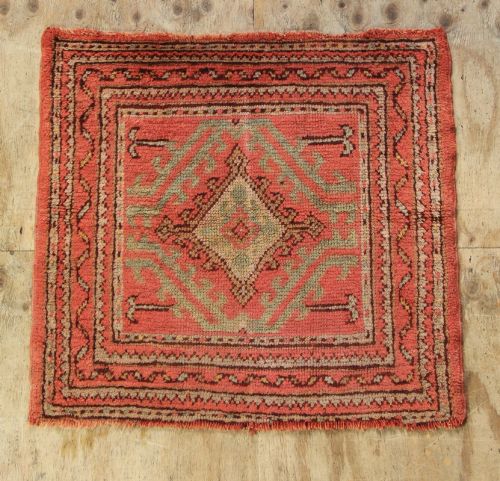
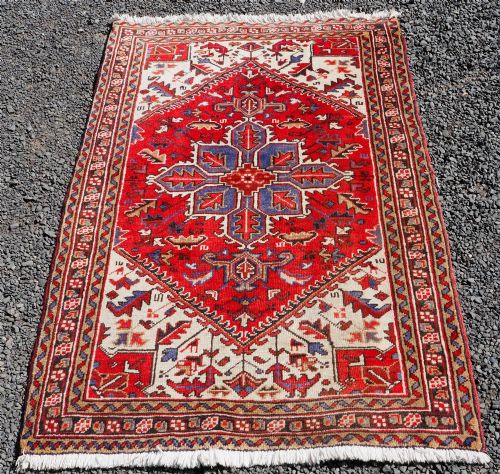
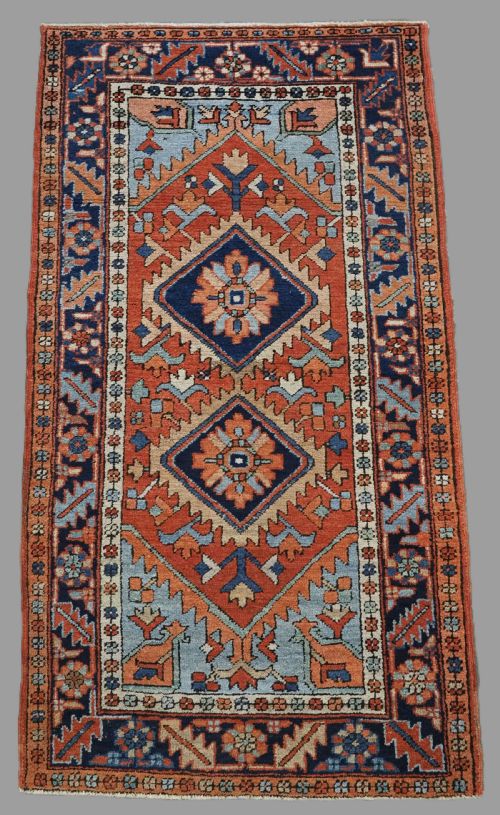
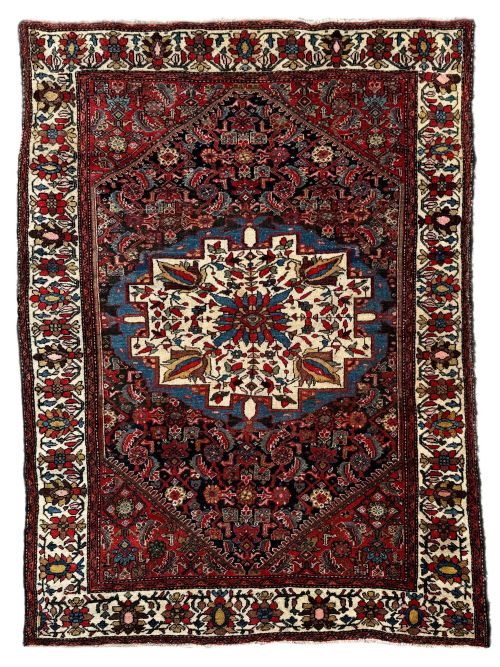
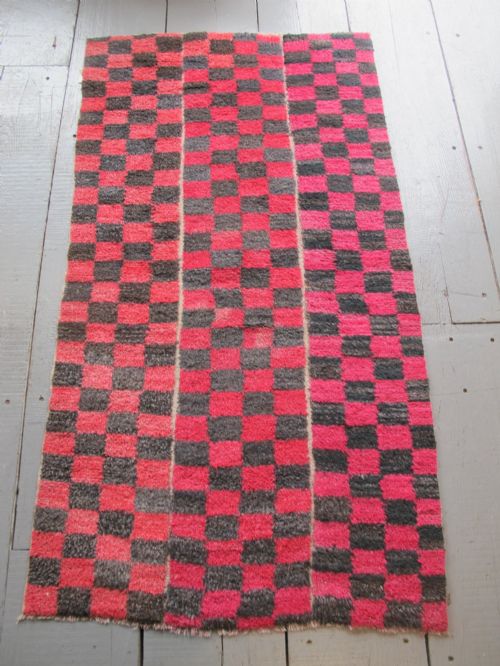
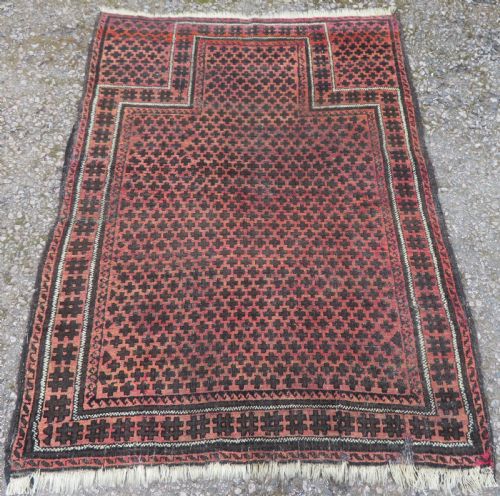

Small Wool Hearth Rug
A small wool hearth rug brings warmth and deep, characterful pattern directly to a fireplace surround.
Small Wool Hearth Rug
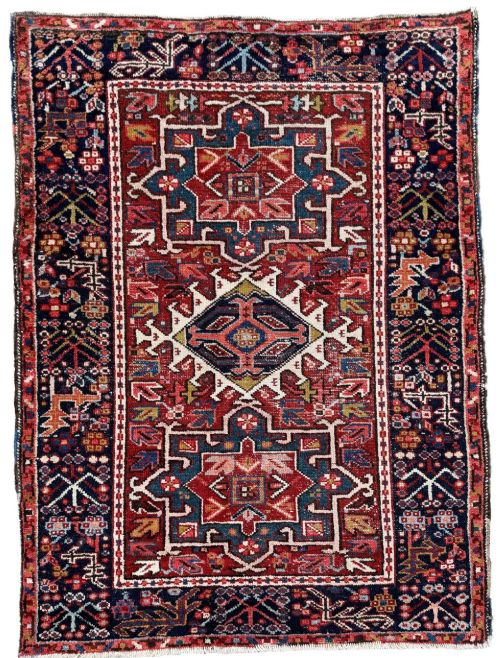
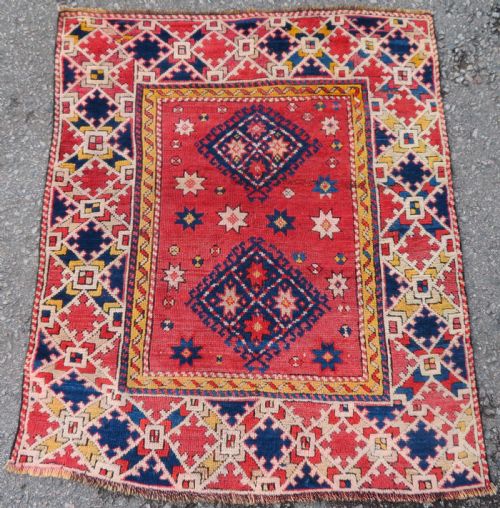
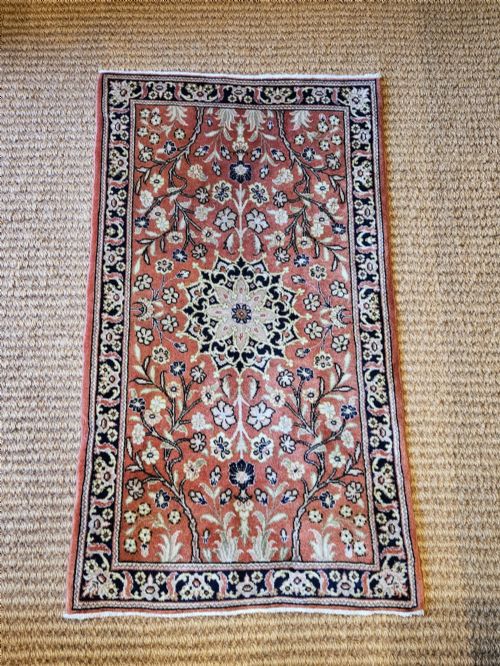
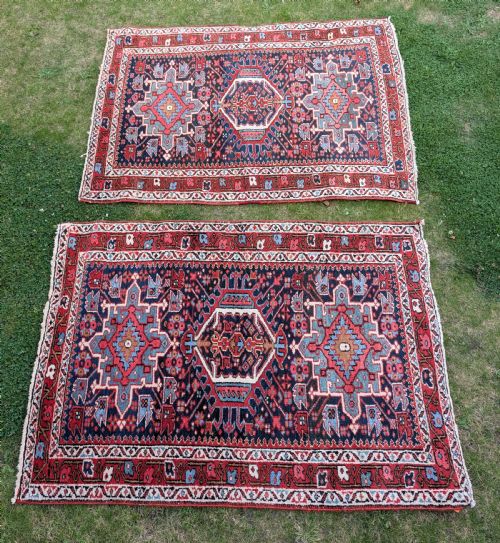
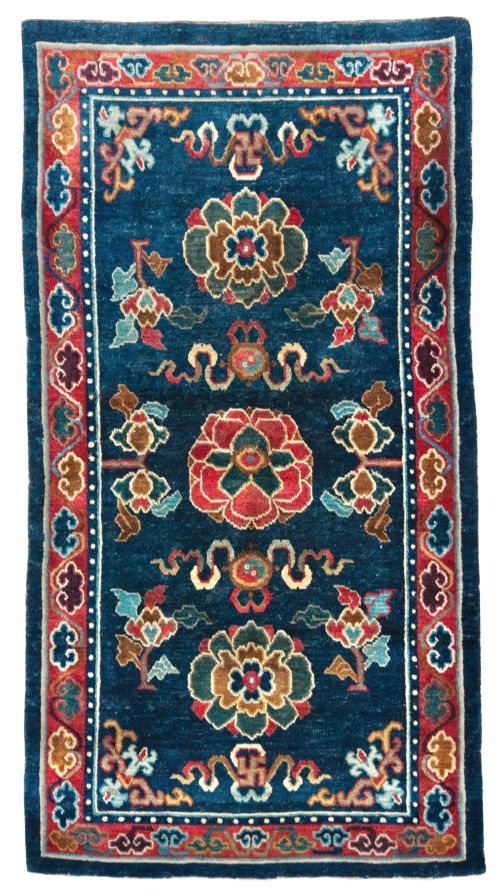
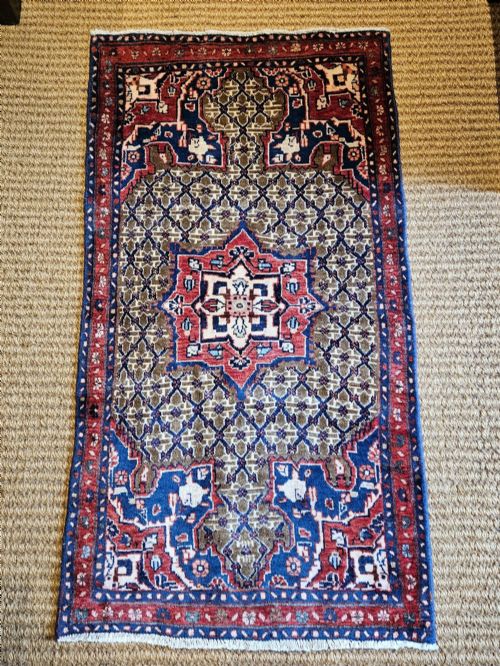
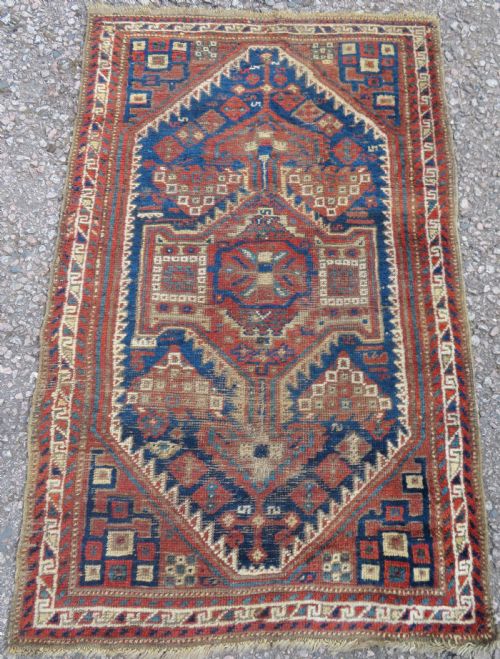
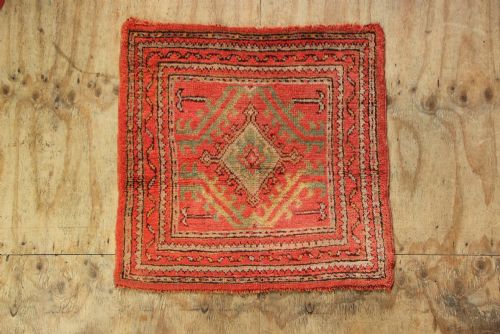
A small wool hearth rug is a compact, floor-covering textile traditionally placed before a fireplace to catch stray sparks and warm the feet. When searching for a small wool hearth rug, collectors encounter pieces originating primarily from Persian, Anatolian, Caucasian, and Tibetan weaving traditions. These examples span the nineteenth century through the early decades of the twentieth century, including Edwardian periods.
The format typically involves manageable dimensions suited for smaller spaces, with square mats, elongated runners, and compact area rugs frequently appearing. Village and tribal workshops produced these floor coverings to withstand practical daily use while displaying traditional geometric or medallion motifs.
How they were made
Weavers constructed these textiles using natural materials, predominantly relying on wool pile knotted onto cotton or wool foundations. Hand-spun wool provided the soft yet resilient surface texture seen across regional village pieces.
Dyers utilised natural colorants to achieve deep tones that developed rich patinas over decades of domestic placement. Dense knotting techniques ensured the pile remained durable under heavy foot traffic near the hearth.
Listings feature pieces spanning the nineteenth century, Edwardian era, and the 1920s, woven from hand-spun wool and cotton.
What varies in quality
Quality rests upon the density of the weave and the precision with which regional motifs are executed by the weaver. Finer knots permit more intricate geometric or floral detailing across limited surface areas.
The handling of wool determines tactile richness, where softer, well-sourced pile ages with greater visual depth. Preserved original edges and balanced proportions distinguish superior examples from heavily worn specimens.
The Small Wool Hearth Rug Glossary
- Medallion
- A central decorative motif placed in the middle of the field. This design element anchors the visual composition of the textile.
- Pile
- The upright yarn surface formed by individual knots tied to the foundation warp and weft. Wool pile provides the softness and warmth characteristic of these floor coverings.
- Warp
- The vertical threads stretched lengthwise on the loom that form the structural skeleton of the rug. Cotton warp threads offer stable tension during the knotting process.
- Prayer rug
- A textile featuring a Mihrab or arch design indicating a niche direction. These pieces were historically utilised for personal devotion.
- Patina
- The surface sheen and softening of colour acquired by natural materials through age and use. A good patina reflects decades of gentle integration into a home.
Small Wool Hearth Rug: Frequently Asked Questions
Where should I place a small wool hearth rug?
These compact floor coverings fit naturally directly in front of an active fireplace or stove. Their dimensions also suit small entryways, bedside floors, or narrow hallway landings.
Positioning them in low-traffic zones preserves the historical wool pile while adding concentrated colour and texture to bare floorboards.
How do I clean an antique wool rug?
Gentle surface brushing and careful periodic vacuuming without the beater bar remove loose dust and debris. Professional textile cleaning remains the safest method for addressing deeper ingrained dirt.
Avoid excessive moisture and harsh chemical detergents, which can strip natural lanolin from the vintage wool fibres.
How do I identify a tribal rug design?
Tribal designs typically display geometric motifs, repeating medallions, and stylized animal or plant forms rather than precise court-atelier curves. Weavers working independently in village communities relied on memory and tribal tradition.
Irregularities in symmetry and spontaneous shifts in dye colours often indicate an authentic nomadic or village origin.
Why are older wool rugs distressed?
Decades of domestic placement, walking feet, and natural fibre ageing create honest wear across the pile and edges. This historical weathering softens the initial brightness of the dyes.
Many collectors prize this gentle fading and low pile for the authentic sense of history it brings to interior spaces.