
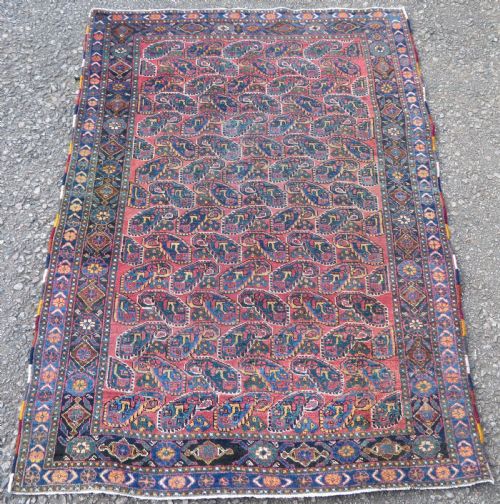
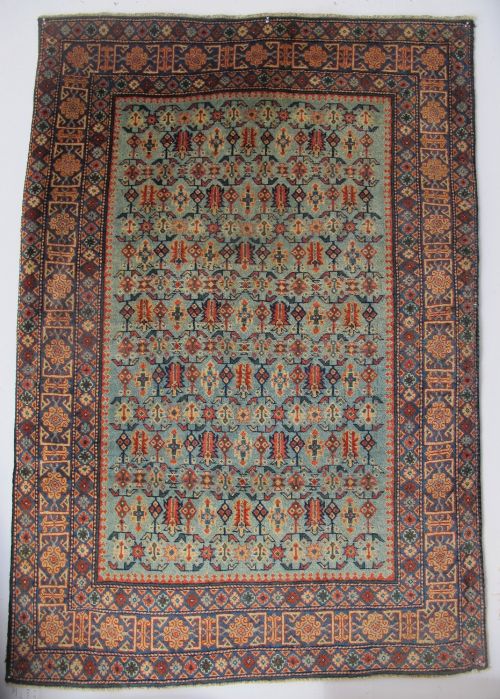
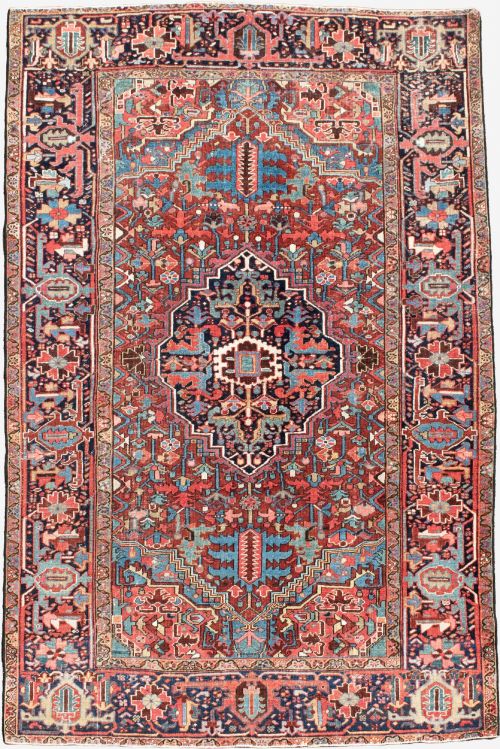
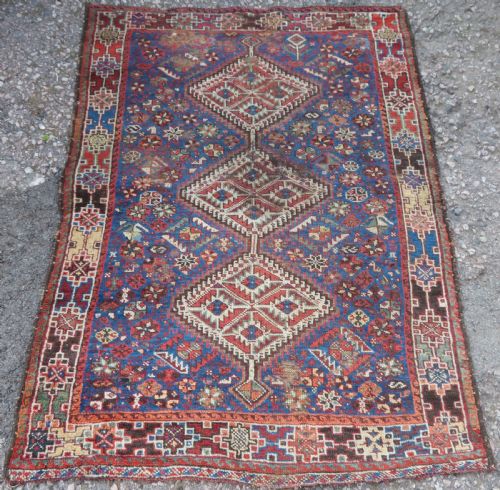
Small Wool Area Carpet
A small wool area carpet brings warmth and grounded texture to a room, drawing on centuries of village and tribal weaving traditions from Persia, Anatolia, and the Caucasus.

Small Wool Area Carpet
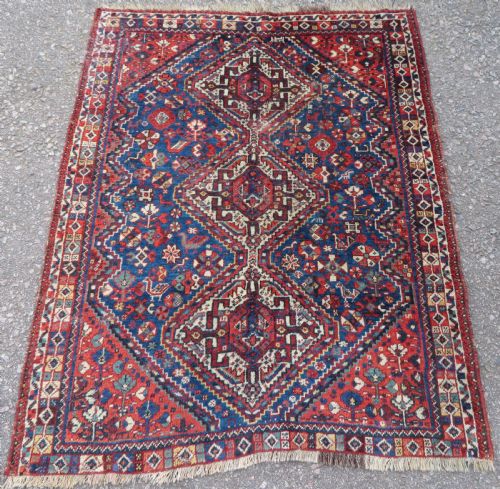
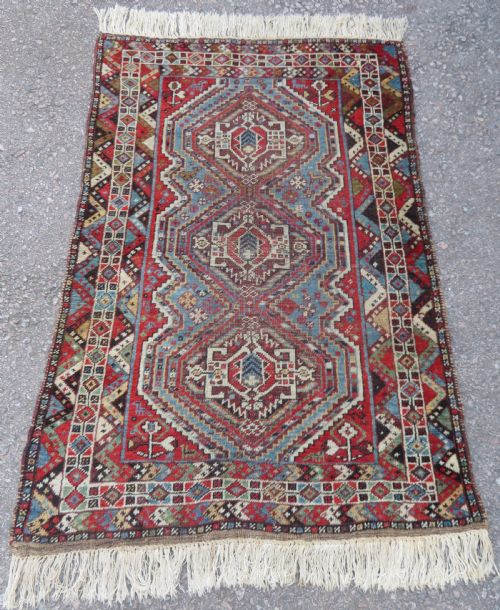
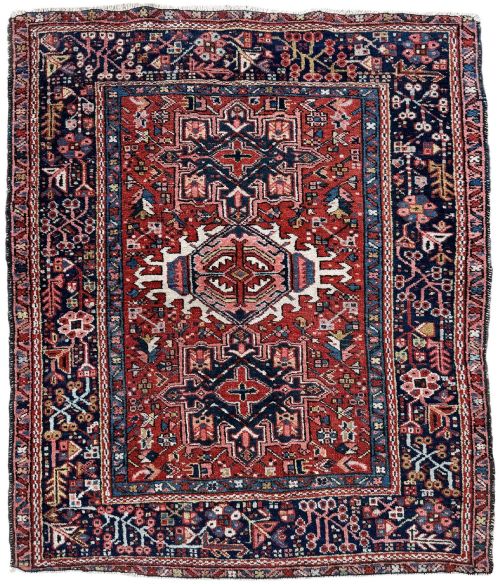
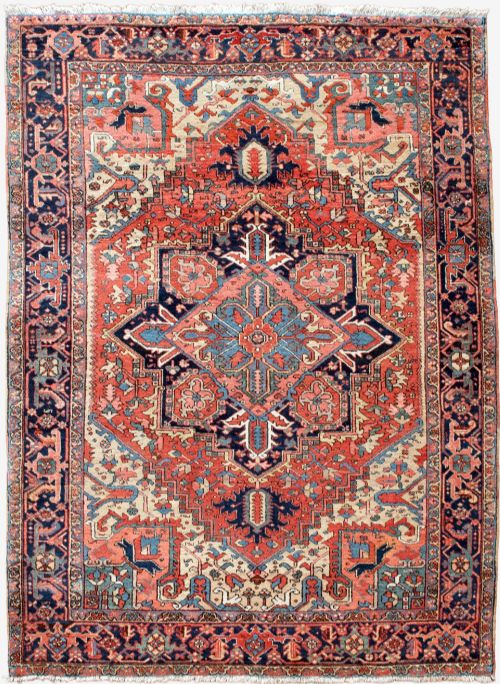
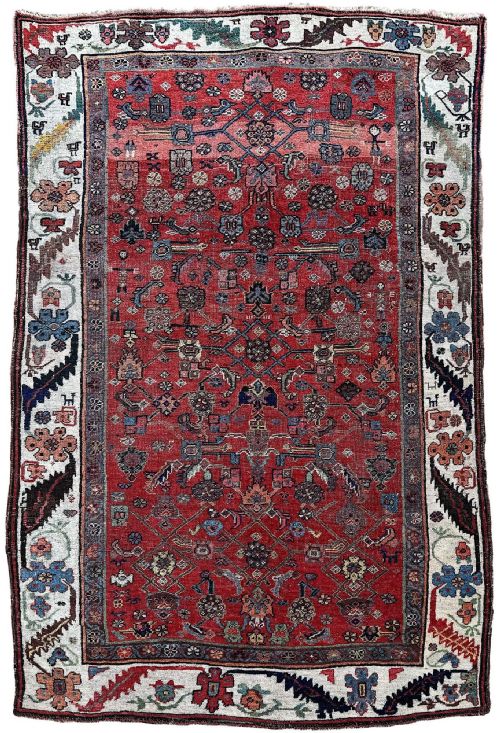
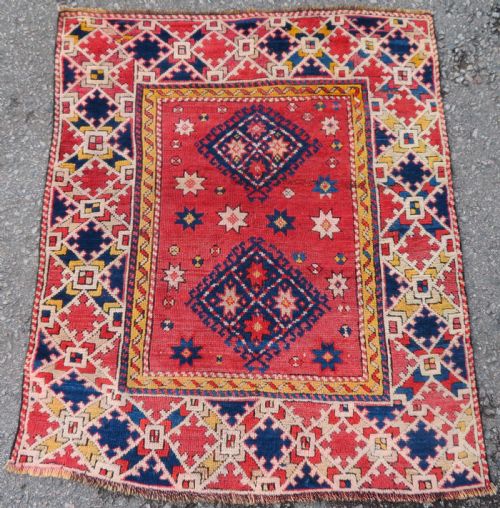
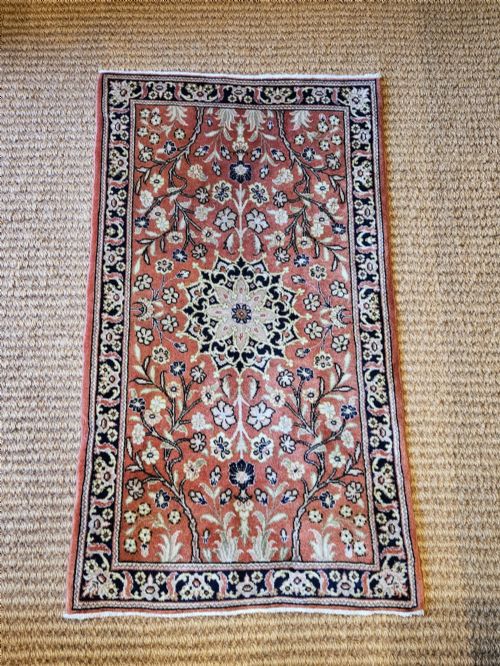
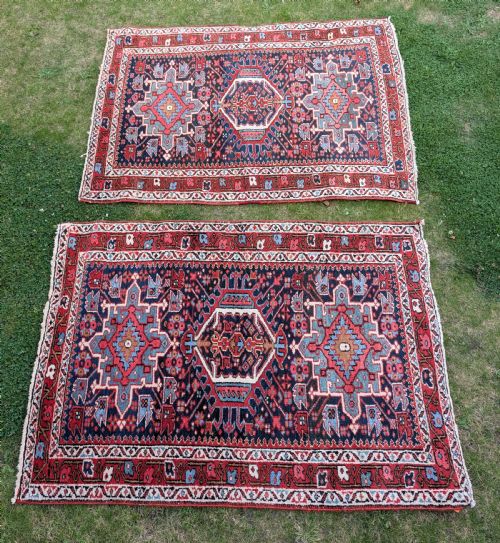
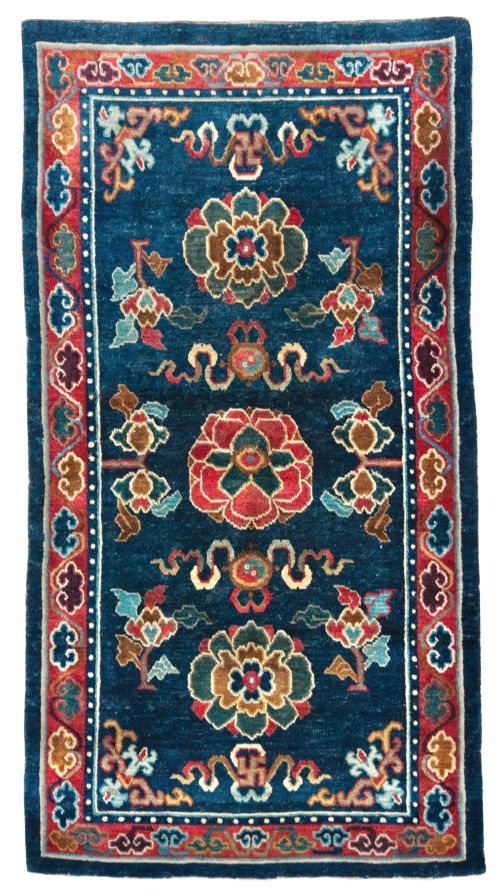
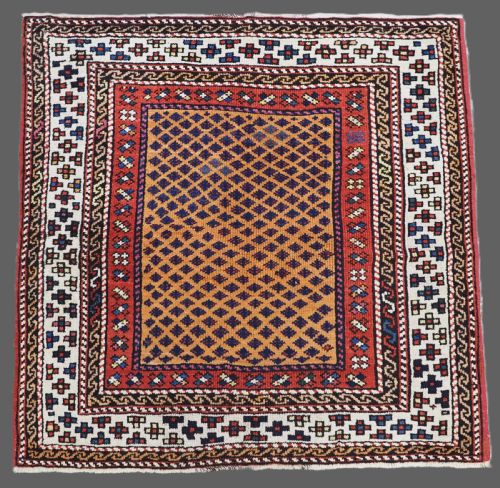
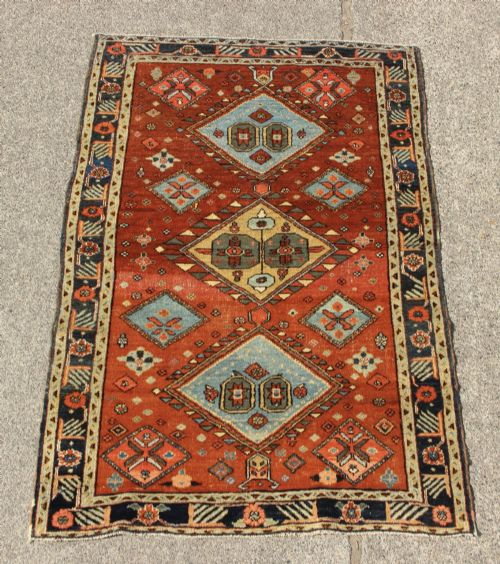
When you search for a small wool area carpet, you encounter floor coverings woven by village workshops, nomadic tribes, and regional weavers predominantly during the late nineteenth and early twentieth centuries. These pieces encompass localized formats such as hearth-sized mats, square carpets, and compact tribal runners designed for intimate spaces.
The selections available span Persian Heriz, Bidjar, and Afshar villages alongside Anatolian Bergama, Caucasian Daghestan, and Turkmen nomadic formats. Most examples date from the era around nineteen hundred, offering traditional geometric motifs and balanced floral compositions suited to modern domestic interiors.
Materials and technique
These carpets rely primarily on hand-spun wool and natural dyes, combined with cotton warp foundations in many Persian and Anatolian village examples. Artisans knotted the pile by hand onto sturdy vertical or horizontal looms, yielding dense structures designed to endure heavy daily foot traffic.
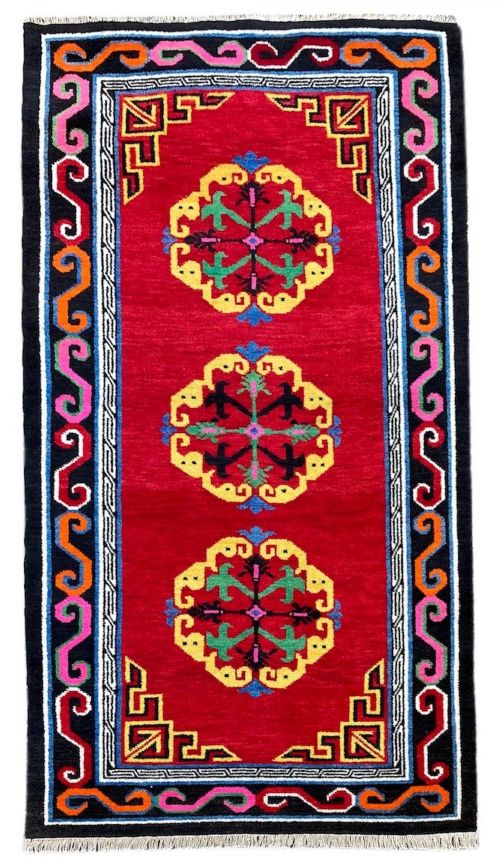
Tribal pieces from regions such as Baluchistan and the Caucasus incorporate localized wool varieties, sometimes utilising Tibetan wool or natural camel hair alongside foundational cotton warps. The interplay of hand-carded fibres and natural dye stuffs produces varied surface lustres and rich, organic colour shifts across the pile.
Listings feature pieces spanning the 1850s through the 1930s, utilising hand-spun wool, cotton warps, and natural dyes.
What varies in quality
Quality in these carpets rests upon the tightness of the knotting, the resilience of the wool, and the depth of the dye palette. Tighter knots allow intricate geometric and medallion designs to hold their crisp edges over decades of use.
The purity and saturation of the natural dyes separate standard village production from finer workshop pieces. Uniformity in spinning and balanced structural symmetry further distinguish master weaver output from more rustic, hurried tribal work.
The Small Wool Area Carpet Glossary
- Warp
- The stationary vertical threads stretched on a loom that form the structural skeleton of the carpet. Fringe ends typically emerge from these parallel foundation cords.
- Weft
- The horizontal threads passed alternately over and under the warp threads after each row of knots to lock the pile in place. They contribute to the structural firmness of the rug.
- Prayer rug
- A small format rug featuring a central mihrab or arch design traditionally used for personal devotion. These pieces often orient toward Mecca during use.
- Natural dyes
- Colourants derived from plant, insect, and mineral sources rather than synthetic chemicals. They age gracefully, developing soft patinas over generations.
- Kapunuk
- An ornamental tent door hanging produced by Turkmen tribes to decorate the entrance of a yurt. These triangular-flapped textiles served ceremonial and domestic functions.
Small Wool Area Carpet: Frequently Asked Questions
Where should I place a small wool area carpet?
These compact carpets suit entrance hallways, hearth surrounds, bedside placements, and compact seating areas where standard large rugs overwhelm the floor space. Their manageable dimensions allow them to define small zones within larger rooms without dominating the layout.
Position them in low-to-medium traffic areas to preserve the pile while enjoying their tactile texture and traditional patterns daily.
How do I clean an antique wool carpet?
Routine maintenance requires gentle, suction-only vacuuming without a rotating beater bar to protect the delicate hand-knotted pile and warp ends. Professional rug cleaners experienced with natural fibres and traditional dyes should handle deep washing.
Avoid household chemical cleaners and excessive water immersion, which can destabilize natural dyes and weaken historic wool foundations.
How can I tell a tribal rug from a village rug?
Tribal rugs typically feature geometric memory patterns, irregular layouts, and rustic wool textures reflecting nomadic lifestyles. Their designs rely on tribal motifs passed down through families rather than formalized cartoons.
Village rugs often display more structured medallion layouts, slightly finer knot counts, and tighter symmetry while retaining a charmingly idiosyncratic handmade character.
Why do some listings mention distressed condition?
Distressed condition indicates areas of historic pile wear, low wool height, or exposed foundation threads resulting from age and use. Many collectors prize this honest patination because it highlights the genuine antiquity and lived-in history of the textile.
Such wear does not necessarily compromise the structural integrity of the carpet if the foundation remains secure and stable.