
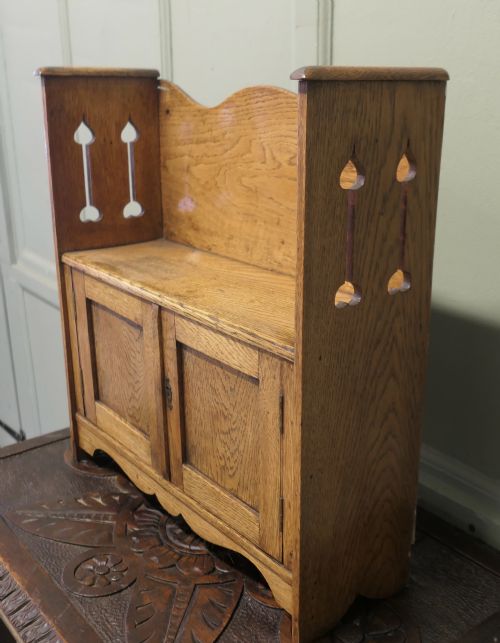
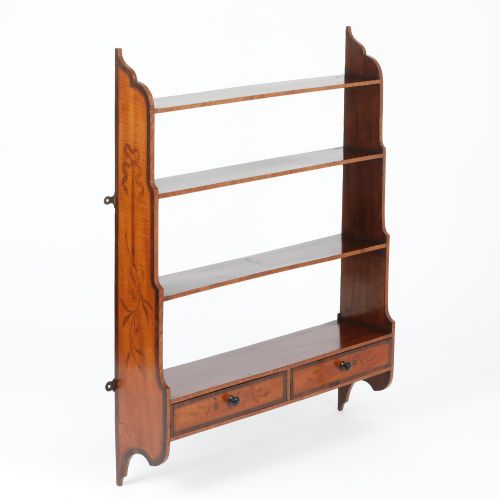
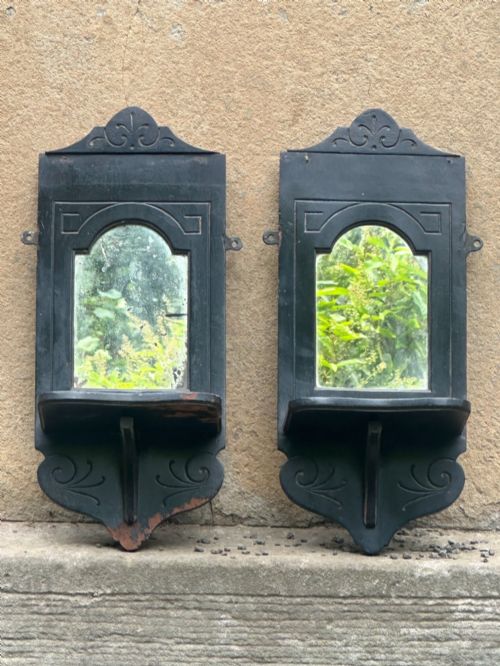


Small Wall Shelves
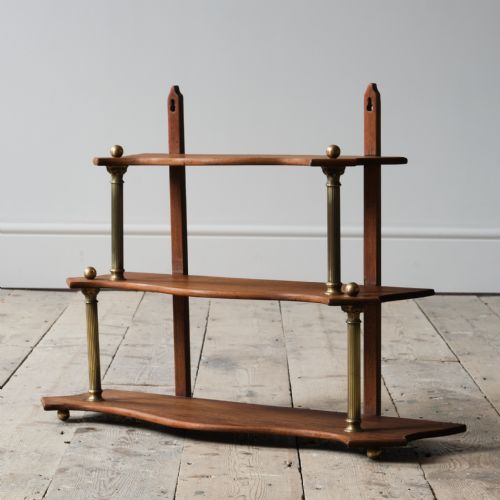
Small wall shelves are compact timber tiers that organise books and display ceramics, bringing vertical storage to tight rooms.
Small Wall Shelves
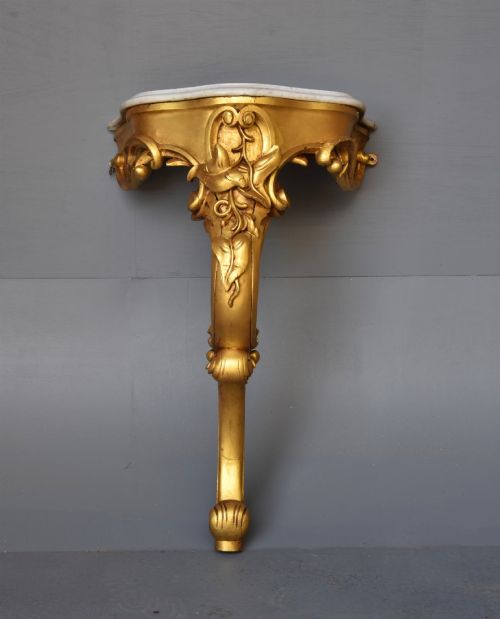
Small wall shelves combine practical storage with decorative display across periods ranging from the eighteenth century to the art deco era. These pieces frequently appear in mahogany, oak, and walnut, often taking the form of hanging bookshelves, corner units, and cabinet combinations.
Makers designed these tiers for domestic spaces like halls, bedrooms, and reception rooms where floor space was restricted. The selection includes waterfall arrangements, plate racks, and mirrored backs, reflecting the diverse domestic needs of Victorian and Edwardian households.
Examples span simple pine boards to inlaid satinwood structures, alongside pieces influenced by the Aesthetic Movement and Gothic revival. Buyers encounter both utilitarian hanging shelves and ornate display cabinets equipped with cupboards and brackets.
Materials and Construction
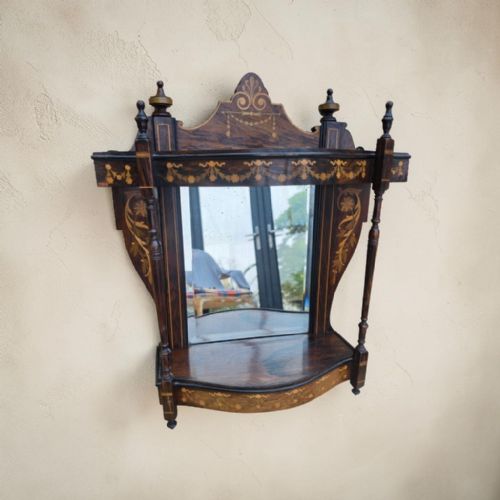
Cabinet makers utilised dense hardwoods such as mahogany and oak for structural integrity, supporting multiple tiers without sagging. Workshops employed fine veneers like satinwood for visual contrast and applied ebonised finishes to mimic exotic timber.
Joinery techniques included dovetailed joints and secured mounting brackets designed to bear the weight of books and decorative objects safely against plaster walls. Brass fittings, mirrored glass inserts, and hand-carved limewood details frequently complemented the primary wooden frames.
Some nineteenth-century wall brackets doubled as miniature display stages for tiny porcelain cats.
Judging Quality
Quality rests in the precision of the timber selection, visible in the grain matching of mahogany or walnut boards and the crispness of applied mouldings. Superior pieces display refined surface patination and tight joinery that remains stable under weight.
Ornate detailing, such as fine inlay work, carved brackets, or integrated brass galleries, distinguishes standard utilitarian shelving from finer decorative examples produced by skilled workshops.
Cottier and Co
The Small Wall Shelves Glossary
- Étagere
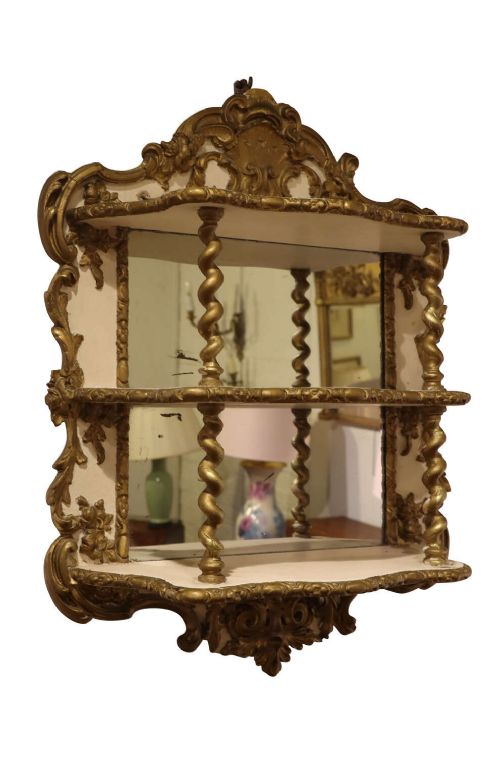
- A piece of furniture consisting of a set of open shelves for displaying small objects. These tiered structures often feature decorative painted and gilt surfaces.
- Waterfall bookshelves
- Graduated open shelves where each tier steps back from the one below it. This arrangement creates a cascading visual profile popular in nineteenth-century designs.
- Girandole
- A branched candleholder fixed to a wall, frequently incorporating a mirror. The reflective glass helps to amplify light in smaller reception rooms.
- Plate rack
- A wall-mounted wooden frame designed to hold dining plates upright. These functional pieces appear in oak and other domestic timbers.
- Whatnot
- An open multi-tiered piece of furniture used for storage and display. Wall-mounted versions provide similar vertical organisation without requiring floor space.
Small Wall Shelves: Frequently Asked Questions
How do I hang antique shelves safely?
Wall-mounted timber shelves require secure fixings into solid brickwork or wall studs using appropriate steel screws and rawlplugs. Heavier items such as mahogany bookcases and cabinets need weight-bearing brackets to prevent pull-out from old plaster.
Distributing the load evenly across the tiers prevents warping of antique boards over time. Ensure the wall surface is level before mounting.
What rooms suit small wall shelves?
Compact hanging tiers fit well in narrow hallways, above bedroom mantelpieces, or beside dining room fireplaces. They provide vertical storage where floor cabinets would obstruct movement.
Corner units utilise awkward room junctions effectively for displaying ceramics or small books. Lighter woods brighten dark passages, while dark mahogany anchors formal reception rooms.
How do I tell Victorian shelves apart?
Victorian pieces frequently utilise solid mahogany, walnut, or satin birch, often featuring carved Gothic revival motifs or Aesthetic Movement dark finishes. These shelves display heavier proportions and robust joinery compared to lighter Edwardian or Georgian examples.
Later Victorian versions may incorporate mirrored panels and turned spindle galleries. Examining the timber backing and screw types helps confirm the nineteenth-century production period.
How do I care for polished wood?
Maintain timber surfaces by dusting with a dry, soft cloth and occasionally applying traditional beeswax to nourish the antique polish. Avoid placing shelves in direct sunlight or near heat sources to prevent timber shrinkage and splitting.
Keep moisture away from unsealed joints and brass fixtures. Regular mild treatment preserves the natural patination built up over centuries.