

Small Vintage Table
A small vintage table brings period character and practical surface space to compact rooms.
Small Vintage Table
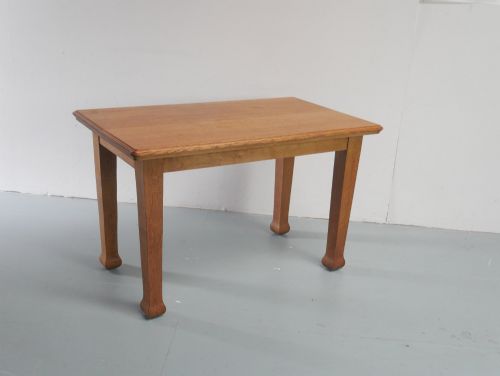
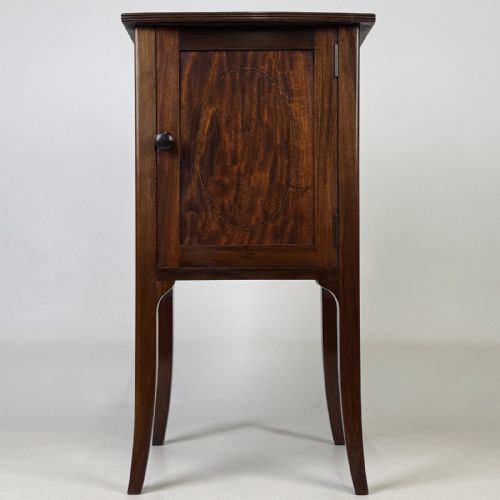
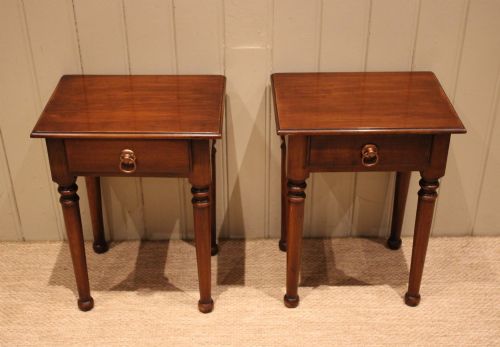
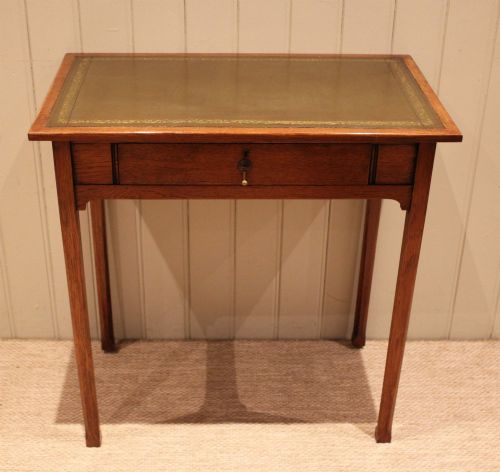
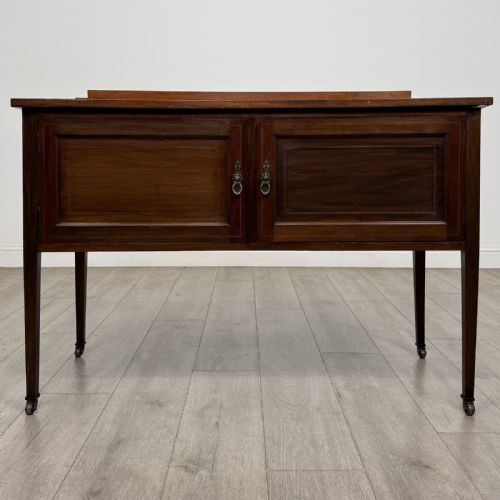
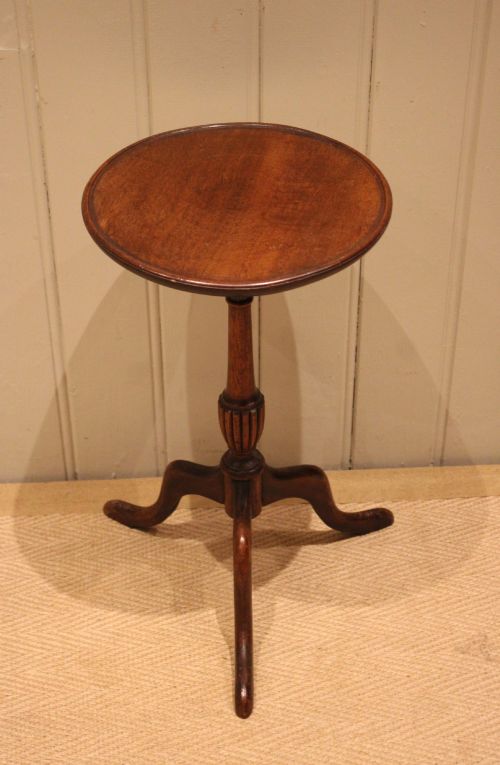
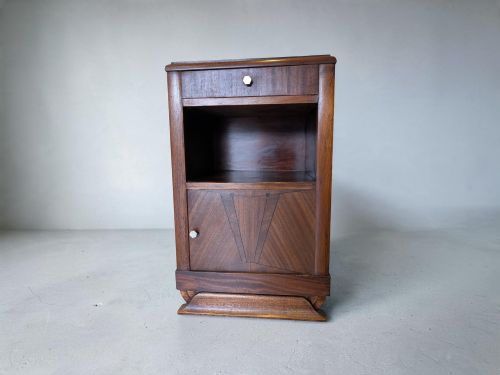
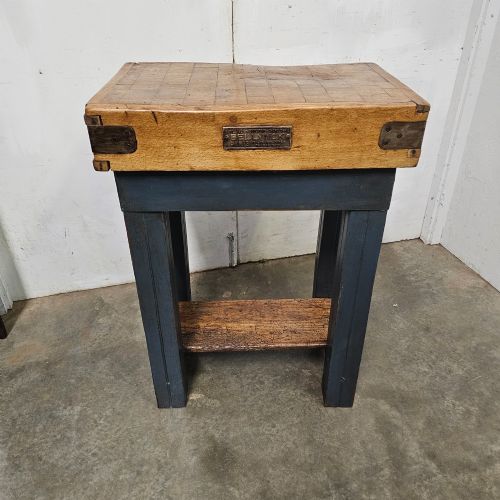
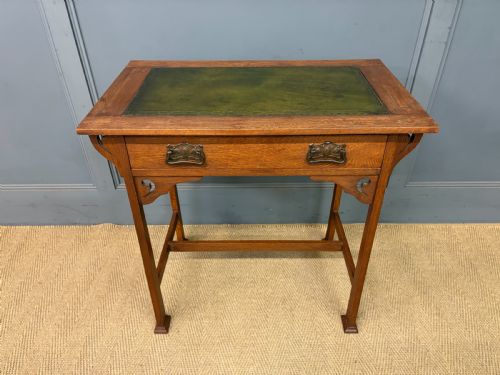
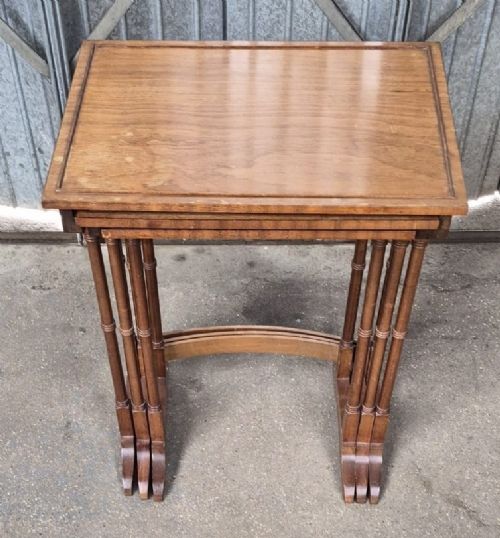
A small vintage table encompasses a broad variety of compact domestic furniture designed for specific daily tasks across multiple eras. Buyers browsing this selection most frequently encounter Edwardian oak and mahogany side tables, occasional tables, and bedside cabinets.
The inventory ranges from eighteenth-century oak table top drawers and Georgian style mahogany pieces to Arts and Crafts oak designs and nineteen-thirties satin birch cabinets. Forms include nests of three tables, octagonal lamp tables, drop leaf tables, and revolving bookcases.
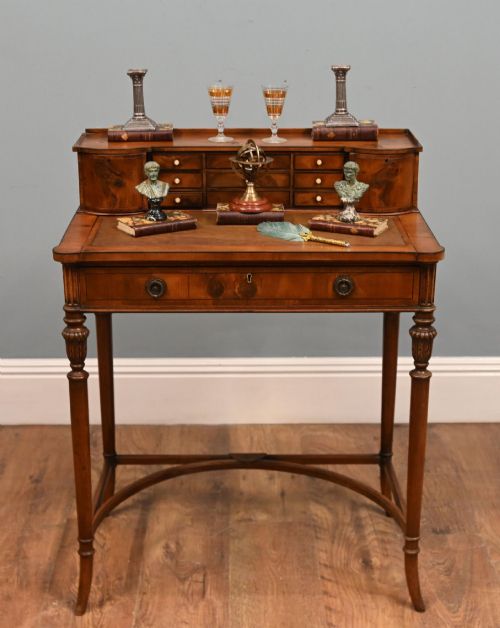
Origins span English country workshops to Victorian parlours and continental studios, reflecting changing interior needs for functional surface area. These pieces served as writing desks, wine stands, lamp holders, and bedside storage.
Materials and construction methods
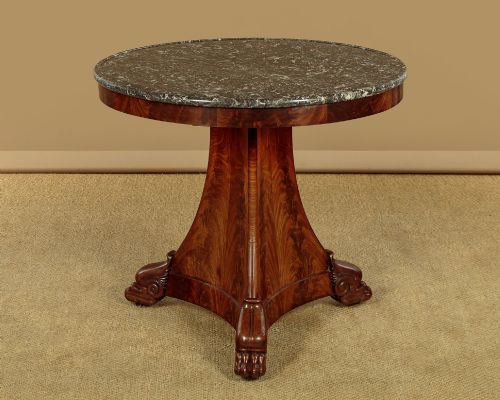
Cabinet makers relied heavily on timber selection, utilising oak, mahogany, walnut, and satinwood for durability and visual grain pattern. Selected pieces incorporate secondary materials such as brass fittings, marble tops, leather inserts, and cast iron structures.
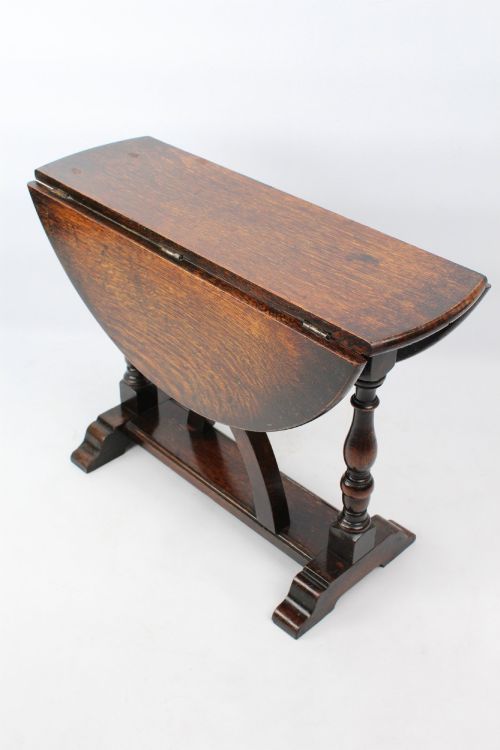
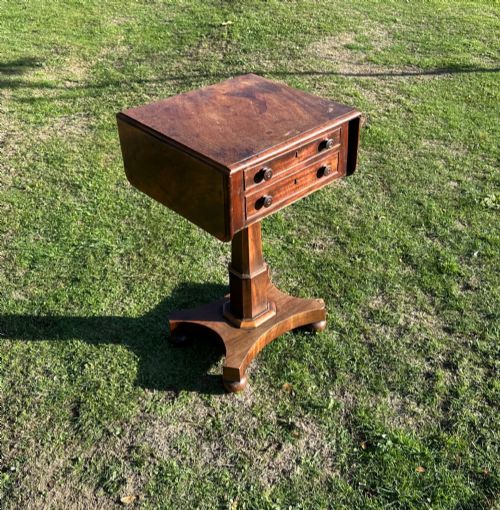
Joinery and decorative techniques define the construction, featuring carved details, barley twist and bobbin turned legs, inlaid wood, and shaped galleries. Drop leaf mechanisms, hidden drawers, and revolving tiers demonstrate functional ingenuity within compact footprints.
Small Vintage Table Retail Price Guide 2026
Typical asking prices for small vintage table among the pieces listed under this phrase on Sellingantiques today, from the lower quarter to the upper quarter. They describe what is for sale here now, not the wider market.
Listings feature pieces spanning the eighteenth, nineteenth, and twentieth centuries, built from oak, mahogany, walnut, and satinwood.
Distinctions in construction and finish
Quality separates through the integrity of timber selection and the precision of decorative execution, such as finely figured veneers and crisp carving. Superior examples display thoughtful proportions and robust joinery that withstand daily domestic use.
Finer pieces integrate subtle functional details like hidden drawers, well-fitted drop leaves, or coordinated hardware. The distinction lies in whether the maker prioritised lasting structural stability alongside decorative surface treatment.
The Small Vintage Table Glossary
- Occasional table
- A small, movable table designed for specific, intermittent use in a room, such as holding a lamp or books.
- Drop leaf table
- A table with hinged flaps on the sides that can be folded down to save space or raised to expand the surface area.
- Gallery
- A low raised rim or railing around the edge of a table top or shelf to prevent items from sliding off.
- Barley twist
- A type of turned wooden leg carved in a spiral shape resembling a twist of barley, popular in Jacobean and Edwardian furniture.
- Inlay
- A decorative technique where small pieces of contrasting wood, metal, or shell are inserted into the surface to form patterns.
Small Vintage Table: Frequently Asked Questions
Where should I put a small vintage table?
These compact pieces fit easily beside a sofa, next to a bed, or in a narrow hallway to provide useful surface space. They work particularly well in smaller rooms where standard furniture would overwhelm the floor plan.
Position an occasional table by a reading chair to hold lamps or books, or use a nest of tables that pulls apart when guests visit.
How do I care for polished wood surfaces?
Maintain polished wood by dusting regularly with a soft, dry cloth and avoiding excessive exposure to direct sunlight or radiator heat. Natural timber reacts to humidity changes, so stable room conditions preserve the finish.
Apply a quality beeswax periodically to nourish the grain and protect the surface from minor moisture marks without building up heavy residue.
Can I use a bedside cabinet as a side table?
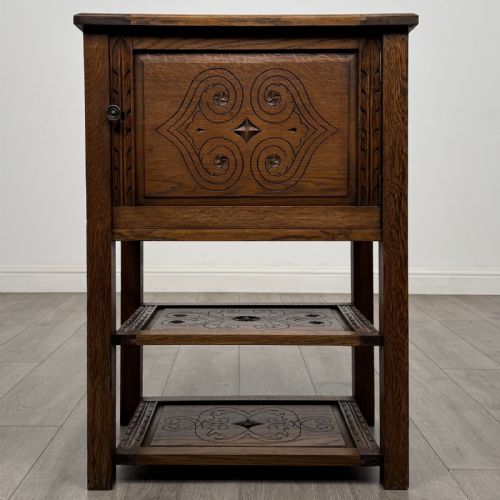
Bedside cabinets and cupboards transition easily into living rooms or studies to serve as compact side tables or storage units. Their enclosed spaces hide clutter while the top surface holds lamps or decorative objects.
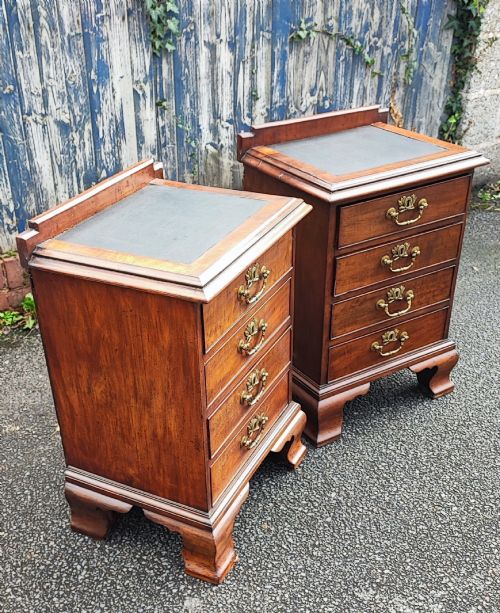
Matching pairs can anchor a room when placed on either side of a fireplace or sofa, offering symmetrical display areas.
How do I identify Edwardian tables?
Edwardian tables often feature lighter timbers like mahogany and satinwood, frequently decorated with delicate inlay work or satinwood banding. Styles bridge traditional Victorian heft and cleaner twentieth-century lines.
Look for functional formats like nests of tables, revolving bookcases, and Sutherland tables that suited the lighter, more adaptable room layouts of the early twentieth century.