


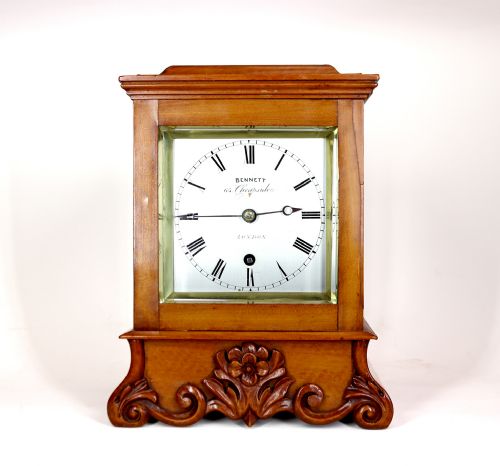


Small Victorian Clock
A small victorian clock measures time through compact brass, mahogany, and enamel forms designed for domestic interiors.
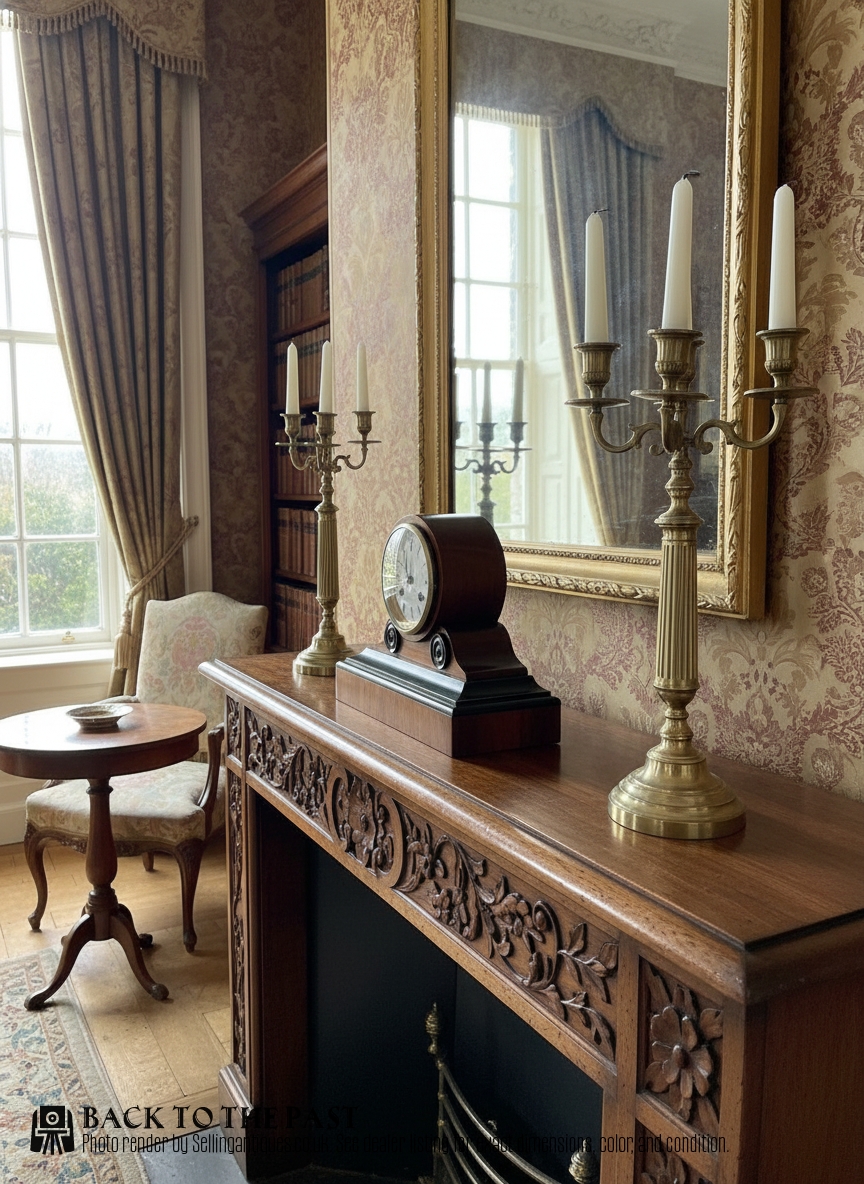
Small Victorian Clock
When you search for a small victorian clock, you encounter timepieces produced during the nineteenth century across British and continental workshops. These domestic instruments range from mahogany wall dials and fusee bracket clocks to brass carriage clocks and delicate glass mantel pieces.
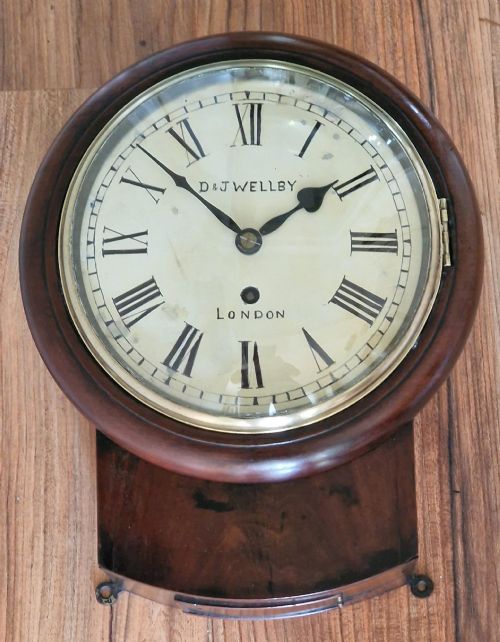
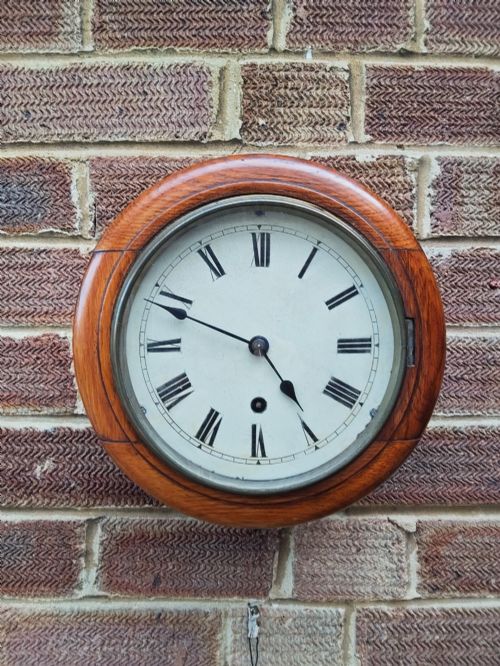
The most frequent examples appearing here are wall-hung dial clocks in oak or mahogany cases and portable brass carriage clocks. Mantel pieces and library clocks also feature regularly, offering compact mechanical timekeeping suitable for desks, shelves, and smaller rooms.
How they were made
Cabinetmakers constructed enclosures from solid hardwoods including mahogany, oak, walnut, and rosewood, frequently housing precise fusee or spring-driven movements. Metal components utilised cast brass, fire-gilded ormolu, and silver, complemented by protective glass panels that exposed the internal mechanisms.
Dials combined white enamel with painted Roman numerals, while carriage clock cases often received fine hand-engraving across their brass frameworks. Specialised workshops integrated delicate striking systems and escapements to ensure reliable domestic performance within compact dimensions.
What varies in quality
The refinement of movement engineering distinguishes standard production timepieces from superior examples. Master makers employed complex fusee mechanisms and fully engraved plates, whereas simpler versions utilised standard spring-driven platforms.
Cabinetwork quality depends upon the selection of timber veneers, such as burr walnut or figured mahogany, and the crispness of brass casting and gilding. Original components, finely painted enamel dials, and signed movements elevate the overall standard of the piece.
Mappin and Web·D&J Wellby·Richard Winter·Sir John Bennett·J Batson & Son·Harrods·Payne and Co·Joseph Jump·Drocourt·McCabe·Dalgety of Greenwich·Kendal and Dent
The Small Victorian Clock Glossary
- Fusee
- A conical pulley used in clock movements to maintain equal driving force as the mainspring unwinds. This mechanical addition ensures steady timekeeping accuracy throughout the running cycle.
- Carriage clock
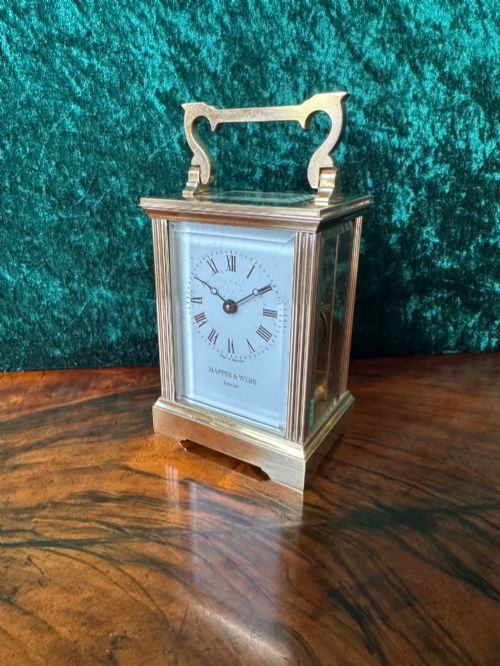
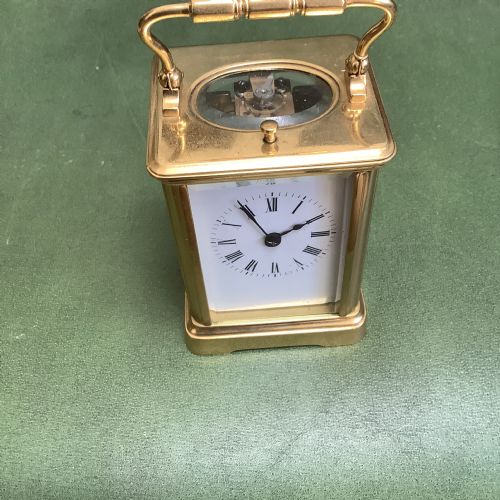
- A portable spring-driven timepiece fitted with a carrying handle and glass panels. Originating for travel, these instruments eventually became standard interior ornaments.
- Skeleton clock
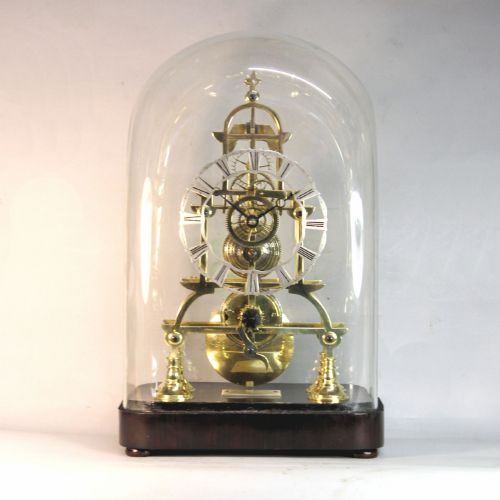
- A timepiece designed with an open brass frame that exposes the gear train and escapement to view. They were frequently housed beneath protective glass domes.
- Dial clock
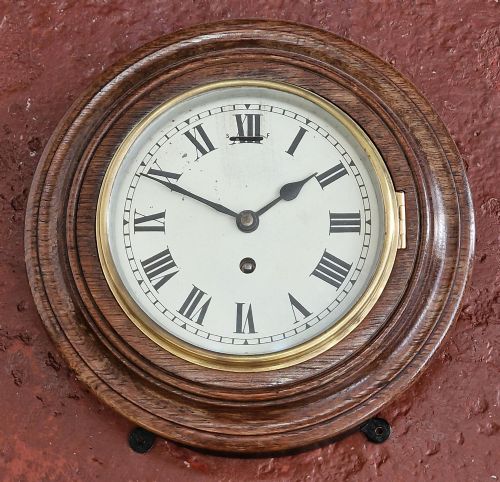
- A round wall-mounted timepiece featuring a prominent face enclosed in a wooden case. These were widely utilised in offices, railway stations, and domestic hallways.
- Grandmother clock
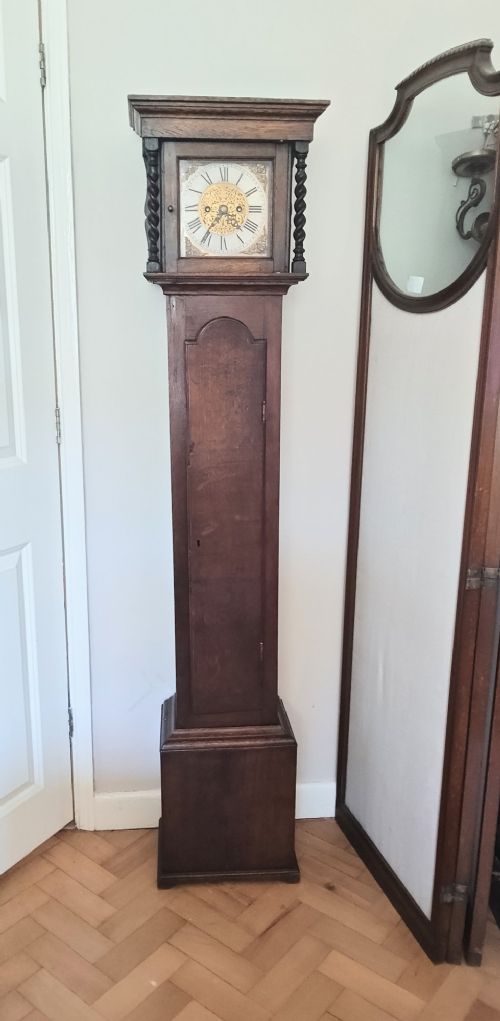
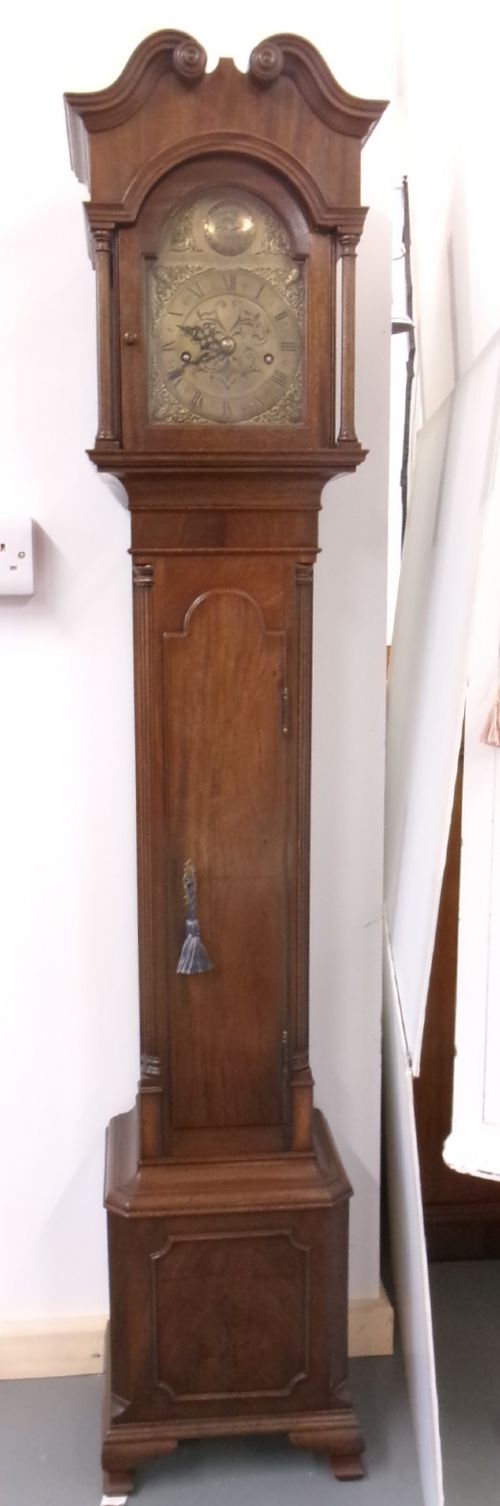
- A slender, reduced-scale version of the traditional longcase clock. They offer tall floor-standing timekeeping within restricted ceiling heights.
Small Victorian Clock: Frequently Asked Questions
How do I wind a fusee movement?
Wind the clock using a matching key inserted into the dial aperture, turning it slowly until resistance is felt. Care must be taken not to overwind the mechanism.
Ensure the key matches the square winding arbor precisely to avoid damaging the delicate brass components inside the case.
Where should I place a carriage clock?
Position carriage clocks on stable surfaces away from direct sunlight, drafts, and sources of excessive heat. Desks, mantelpieces, and secure shelves provide ideal settings.
Because these timepieces rely on delicate escapements, a level foundation is essential for the mechanism to beat evenly.
What is the difference between a timepiece and a clock?
A timepiece indicates the hours and minutes without incorporating a striking or chiming mechanism. Clocks include additional gear trains that ring bells or gongs at designated intervals.
Both categories utilise similar escapements and power sources, but timepieces operate with simpler internal layouts.
How do I identify a wall dial clock?
Wall dial clocks feature circular wooden bezels and painted faces designed to be hung directly onto vertical surfaces. Access doors are typically positioned on the side or bottom of the wooden enclosure.
They rely on single fusee or weight-driven movements to maintain reliable timekeeping in domestic and public spaces.