



Victorian Walnut Mantel Clock
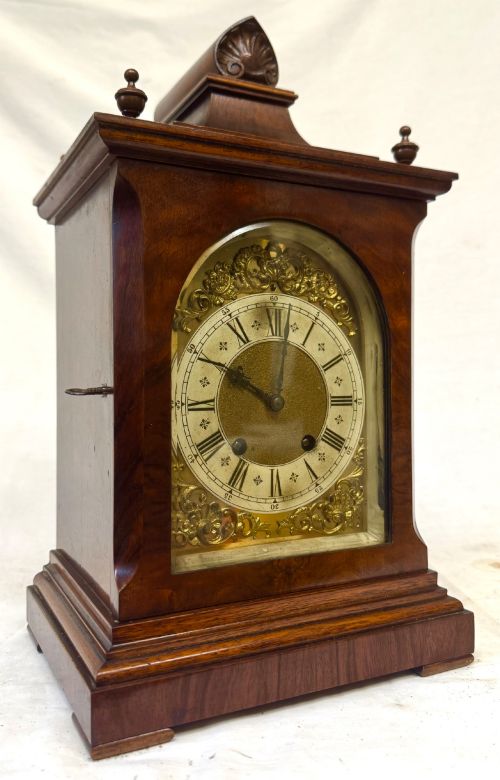
A victorian walnut mantel clock brings rich timber grain and reliable nineteenth-century movement to any room.
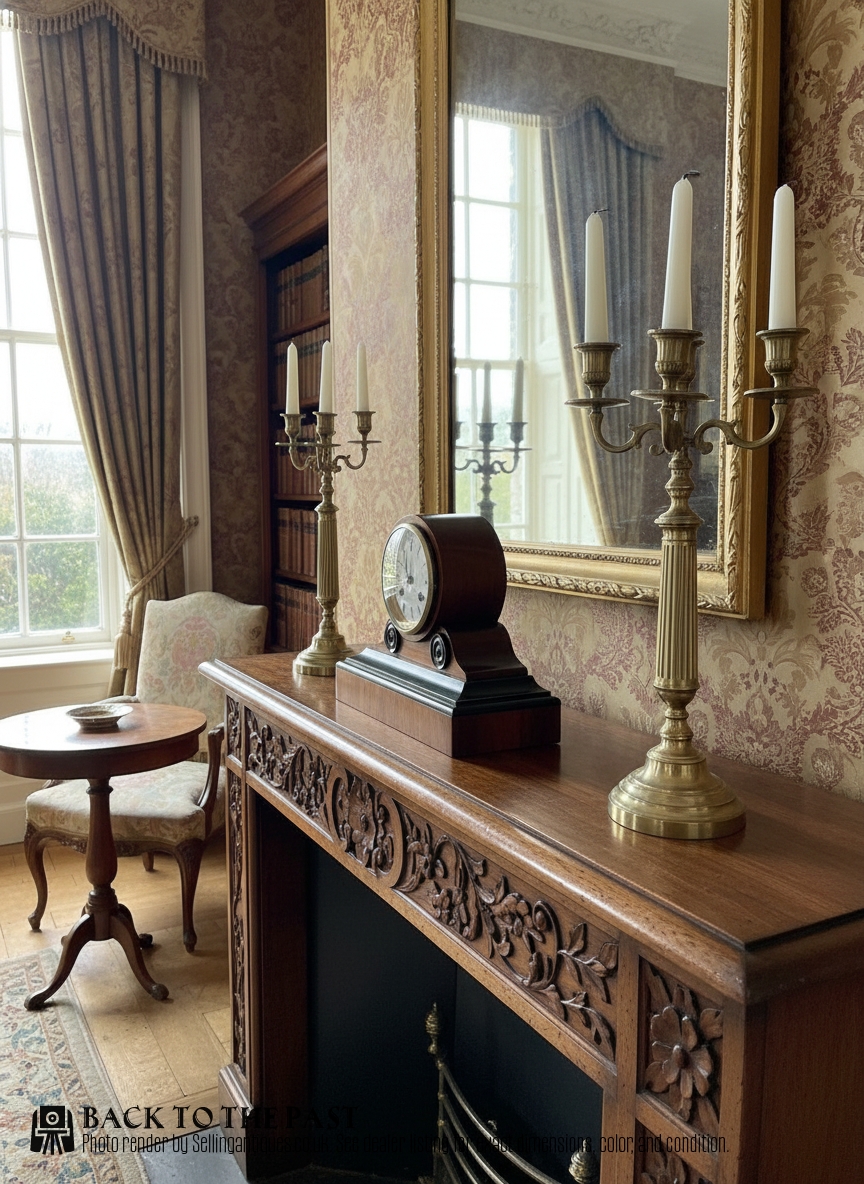
Victorian Walnut Mantel Clock
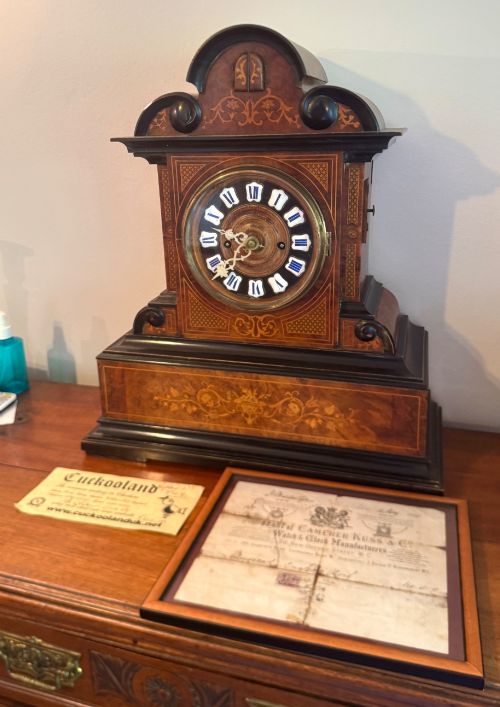
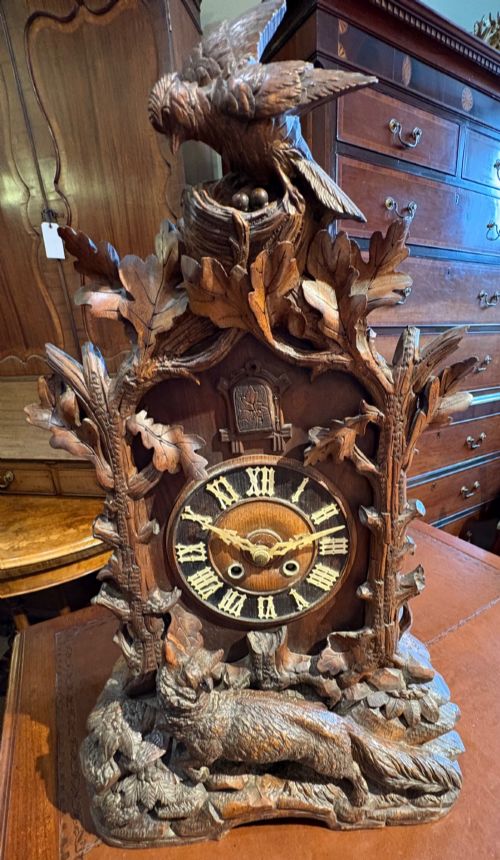
Makers such as Lenzkirch and Winterhalder & Hofmeier produced substantial striking mechanisms housed in architectural wooden cases. Alongside these, Black Forest workshops contributed carved wooden designs often featuring cuckoo complications and ornate flourishes.
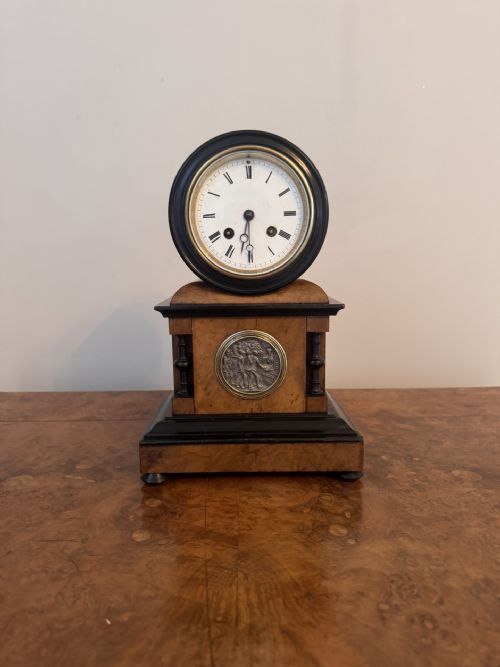
Most pieces date from the mid to late nineteenth century, utilising figured timbers like burr walnut alongside contrasting ebonised details. Buyers will encounter both simple drumhead shapes and complex musical or fusee movements.
What varies in quality
The sophistication of the movement largely dictates the tier of the piece, moving from standard eight-day striking mechanisms up to triple fusee or musical setups. The quality of the walnut veneer and the crispness of any carved or ormolu details further distinguish standard production from finer workshop outputs.
Signed movements by known makers command greater interest than unsigned equivalents, reflecting the reputation of the workshop behind the dial. Original components and well-preserved dials maintain the integrity of the piece against later replacements.
Several clocks include cuckoo mechanisms ready to emerge from carved forest foliage.
Lenzkirch·Winterhalder & Hofmeier·Seth Thomas·Connell of London·Baldwin of Loughborough
The Victorian Walnut Mantel Clock Glossary
- Fusee
- A conical pulley used in clock movements to maintain an even pull as the mainspring unwinds. This mechanism ensures consistent timekeeping throughout the running cycle.
- Bracket clock
- A portable clock originally designed to sit on a wall bracket or table surface. Many examples include matching wall brackets for mounting.
- Ormolu
- Gilt bronze mounted onto furniture and clock cases for decorative effect. The technique involves applying a gold amalgam to bronze.
- Burr walnut
- Timber taken from a walnut tree growth showing swirling grain patterns. Cabinetmakers sliced this wood into thin veneers for decorative clock cases.
- Drumhead clock
- A timepiece featuring a circular clock case mounted on a stepped wooden plinth. This form gained popularity during the mid nineteenth century.
Victorian Walnut Mantel Clock: Frequently Asked Questions
How do I wind my clock?
Use the provided key to turn the winding arbours clockwise until you feel firm resistance. Take care not to overwind the mainspring.
Consult the specific movement type to ensure you do not turn the hands backward while setting the time.
Why does the clock run fast or slow?
Changes in temperature and humidity affect the expansion of the metal movement and the wooden case. Adjusting the pendulum regulation nut corrects the timing.
Lowering the bob slows the beat, while raising it makes the clock run faster.
Where should I place a mantel clock?
Position the clock on a stable, level surface away from direct sunlight, drafts, and exterior doors. A firm foundation prevents vibrations that can disrupt the pendulum swing.
Ensure the piece sits square so the tick remains even and consistent.
What maintenance do these movements need?
Mechanical clocks benefit from professional cleaning and lubrication every few years to prevent wear on the brass pivots. Keeping the glass door closed reduces dust accumulation inside the case.
Avoid using modern domestic oils, which can gum up vintage gear trains.