

19th Century Desk Clock
A 19th century desk clock brings mechanical precision and heavy metal or polished wood to a writing space.
19th Century Desk Clock
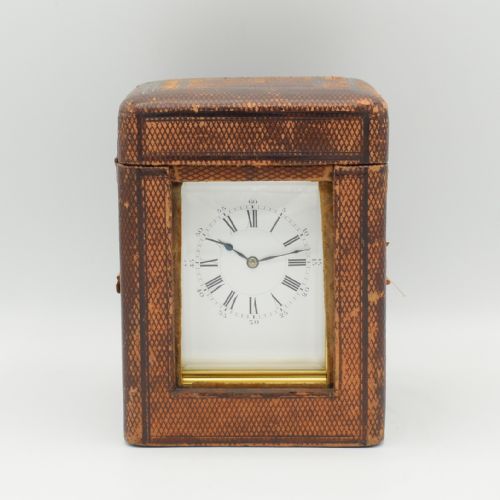
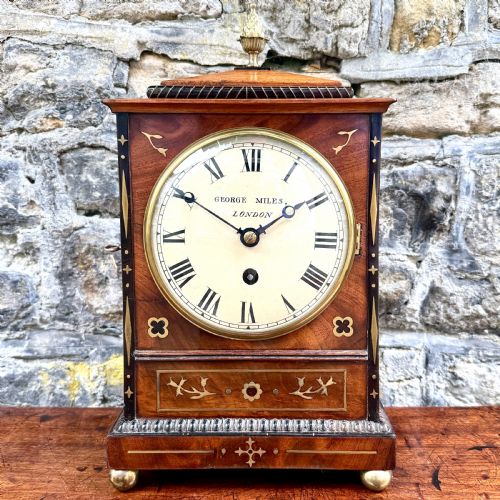
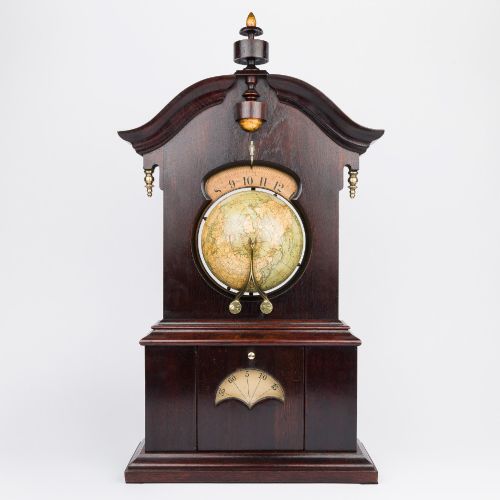
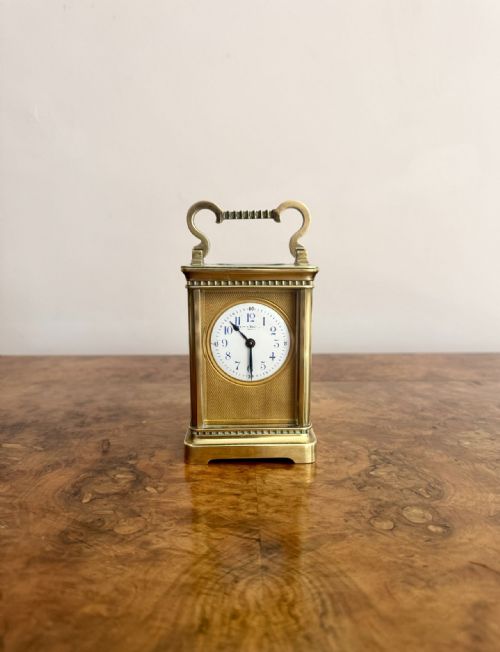
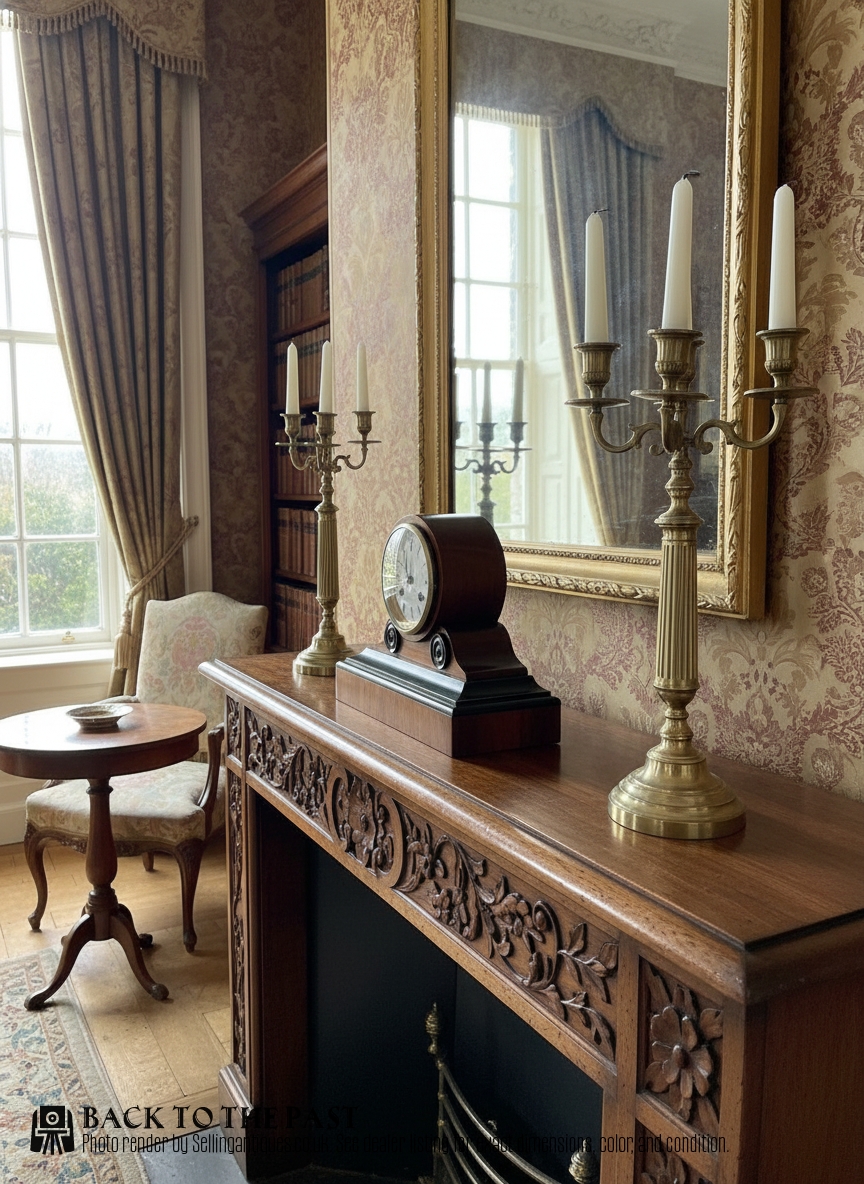
A 19th century desk clock sits on a writing table or library desk, telling time with brass gears and spring-driven movements. The selection includes heavy mantel clocks, portable carriage clocks in glass-panelled brass cases, and solid mahogany library or bracket clocks.
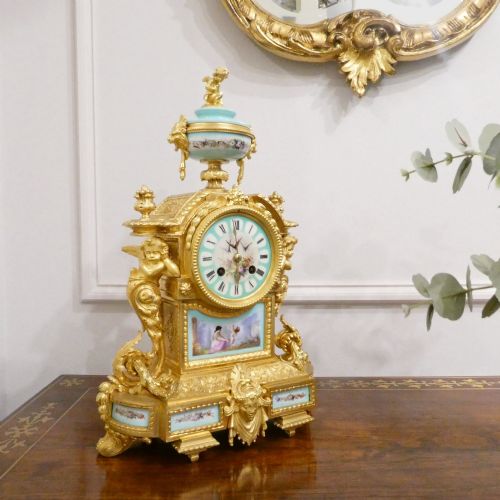
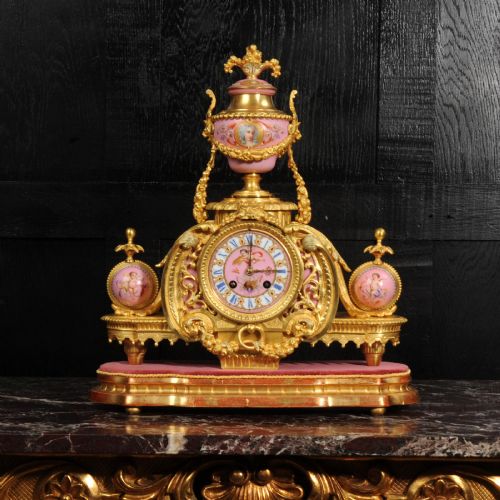
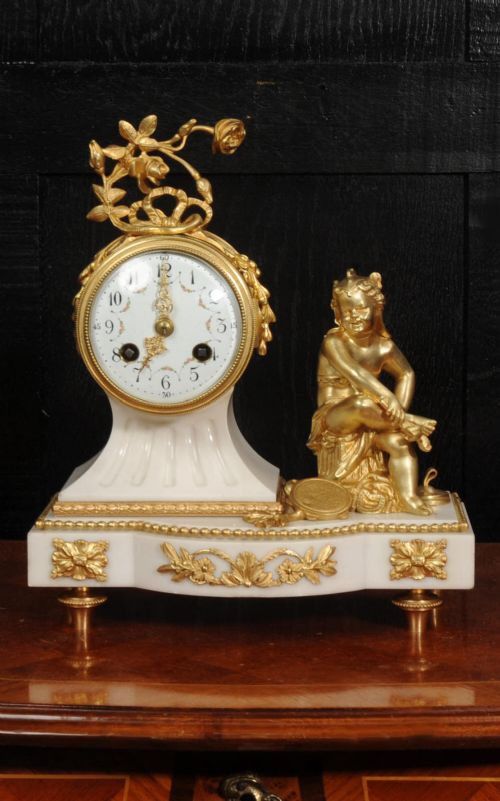
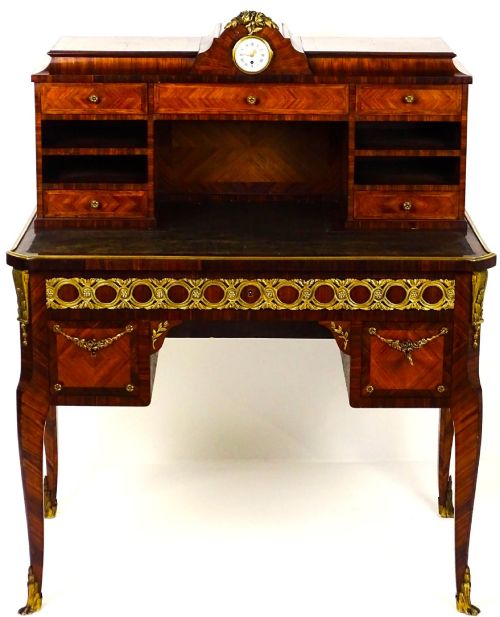
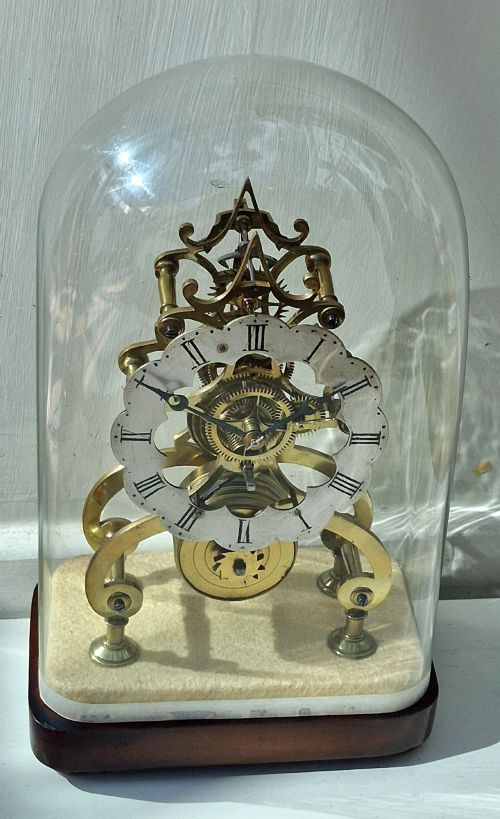
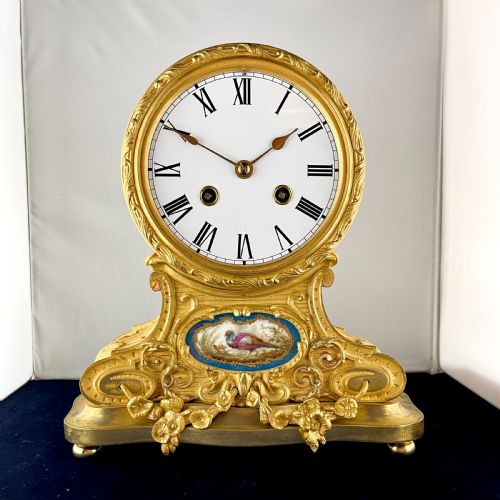
French makers dominate the offerings in gilt bronze, ormolu, and marble, often styled in Rococo revival, Empire, or classical motifs. English pieces appear in rosewood and mahogany, favouring bracket clocks and skeleton movements under glass domes.
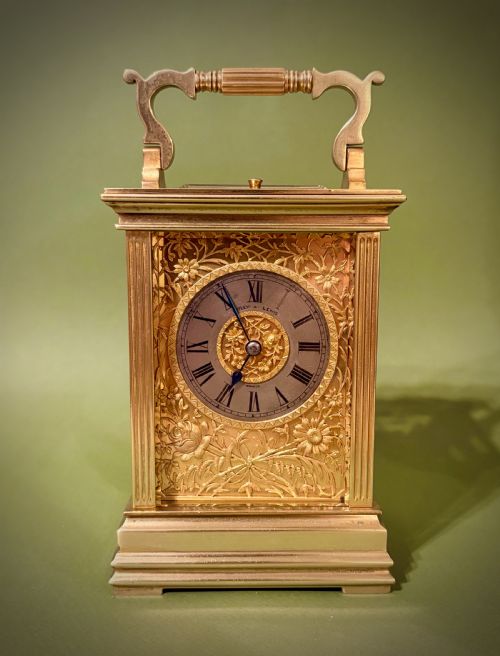
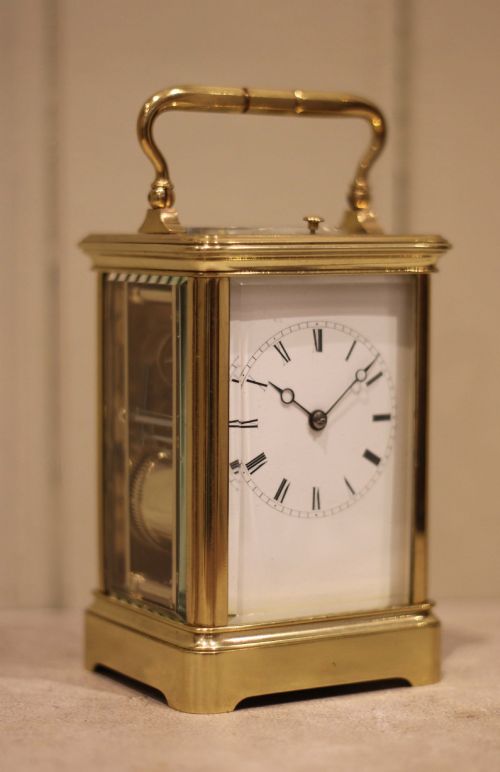
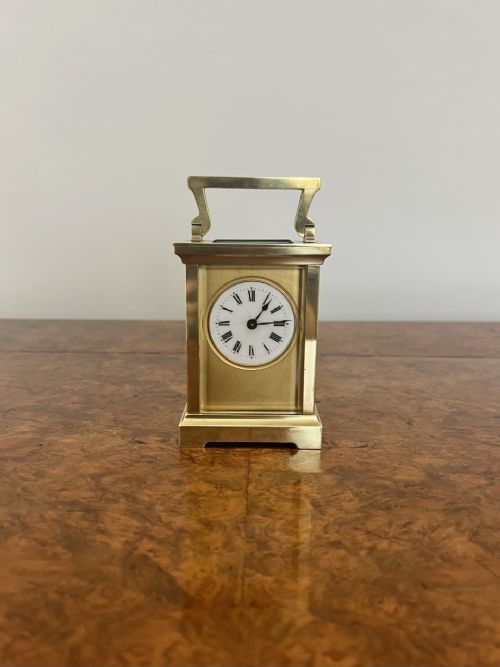
Carriage clocks are the most frequent form encountered, usually housed in gorge or doucine brass cases with white enamel dials. These portable timepieces served travellers and desk users alike, combining robust 8-day movements with travel cases.
Materials and construction
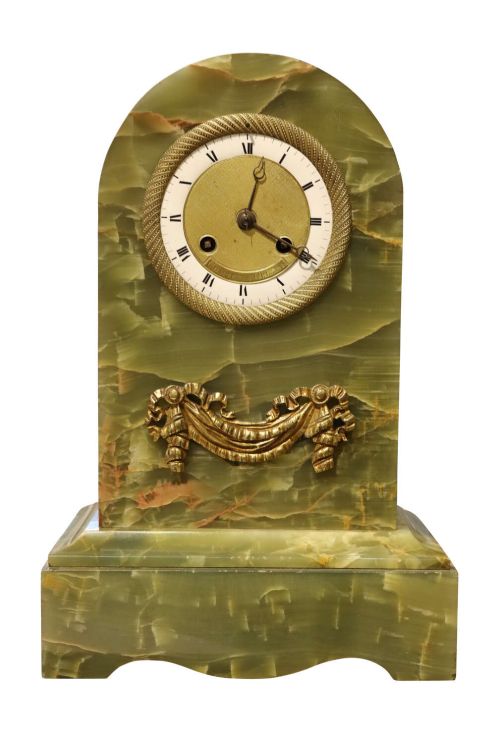
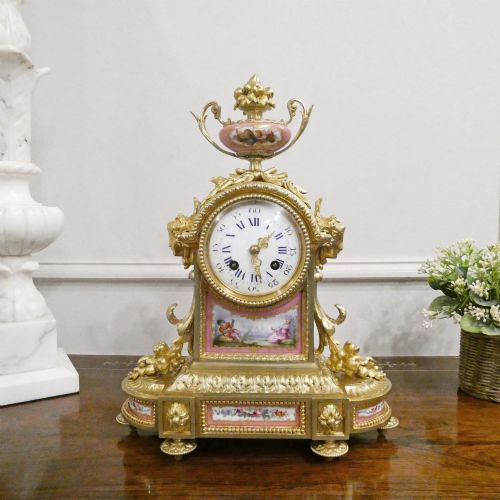
Casework relies on cast brass, gilt bronze, ormolu, and heavy marble, paired with panels of Sèvres porcelain and green onyx. Wood-cased versions utilise dense timbers like mahogany, rosewood, and kingwood.
Clockmakers fitted mechanical brass gear trains driven by mainsprings, housed inside glass-sided carriage cases or heavy stone mantels. Dials use white enamel with painted Roman numerals, frequently complemented by champlevé enamel or gilt brass bezels.
19th Century Desk Clock Retail Price Guide 2026
Typical asking prices for 19th century desk clock among the pieces listed under this phrase on Sellingantiques today, from the lower quarter to the upper quarter. They describe what is for sale here now, not the wider market.
Listings feature brass, glass, enamel, gilt bronze, ormolu, gilt brass, mahogany, and marble across 19th-century periods.
What separates the grades
The standard of engraving on the brass carriage cases and the depth of gilding on bronze mounts dictate the level of craftsmanship. Maker attribution, such as signed movements by Henri Jacot, Drocourt, or Japy Freres, marks a higher grade of manufacture.
The complexity of the movement creates distinct tiers, moving from simple timepieces to those featuring striking mechanisms, repeating work, and chimes. Dial ornamentation, including hand-painted porcelain panels and visible skeleton gear trains, further separates standard production from finer workshop output.
Achille Brocot·Henri Jacot·Japy Freres·Paul Sormani·Richard Winter·Barber and North·Thomas Jackson·Canaillor of Paris·Pickford of London·Drocourt Paris
The 19th Century Desk Clock Glossary
- Carriage clock
- A portable spring-driven timepiece designed for travel, housed in a brass case with glass panels. These typically feature folding handles and swing-out keys.
- Gorge case
- A specific style of rectangular brass carriage case with stepped mouldings to the top and bottom. It is characteristic of better-quality late period carriage clocks.
- Ormolu
- Gilt bronze produced by applying a mixture of mercury and gold to a cast bronze object. The mercury is then driven off by heat, leaving a rich gold coating.
- Skeleton clock
- A timepiece with an open framework that exposes the brass gear train and escapement. These are usually mounted on plinths and displayed under glass domes.
- Champlevé
- An enamelling technique where troughs are dug into a metal surface and filled with vitreous enamel powder before firing. It decorates the bezels and dials of many French examples.
19th Century Desk Clock: Frequently Asked Questions
How do I wind a carriage clock?
Most carriage clocks use a small key that fits onto square arbours on the backplate. Turn the key gently until resistance is met, taking care not to overwind the mainspring.
Time-only models require winding through one arbour, while striking or repeating versions require winding on separate arbours for the going train and the strike train.
How do I date a brass carriage clock?
Dating relies on examining the shape of the brass case, the escapement type, and any maker marks stamped on the movement backplate. Earlier examples from mid-century often feature platform cylinder escapements, while later Victorian pieces frequently use lever platforms.
Maker signatures and serial numbers recorded inside the case or on the movement provide more precise chronological markers.
Where should I place a library clock?
Library and bracket clocks require a stable, level surface away from direct sunlight, dampness, and heavy foot traffic that causes vibrations. Wooden mantel and desk clocks settle best on solid timber furniture.
Keeping the clock away from draughts helps maintain consistent pendulum swings or balance wheel performance.