
Small Storage Drawers
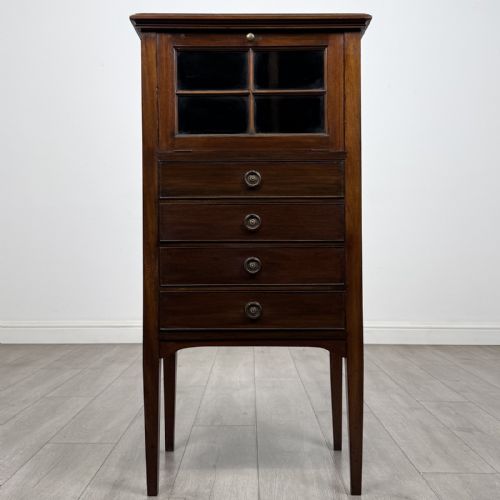
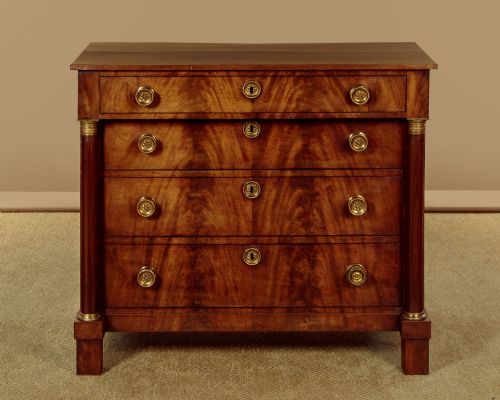
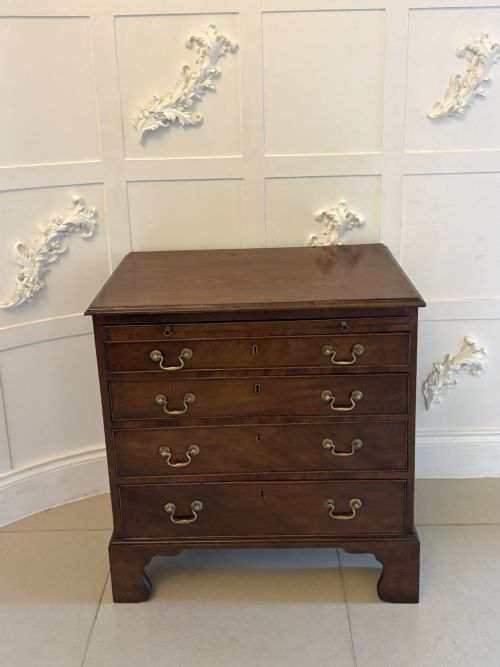
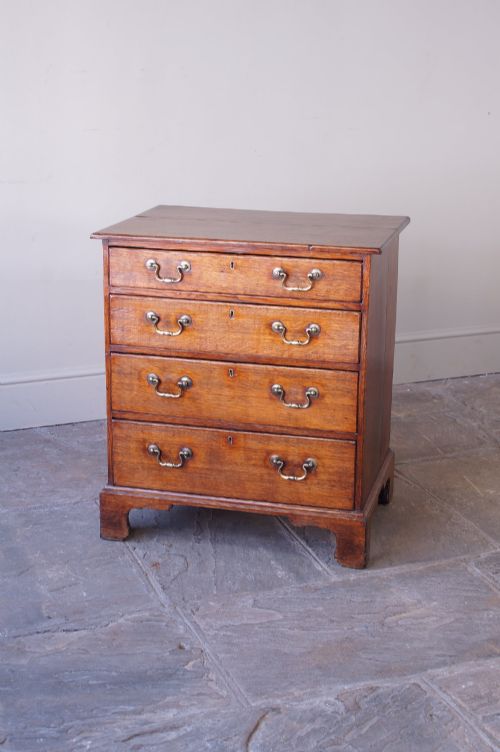
Small storage drawers offer compact organisation through periods from the eighteenth century to the art deco era, fashioned in mahogany, oak and walnut.
Small Storage Drawers
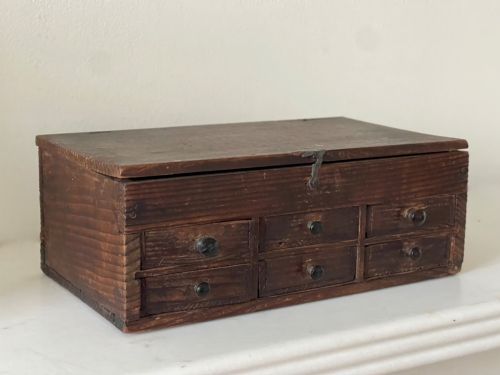
Small storage drawers encompass miniature furniture, apothecary boxes, blanket chests, filing cabinets and banks of drawers designed for desktop or floor placement. When you search for small storage drawers, you encounter compact chests, apprentice pieces and side cabinets intended to hold papers, spice, trinkets or personal items.
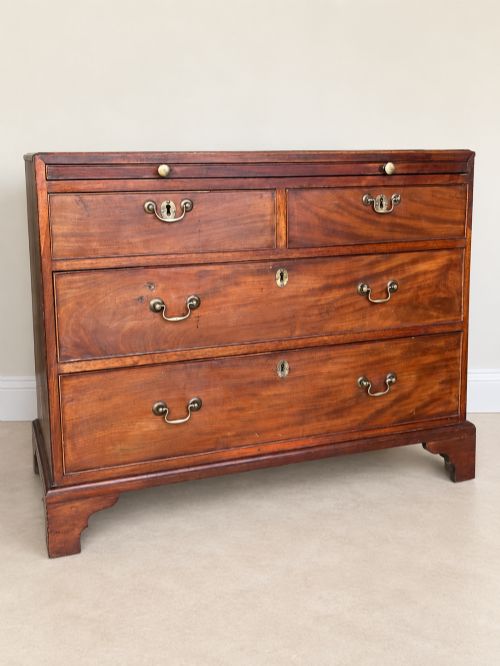
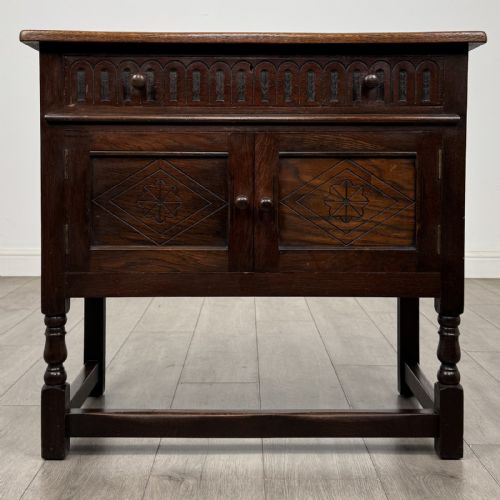
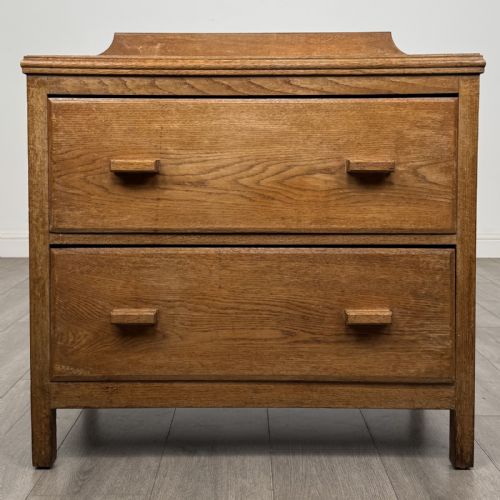
The pieces appearing on this page span the eighteenth century, the Georgian, Victorian and Edwardian periods, and into the 1930s. Mahogany and oak dominate the surviving examples, alongside walnut, burr walnut, pine, yew wood and maple.
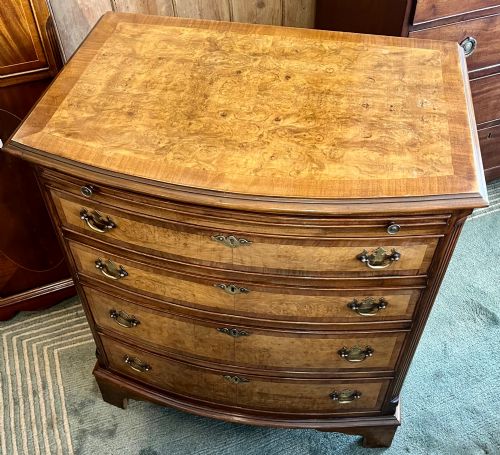
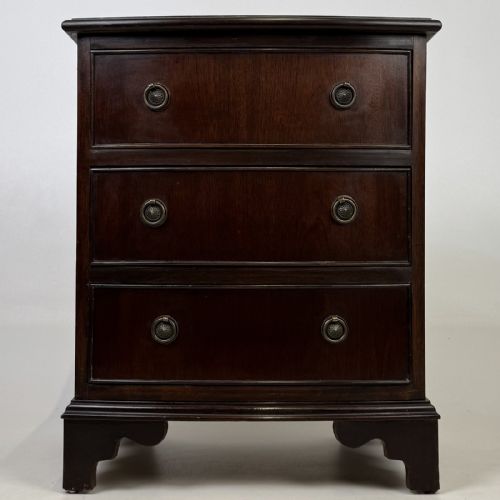
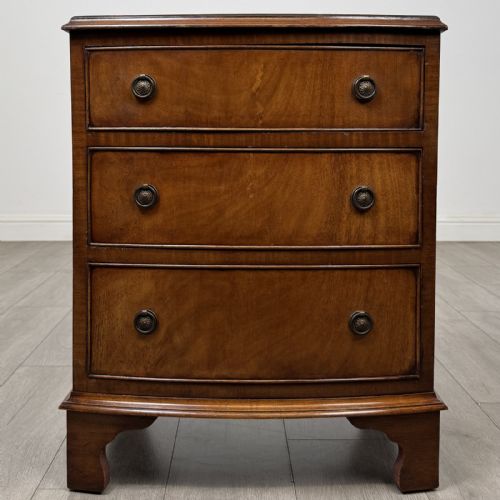
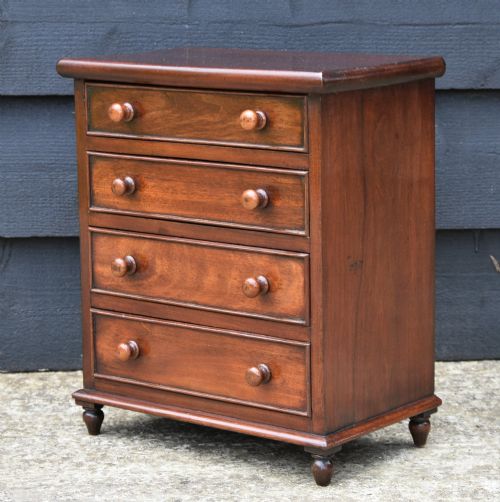
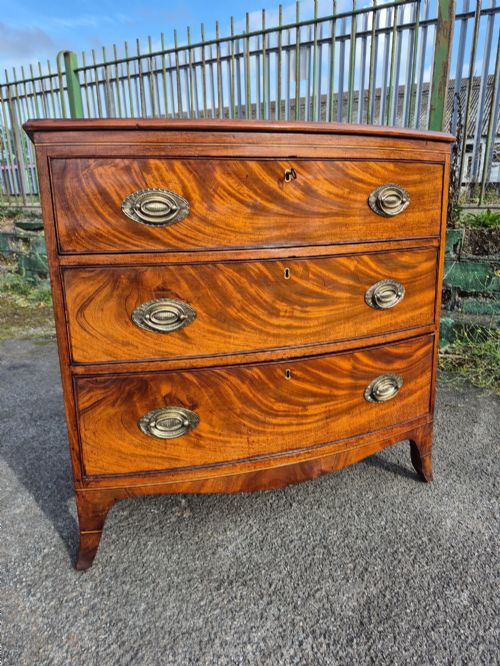
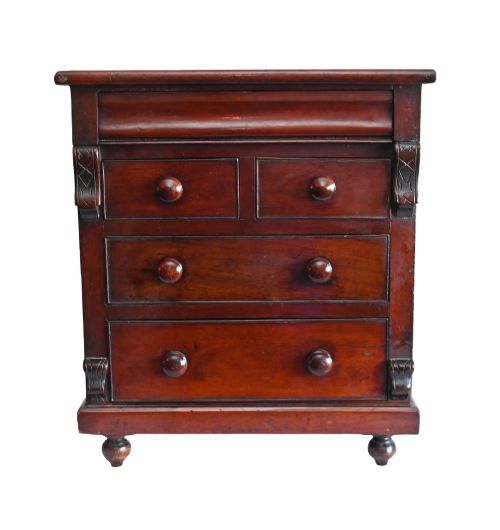
Forms range from bowfront chests and tallboys to coffer bach designs and modular filing cabinets. Buyers frequently meet George III styles, Victorian miniature chests and twentieth-century oak units adapted for domestic or commercial storage.
How They Were Made
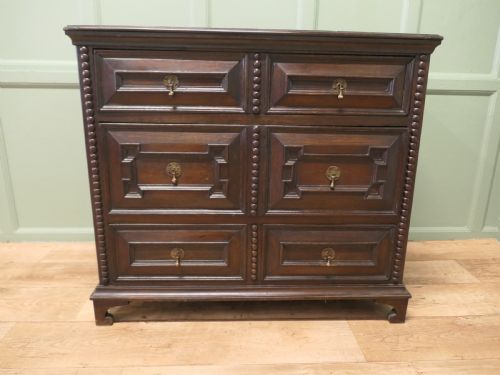
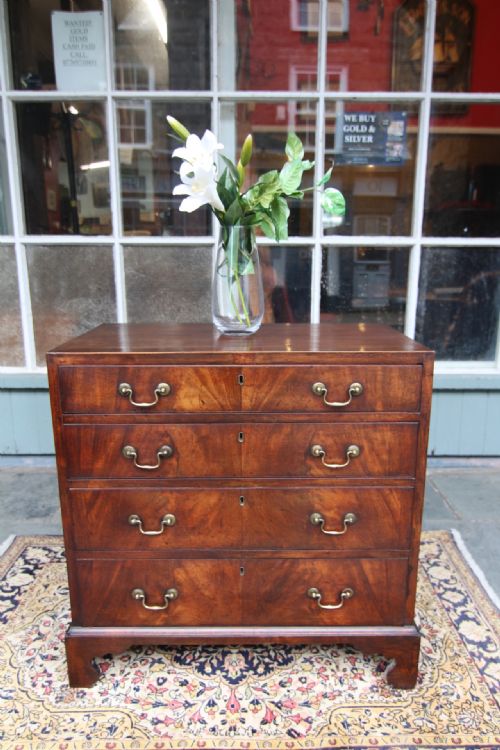
Cabinetmakers utilised solid timbers and figured veneers such as mahogany, oak, walnut and satinwood applied over secondary woods like pine. Surfaces often display crossbanding, brass handles and turned feet.
Joinery techniques include dovetail construction for drawer boxes and framed panels for carcases, finished with polish or wax to highlight natural grain patterns.
Listings feature woods including mahogany, oak, walnut, burr walnut, pine, yew wood and maple across periods from the eighteenth century to 1930.
What Varies in Quality
Proportion and wood selection determine the standing of each piece, with figured mahogany, burr walnut and satinwood veneers commanding greater visual depth. Original brass hardware and well-executed crossbanding elevate a chest above standard utilitarian versions.
Construction fidelity shows in the tightness of the dovetails, smooth drawer movement and the preservation of original backboards and feet. Altered drawer heights or replaced handles shift a piece away from its original state.
Luxmore of Ilfracombe·Gomme
The Small Storage Drawers Glossary
- Bowfront
- A convex curved cabinet front popular in the Georgian and Regency periods. This shape softens the corners of a room while maximising internal storage capacity.
- Coffer bach
- A Welsh miniature chest or blanket box featuring drawers beneath a lidded compartment. These pieces date back to the eighteenth and nineteenth centuries.
- Apprentice piece
- A small item of furniture created by a craftsman to demonstrate skill before gaining guild membership. Miniature chests of drawers often survive under this description.
- Wellington chest
- A tall, narrow chest of drawers secured by a hinged locking side stile that fastens with a key. This design originated in the nineteenth century.
- Crossbanding
- A decorative border of veneer laid with the grain running perpendicular to the surrounding wood. It frames drawer fronts and tabletops on finer Georgian and Edwardian furniture.
Small Storage Drawers: Frequently Asked Questions
What were small storage drawers originally used for?
These small storage drawers served various domestic and professional purposes, from holding medicinal spices and apothecary supplies to storing documents in a study. Many functioned as personal trinket chests or collector cabinets for specimens.
Apprentice pieces served to test a woodworker's joinery skills before full qualification, while taller banks of drawers organised office paperwork or shop inventory.
Are small storage drawers sturdy enough for daily use?
Most solid wood and veneered pieces from the eighteenth to the twentieth century remain robust enough for everyday organisation. Traditional dovetailing and hardwood construction provide lasting structural integrity.
Care should be taken with delicate miniature veneers and older drawer runners, which benefit from occasional waxing to ensure smooth operation.
What is the difference between an apprentice piece and miniature furniture?
An apprentice piece represents a specific test item made by a trainee craftsman to prove mastery of techniques like dovetailing and turning. Miniature furniture encompasses any small-scale chest produced for dollhouses, salesmen's samples or compact living spaces.
Both categories share meticulous attention to detail but differ in their original workshop purpose.