
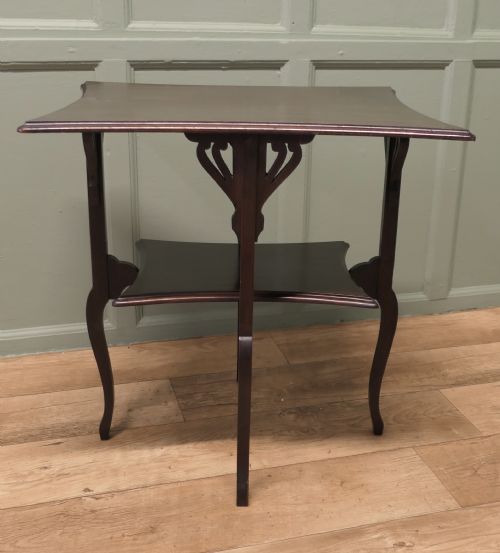
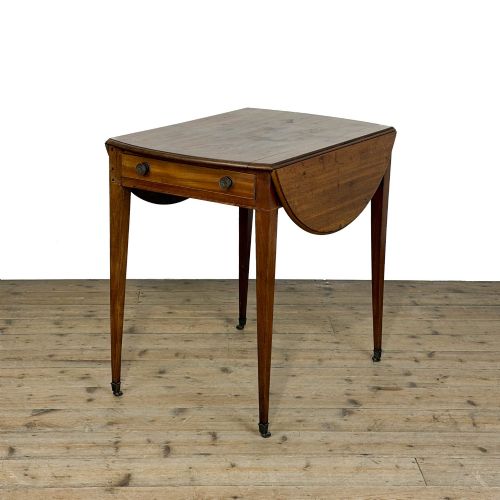
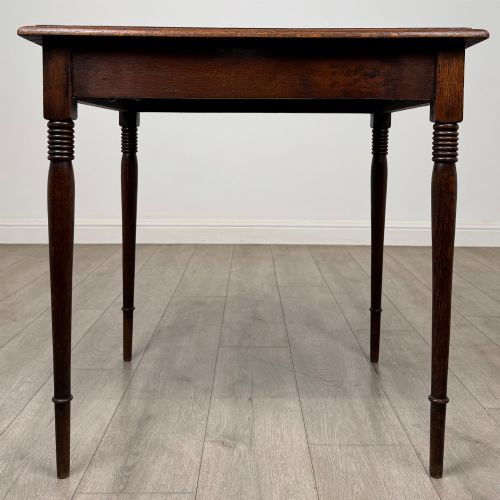
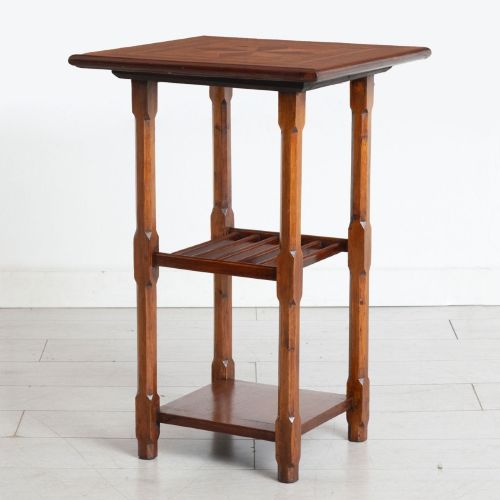



Small Square Wooden Table
A small square wooden table offers a compact surface for lamps or drinks, bringing warmth and utility to corners that larger furniture cannot fill.
Small Square Wooden Table
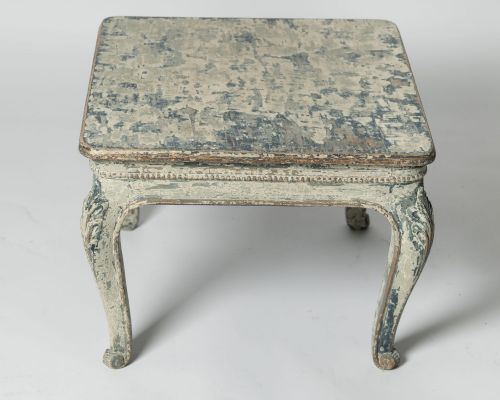
A small square wooden table serves flexible purposes around the home, appearing as side tables, lamp stands, occasional tables, or compact wine tables. When you search for a small square wooden table, you encounter diverse forms shaped by changing domestic needs across past centuries.
The pieces listed here span the Georgian, Victorian, and Edwardian eras, alongside specific movements like Arts and Crafts and French Provincial styles. Oak and mahogany dominate the material record, frequently joined by fruitwood, rosewood, and specimen timber.
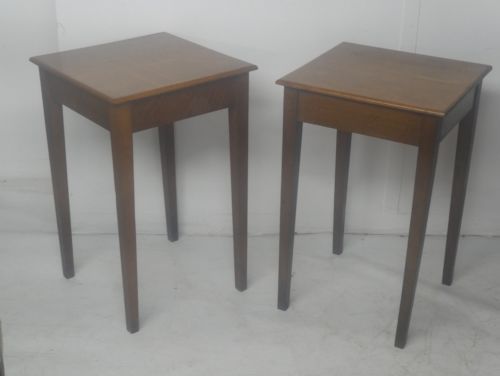
Occasional tables and lamp tables are the versions you meet most frequently on this page, often featuring compact proportions suited for placement beside armchairs or sofas.
Materials and construction
Makers utilised solid hardwoods like oak and mahogany to build durable frames, employing traditional joinery to ensure stability in daily use. Timber selection governed both the appearance and the weight of each piece, ranging from the dark grain of Victorian mahogany to the lighter tones of Edwardian oak.
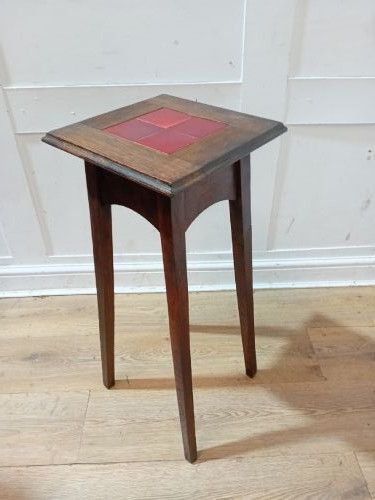
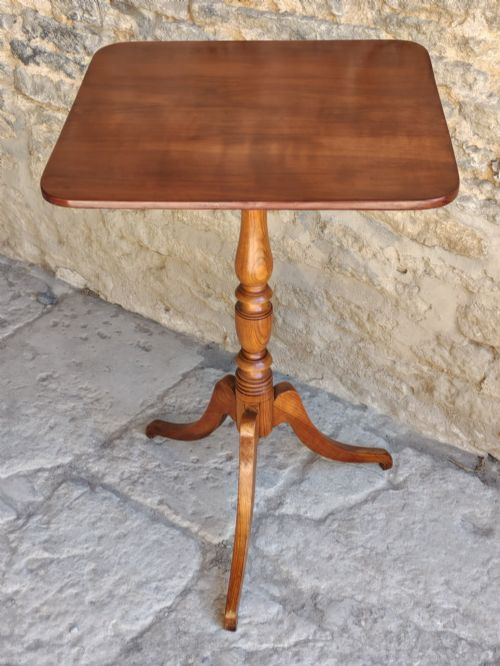
Decorative touches included inlaid timber, brass hardware, and painted finishes or ceramic details on specific Arts and Crafts stands. Turning and carving defined the legs and supports, whether shaping slender tripod bases or sturdy square framing.
Several of these small tables have spent centuries being nudged by knees, grazed by tea trays, and asked to hold everything from oil lamps to smartphones.
Distinguishing quality
Quality rests in the selection of timber and the precision of the construction, where tighter grain and careful matching of wood panels elevate a piece. Finer examples display thoughtful proportion and deliberate decorative choices, such as subtle inlay or clean carved details rather than excessive ornamentation.
The integrity of the structural joints and the preservation of the original timber surface differentiate standard utility items from finer workshop output. Pieces attributed to specific makers or distinct design movements often demonstrate superior execution in their turning and finish.
Liberty of London·Baillie Scott
The Small Square Wooden Table Glossary
- Pembroke table
- A drop-leaf table with hinged flaps on two opposing sides, designed to be expanded when needed and placed against a wall otherwise.
- Tripod table
- A small occasional table supported by a pillar above three spreading feet, allowing the top to tilt on many historical examples.
- Occasional table
- A light, movable table intended for specific, intermittent use around a principal room rather than a fixed dining function.
- Specimen wood
- Furniture constructed using a variety of different decorative timbers to showcase contrasting colours and natural grain patterns.
Small Square Wooden Table: Frequently Asked Questions
Where should I place a small square wooden table?
These compact tables fit naturally beside armchairs, in narrow hallways, or as lamp stands in corners where larger furniture would obstruct movement.
Their modest footprint allows them to serve as flexible side surfaces throughout living spaces and bedrooms.
How do I care for antique wooden surfaces?
Keep wooden tables away from direct heat sources and strong sunlight to prevent the timber from drying out or warping over time.
Regular dusting with a dry cloth and occasional application of appropriate wax help maintain the natural finish without damaging the grain.
What is the difference between an occasional table and a side table?
An occasional table historically described a light, easily moved piece brought out for specific tasks, whereas a side table remained positioned against a wall.
In modern usage, the terms often overlap, though occasional tables frequently feature lighter construction or tilting mechanisms.
How can I tell a Georgian table from a Victorian one?
Georgian pieces often display restrained classical proportions and lighter timbers like mahogany with subtle carving, reflecting 18th-century design ideals.
Victorian furniture frequently utilises heavier proportions, darker finishes, and bolder decorative turning influenced by industrial production methods.