

Small Red Tribal Rug
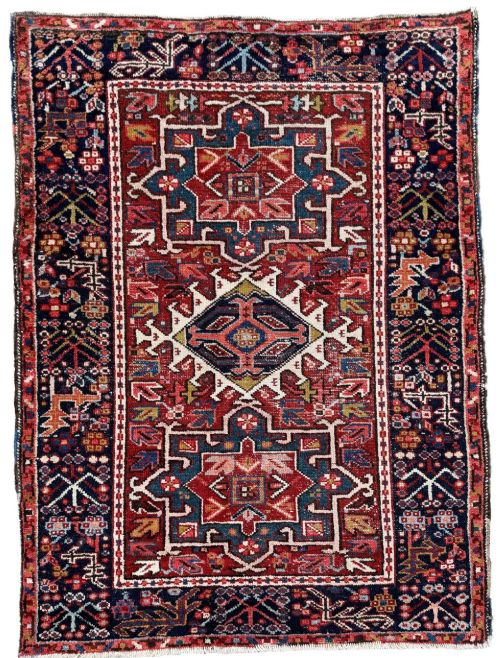
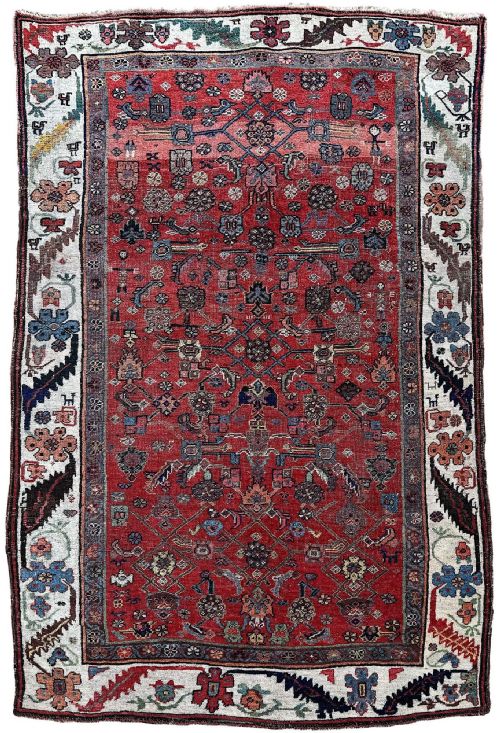
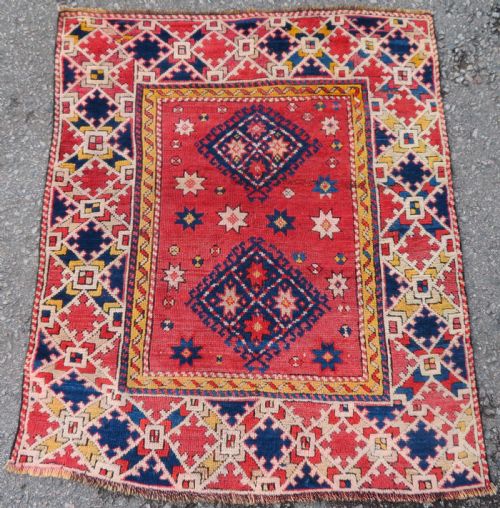
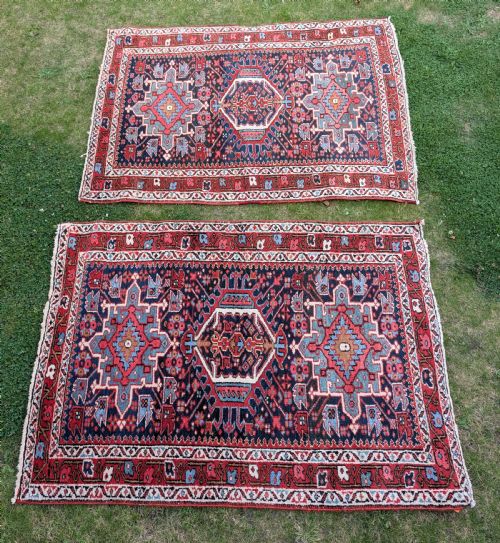
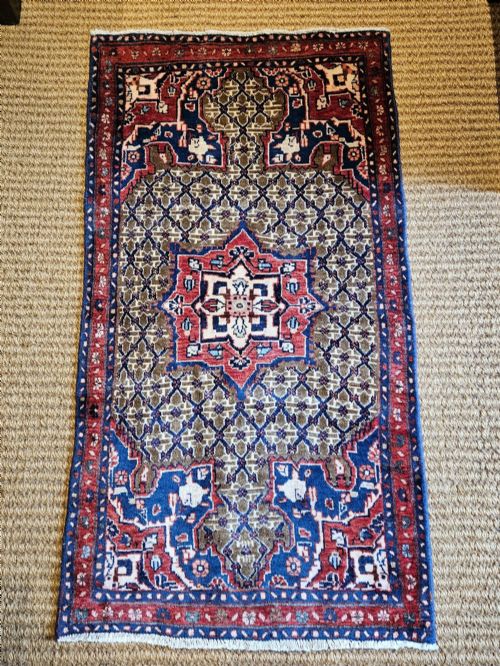
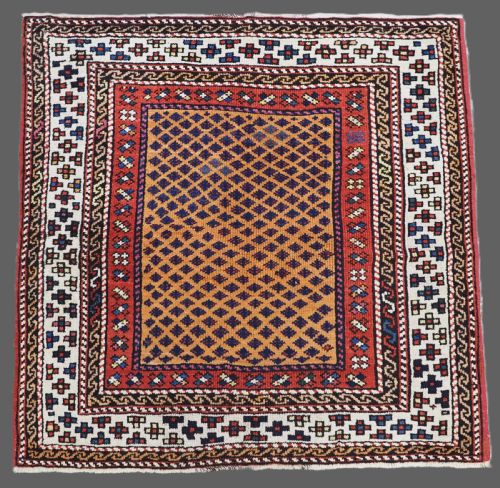
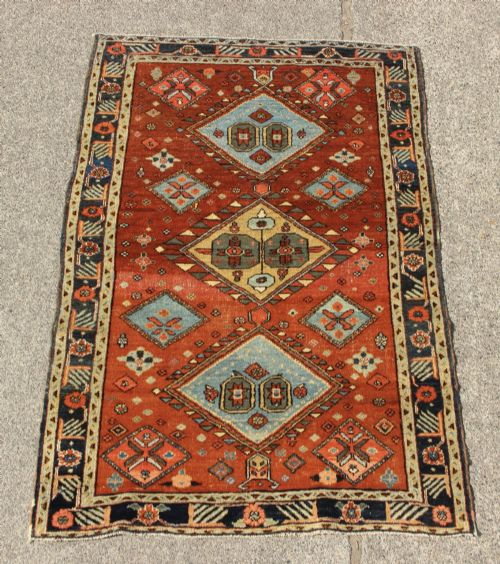
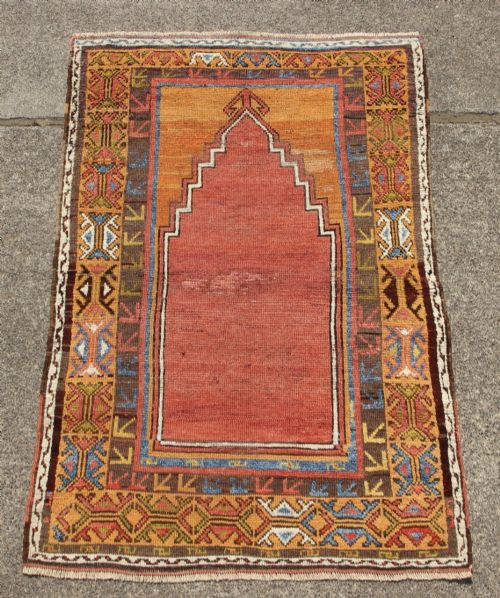
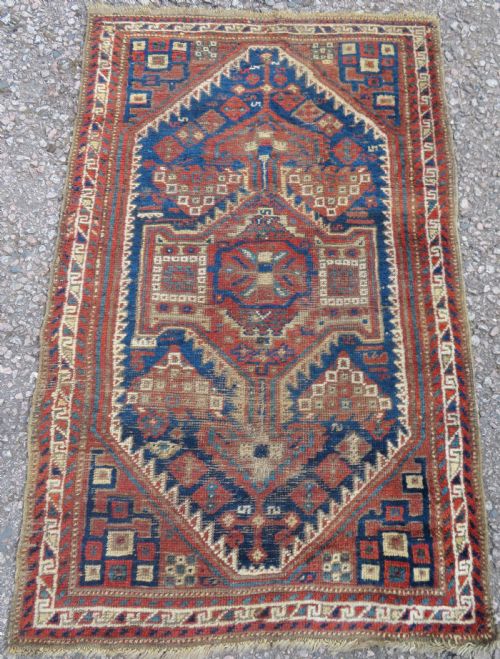
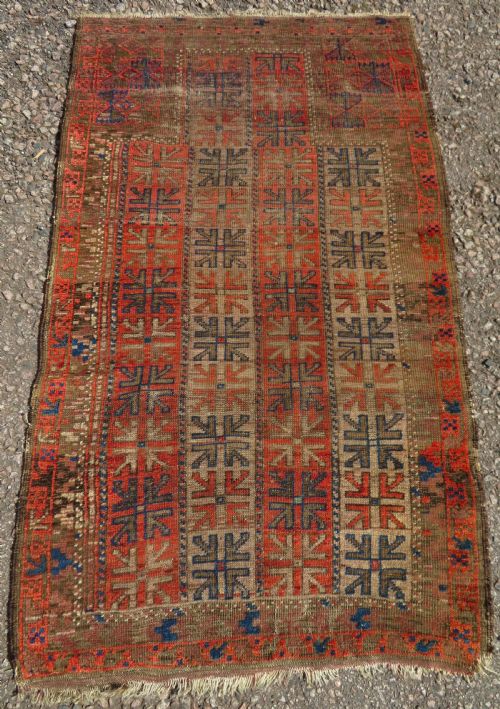
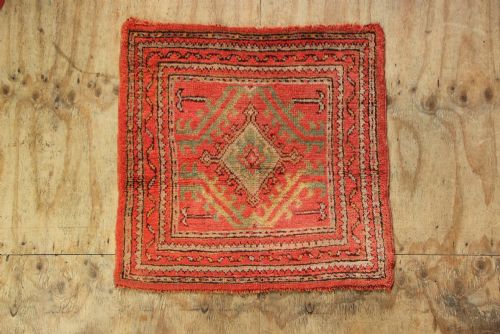
A small red tribal rug brings intense colour and geometric weight to a compact floor space.
Small Red Tribal Rug
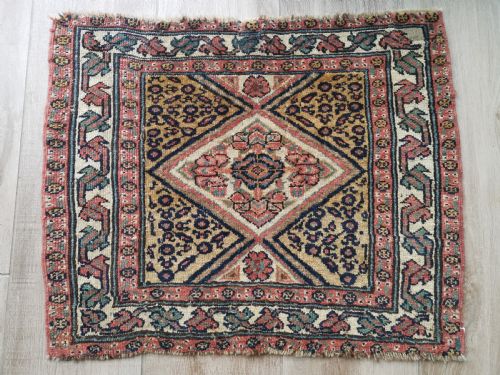
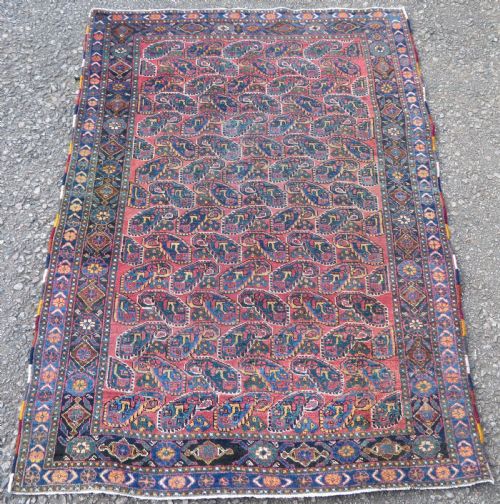
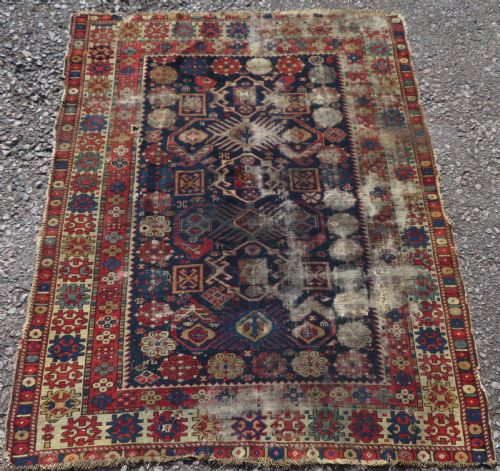
A small red tribal rug encompasses woven pieces created by nomadic and village communities across Persia, Anatolia, the Caucasus, and Central Asia during the nineteenth and early twentieth centuries. These works frequently arrive in compact formats such as area rugs, prayer mats, saddle bags, and torba faces, designed for portable domestic use or utility in tents. The colour red predominates through various madder-dyed tones, anchoring designs that rely on tribal motifs, medallions, and geometric repeats.
On this page, buyers frequently encounter pieces originating from specific groups including the Baluch, Afshar, Turkmen, and various regional Anatolian and Persian weaving centres. The selection spans the nineteenth century up to the 1930s, capturing items made for daily pastoral life rather than court workshops. Their smaller dimensions suit hearths, entryways, or narrow hallways, offering authentic village character without overwhelming a room.
Materials and Construction
Weavers constructed these textiles predominantly using hand-spun wool for both the pile and the foundational warps and wefts, occasionally incorporating cotton for structural stability. Natural dyes, particularly rich madder roots, provided the deep reds and terracotta shades that define the palette of these village and nomadic pieces.
The construction relies on manual knotting techniques executed on vertical or horizontal looms set up in camps or villages. Artisans packed the rows tightly using heavy combs, creating a dense, durable pile designed to withstand generations of foot traffic or use as functional bags and covers.
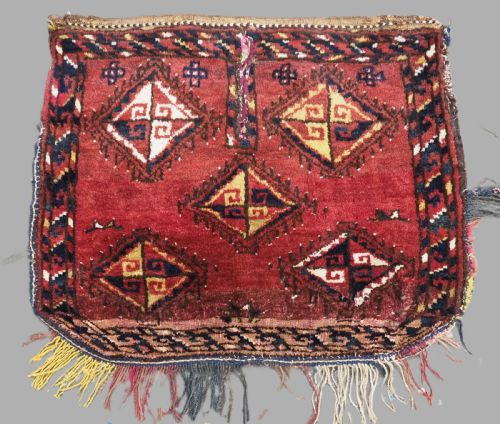
Several small bags retain their original nomadic utility, having once stored everything from salt to family treasures inside smoky tents.
Factors That Distinguish Quality
The visual depth of a piece depends heavily on the quality and saturation of the natural dyes used in the wool, where complex tonal variations yield a richer surface than flat, chemical colour. Fineness of knot density also dictates the clarity of geometric patterns and the suppleness of the finished textile in the hand.
Structural integrity and the survival of original side cords and outer borders distinguish better-preserved examples from heavily worn or altered specimens. Pieces retaining their complete original format, whether an intact prayer niche or a functional bagface, command greater respect among collectors for their untouched state.
The Small Red Tribal Rug Glossary
- Madder
- A natural dye derived from the root of the Rubia plant, producing deep red and rust hues. It forms the chromatic foundation for traditional village and nomadic palettes.
- Torba
- A small storage bag produced by Turkmen and other Central Asian groups, featuring an open face designed to hang against tent walls. These pieces display intricate tribal motifs in compressed horizontal formats.
- Prayer Rug
- A textile featuring a distinct arched niche or mihrab design at one end, oriented toward Mecca during daily devotions. Village weavers produced these in smaller formats for personal use.
- Warps
- The vertical foundational threads stretched tightly on the loom before knotting begins. The pile knots are tied around these structural strands.
- Gul
- A medallion or repeated octagonal motif characteristic of Turkmen and Central Asian carpet weaving. Each pattern often identifies a specific tribal affiliation or clan.
Small Red Tribal Rug: Frequently Asked Questions
Where were these small rugs made?
The pieces originate from nomadic tribes and settled villages across Persia, Anatolia, the Caucasus, and Central Asia. Communities such as the Baluch, Afshar, and various Turkmen groups produced them for domestic utility.
Production centres extended from mountain villages in western Persia down to desert oases, each region applying distinct geometric vocabularies and local dyeing traditions to their wool textiles.
How were these tribal pieces used originally?
Nomadic and village families utilised these textiles for practical functions within tents and modest homes. Formats ranged from small floor mats placed by hearths to functional bags used for grain, bedding, and saddle transport.
Many surviving items began as container faces, such as torbas or chantehs, which were later separated from their backing fabrics. Their portable nature suited the seasonal migrations of pastoral groups.
How do I style a small tribal rug at home?
Their compact dimensions make these textiles versatile accents for hearths, entryways, kitchen spaces, or as wall-hanging focal points. The strong red tones and geometric patterns complement both traditional rustic interiors and modern minimalist rooms.
Placing them in low-traffic areas or utilising a breathable underlay helps protect the historic wool pile while introducing rich texture and historic colour to a modern floor plan.
How can I tell the different regional styles apart?
Regional attribution relies on specific structural characteristics, colour palettes, and repeating motifs unique to individual tribes or weaving centres. Turkmen pieces often display deep red fields with repeating guls, while Baluch works lean towards darker indigo and rust tones with prayer formats.
Anatolian and Persian village rugs frequently employ bolder central medallions and latch-hook borders, reflecting the specific heritage of the weavers who knotted them.