






Antique Turkoman Textile
An antique turkoman textile brings centuries of nomadic heritage into a room, offering rich tribal patterns woven by hand to last.
Antique Turkoman Textile
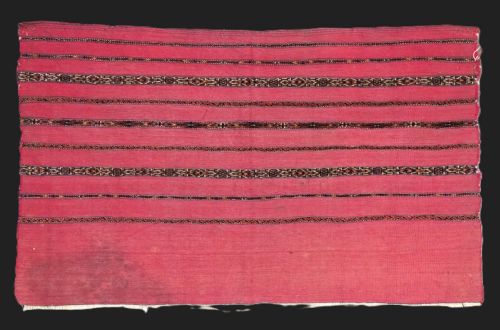
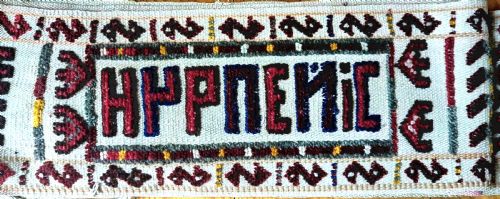
When you search for an antique turkoman textile, you are looking at tribal weavings created by nomadic and semi-nomadic groups across Central Asia. These pieces range from tent bands and yurt components to functional bags and rug panels made for domestic life or ceremonial use.
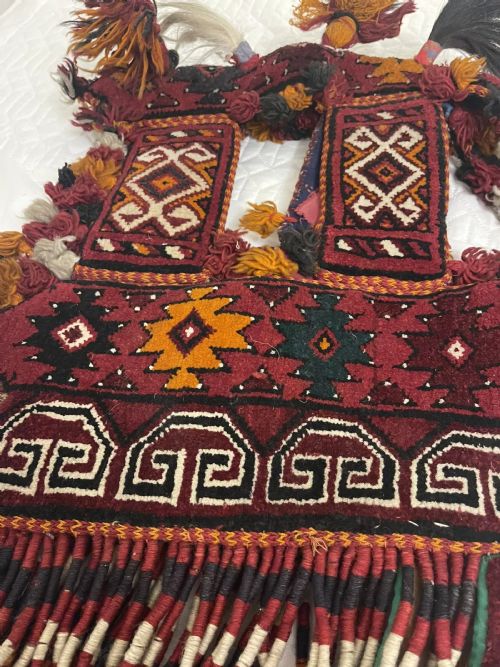
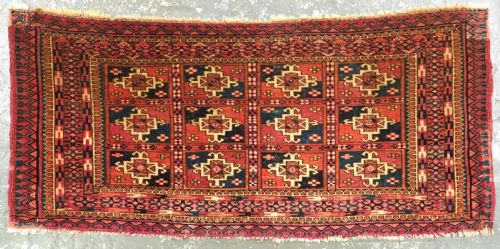
You are most likely to meet chuval faces and tent bands on this page, representing tribes such as the Tekke, Yomut, and Ersari. These works span from the eighteenth century into the early twentieth century, showing distinctive tribal designs and formats.
The forms vary from long structural yurt bands to smaller bag faces like the mafrash and okbash. Each object reflects the practical needs and artistic traditions of Turkmen and Central Asian tribal makers.
What varies in quality
The fineness of the weave sets the baseline for quality in these tribal weavings. Tighter knots and precise handling of traditional motifs elevate a piece above standard examples.
The clarity and saturation of natural dyes distinguish superior works from simpler ones. Well-preserved structures and intact tribal designs also separate exceptional fragments and full faces from ordinary survivals.
Some tent bands stretch fifty feet long, proving that nomadic interior design took serious commitment.
Tekke Turkmen·Yomut Turkmen·Ersari Turkoman·Salor Turkoman
The Antique Turkoman Textile Glossary
- Chuval
- A large storage bag face produced by nomadic tribes for household possessions. These items display intricate tribal patterning and dense wool construction.
- Gul
- A medallion motif repeated across tribal carpets and textile faces. This primary design element often identifies the specific tribe or sub-group.
- Mafrash
- A rectangular storage bag or panel used within a nomadic tent. These pieces feature concentrated design fields suited to domestic organisation.
- Okbash
- A specialised tent pole bag designed to cover the ends of roof struts. Such items combine practical utility with traditional tribal aesthetics.
- Tent Band
- A long woven strip used structurally to secure a yurt or tent framework. These continuous bands display repeating geometric layouts.
Antique Turkoman Textile: Frequently Asked Questions
How were these textiles used?
Nomadic groups utilised these woven pieces inside tents and portable dwellings for storage and structural support. Items like chuvals held household goods, while tent bands secured the wooden framework of the yurt.
Other textiles served as wedding trappings or decorative elements for animal transport during migrations. Every piece fulfilled a practical role within daily tribal life before becoming a collector's item.
How do I care for a textile?
Protect the wool and natural dyes by keeping the textile away from direct sunlight and excessive moisture. Gentle vacuuming with a mesh screen safeguards the pile without pulling loose fibres.
Avoid hanging heavy fragments by a single point to prevent structural strain over time. Professional textile conservationists can provide deeper guidance for fragile or eighteenth-century examples.
How are tribal designs distinguished?
Tribal attribution relies on identifying specific guls and border motifs unique to groups like the Tekke or Yomut. Colour palettes also help locate the origin within Central Asia.
Structural traits such as weave density and foundation materials offer further clues to the makers. Comparing known regional formats clarifies the specific tribal background.
Can these be displayed on walls?
Many smaller rug panels and bag faces adapt well to vertical display as wall art. Mounting systems that distribute weight evenly across the textile prevent distortion.
Tent bands and long fragments make striking linear displays along hallways or above furniture. Ensure proper backing supports any heavier wool piece before hanging.