

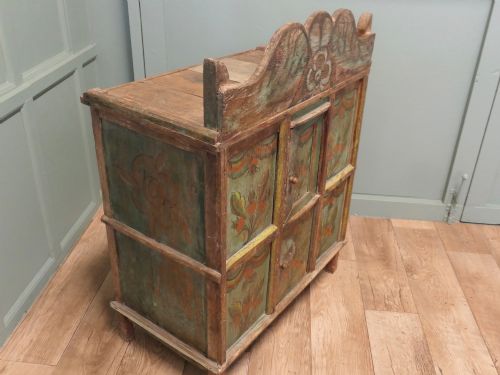
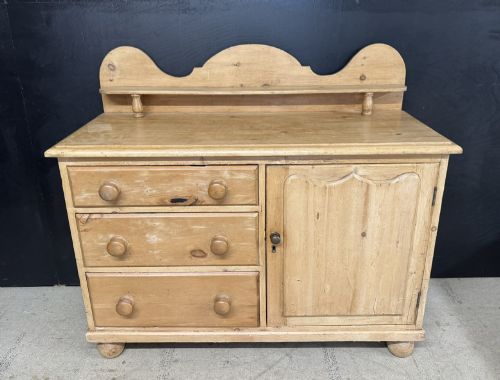
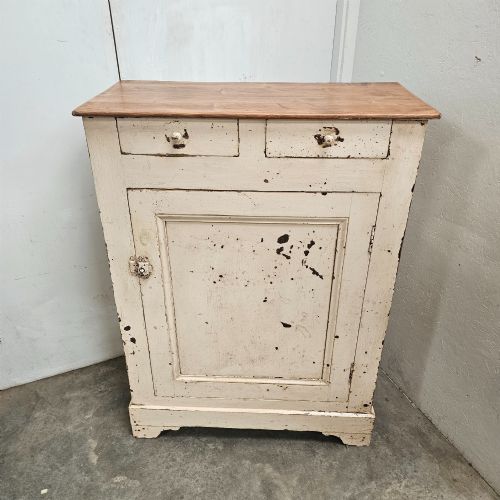


Small Pine Sideboard
A small pine sideboard is a compact wooden storage piece offering surface space and cupboards or drawers, ideal for tight rooms needing character.
Small Pine Sideboard
A small pine sideboard sits within a lineage of utilitarian timber furniture built for domestic storage, spanning kitchen dressers, chiffoniers, and low cupboards. These pieces emerge in styles ranging from Georgian and Regency to Victorian, Edwardian, and later country traditions.
The version most commonly met on this page is a modest, practical pine storage unit, often encountered in stripped finishes, painted surfaces, or waxed treatments. They appear in configurations of single doors, double doors, or arrangements featuring small banks of drawers.
Makers adapted these forms for smaller domestic spaces, producing shallow dresser bases, confituriers, and bowfront sideboards from durable woods. Buyers select them for their warmth, historical texture, and ability to fit narrow hallways or dining rooms.
How they were made
Carpenters constructed these sideboards using solid pine, occasionally utilising pitch pine for greater density or incorporating brass hardware, bone escutcheons, and glass panels. Surfaces received traditional treatments such as wax polishing, hand painting, or stripping down to the raw grain.
Construction techniques include pegged joints, dovetailed drawer construction, and applied mouldings, reflecting regional workshop standards across the nineteenth and early twentieth centuries. Decorative touches like faux bamboo turnings or ebonised details distinguish specific regional outputs.
Small Pine Sideboard Retail Price Guide 2026
Typical asking prices for small pine sideboard among the pieces listed under this phrase on Sellingantiques today, from the lower quarter to the upper quarter. They describe what is for sale here now, not the wider market.
Listings feature pieces spanning the eighteenth, nineteenth, and early twentieth centuries, constructed primarily from pine and pitch pine with brass and bone details.
What varies in quality
The distinction between standard utility items and finer examples rests on the crispness of the joinery, the integrity of the timber, and the subtlety of original surface treatments. Superior pieces display carefully selected pine boards with balanced grain patterns and intact period hardware like brass handles or bone locks.
Proportion and execution drive value, where restrained mouldings and well-balanced drawer arrangements elevate a simple storage unit into a refined regional cabinet. Later alterations or heavy-handed stripping can diminish the visual harmony established by the original maker.
Melissa White
The Small Pine Sideboard Glossary
- Pine
- A soft timber derived from coniferous trees, widely utilised in British and European furniture making for its accessibility and workability. It takes paint, wax, and stain readily.
- Chiffonier
- A low sideboard or cabinet featuring cupboards below and often a shelf or drawers above, popular during the nineteenth century. It provides compact storage for dining rooms and reception spaces.
- Bowfront
- A furniture front curved outward in a convex arc, seen on select Georgian and later sideboards. This shape softens the corners of a room and requires skilled carpentry.
- Confiturier
- A French jam cupboard designed with shelves for preserving jars, usually built with a single door. These pieces bring continental proportions and painted finishes to small storage furniture.
- Pitch Pine
- A durable, resinous variety of pine timber known for its strong grain patterns and reddish hue. Cabinet makers employed it for pieces requiring extra structural resilience.
Small Pine Sideboard: Frequently Asked Questions
How do I date a pine sideboard?
Dating relies on construction methods, hardware types, and timber characteristics visible in the piece. Hand-cut dovetails, original brass pulls, and surface wear point toward specific historical periods like the Georgian or Victorian eras.
Later pieces often feature machine-cut elements or standardised fixings. Comparing the drawer linings and backboards helps confirm the manufacturing era.
Are these sideboards suitable for small kitchens?
These compact storage units serve well in kitchens and dining areas needing extra surface area and enclosed shelving. Their modest footprints fit narrow spaces without dominating the room.
Waxed or painted finishes handle normal domestic use provided spills are wiped promptly. They offer practical storage for tableware and linens.
What is the difference between waxed and painted pine?
Waxed pine highlights the natural grain and golden tones of the timber through traditional polishing methods. This finish develops a soft sheen over decades of handling.
Painted pine introduces colour and decorative character, often associated with French provincial or country styles. Historic paint finishes add layer and texture unique to specific workshops.
Can I use a chiffonier as a sideboard?
A chiffonier functions effectively as a sideboard counterpart, offering enclosed cupboard space and surface room for serving or display. Their slightly different proportions often include useful drawer arrangements.
Placing one in a dining room or hallway provides similar utility to a traditional low sideboard. Their historic designs complement diverse interior settings.