



Small Persian Mat
A small persian mat brings hand-knotted village and tribal artistry into compact spaces, offering dense wool pile and rich traditional patterns.
Small Persian Mat
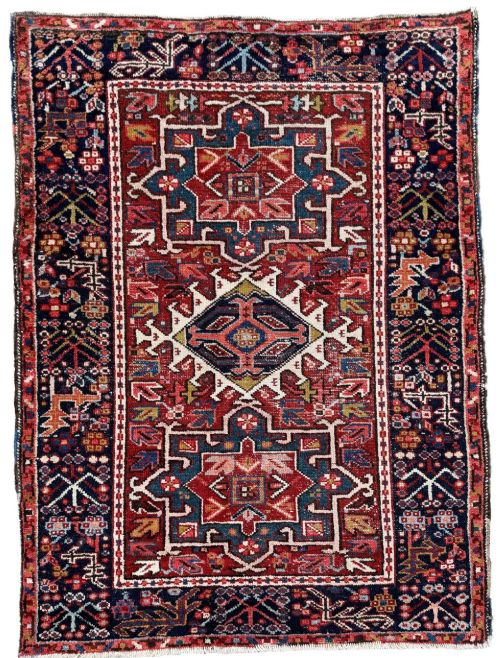
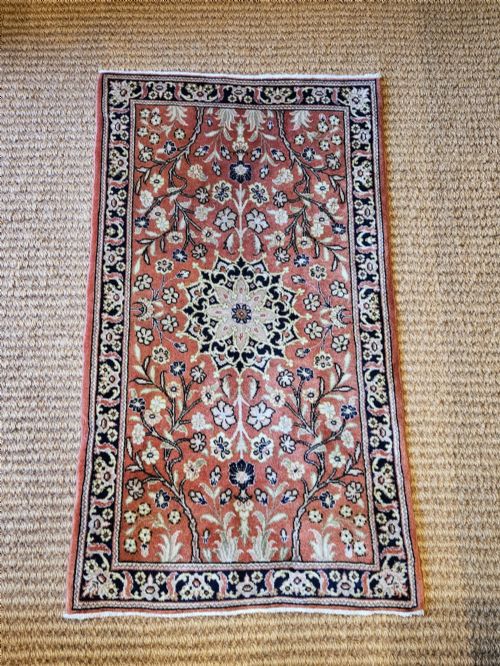
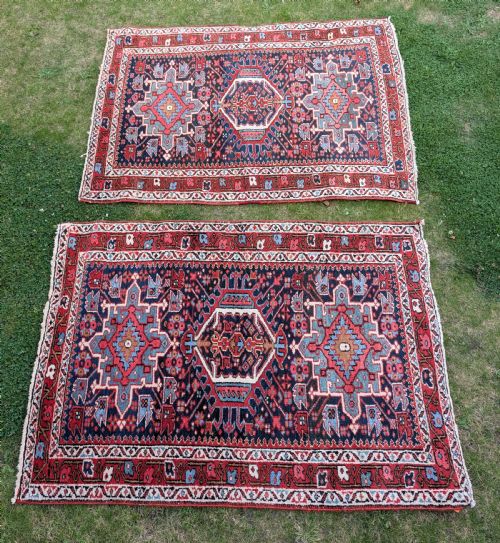
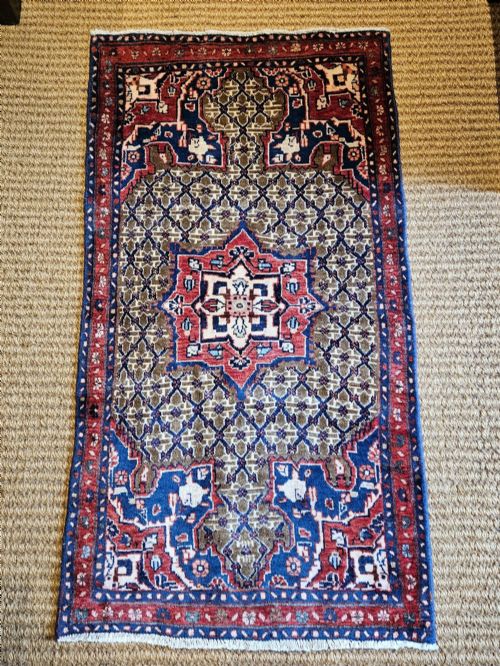
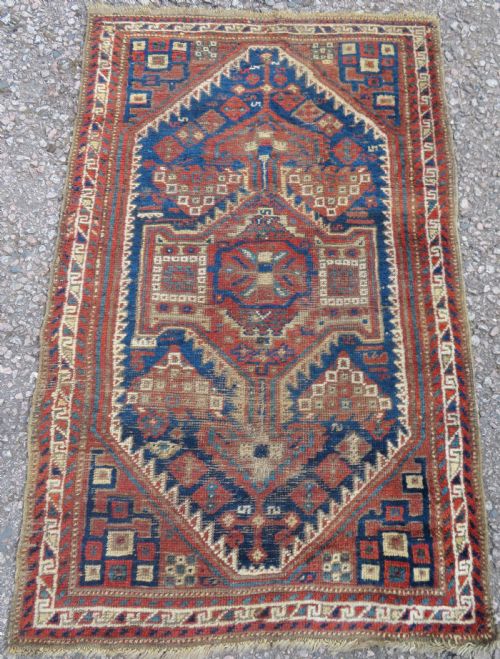
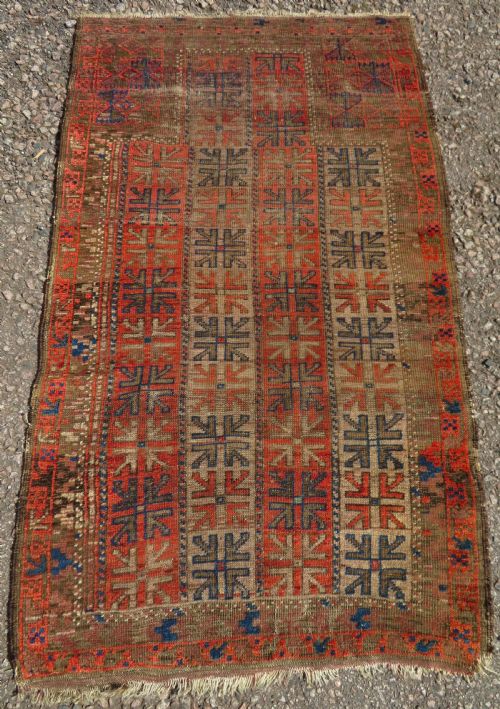
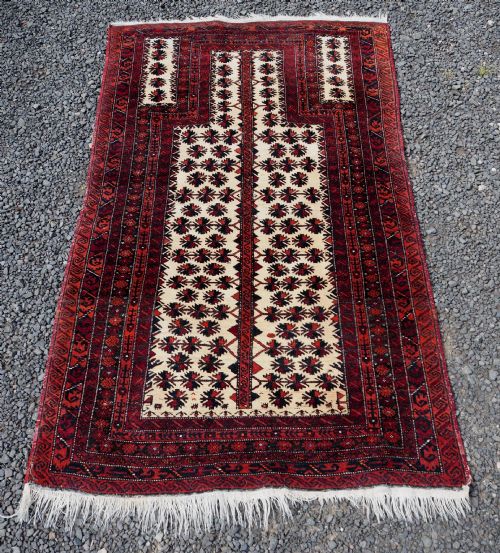
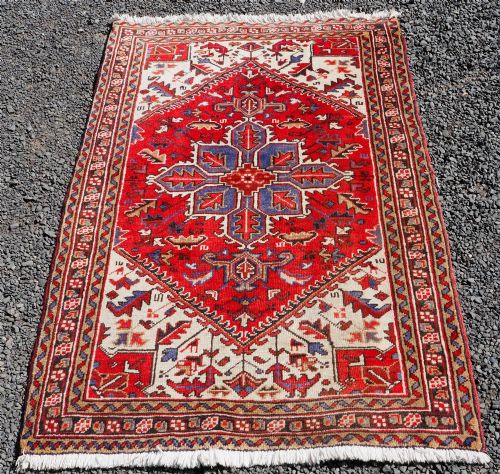
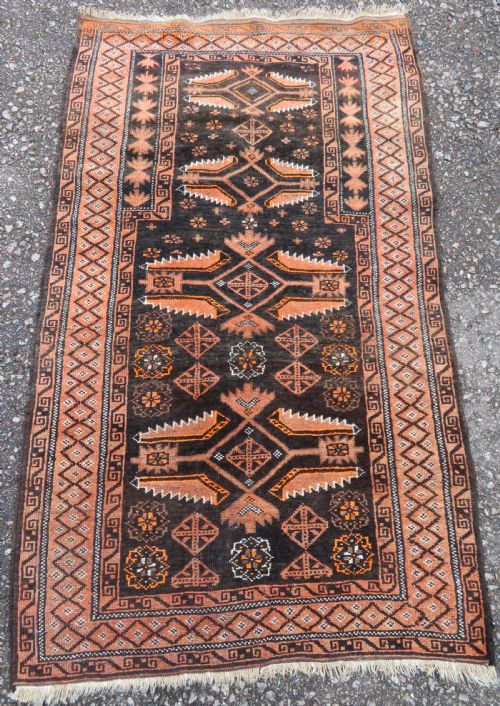
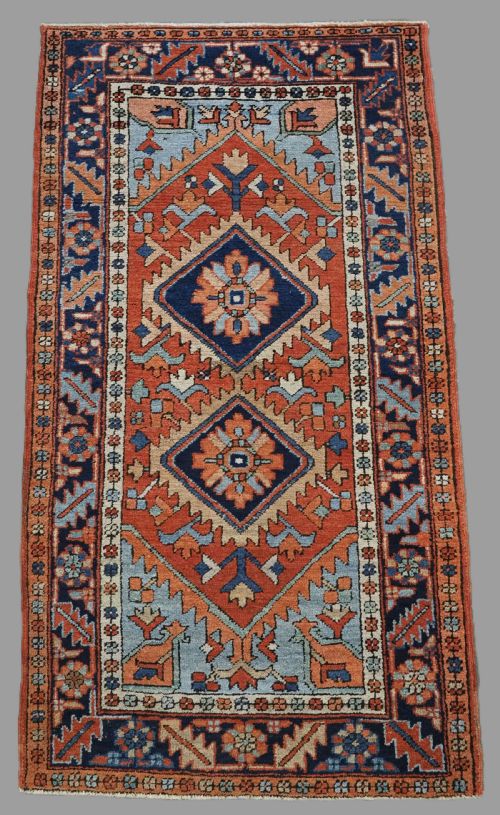
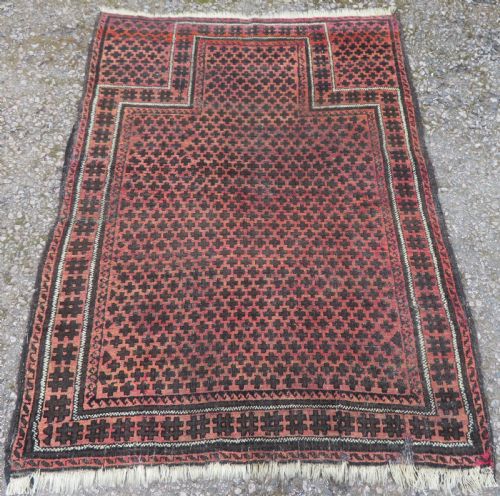
A small persian mat covers compact formats including hearth rugs, prayer rugs, and bag faces created by village weavers and nomadic tribes across Persia and neighbouring regions. These pieces originate predominantly from late nineteenth and early twentieth century periods, spanning village centres like Karaja, Hamadan, and Bidjar alongside tribal groups such as the Baluch, Afshar, and Qashqai.
Buyers seeking this phrase encounter formats designed for mobility or modest domestic spaces, frequently featuring medallion layouts, mihrab designs, or repeating geometric motifs. The selection encompasses diverse structural types from full pile rugs down to saddlebag faces and utilitarian bread sofreh, retaining authentic regional characteristics.
How They Were Made
Makers constructed these textiles utilising hand-spun wool and cotton foundations, occasionally incorporating camel hair for natural grounding tones or silk for fine prayer formats. Weavers knotted individual tufts by hand onto warp and weft threads, creating a dense pile that yields distinctive durability.
Natural dye sources provided saturated palettes of madder red, indigo blue, and earthy browns, applied to wool yarns that matured with varied patination over decades of use.
Several nomadic pieces began life as transport luggage before finding permanent retirement as prized floor art.
What Varies in Quality
Quality rests upon the fineness of the knotting density, the precision of tribal drawing, and the depth achieved through natural dyestuffs. Superior examples display crisp geometry in regional motifs and tight structural foundations.
The choice of materials also divides the range, with select pieces utilising hand-spun wool and camel hair that impart tactile richness and complex visual texture compared to standard commercial outputs.
The Small Persian Mat Glossary
- Prayer rug
- A textile featuring a central mihrab or arch design indicating the direction of prayer, traditionally utilised by individuals for daily devotions. These formats often display compact dimensions suitable for smaller floor spaces.
- Saddlebag face
- The decorative front panel of a utilitarian animal transport bag, severed and preserved as an individual rug. Collectors prize these fragments for concentrated tribal designs executed on a diminutive scale.
- Mihrab
- The arched niche depicted in prayer rugs, symbolising the direction toward Mecca. Weavers ornament this architectural motif with floral sprays, trees of life, or geometric amulets.
- Sofreh
- A flatwoven or piled spread utilised for kneading dough, serving meals, or storing bread within nomadic households. These functional textiles frequently exhibit minimalist tribal iconography.
- Herati
- A repeating geometric pattern composed of a central rosette enclosed by leaf motifs and flanked by curved serrated leaves. This ubiquitous design appears across numerous Persian village and tribal weaves.
Small Persian Mat: Frequently Asked Questions
Where were small persian mats made?
These pieces originated across various provinces and nomadic territories, including Western Persia, Kerman Province, Khorassan, and regions associated with Baluch, Afshar, and Qashqai tribes.
Weavers produced them in settled villages and temporary nomadic camps alike, embedding regional motifs unique to each tribal group.
How do I use a small persian mat at home?
Due to their compact dimensions, these pieces suit hearths, entryways, narrow corridors, or small wall-hanging displays where full-sized carpets overwhelm the space.
Placing them on wooden floors or neutral carpets highlights their saturated natural dyes and intricate geometric compositions without dominating the room.
What materials were used in antique tribal rugs?
The primary material is wool, frequently hand-spun and dyed with natural substances derived from plants and minerals, set upon cotton foundations.
Selected examples incorporate camel hair for undyed golden-brown ground tones or touch elements of silk for enhanced detail in prayer niches.
How can I tell a prayer rug apart?
Prayer rugs are identified by the distinct architectural mihrab or arch shape at one end, which directs the visual flow of the design.
They frequently incorporate symbols such as the tree of life, lotus leaves, or clustered amulets intended for protective or devotional purposes.