


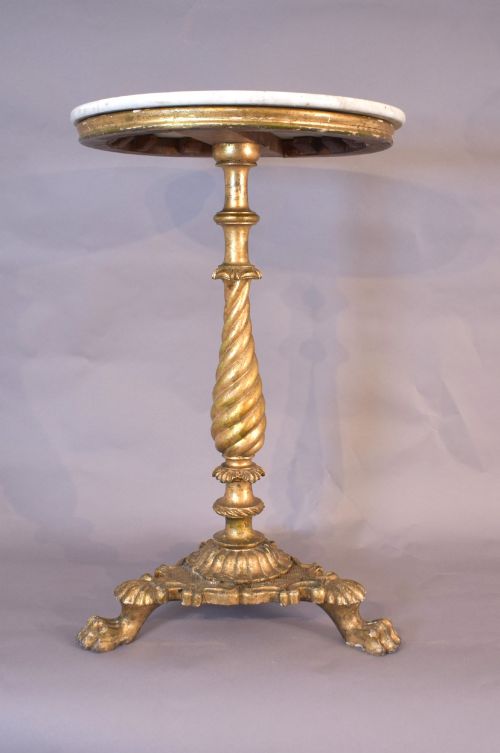

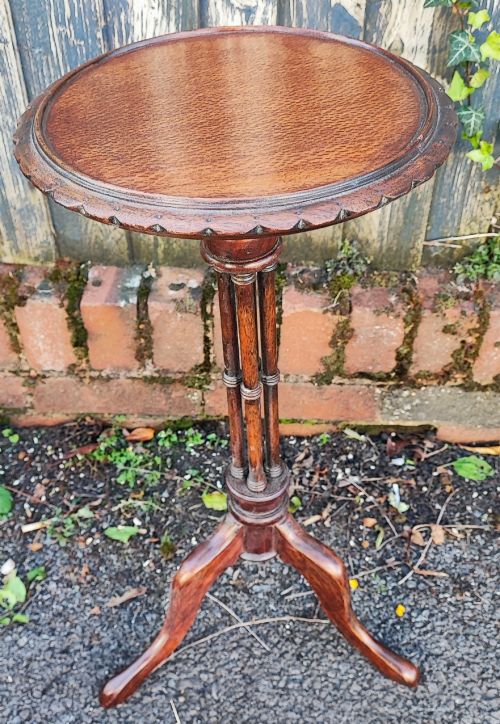
Small Pedestal Columns
Small pedestal columns bring compact vertical interest and practical surface space to traditional rooms.
Small Pedestal Columns
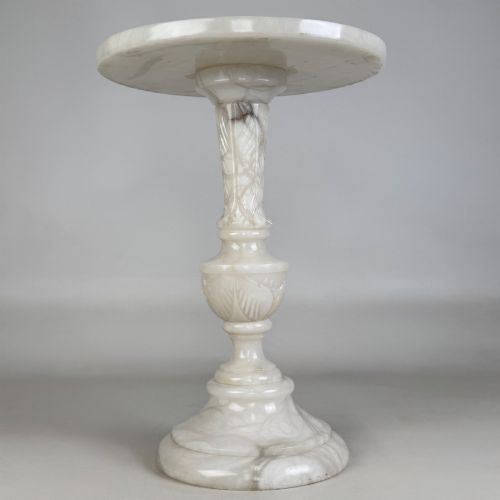
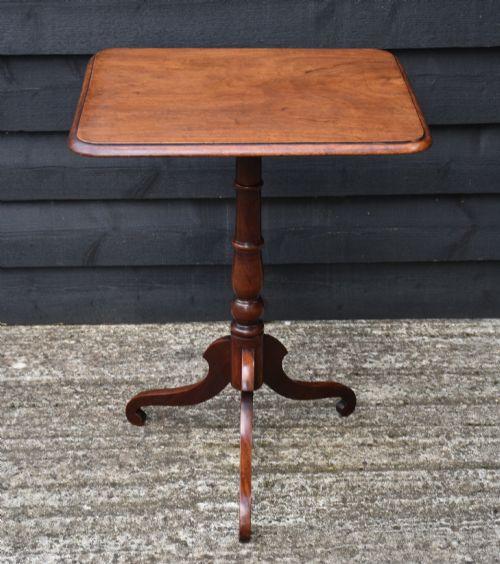
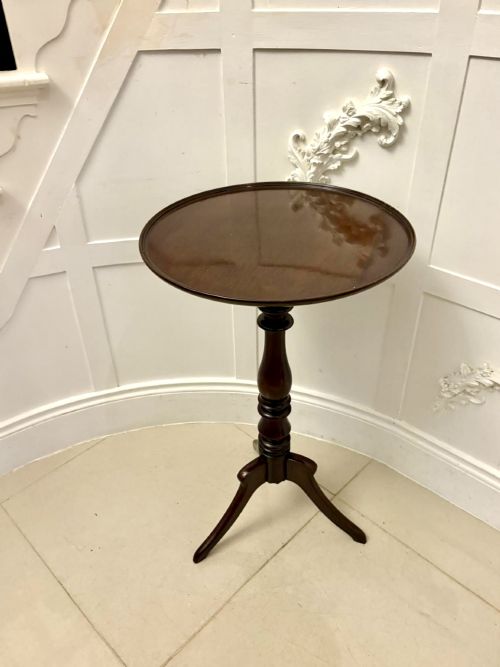
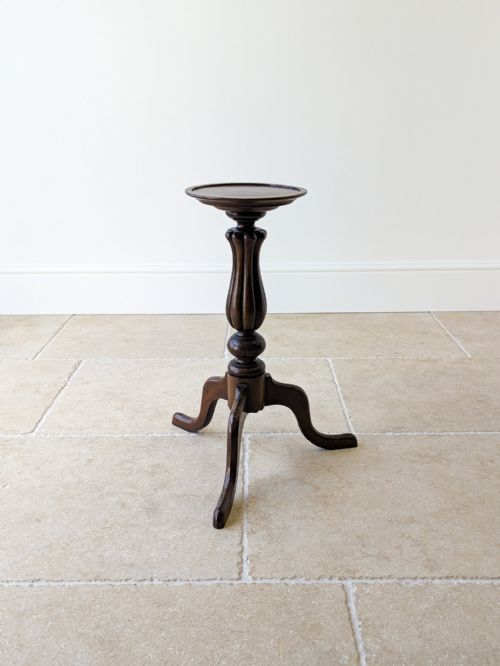
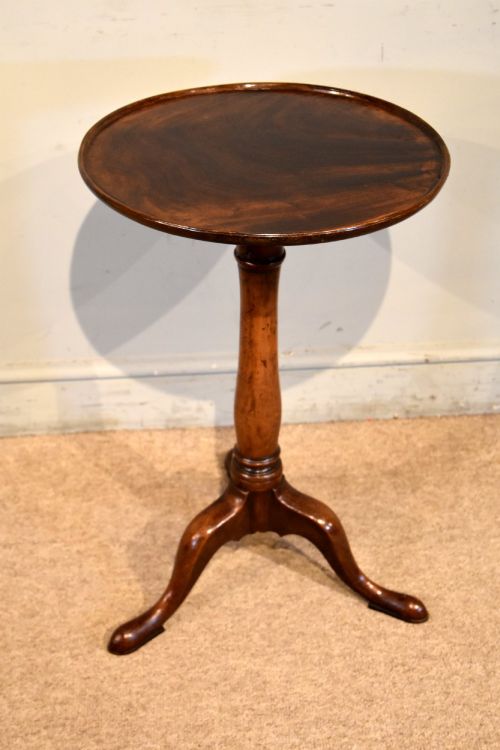
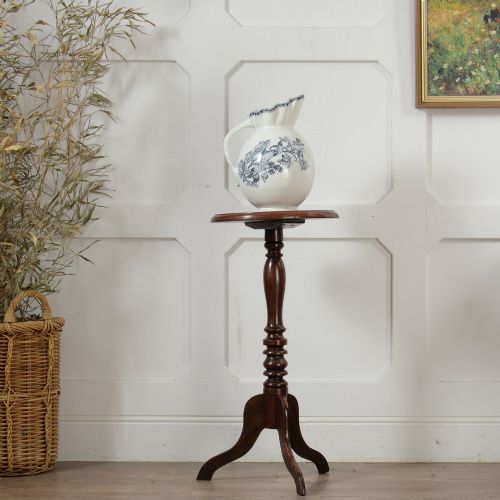
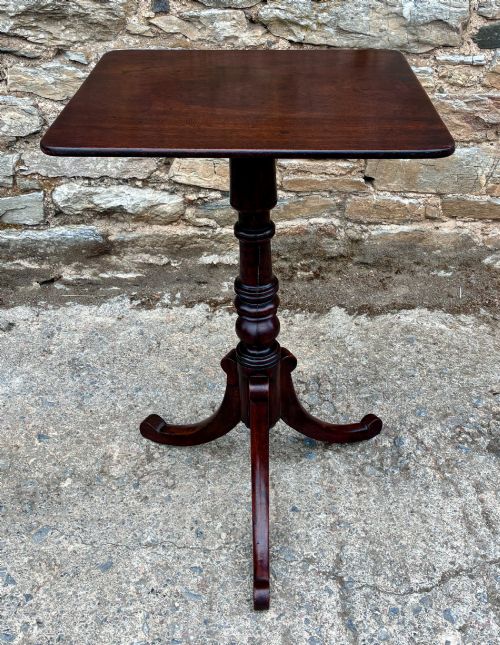
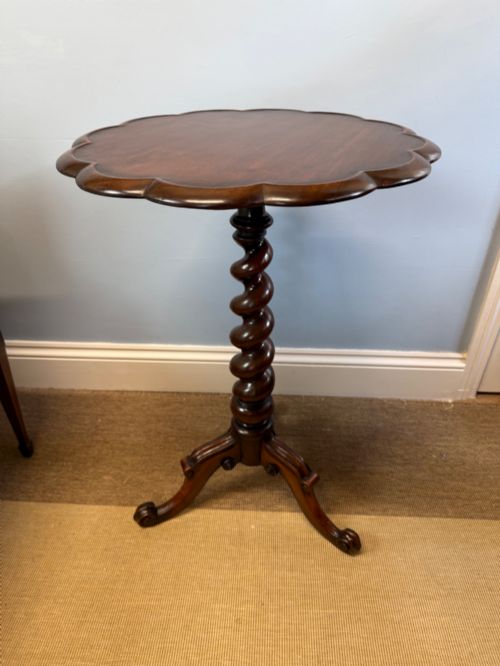
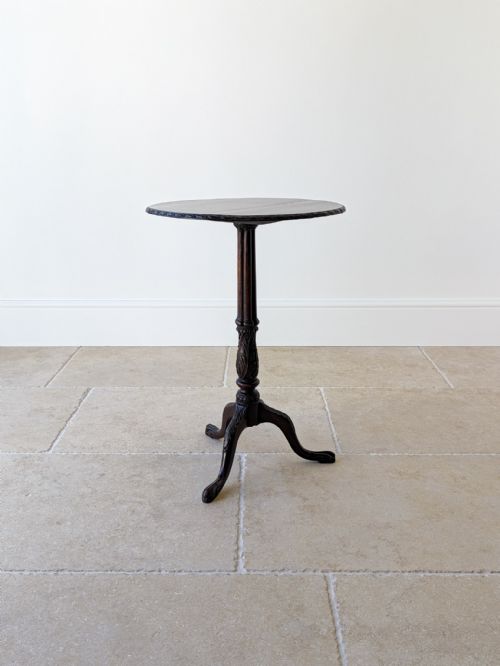
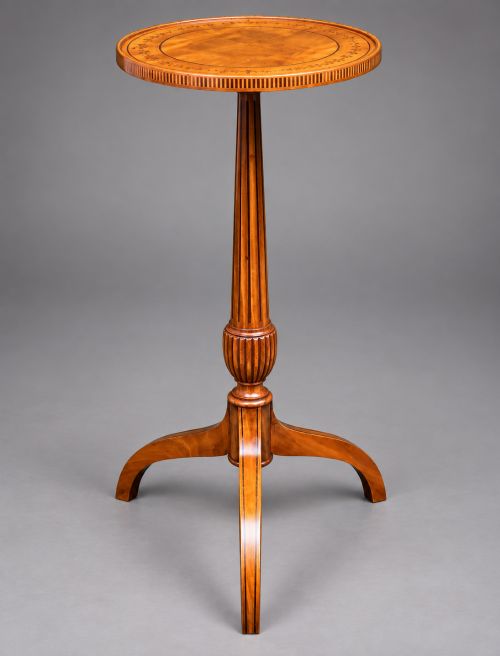
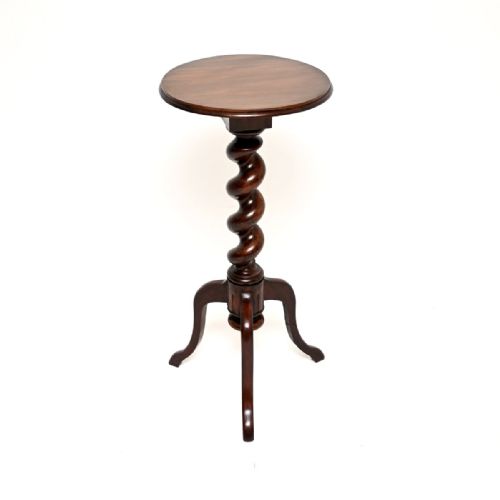
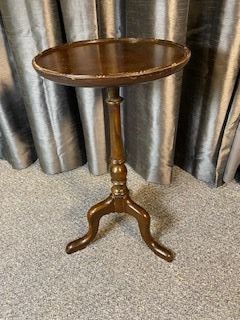
When searching for small pedestal columns, buyers often encounter versatile tripod wine tables, lamp tables, and occasional tables spanning the 18th century to the Edwardian period. These utilitarian and decorative supports appear primarily in mahogany, oak, and walnut, reflecting classic British furniture forms.
The most common formats on this page include tilt-top mechanisms, fixed tripod bases, and occasional tables designed for intimate spaces. Originating across Georgian, Regency, and Victorian eras, these pieces serve practical functions as lamp stands or display surfaces.
How they were made
Cabinet makers utilised solid hardwoods such as mahogany, oak, and yew, often pairing circular timber tops with turned central columns and three-legged tripod bases. Selected timbers frequently display rich natural grain patterns, finished simply to highlight the underlying material.
Detailed construction techniques include tilt-top mechanisms utilising brass catches, boxwood stringing for subtle linear decoration, and ebonised detailing. Joinery relies on traditional turning and pegging to secure the pedestal shaft to the spreading feet.
Small Pedestal Columns Retail Price Guide 2026
Typical asking prices for small pedestal columns among the pieces listed under this phrase on Sellingantiques today, from the lower quarter to the upper quarter. They describe what is for sale here now, not the wider market.
Several tilt-top tables retain their original folding catches designed to hide flat against the wall like polite wooden shields.
What varies in quality
The distinction between ordinary and superior examples rests on timber selection, such as figured mahogany or burr oak, and the crispness of the pedestal turning. Finer pieces demonstrate balanced proportions across the tripod legs and secure column attachments without excessive wobble.
Subtle decorative elements like boxwood stringing, gilt wood accents, or well-executed tilt-top mechanisms elevate the standing of an individual piece. The integrity of the original timber surface and honest period patination dictate overall desirability.
The Small Pedestal Columns Glossary
- Tripod table
- A small freestanding table supported by a central pillar resting on three legs. This construction provides stable placement on uneven historic flooring.
- Tilt-top
- A hinged tabletop mechanism allowing the surface to fold vertical when not in use. This clever design enabled compact storage against room walls.
- Boxwood-strung
- Inlaid with narrow lines of contrasting pale boxwood timber. This technique adds delicate linear framing to table edges and borders.
- Ebonised wood
- Timber treated with a dark stain or chemical process to imitate ebony. Cabinet makers utilised this finish to create striking contrast on decorative mouldings.
Small Pedestal Columns: Frequently Asked Questions
What were small pedestal columns used for?
These compact supports served various domestic tasks in period homes, functioning as portable surfaces for serving wine, holding oil lamps, or displaying small ornaments.
Their lightweight tripod design allowed servants to move them easily around sitting rooms and parlours according to immediate needs.
How do I style a pedestal table at home?
Place a single tripod table beside an armchair to hold a reading lamp or a small stack of books. Their narrow footprint suits awkward corners and tight spaces where larger furniture fails to fit.
Avoid overloading the top surface to maintain balance and let the turned wooden column remain visible as a sculptural element.
How can I tell a Georgian table from a Victorian one?
Georgian examples often display restrained classical proportions with clean timber surfaces and minimal ornamentation. The choice of dense mahogany and understated tripod shaping defines the earlier aesthetic.
Victorian pieces frequently incorporate heavier turning, decorative carving, or applied details like amboyna veneers and ebonised highlights reflecting changing nineteenth-century tastes.