
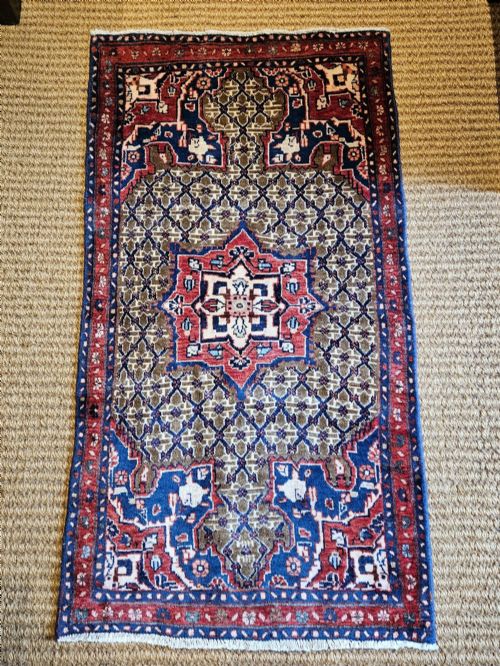
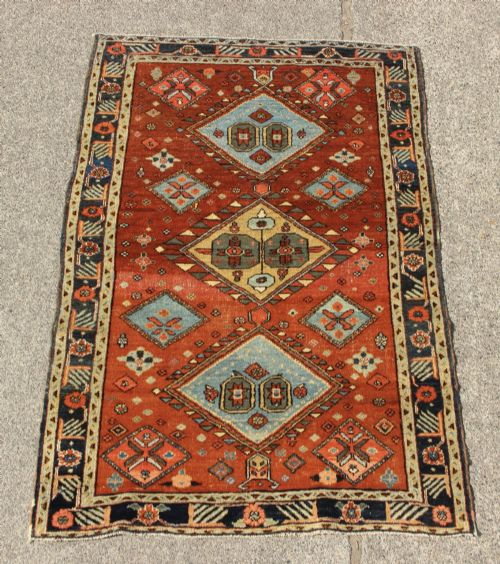
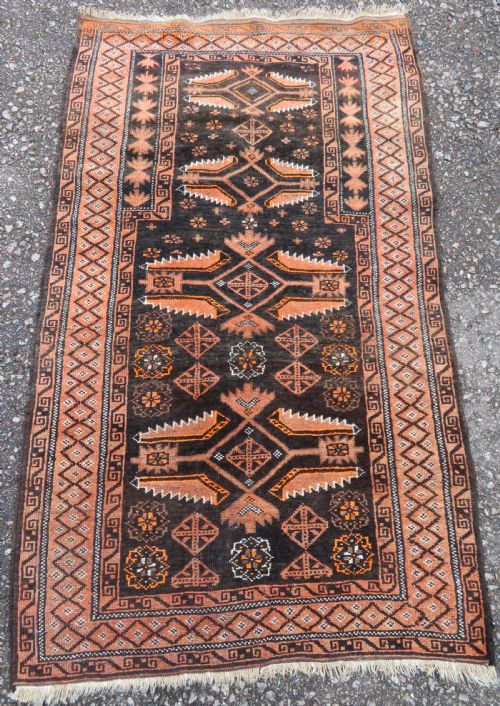
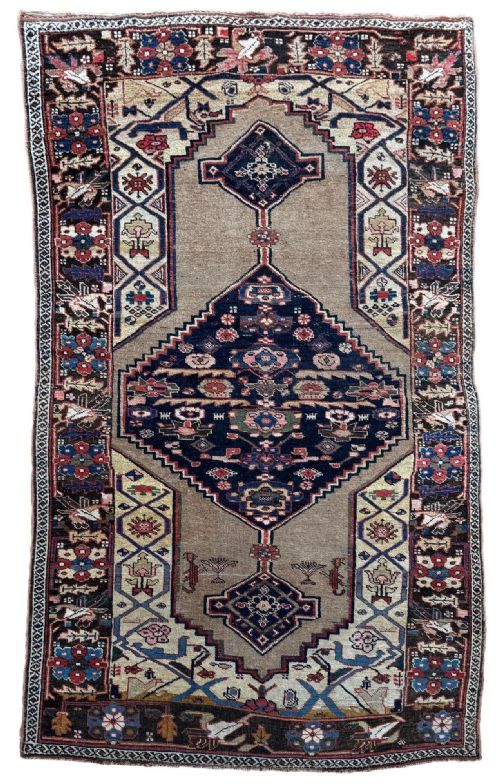


Small Oriental Runner
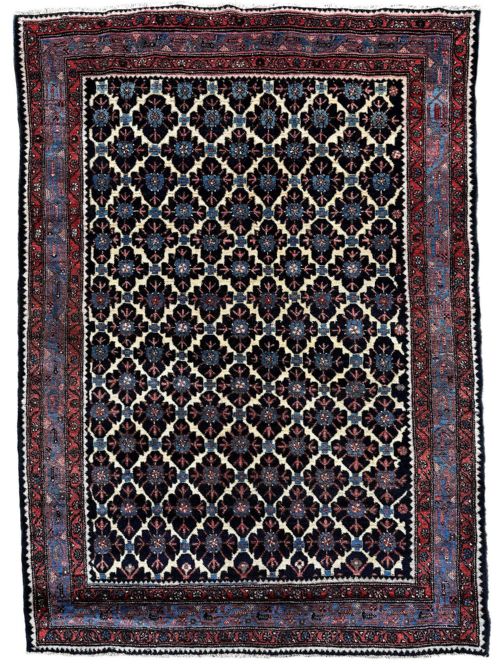
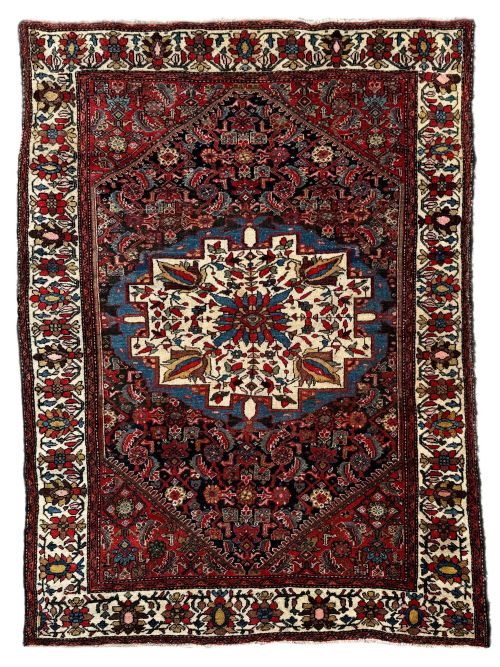
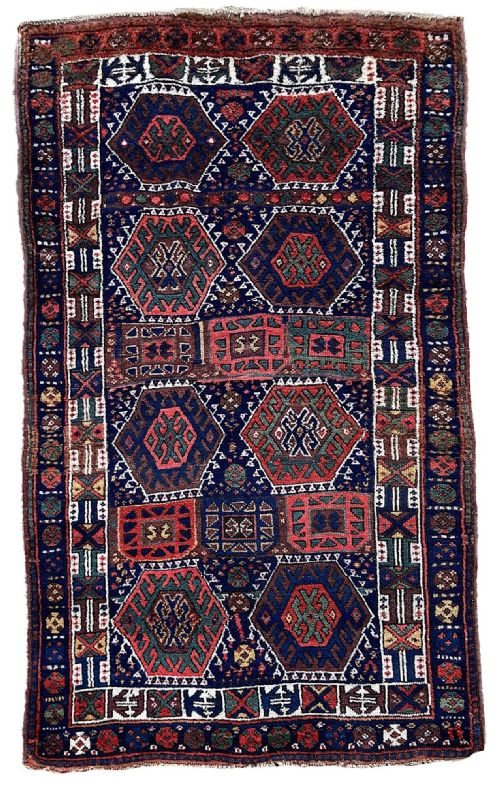
When you search for a small oriental runner, you discover woven textiles crossing Persian, Anatolian, and Caucasian traditions from the nineteenth and early twentieth centuries.
Small Oriental Runner
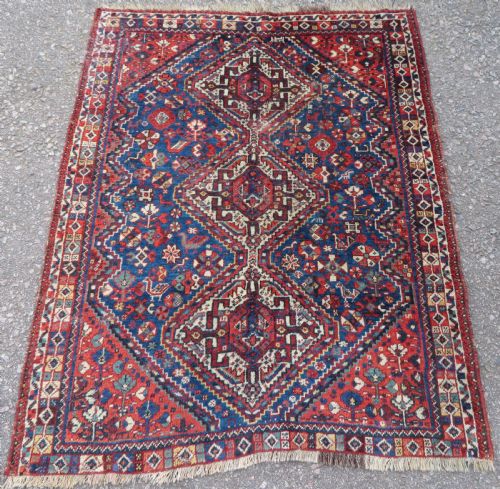
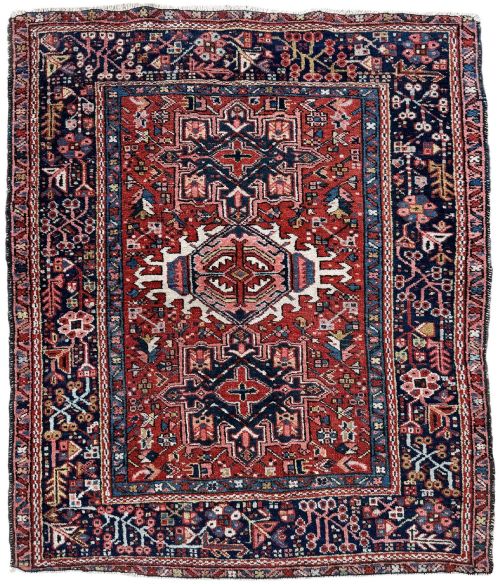
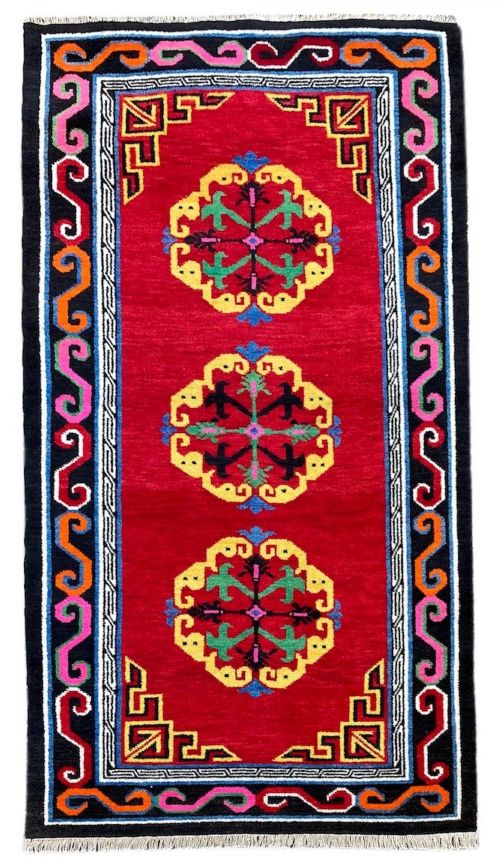
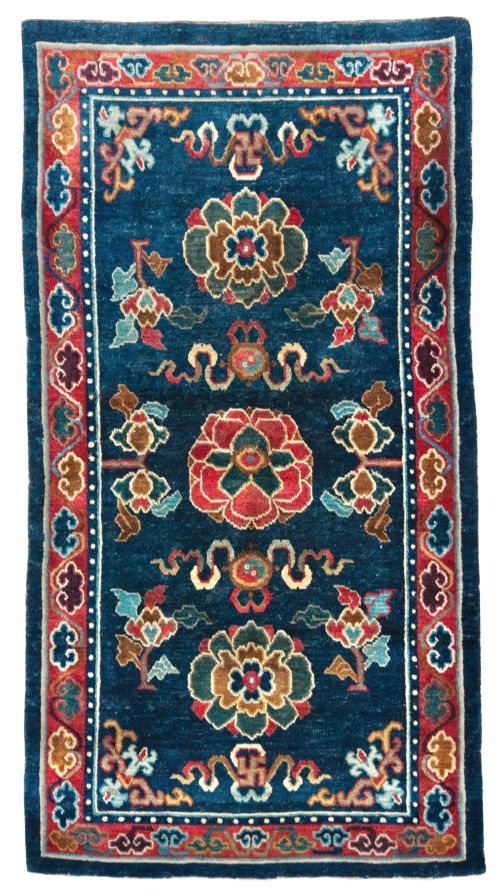
A small oriental runner encompasses woven carpets and prayer rugs originating from various tribal and village traditions across the East. Buyers encounter pieces attributed to regions such as Persia, Anatolia, and the Caucasus, spanning periods from the nineteenth century through the early decades of the twentieth century.
The selections on this page feature formats traditionally utilised in hearths, hallways, and compact spaces, often categorised under styles like Persian Tribal, Anatolian Tribal, and Caucasian. These textiles reflect specific regional patterns, medallion layouts, and village weaving practises passed down through generations.
Materials and construction
Makers constructed these textiles predominantly using wool, frequently employing hand-spun wool for the pile to achieve varied textural depth and durability. Cotton foundations often provide structural stability for the warp and weft threads.
Weavers incorporated natural dyes to colour the wool, resulting in rich palettes that mature gracefully over decades. Certain examples integrate silk elements, adding distinct lustre and refinement to the woven surface.
Listings span production dates from the mid-nineteenth century through the 1930s, showcasing diverse village and tribal workshops.
Distinctions in quality
The standard of a piece rests heavily upon the fineness of the knotting and the precision executed in traditional geometric or floral motifs. Superior examples display clarity in design execution, where individual patterns maintain sharp definition.
Quality also derives from the consistency of the hand-spun wool and the depth achieved through natural dyes. Better specimens retain structural integrity in the foundation alongside well-preserved pile height.
The Small Oriental Runner Glossary
- Warp
- The vertical threads stretched upon a loom before weaving begins. These form the foundational structure supporting the entire textile.
- Weft
- The horizontal threads passed alternately over and under the warp threads. They bind the knots securely in place.
- Pile
- The upright ends of yarn that form the surface texture of a rug. This layer results from individual knots tied around the warp threads.
- Prayer rug
- A small format textile featuring a niche or arch design at one end. Historically, worshippers placed these items oriented towards Mecca.
- Medallion
- A central ornamental motif positioned in the middle of the field. Weavers frequently centre intricate geometric or floral arrangements here.
Small Oriental Runner: Frequently Asked Questions
What defines a small oriental runner?
These items are traditional hand-woven textiles produced in regions including Persia, Anatolia, and the Caucasus during the nineteenth and early twentieth centuries. They encompass tribal and village formats designed for specific floor spaces.
Buyers encounter various styles such as Baluch, Heriz, Kazak, and Kurdish, each exhibiting distinct regional motifs, colour palettes, and weaving techniques executed in wool or cotton.
How were these rugs historically used?
Households utilised these compact floor coverings in hallways, beside hearths, and within private residential chambers for warmth and decoration. Prayer variants served specific devotional purposes.
Their portable dimensions made them practical for nomadic and village life, allowing families to transport or reposition them easily across living areas.
How do I live with an antique rug?
Placing an appropriate underlay beneath the textile prevents slipping and reduces friction against hard flooring surfaces. Gentle vacuuming without a beater bar helps maintain the wool pile safely.
Keeping the textile away from direct, harsh sunlight protects the natural dyes from premature fading over years of daily enjoyment.
How do I distinguish regional styles?
Regional attribution relies on observing specific structural characteristics, such as knotting density, edge finishes, and the particular palette of natural dyes utilised by the weavers. Caucasian and Anatolian examples often favour sharp geometric polygons.
Persian and Kurdish pieces frequently incorporate intricate floral or medallion layouts, while Turkmen pieces utilise repeating gul motifs across the field.