

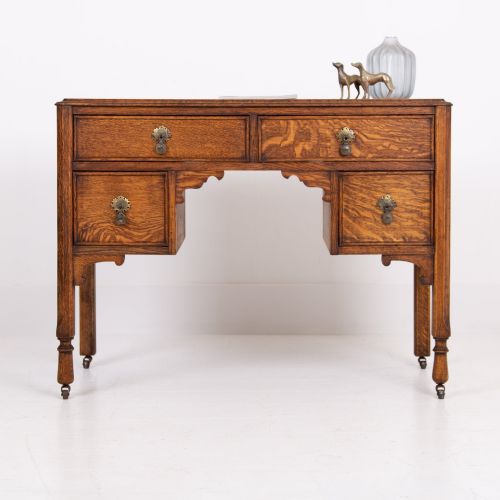
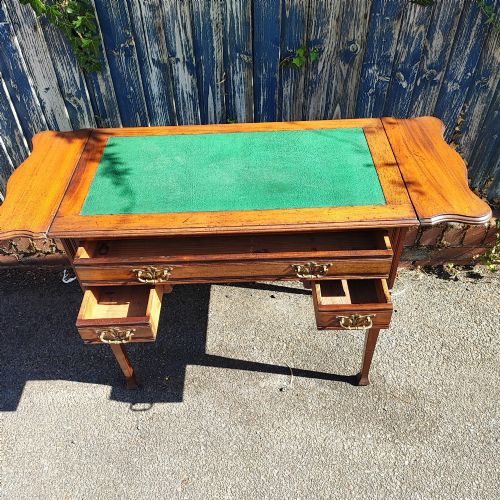
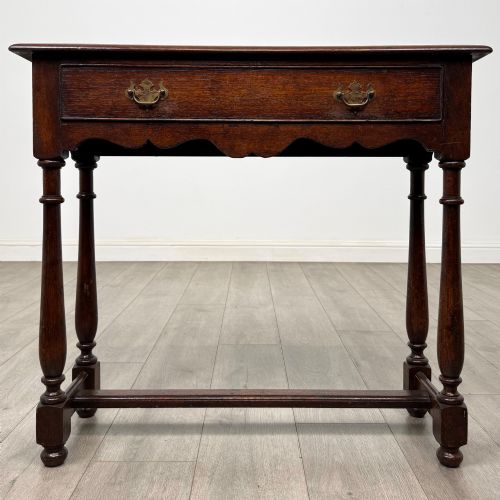
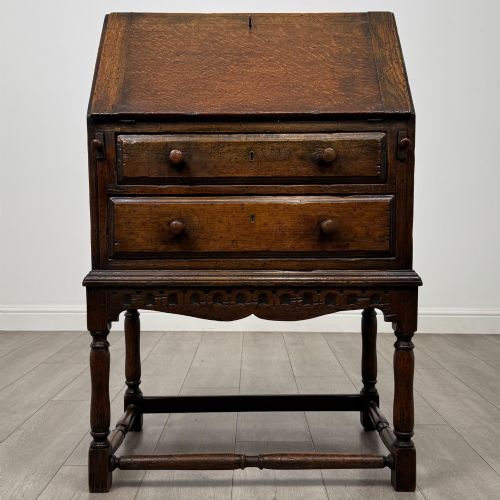
Small Oak Writing Desk
A small oak writing desk brings compact practicality and warm timber grain into a room without dominating the floor space.
Small Oak Writing Desk
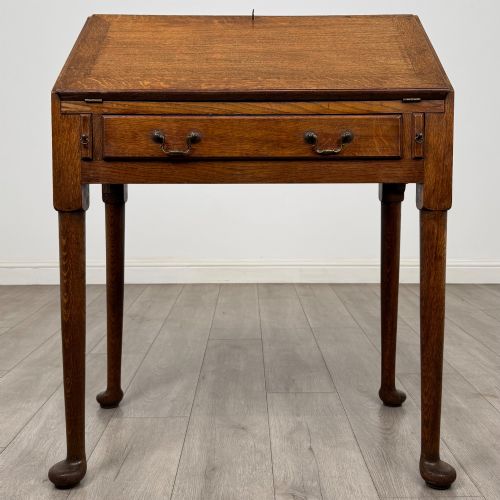
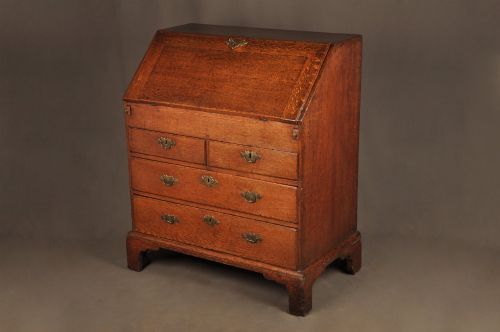
A small oak writing desk encompasses various compact furniture forms designed for correspondence and paperwork, ranging from simple side tables with drawers to fitted drop-front bureaux and slope-front writing boxes. These pieces emerge across multiple periods including the seventeenth, eighteenth, and nineteenth centuries, as well as the Edwardian era and Arts and Crafts movement.
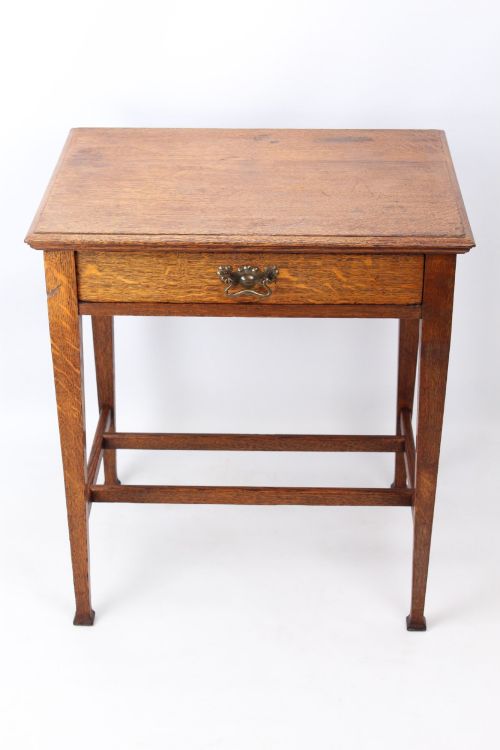
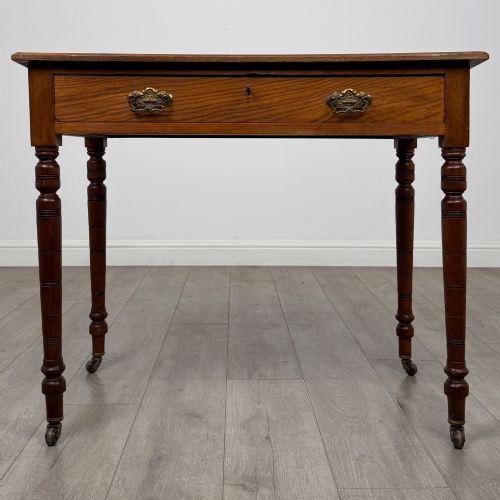
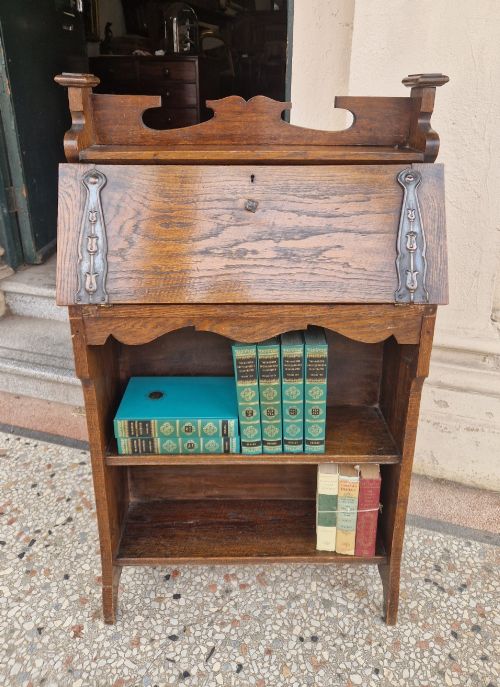
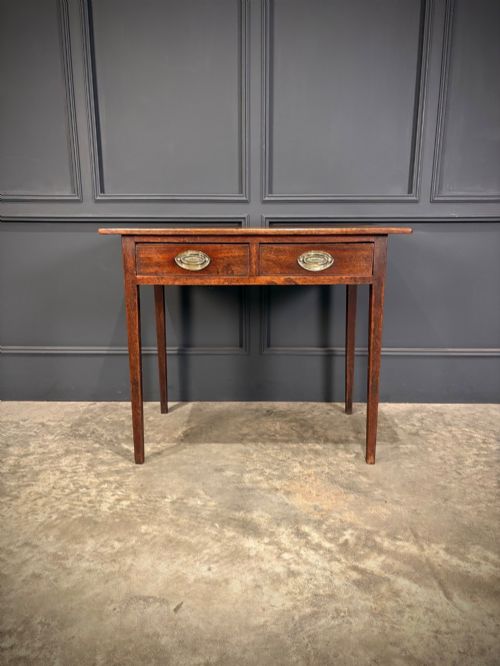
The version most commonly met on this page is the Edwardian or late Victorian compact writing table, alongside drop-front bureaux that conceal internal compartments. Makers frequently utilised golden oak, pollard oak, or standard English oak to construct these space-saving pieces for domestic studies and bedrooms.
How They Were Made
Cabinet makers constructed these desks primarily using solid oak boards, frequently incorporating secondary timbers such as mahogany or walnut in drawer linings and internal fittings. Figures in the timber grain, particularly in varieties like pollard oak, were chosen to add visual depth to flat surfaces.
Structural integrity relied on traditional joinery methods such as dovetailing for drawer construction and panel-and-frame assembly for carcases. Metal hardware including brass handles, hinges, and occasional iron supports were fitted to secure drawers and fall-front writing flaps.
Listings feature oak writing desks spanning the seventeenth century through to the Edwardian period, incorporating materials like brass, leather, and pollard oak.
What Varies In Quality
The refinement of the timber selection largely determines the standing of a piece, with figured pollard oak or carefully matched golden oak marking out superior examples. Plain utility pieces contrast with items displaying carved ornamentation or refined proportions.
Construction details reveal the standard of workshop output, distinguishing between straightforward commercial production and skilled cabinet work. The retention of original hardware, fitted interior drawers, and leather writing surfaces influences how intact a desk remains to the present day.
James Shoolbred·Pairs MFG Co·Heals·Lamb of Manchester·Jenners
The Small Oak Writing Desk Glossary
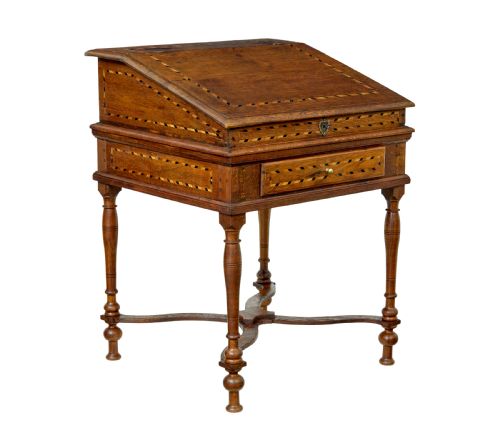
- Bureau
- A desk featuring a sloping hinged flap that opens to reveal a fitted interior of small drawers and pigeonholes. This form often stands upon bracket feet or a dedicated frame.
- Davenport
- A compact desk type comprising a sloped, leather-lined writing surface above a pedestal of drawers. The design typically incorporates side drawers and a stationary compartment.
- Pollard Oak
- Timber taken from trees that have been pollarded, producing a dense, highly decorative knotted grain pattern. Cabinet makers utilised this wood for distinctive veneering on high-status surfaces.
- Lowboy
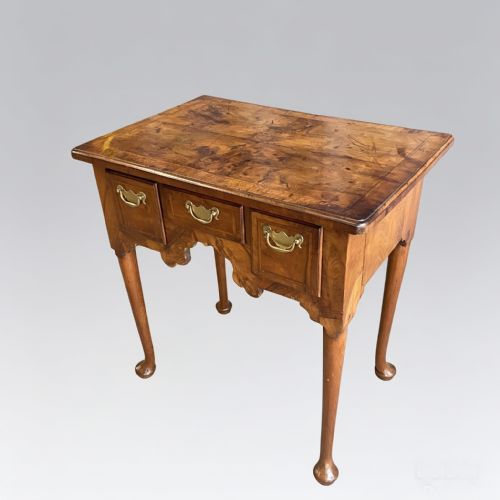
- A small oak or walnut side table fitted with one or more tiers of drawers, originating in the late seventeenth century. These versatile tables frequently served writing or dressing functions.
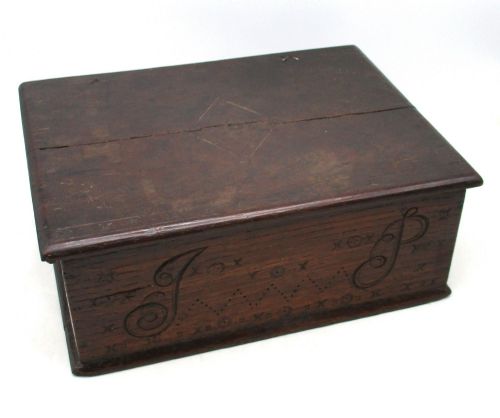
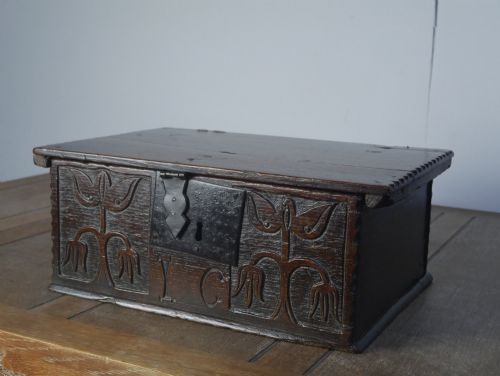
- Document Box
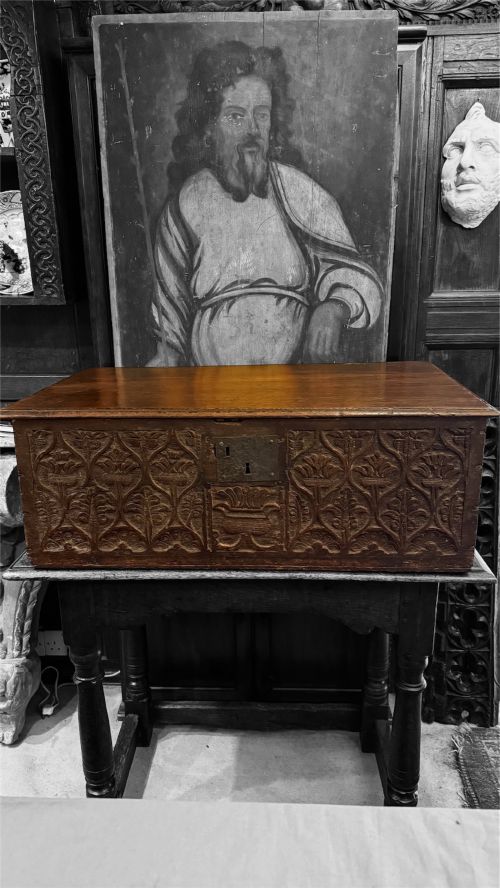
- A portable wooden box used to store papers and writing materials securely before the widespread use of fitted desks. Examples often feature carved decoration and iron locking mechanisms.
Small Oak Writing Desk: Frequently Asked Questions
How do I identify an eighteenth-century oak desk?
Eighteenth-century pieces typically display hand-cut dovetails on the drawer sides and use solid timber construction throughout the carcase. The grain of the oak often exhibits a rich patina developed through prolonged handling and exposure to light over generations.
Drawer linings in these earlier pieces are commonly made from oak or secondary woods like pine, showing irregular tool marks from manual shaping rather than machine precision.
Where were small oak writing desks placed in period homes?
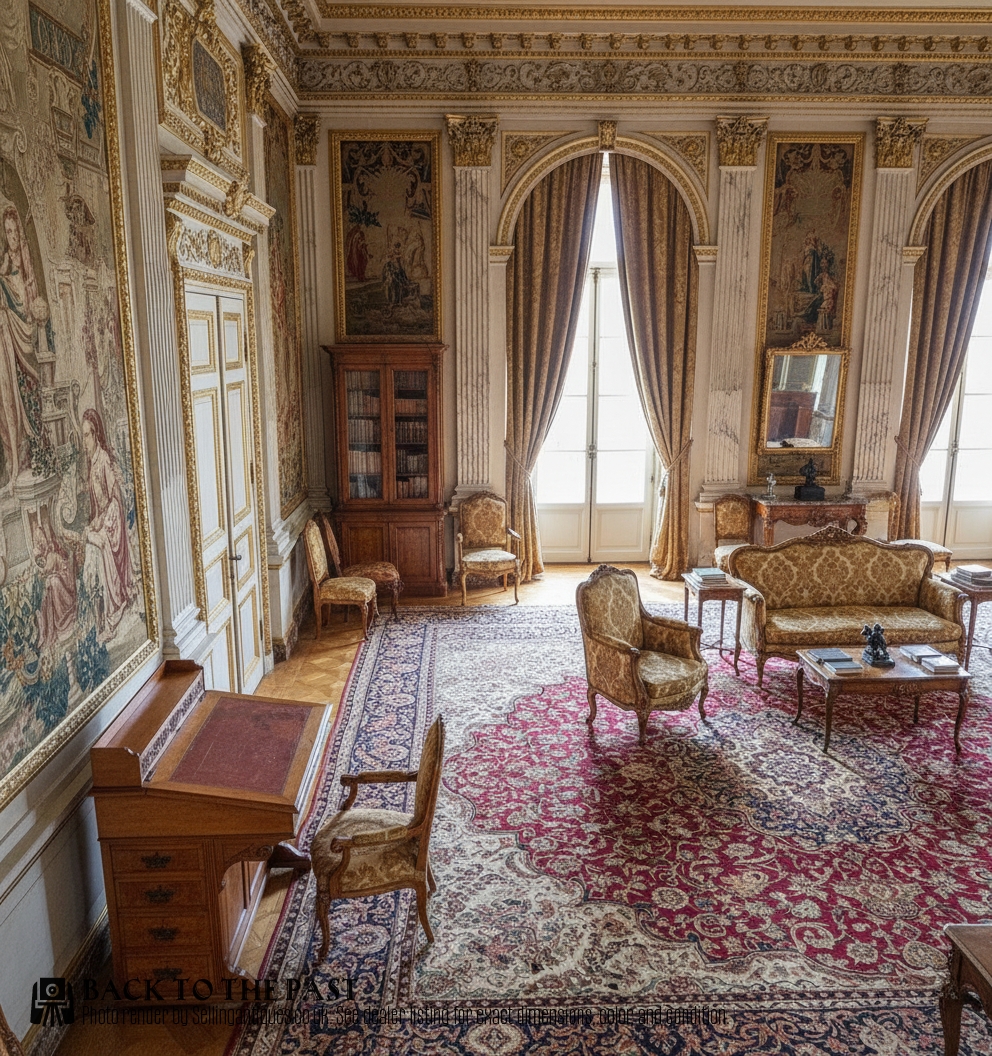
These compact desks were designed for private spaces such as bedrooms, dressing rooms, or small libraries where larger library tables would prove too cumbersome. Their modest proportions allowed them to fit neatly against drawing room walls or beside windows for optimal natural light.
In many Victorian and Edwardian households, ladies utilised these tables for writing letters and managing household accounts in private quarters.
How should I care for an antique oak surface?
Maintaining an antique oak surface involves applying traditional beeswax periodically to nourish the timber and preserve its natural sheen. Avoid placing desks in direct sunlight or near heat sources to prevent the wood from drying out and splitting.
Cleaning should be performed with a soft, dry cloth to remove dust without disturbing the historic polish or patina built up over decades.