




Small Oak Wall Cabinet
A small oak wall cabinet brings practical storage and centuries of craft to domestic interiors, offering compact wall-mounted shelving for spices, keys or display.
Small Oak Wall Cabinet
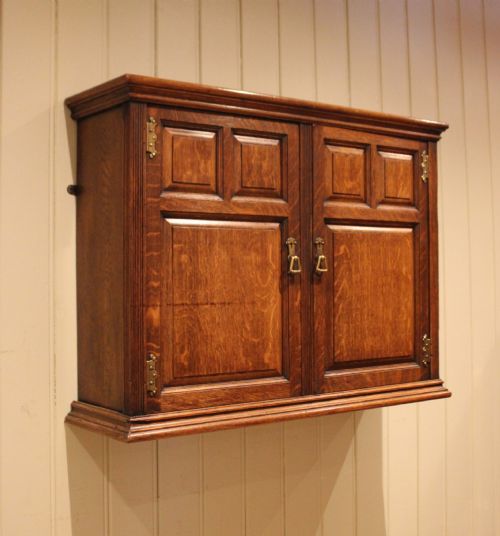
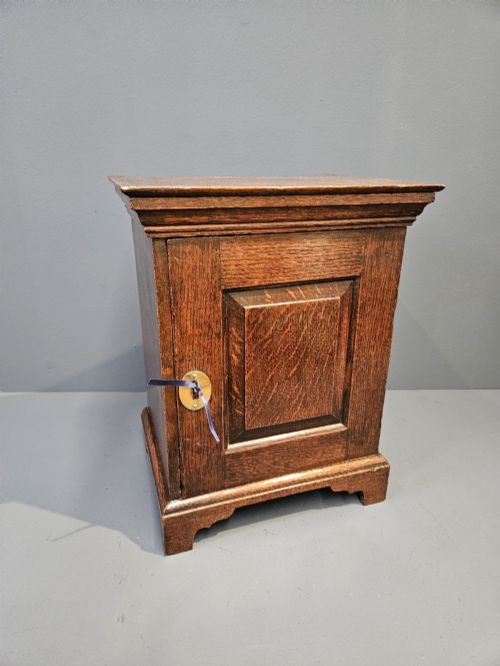
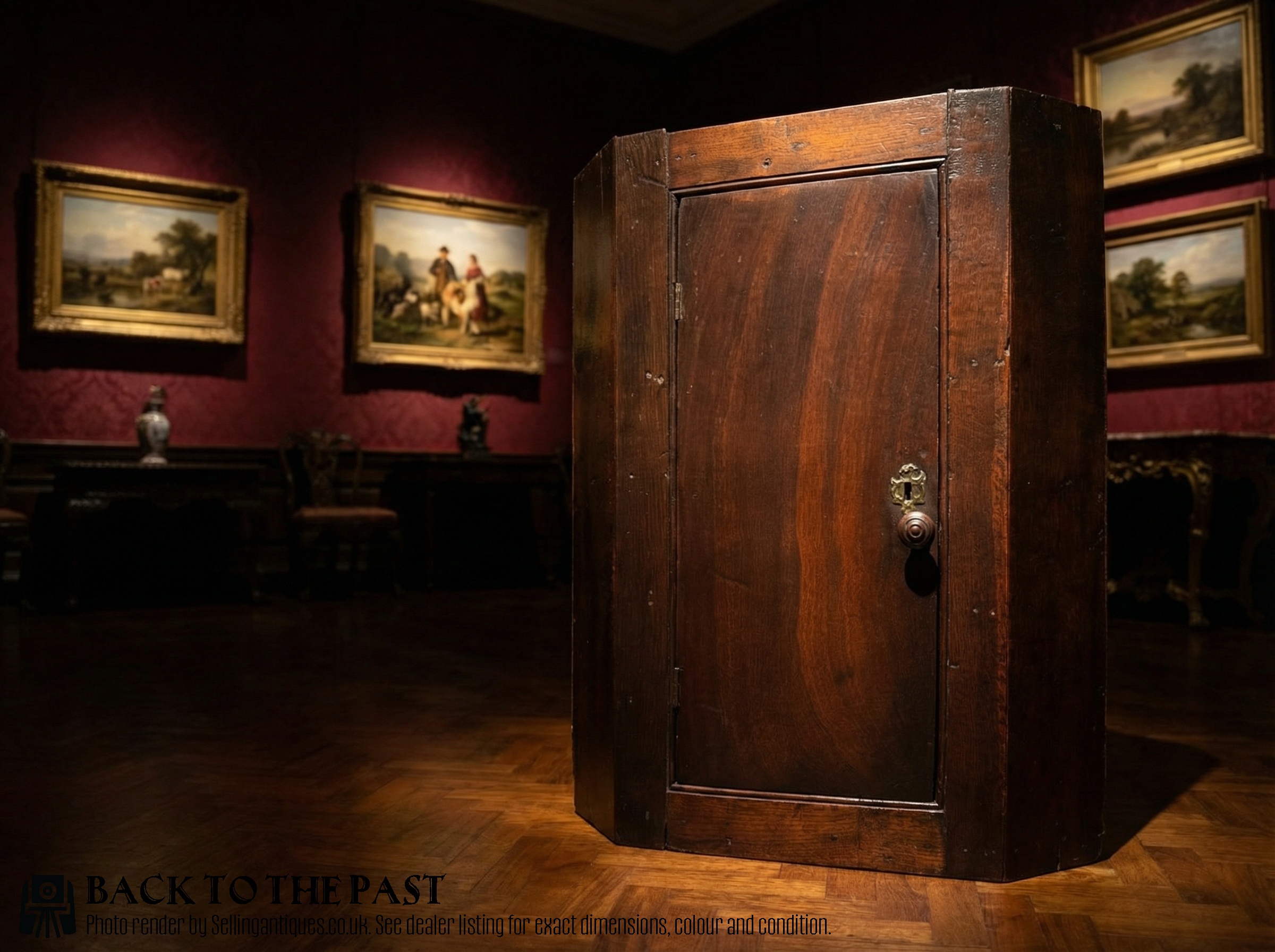
A small oak wall cabinet is a compact hanging cupboard designed to mount directly onto domestic walls, saving floor space while keeping small possessions secure. These pieces span centuries of regional domestic life, functioning historically as spice cupboards, food safes, corner storage and key cabinets.
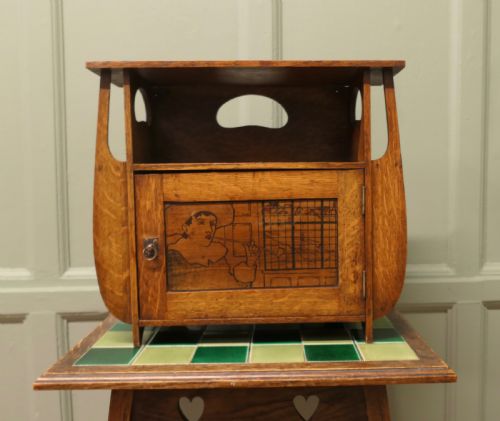
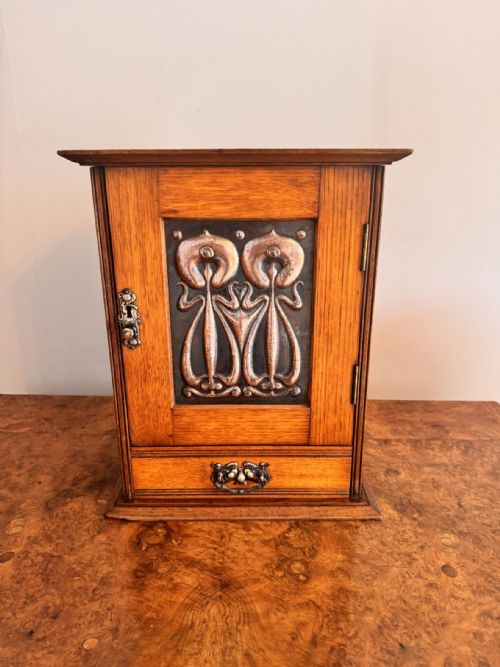
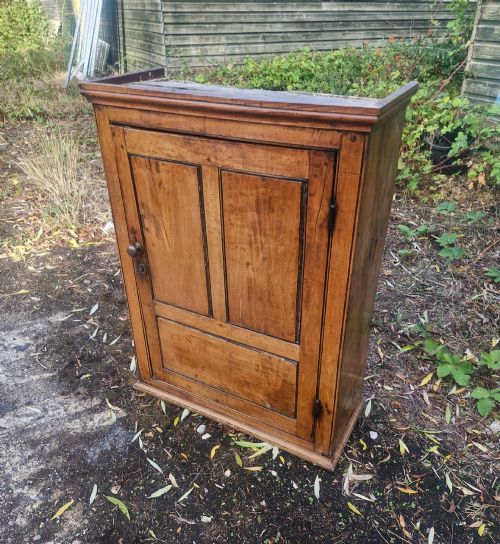
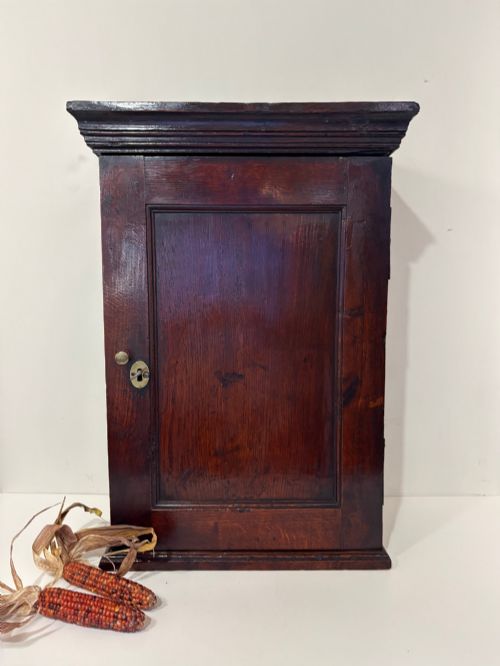
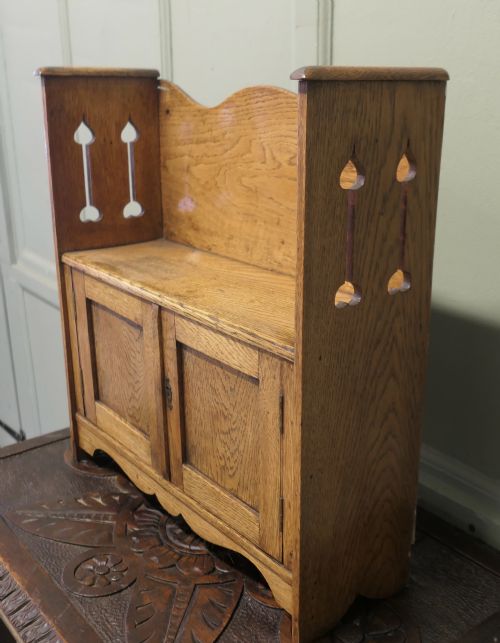
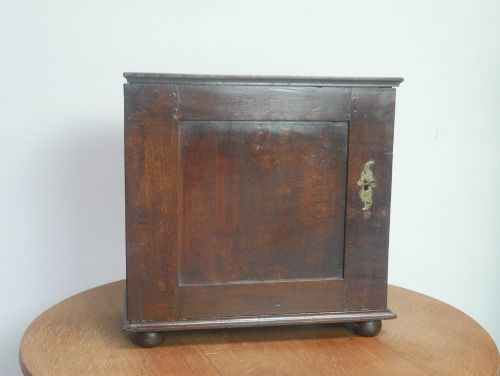
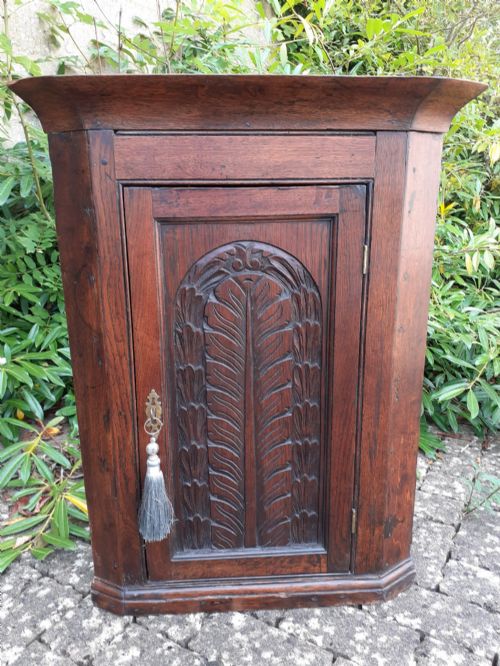
The versions most commonly met on this page include Georgian spice cupboards, Victorian and Edwardian corner units, and Arts and Crafts display cabinets. They appear in both flat-backed wall formats and angled corner configurations, often utilising secondary timbers like pine alongside solid oak construction.
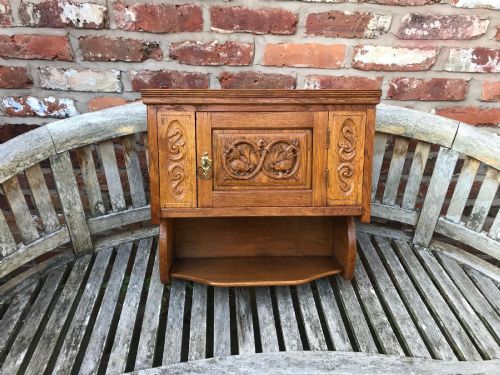
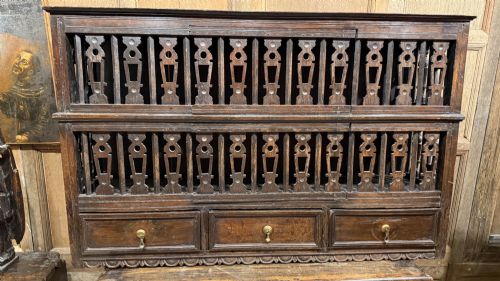
Origins range widely from English regional workshops and Welsh country makers to French provincial makers and continental cabinetmakers. Their forms vary from simple panelled doors to carved surfaces, glazed fronts and fitted interior drawers.
How they were made
Construction relies primarily on solid oak, frequently paired with pine for internal carcases, backs or secondary linings. Workshops employed traditional joinery techniques such as mortise and tenon frames, pegged joints and hand-cut dovetails for internal small drawers.
Surface ornamentation involved hand carving, chip carving, pokerwork, inlay and applied mouldings, reflecting periods from the seventeenth century through the Arts and Crafts movement. Iron hinges, brass latches, escutcheons and glass panes complete the assembly of hanging and glazed doors.
Small Oak Wall Cabinet Retail Price Guide 2026
Typical asking prices for small oak wall cabinet among the pieces listed under this phrase on Sellingantiques today, from the lower quarter to the upper quarter. They describe what is for sale here now, not the wider market.
What varies in quality
Quality separates along the lines of timber selection, joinery precision and the crispness of hand-carved or inlaid detail. Pieces featuring dense, well-figured oak boards and hand-forged or high-grade brass hardware sit comfortably above mass-produced or later provincial iterations.
The integrity of original hinges, glass, locks and internal fittings dictates the standing of an individual cabinet. Finer examples retain their original surface patination and structural cohesion without excessive timber replacement.
The Small Oak Wall Cabinet Glossary
- Spice cupboard
- A small wall-mounted timber cabinet traditionally fitted with multiple internal drawers and small compartments for storing culinary spices and herbs. These early examples frequently date from the seventeenth and eighteenth centuries.
- Corner cabinet
- A hanging storage piece specifically constructed with an angled footprint to fit neatly into the corner of a room. They maximise awkward spaces and often feature glazed doors for display.
- Arts and Crafts
- A design movement spanning the late nineteenth and early twentieth centuries that prioritised honest construction, visible hand craftsmanship and simple utility. Cabinets from this style often feature stylized metal hinges and strapwork.
- Pokerwork
- A decorative technique involving the burning of designs into timber surfaces using a heated metal tool. It appears on selected late nineteenth and early twentieth-century wall pieces.
- Escutcheon
- A protective plate surrounding a keyhole, usually fashioned from brass or iron. They serve both a functional purpose and add decorative accent to cabinet doors.
Small Oak Wall Cabinet: Frequently Asked Questions
What were small oak wall cabinets used for?
These cabinets served varied domestic purposes depending on their internal configuration and room placement. Many functioned as spice cupboards in kitchens, while others held keys, tobacco or food rations.
Corner variants provided display space for ceramics and glassware in parlours and dining rooms. Their hanging format kept contents safe from damp floors and household pests.
How do I hang a heavy oak wall cabinet safely?
Hanging antique oak cabinets requires locating solid wall studs or using heavy-duty proprietary wall anchors appropriate for brick or plaster. The weight of solid oak and glass doors demands secure mechanical fixings rather than simple picture hooks.
Ensure the mounting brackets or internal hanging loops are firmly attached to the structural frame of the cabinet itself before suspension.
How can I tell a Georgian cabinet from a Victorian one?
Georgian cabinets typically display simpler architectural proportions, fielded panels and hand-cut dovetails reflecting eighteenth-century vernacular design. Timber patination is often deeper, and hardware consists of brass H-hinges or cast latches.
Victorian and later pieces often incorporate heavier machine-sawn elements, denser carving styles influenced by Gothic or Renaissance revivals, and more complex locking mechanisms.
How should I clean and maintain an antique oak cabinet?
Maintain the timber by dusting regularly with a dry, soft cloth and occasionally applying a quality beeswax to nourish the dry oak surface. Avoid modern silicone-based polishes that can build up and degrade the historic finish.
Keep the cabinet away from direct heat sources and dramatic humidity fluctuations to prevent timber shrinkage and panel cracking.