

Small Oak Occasional Table
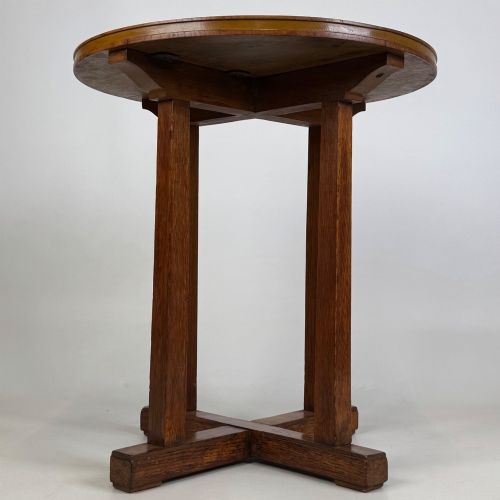
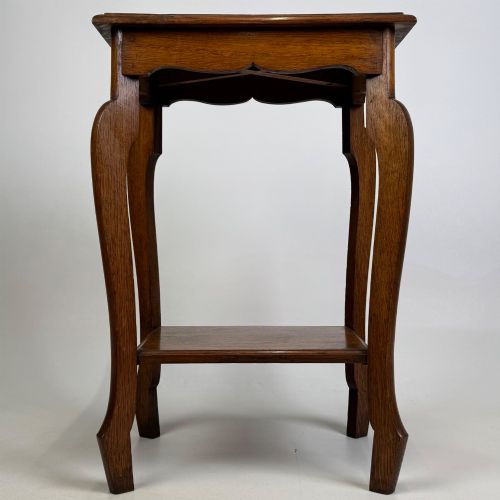
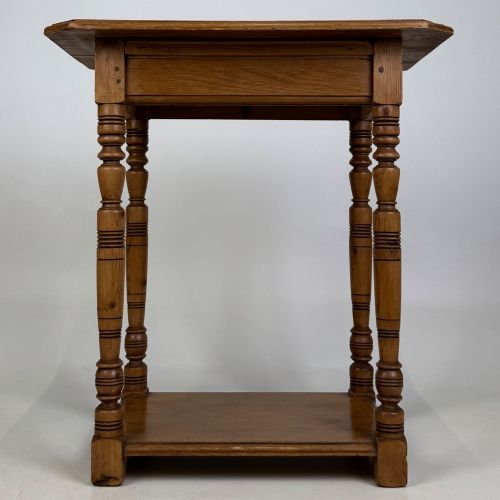
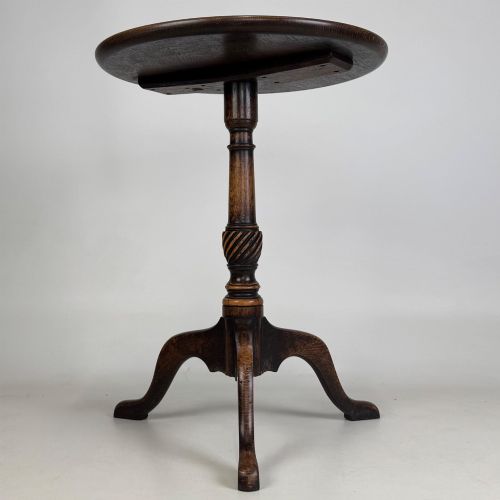
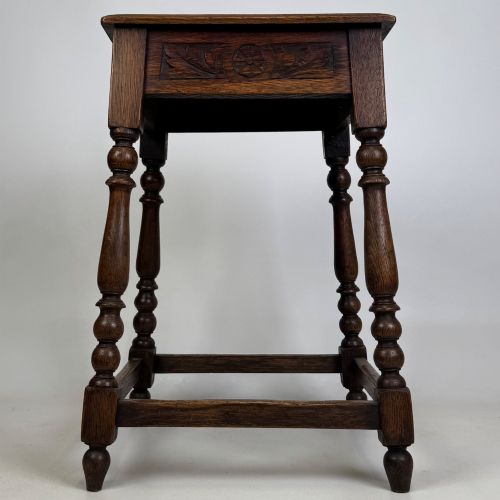
When you search for a small oak occasional table, you are looking at versatile timber furniture designed to move easily around a room.
Small Oak Occasional Table
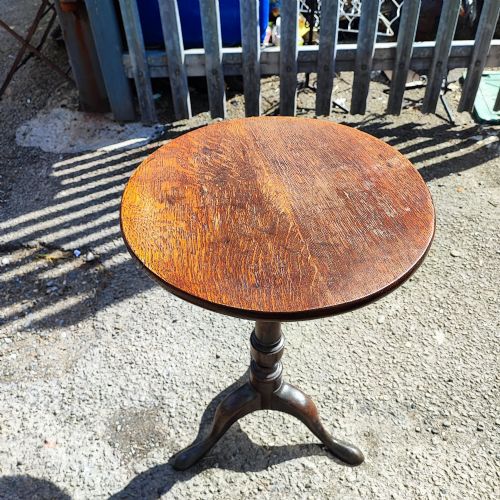
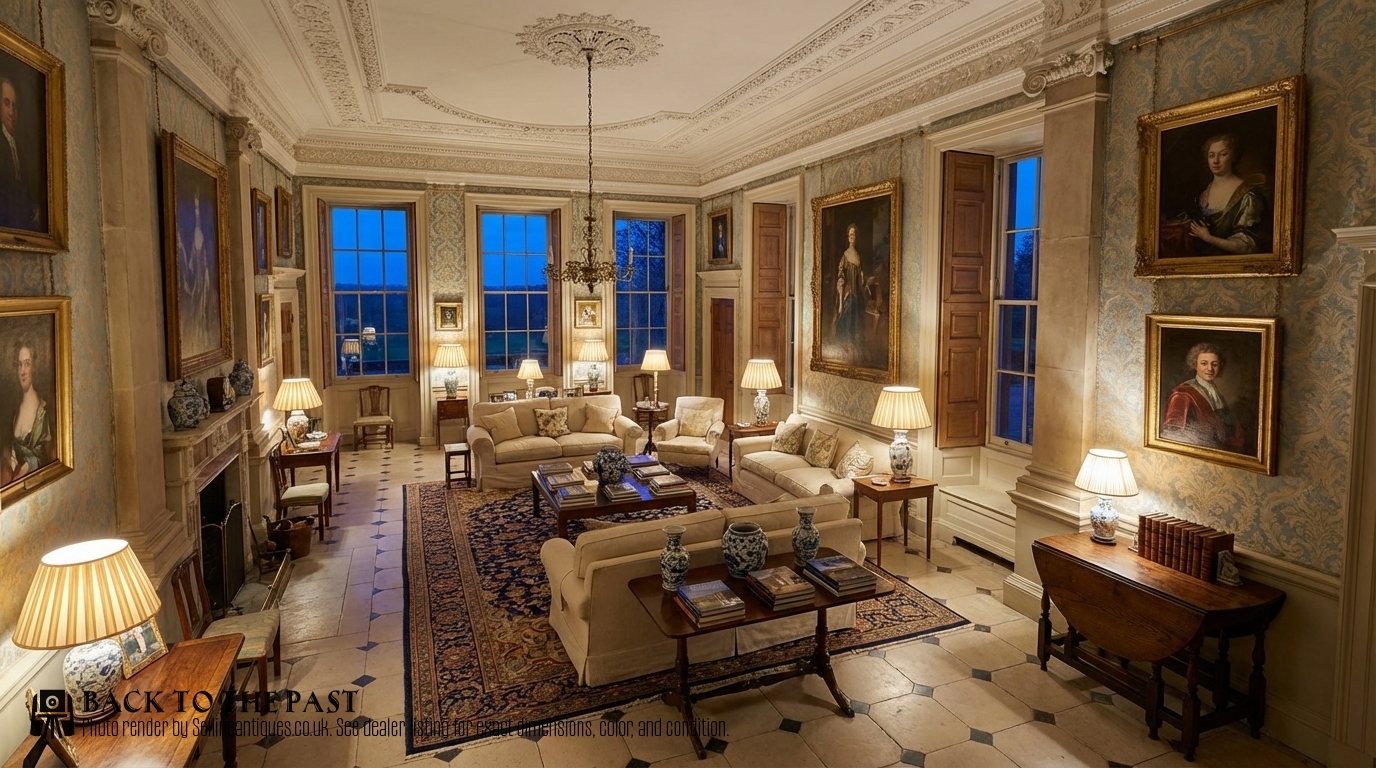
A small oak occasional table serves as a flexible surface for lamps, books, and daily use, bridging domestic utility and compact design. The pieces gathered here span centuries of British and continental domestic life, from country gatelegs to refined Georgian tripods.
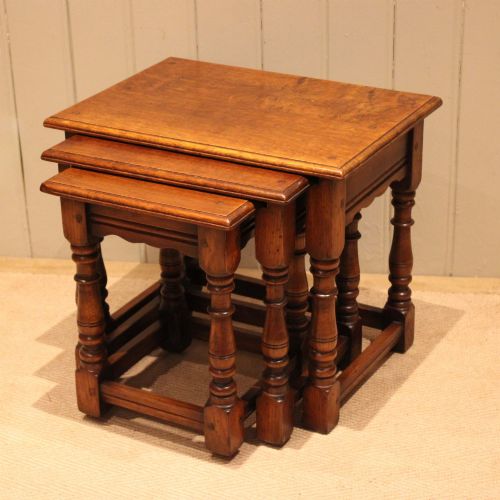
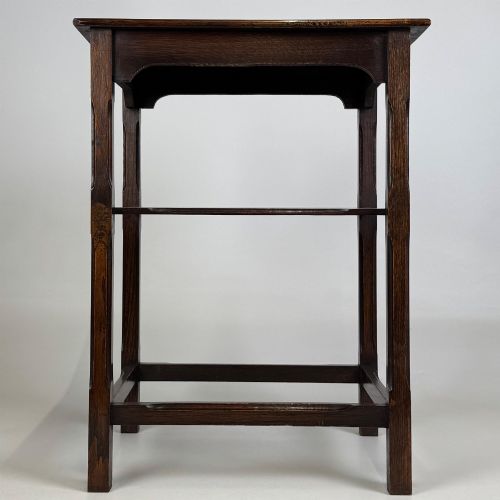
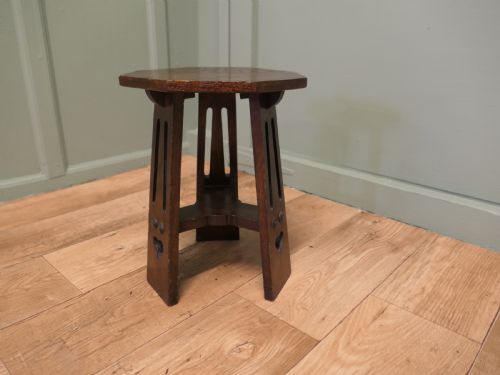
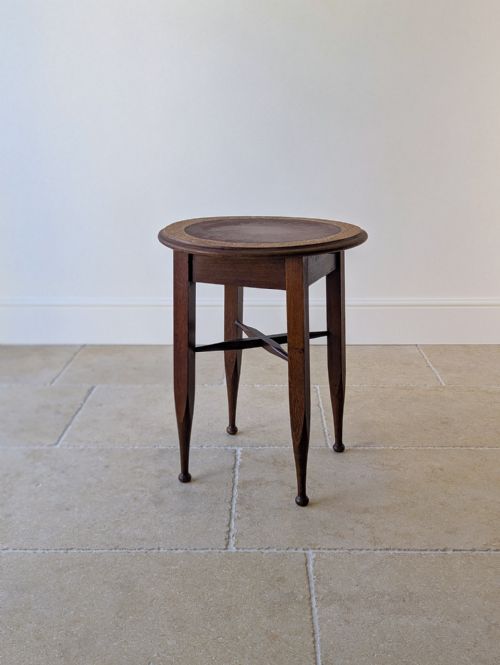
You will most frequently encounter Edwardian and early twentieth-century examples on this page, often built as simple side tables, plant stands, or nests of three. Earlier Georgian and Victorian pieces appear alongside Arts and Crafts designs, demonstrating how oak remained the dependable choice for sturdy, smaller furniture.
Materials and Construction
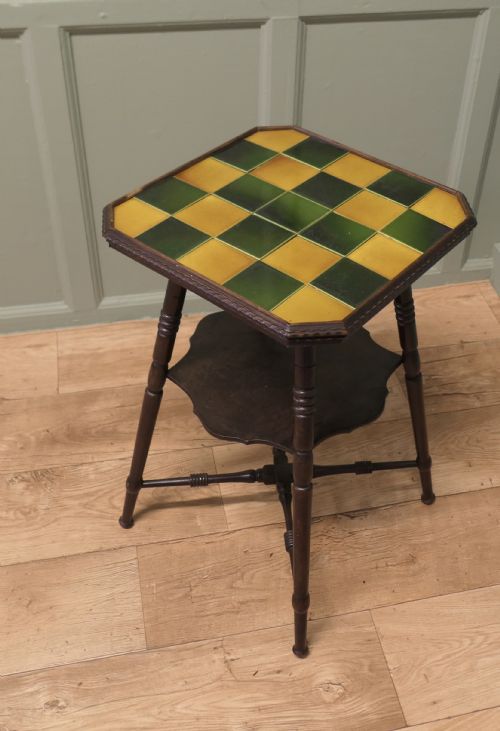
Makers relied primarily on solid oak, frequently paired with secondary woods and supported by brass fittings or metal hinges on folding gateleg variants. Some specialised Arts and Crafts pieces introduced ceramic tiles into the top surface to withstand heat and moisture.
Construction techniques range from traditional peg-and-tenon joints on seventeenth-century survivals to sturdy turnings and modern laminates on later twentieth-century iterations. Timber surfaces were left in natural honey tones, stained dark, or finished with simple wax to highlight the grain.
Small Oak Occasional Table Retail Price Guide 2026
Typical asking prices for small oak occasional table among the pieces listed under this phrase on Sellingantiques today, from the lower quarter to the upper quarter. They describe what is for sale here now, not the wider market.
Listings feature oak alongside ceramic tiles, brass, and specimen woods across periods spanning from the eighteenth century to the 1930s.
Assessing Quality and Craftsmanship
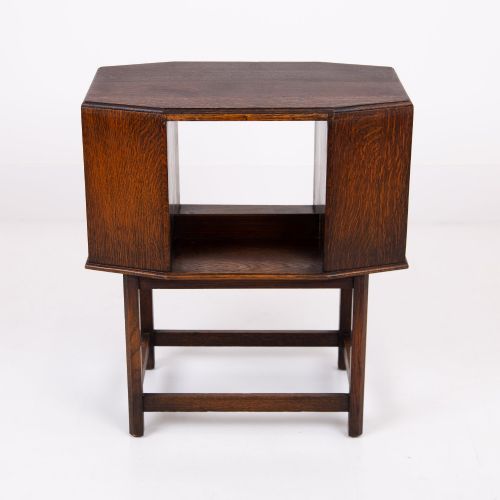
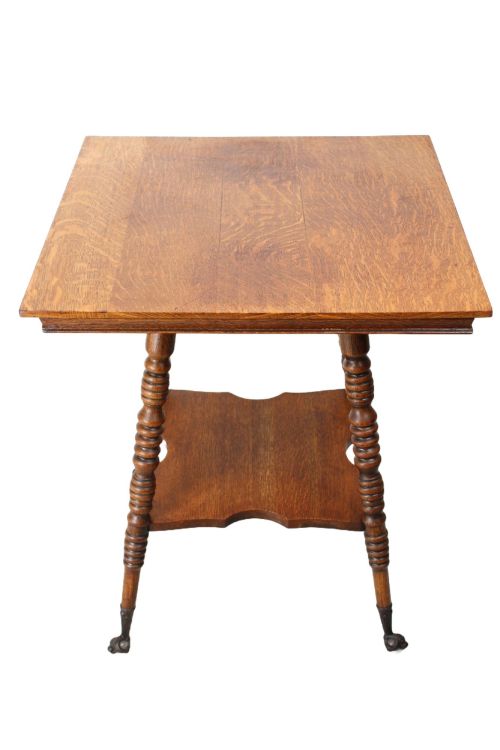
The distinction between standard utility items and superior examples lies in the selection of the timber and the crispness of the hand-carving. Grain patterns like pollard oak or quartersawn medullary rays indicate a maker who selected wood for visual impact rather than mere utility.
Structural integrity also separates the output of regional workshops from mass-produced factory pieces, visible in tight joints and well-proportioned turnings like barley twist legs. Finer examples retain their original surface finishes and harmonious proportions without excessive restoration.
Shapland & Petter·Baillie Scott
The Small Oak Occasional Table Glossary
- Gateleg table
- A table with hinged drop leaves supported by legs that swing out like gates. This clever mechanism allows the surface to expand for use and fold flat for storage.
- Tripod table
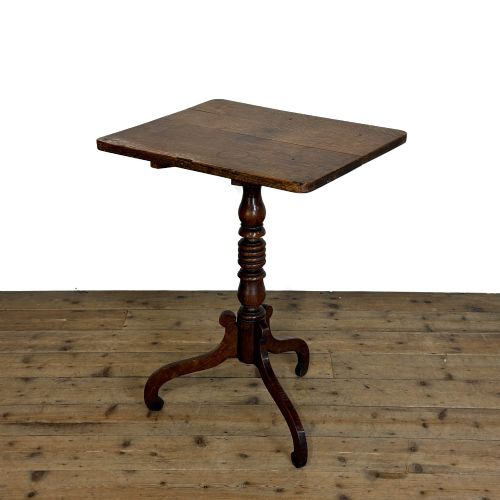
- A small table standing on a central pillar supported by three feet. They were especially popular during the Georgian period for serving wine or holding candles.
- Cricket table
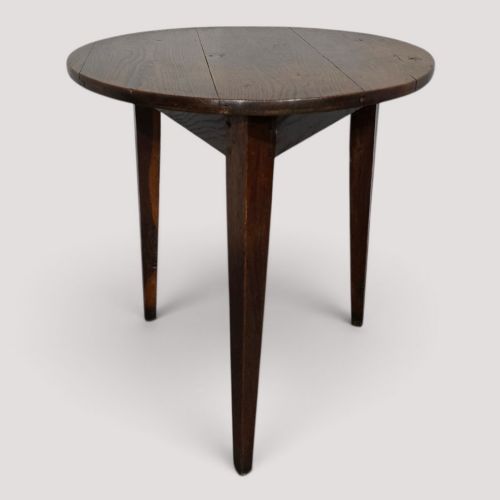
- A small, three-legged table with a round top, traditionally associated with English country houses. The three legs ensure stability on uneven floors.
- Tile top
- A table surface inset with decorative ceramic tiles, frequently seen in Arts and Crafts designs. This practical feature protected the wood from hot teapots or damp flower pots.
- Nests of tables
- A set of graduated small tables that slide neatly beneath one another to save space. They became exceptionally popular during the Edwardian era.
Small Oak Occasional Table: Frequently Asked Questions
What is an occasional table used for?
An occasional table is a small, movable piece meant to serve temporary needs around the home, such as holding a cup of tea or a bedside lamp. Their compact size allows them to be shifted easily between rooms as requirements change.
Historically, these pieces filled awkward corners or sat beside armchairs in drawing rooms and parlours. Today, they remain just as useful for resting books and devices in modern spaces.
How do I date an oak table?
Dating oak furniture requires looking closely at construction marks, timber selection, and overall style. Hand-sawn boards, pegged joints, and vernacular turning often point towards earlier centuries, while factory screws and lighter stains suggest the twentieth century.
Stylistic cues also help narrow down the period, such as the distinctive geometric carving of Jacobean revivals or the linear simplicity of Arts and Crafts pieces. Comparing the piece to documented examples from the same era provides the most reliable guide.
How do I care for antique oak?
Antique oak benefits from gentle cleaning with a soft, dry cloth to remove dust without harming the historic finish. Applying a coat of quality beeswax occasionally helps nourish the dry timber and maintains a soft sheen.
Keep these tables away from direct heat sources and strong sunlight, which can dry out the wood and cause splitting. Maintaining a stable indoor environment protects both the timber and the traditional joinery.