
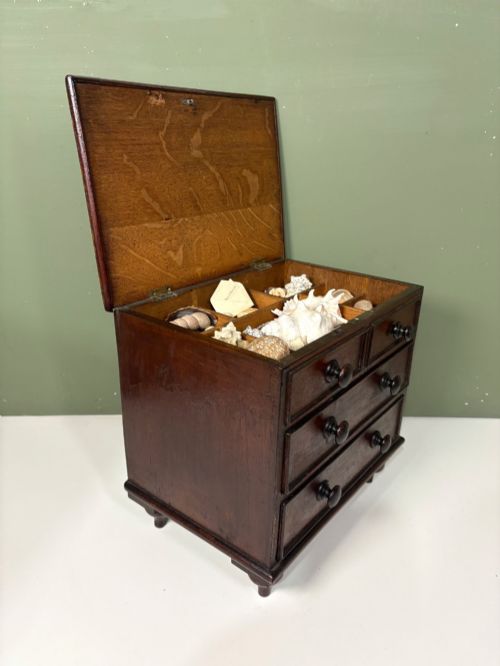
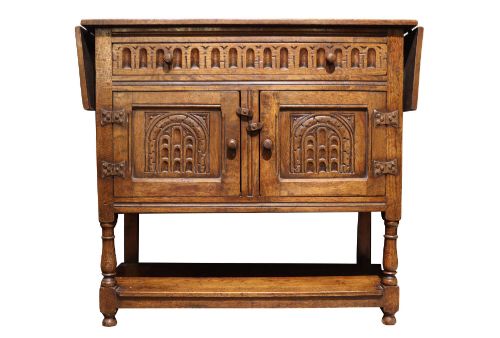
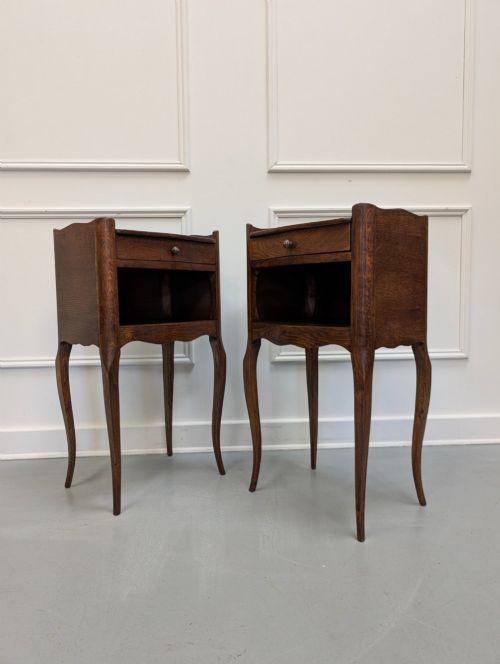
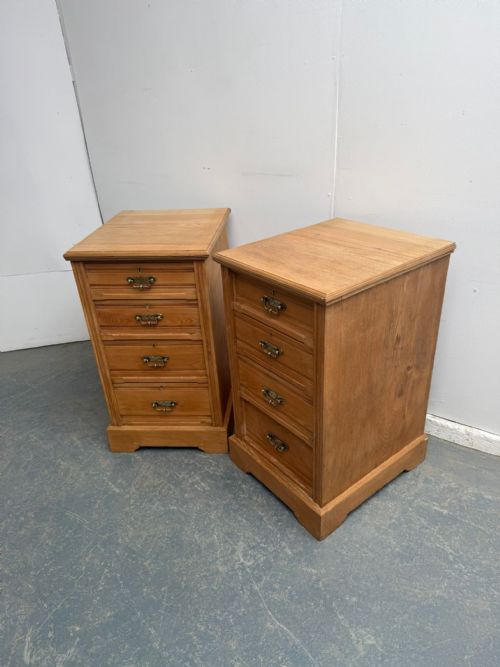




Small Oak Drawers Cabinet
These small oak drawers cabinet selections are compact pieces built for utility, offering sturdy storage across periods from the eighteenth century onward.
Small Oak Drawers Cabinet
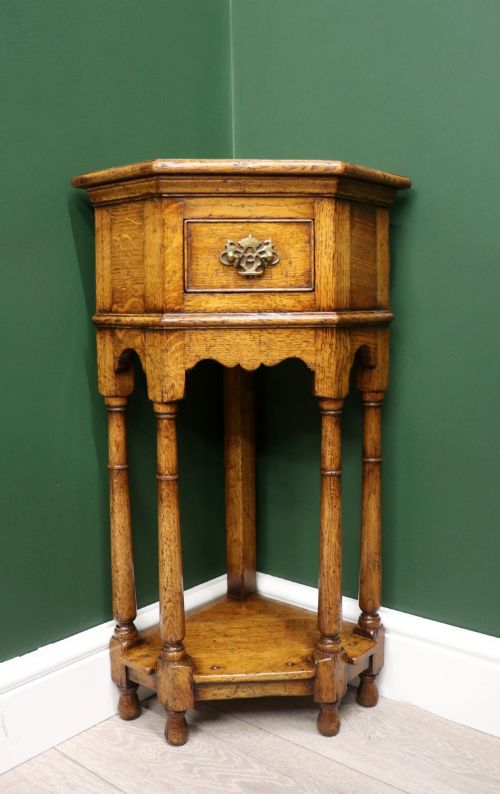
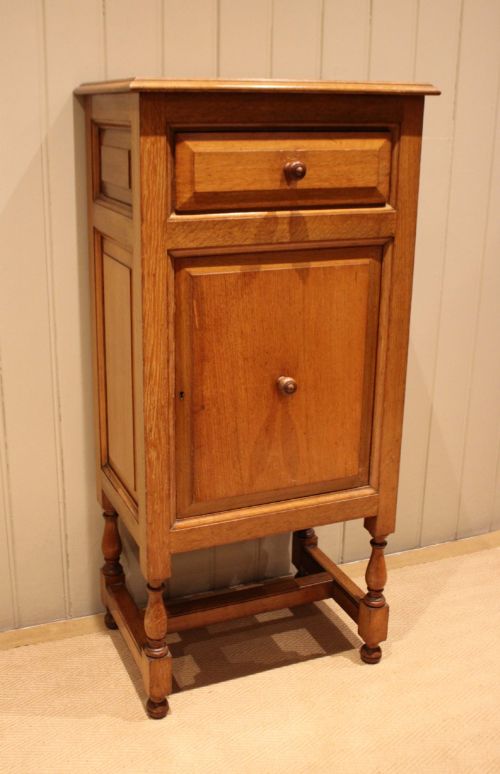
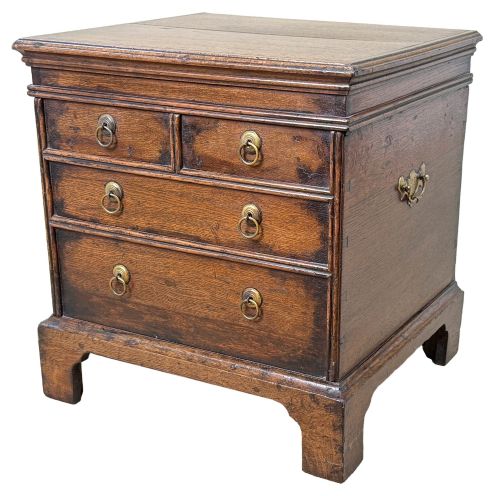
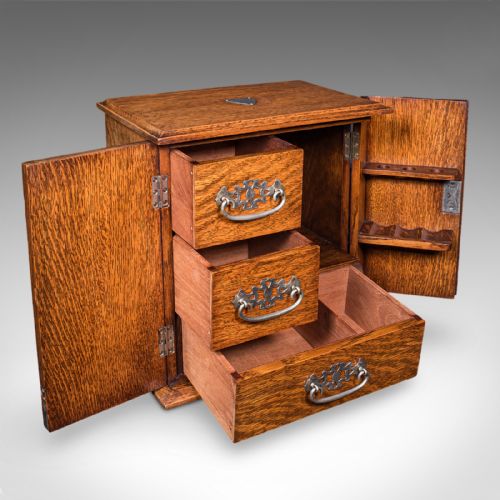
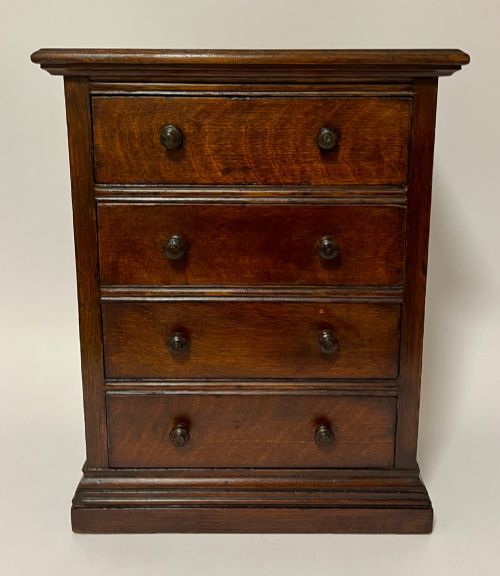
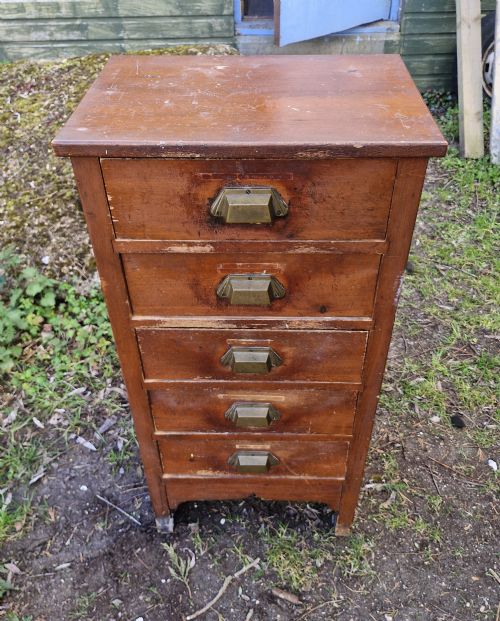
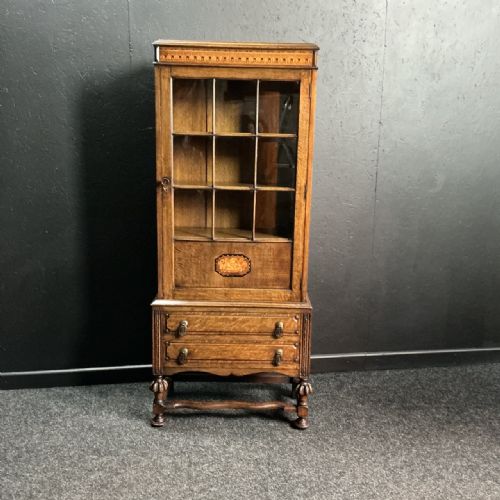
A small oak drawers cabinet gathers a diverse group of compact furniture designed for specialised storage, ranging from spice cabinets and desktop chests to miniature tallboys and filing units. The pieces appearing in this selection frequently date from the Georgian, Victorian, and Edwardian eras, alongside later Art Deco and 1920s examples.
Buyers encounter tabletop specimens, bedside chests, and multi-drawer office furniture built to modest proportions. These items reflect domestic, medical, and commercial uses, utilising sturdy timber frames suited to desktop or bedside placement.
Materials and Construction
Solid oak serves as the primary timber across these pieces, frequently paired with secondary woods like pine for interior drawer linings and backboards. Workshops utilised traditional joinery methods to build compact carcases capable of supporting multiple drawers without twisting.
Metal hardware plays a functional role, incorporating brass handles, iron fittings, and steel mechanisms on filing variants. Wax finishes protect the timber surfaces while maintaining the natural grain visible on polished fronts and tabletops.
Oak predominates as the structural timber, supplemented by ash, pine, brass, and iron hardware across different periods.
Design and Execution
The standard of a small oak drawers cabinet depends upon the precision of its drawer construction and the selection of figured timber. Finely grained English oak and well-fitted drawer runners elevate a piece beyond standard utilitarian storage.
Original hardware, such as period brass pulls and working locks with keys, distinguishes superior examples. The integrity of the original joints and uncompromised timber surfaces dictate the overall standing of each cabinet.
Gomme
The Small Oak Drawers Cabinet Glossary
- Apprentice piece
- A small-scale item created to demonstrate a craftsman's skill before gaining trade guild membership. These miniature chests duplicate full-size furniture details accurately.
- Spice cabinet
- A small wall-hanging or tabletop storage unit featuring multiple small drawers for dry goods and herbs. These date primarily from the Georgian and eighteenth-century periods.
- Collector's cabinet
- A specialised housing unit with shallow drawers designed for specimens, coins, or insects. They often feature locking glass doors or secure panelled fronts.
- Close stool
- An eighteenth-century or Victorian cabinet enclosing a chamber pot, often disguised as a small bedside chest or commode. Many survive converted into standard small drawer units.
- Tallboy
- A vertical chest of drawers built in two stacked sections to maximise storage in a compact footprint. Miniature versions scale down this stately bedroom form.
Small Oak Drawers Cabinet: Frequently Asked Questions
What were small oak drawers cabinets used for?
These compact units served various purposes depending on their original context, ranging from storing kitchen spices and doctor's supplies to holding office documents and botanical specimens.
Their modest dimensions allowed them to sit upon desks, counters, or bedside tables where space was restricted.
How do I identify a Georgian small oak drawers cabinet?
Georgian pieces display hand-cut dovetails on the drawer sides and use native oak with deep patination accumulated over centuries. The proportions tend to be stout, featuring simple moulded cornices and panelled sides.
They lack the machine-cut precision and metal runners found in later filing or office cabinets from the twentieth century.
Where should I place a small oak drawers cabinet at home?
A tabletop or wall-hanging spice cabinet fits well in a kitchen or study, offering convenient storage for small household items. Miniature chests and bedside cabinets function effectively as nightstands or accent tables in living spaces.
Keep solid oak furniture away from direct heat sources and dramatic humidity fluctuations to protect the timber.
What is the difference between a collector's cabinet and a filing cabinet?
Collector's cabinets feature numerous shallow drawers designed to organise small objects, often secured behind a locking door. Filing cabinets utilise deeper drawers proportioned for paper documents, frequently incorporating metal or oak handles from the early twentieth century.
Both utilise solid oak construction but serve entirely different sorting functions.