


Oak Artist Stand
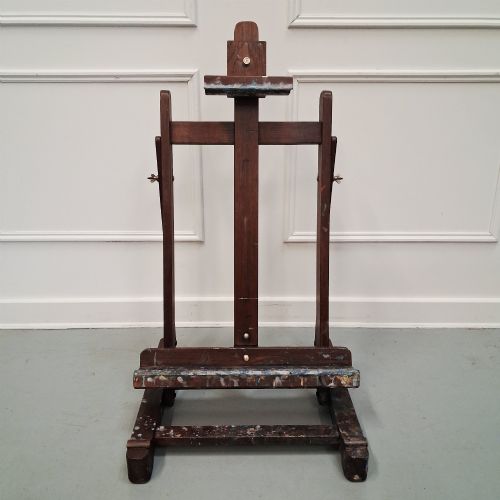
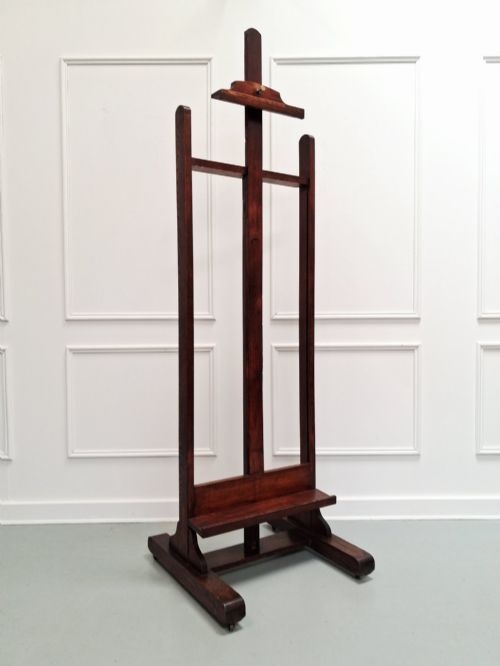
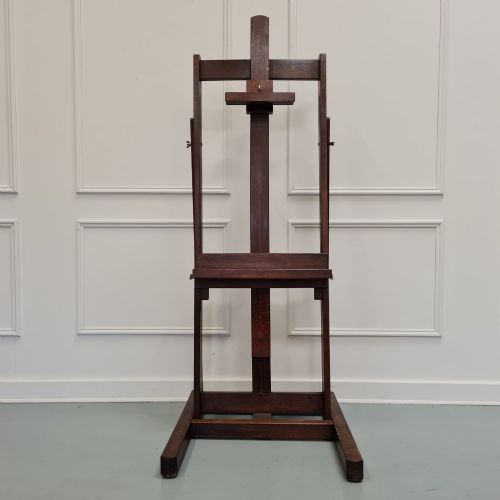
These oak artist stand pieces combine sturdy utility and period character, offering both working function and classic display for the studio or home.
Oak Artist Stand
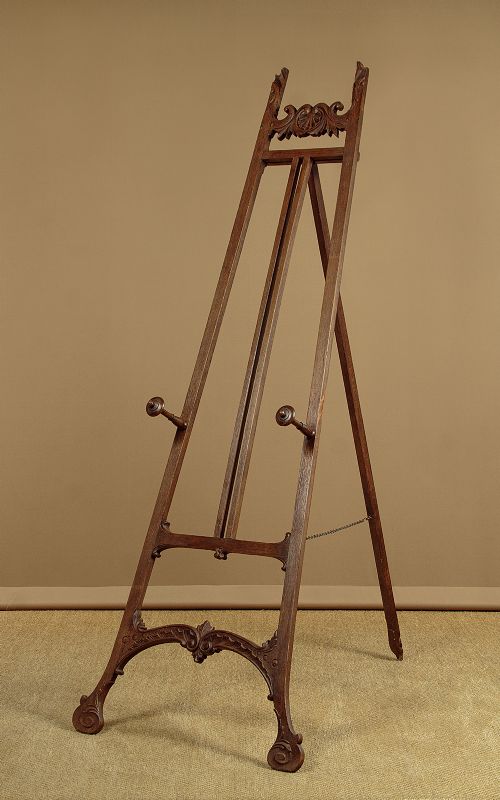
When you search for an oak artist stand, you encounter a range of heavy-duty studio equipment, tabletop easels, and specialised display pieces. The selections span the nineteenth century, the Edwardian era, the nineteen-thirties, and the Regency period.
You are most likely to meet substantial studio easels, double-sided gallery examples, and smaller tabletop or display variations. These items originate from English workshops and French ateliers, capturing diverse regional approaches to workspace furniture.
Alongside conventional easels, the category encompasses sculptor stands, architect picture racks, folio stands, and materials tables. Each form reflects the specific practical needs of painters, sculptors, and draughtsmen across different historic eras.
Materials and construction
Makers relied primarily on solid timber, with oak forming the core structural material for frames, uprights, and bases. Supplementary timbers such as pine and beech occasionally appear in secondary or internal components.
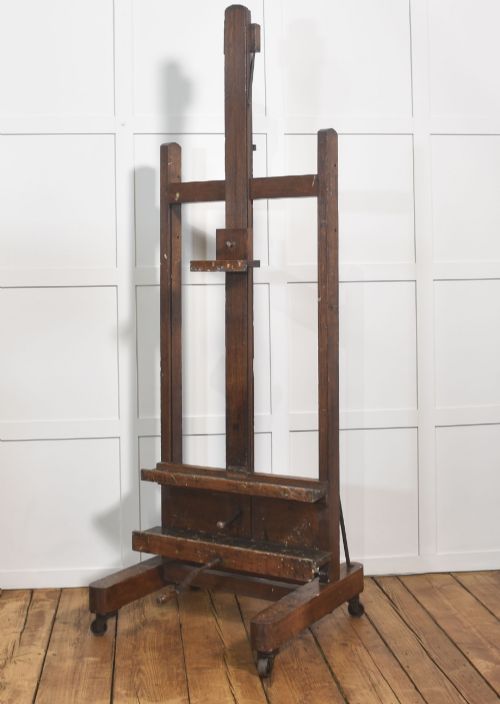
Functional metal hardware is integral to these pieces, incorporating brass and cast iron for winding mechanisms, brackets, and adjustable supports. These durable metallic elements allowed artists to alter heights and angles securely during long working sessions.
Listings feature oak alongside brass, cast iron, and beech across nineteenth-century and early twentieth-century periods.
Assessing quality and build
Superior examples demonstrate robust mechanical adjustment systems that move smoothly without slipping under weight. Lesser pieces often feature stiff or replaced adjustment apparatus that impedes daily utility.
The sophistication of timber selection and joinery marks the grade of an individual stand. Finer pieces display careful joint work and well-seasoned oak, whereas utility versions prioritize basic structural survival over refined surface finish.
Windsor and Newton·Roberson and Co·Reeves and Sons London
The Oak Artist Stand Glossary
- Studio easel
- A large, heavy-duty floor-standing apparatus designed to hold substantial canvases during painting. These tall pieces often feature winding mechanisms and castors for mobility.
- Display easel
- A lighter decorative stand intended for exhibiting finished pictures or plates rather than supporting active painting. They frequently showcase finer carving and more compact proportions.
- Folio stand
- A rack or trough built to store large paper sheets, prints, or architectural drawings flat or upright. English Regency examples are particularly sought after for this format.
- Sculptor stand
- A revolving or fixed heavy platform designed to support clay or stone during modelling. They prioritize sheer weight capacity and stability above all else.
- Gallery easel
- A double-sided exhibition stand allowing two artworks to be displayed simultaneously. These robust frames often feature extended bases for added balance.
Oak Artist Stand: Frequently Asked Questions
Can I use these stands for modern displays?
These pieces integrate well into contemporary interiors as statement furniture for holding framed artwork, mirrors, or large books. Their adjustable nature makes them versatile for changing exhibition layouts.
Select a model whose base footprint suits your floor space, noting that heavy studio variants require ample room. Ensure the resting ledge depth matches the thickness of the items you intend to display.
How do I identify a Regency folio stand?
Regency folio stands typically present clean architectural lines, often in polished oak, with slatted trough sides designed for holding heavy paper portfolios. Their proportions reflect the classical furniture canons of the early nineteenth century.
Look for pegged joints and patinated timber surfaces that indicate genuine age. These pieces were built for architects and serious collectors, so their structural framing is exceptionally sturdy.
What maintenance does old oak require?
Timber surfaces benefit from occasional applications of natural beeswax to nourish the wood and preserve the historic sheen. Avoid placing stands near direct heat sources that could cause the oak to dry out or split.
Inspect metal winding components periodically and apply a tiny drop of light machine oil to moving parts if they feel stiff. Keep castors free from dust and thread buildup to ensure smooth rolling across floorboards.