


Small Oak Coffee Table
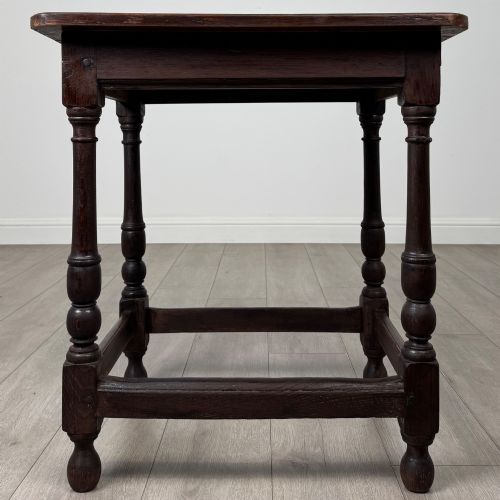
These small oak coffee table examples bring dependable timber character and practical proportions to sitting rooms, drawing from Edwardian and Arts and Crafts traditions.

Small Oak Coffee Table Forms
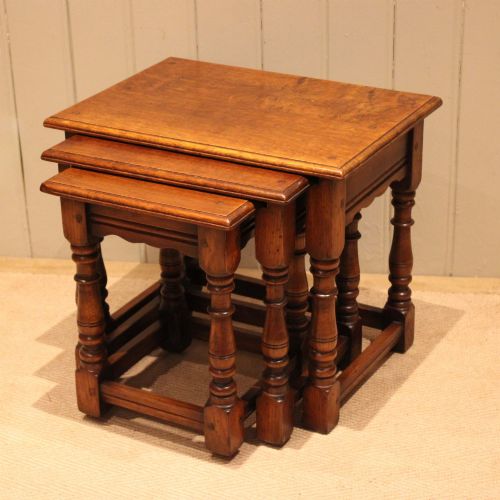
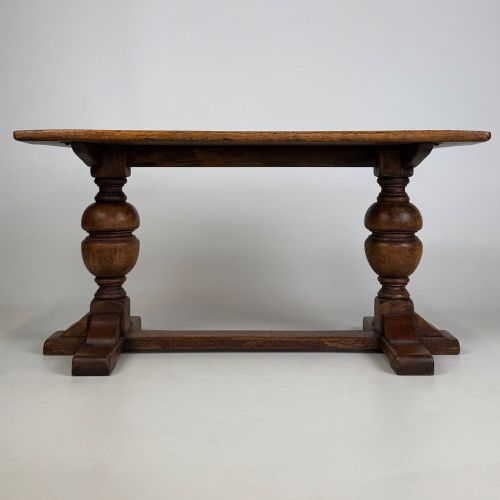
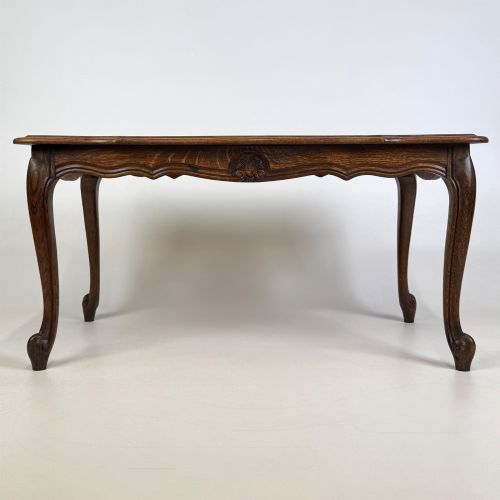
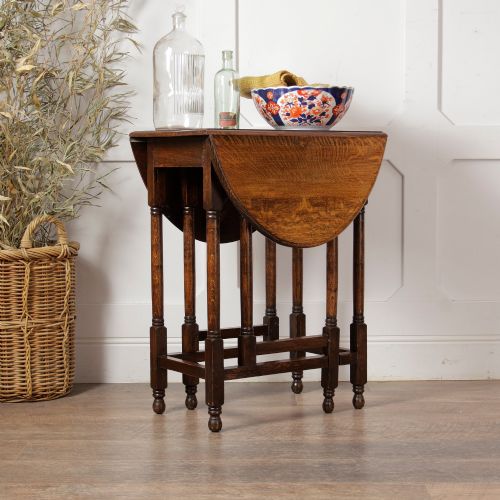
A small oak coffee table serves as a compact surface for everyday sitting rooms, taking the form of side tables, occasional tables, nests of tables, or low low-slung designs. The selection brings together Edwardian craftsmanship and Arts and Crafts integrity, alongside gateleg, dropleaf, and oval configurations.
Makers adapted traditional formats such as blanket boxes, stools, and wine tables into low surfaces suited to twentieth-century living. Buyers frequently encounter pieces featuring clever folding mechanisms like gatelegs and dropleaves that maximise floor space in smaller interiors.
Materials and Construction
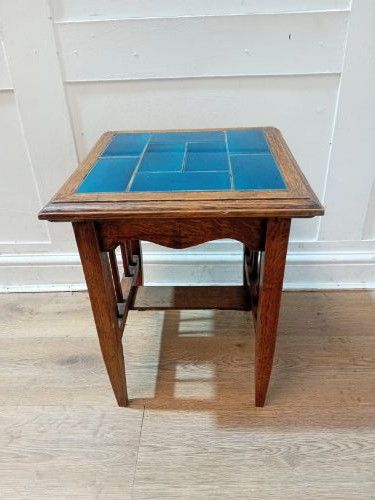
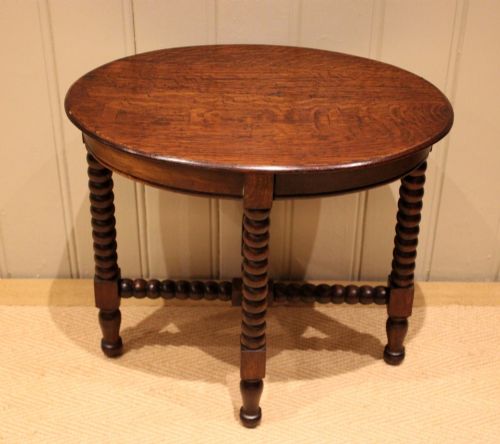
Cabinet makers built these tables predominantly from solid oak, sometimes utilising tiger oak figuring or applying limed finishes to highlight the natural grain. Structural details include carved bobbin turns, barley twist legs, and occasional inset ceramic tiles providing decorative contrast.
Joinery techniques ranged from standard framing to hinged dropleaf mechanisms and interlocking nests. Beech sometimes supplemented the primary oak timber, particularly in structural underframes and turned supports.
Retail Price Guide 2026
Typical UK retail prices for small oak coffee table, calculated from the Sellingantiques database of over a million retail prices indexed since 2003. This retail price guide relies exclusively on Sellingantiques data; no external sources or auction records are used, so the figures do not describe the wider market.
Some versatile tables double as blanket boxes or footstools, ready for a sudden shift from fireside storage to tea service.
Distinctions in Quality
The standard of a small oak coffee table rests on the crispness of its timber selection, whether plain quarter-sawn boards or striking tiger grain, coupled with the stability of its joints. Simpler vernacular pieces contrast with workshop productions bearing refined proportions or integrated decorative elements like ceramic tile tops.
Movement mechanisms on gateleg and dropleaf versions separate basic utilitarian builds from more considered constructions that maintain smooth operation and tight alignments over decades of use.
LIBERTY of LONDON
The Small Oak Coffee Table Glossary
- Tiger Oak
- Timber showing prominent medullary rays that create a striped, tiger-like pattern when quarter-sawn. This figure was prized for decorative effect in Edwardian furniture.
- Gateleg
- A table with hinged drop leaves supported by legs that swing outward like a gate. This construction allows the surface area to expand or contract.
- Dropleaf
- A table top with hinged side flaps that fold down when not in use. It provides flexibility in restricted spaces.
- Nest of Tables
- A set of graduated tables designed to fit neatly one beneath another. They offer multiple surfaces while occupying the floor space of a single table.
Frequently Asked Questions
How do I style a small oak coffee table?
Keep styling minimal to let the timber grain and period details remain the focal point. A single ceramic piece or a small stack of books works well without cluttering the surface.
Allow the natural warmth of the oak to complement existing interior woodwork rather than matching every tone precisely. These versatile pieces suit both traditional cottage settings and simpler modern rooms.
Are gateleg coffee tables stable?
Gateleg and dropleaf mechanisms rely on swing-out legs to support the extended leaves safely during normal use. Ensure the swing joints move freely without excessive wobble before placing heavy items on the edges.
When locked properly in position, the hinged supports provide reliable daily service in busy rooms.
What is tiger oak?
Tiger oak refers to timber cut across the growth rings to expose the silvery medullary rays of the wood. This method produces distinctive speckled and striped markings across the surface.
Cabinet makers utilised this figuring to add visual depth and texture to Edwardian and Arts and Crafts furniture.
How do I care for antique oak?
Protect the surface from excessive moisture and direct heat sources that can dry out or crack the antique timber. Regular dusting with a soft cloth maintains the natural lustre of the finish.
Apply a traditional beeswax polish occasionally to nourish the wood and preserve its character over time.