

Small Oak Box
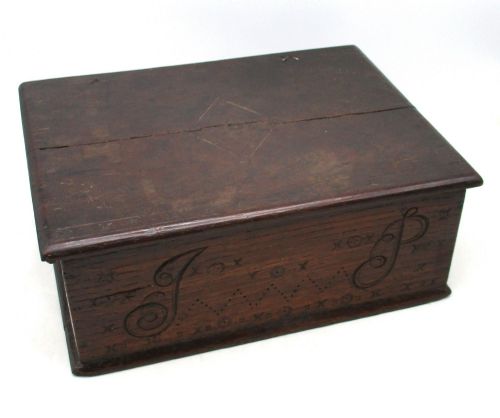
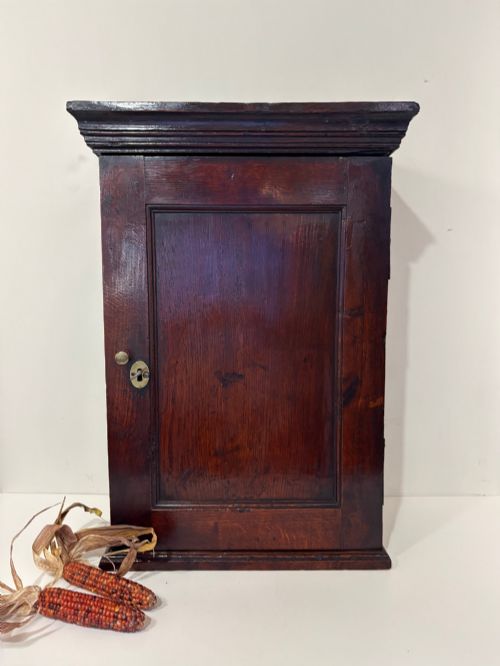
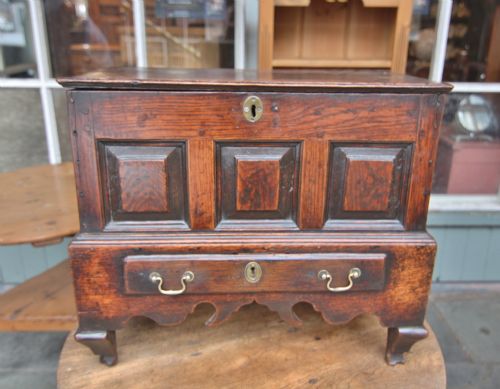
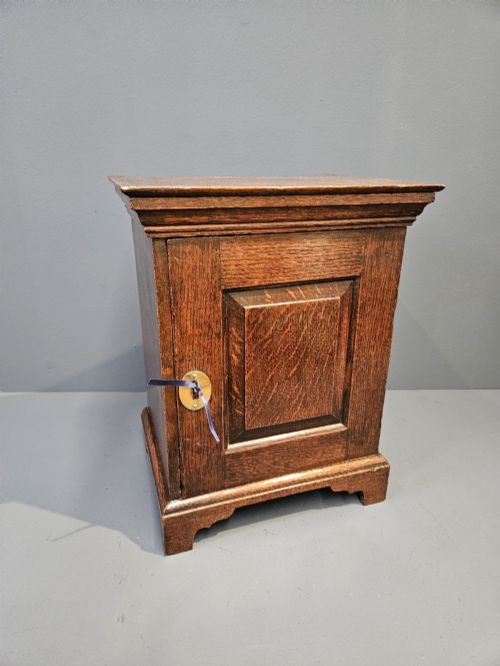
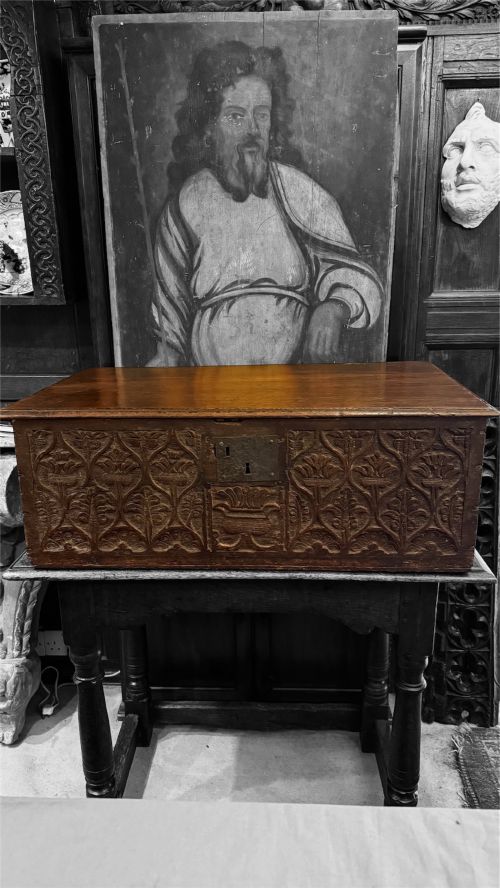
When you search for a small oak box, you are looking at centuries of functional domestic storage, from heavy seventeenth-century Bible boxes to Georgian spice cupboards.
Small Oak Box
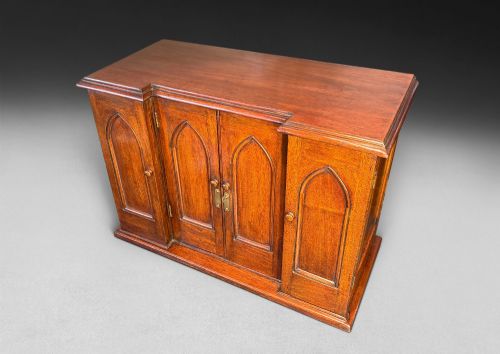
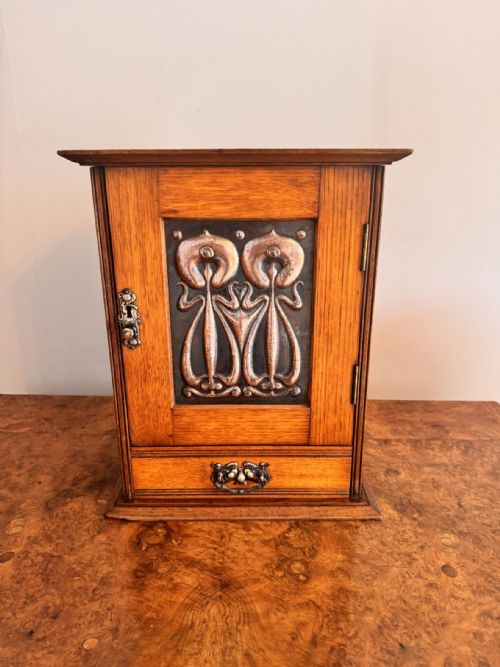
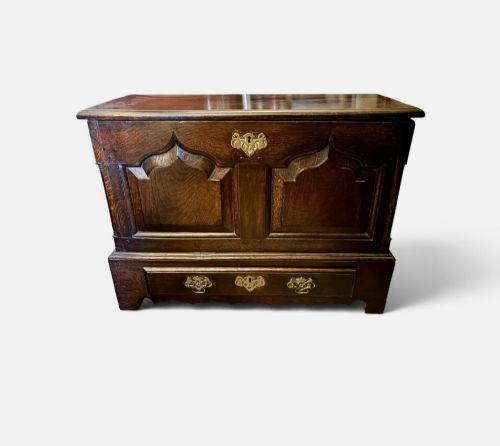
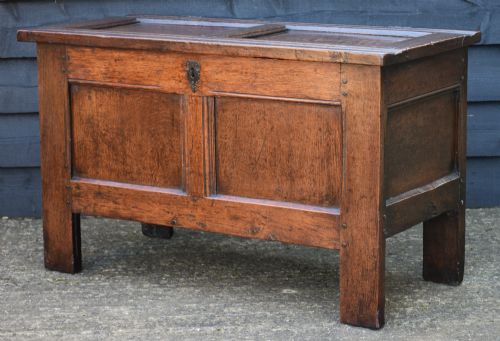
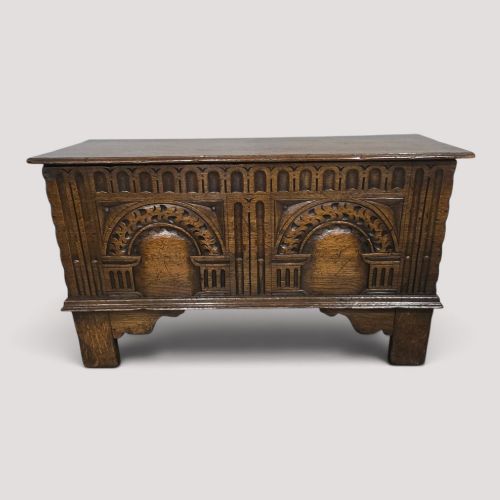
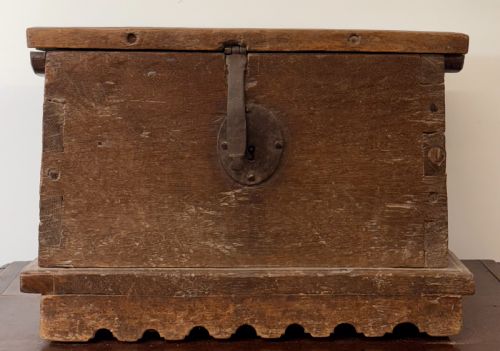
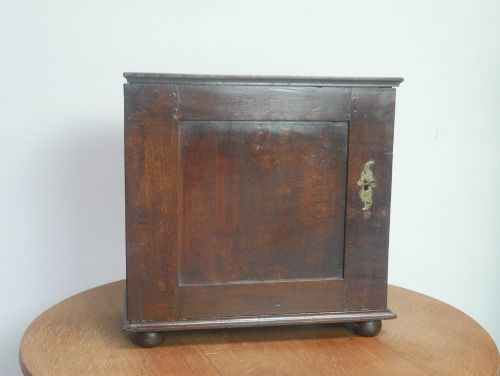
A small oak box serves multiple purposes across domestic history, appearing as tabletop Bible boxes, travelling strong boxes, and miniature coffers designed to secure valuables or documents. Buyers searching this phrase encounter pieces spanning from the seventeenth century through the Georgian and Victorian eras up to early twentieth-century smoking cabinets and novelty money boxes.
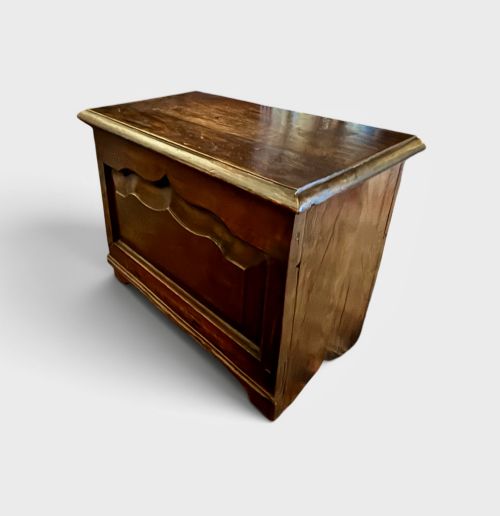
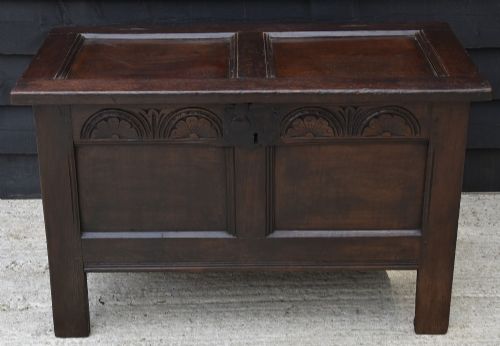
The regional variety is distinct, particularly with Welsh coffer bachs and vernacular boarded chests that scale down larger furniture forms for intimate domestic spaces. These compact pieces range from simple plank construction to heavily carved panels, reflecting both vernacular country craftsmanship and refined period styles.
How They Were Made
Carpenters constructed these boxes primarily using solid oak timbers, often joined by pegged mortise and tenon joints in earlier periods or simpler dovetails in later Georgian and Victorian examples. Grain patterns and quarter-sawn figuring determine the visual texture of the timber, while secondary woods like pine or elm occasionally appear in internal partitions or bases.
Hardware played an essential functional and decorative role, featuring hand-wrought iron hinges, strapwork, and brass escutcheons that secured lids and doors. Surface enrichment relied on chip carving, lunette motifs, linenfold panels, and occasional applied moulding rather than applied veneers.
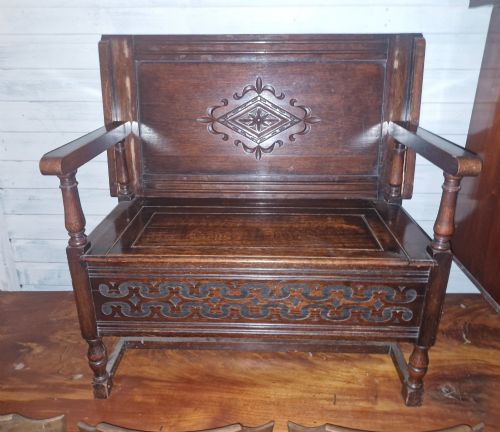
Several small boxes double as miniature settles, offering minuscule seats alongside their storage compartments for the most patient of sitters.
What Varies in Quality
The integrity of the timber and the survival of original surfaces dictate the standing of a piece, with untouched patination and minimal board replacement marking superior examples. Early ironwork, original hinges, and working locks with contemporary keys elevate the interest for collectors.
Proportion and carving depth separate standard utilitarian containers from master vernacular works. Crisp execution of period details, such as lunette carvings or geometric moulding, distinguishes fine workshop production from later provincial copies.
The Small Oak Box Glossary
- Coffer bach
- A small Welsh oak chest, traditionally given as a wedding gift to hold valuables or linen. These miniature receptacles mirror the larger marriage coffers of the region.
- Bible box
- A sloping-lidded desk box used in the seventeenth century to store sacred texts and writing materials. Many rested on tables or laps during use.
- Linenfold
- A style of wood carving that imitates folded linen, popular on sixteenth and seventeenth-century panels. This technique adds texture to otherwise plain box fronts.
- Boarded construction
- A method where box sides consist of simple thick planks joined directly at the edges rather than framed in panels. It represents an early and robust form of box-making.
- Mule chest
- A chest featuring one or more drawers beneath the main storage compartment. They bridge the gap between simple blanket boxes and full chests of drawers.
Small Oak Box: Frequently Asked Questions
What were small oak boxes used for?
These compact containers held precious documents, household accounts, Bibles, and small valuables safely away from damp and theft. Wealthier households utilised them as travelling strong boxes or tabletop storage.
Over later centuries, the form adapted into specialised items such as spice cabinets, tea caddies, and smoking cases. Their portable nature allowed them to move easily between rooms or accompany owners on journeys.
How can I tell a seventeenth-century box from a Georgian one?
Seventeenth-century examples typically feature heavy peg-joined frames, hand-riven oak boards, and carved ornamentation like lunettes or geometric panels. The construction is robust and often irregular due to early hand tools.
Georgian boxes tend to display smoother surfaces, dovetail joinery, and simpler moulded lids without heavy carving. They often incorporate internal divisions or small drawers suited to changing domestic habits.
Are all small oak boxes English?
While many originate from English country workshops, Welsh vernacular pieces form a distinct regional tradition, particularly the lidded coffer bach and small box settles. Continental European examples, such as Flemish or French coffers, also appear with characteristic regional motifs.
Makers across different regions adapted standard box forms to local materials and prevailing architectural styles, creating diverse stylistic variations.
How do I care for an antique oak box?
Keep wooden boxes away from direct heat sources and rapid humidity shifts to prevent the oak from splitting or warping. Natural beeswax applied sparingly helps maintain the historic patina.
Avoid modern synthetic polishes that can build up on the surface and obscure the grain. Gentle dusting with a dry cloth is sufficient for routine maintenance.