
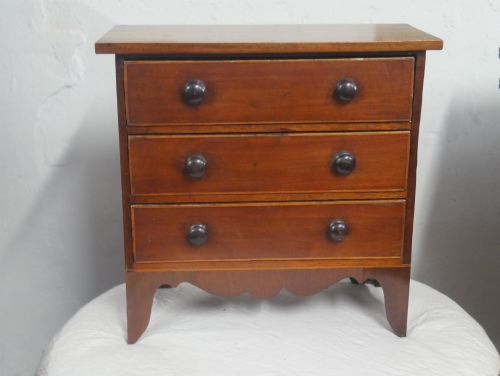
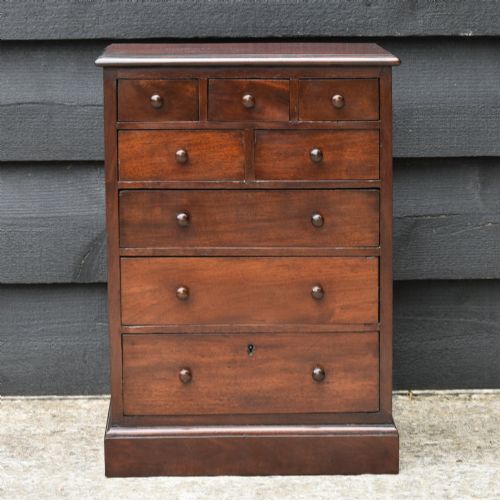
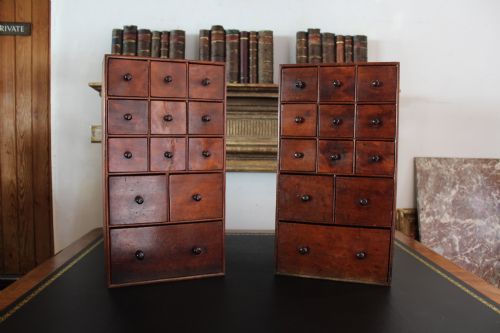
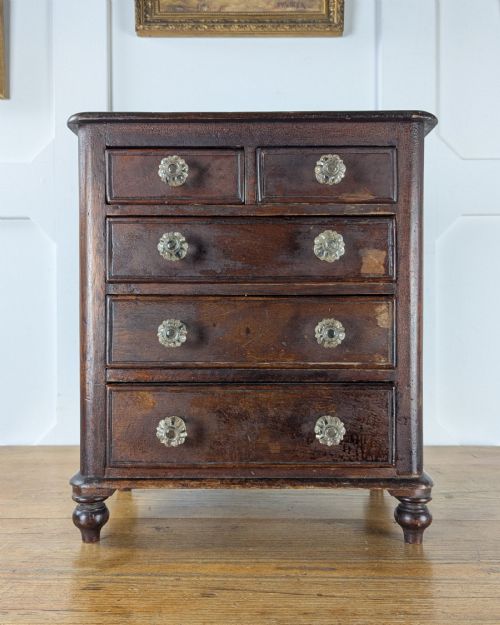
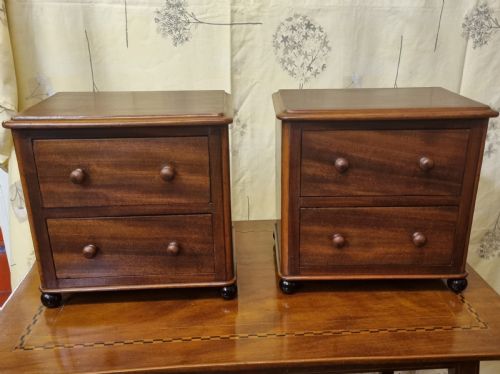
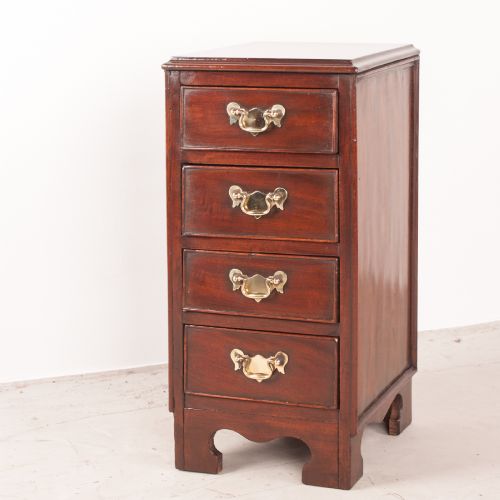
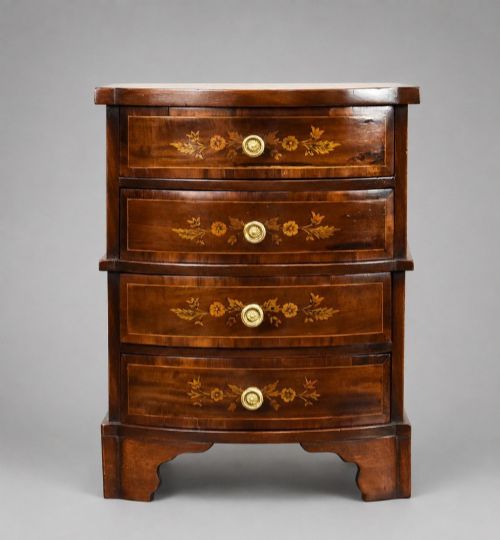
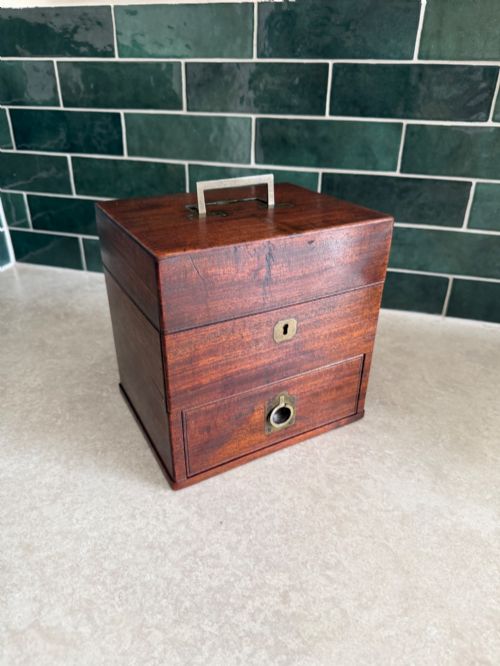
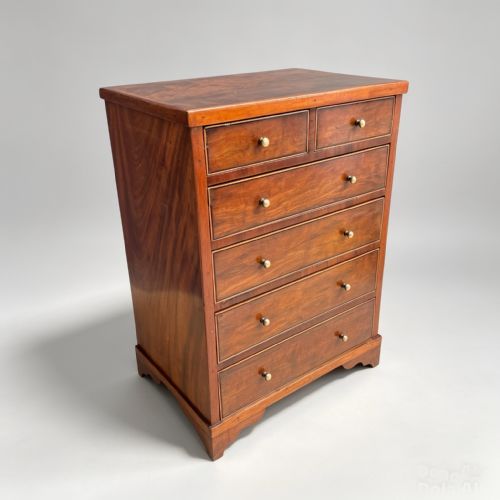
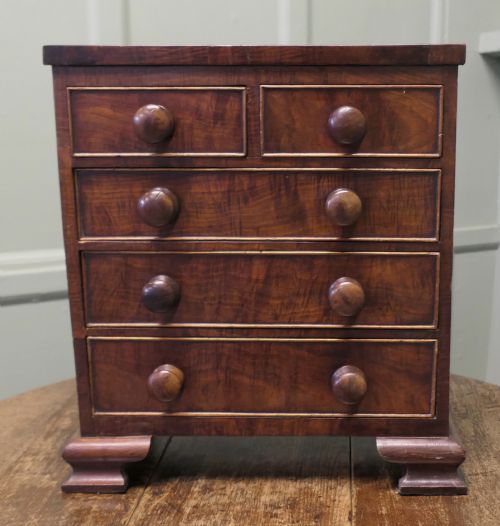
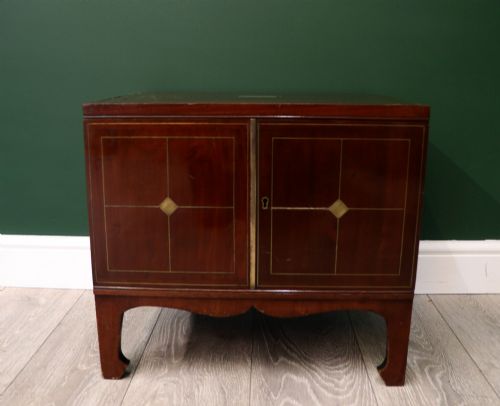

Small Mahogany Collector Chest
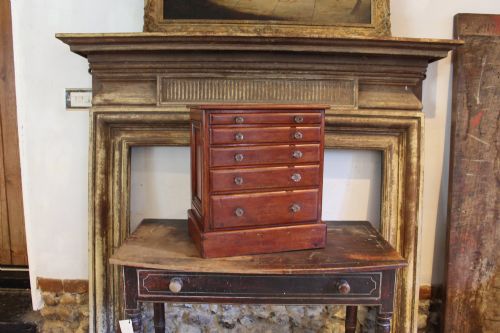
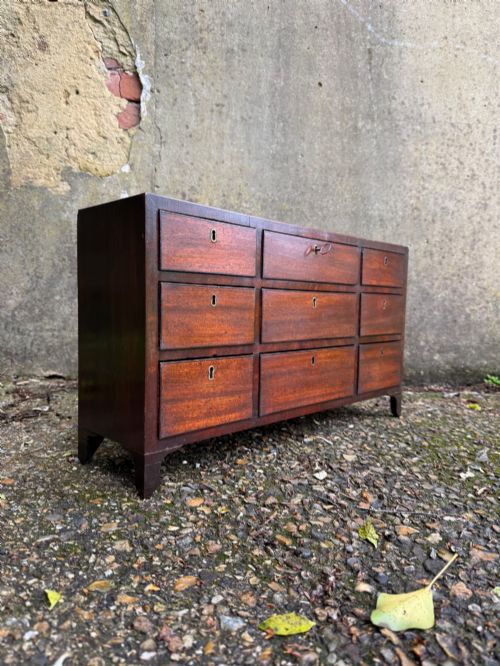
A small mahogany collector chest brings tabletop order and period timber grain to a room.
Small Mahogany Collector Chest
A small mahogany collector chest serves as a compact tabletop cabinet or miniature chest of drawers designed for specific storage needs. Buyers search for these pieces to hold small specimens, curiosities, or jewellery within a traditional furniture format.
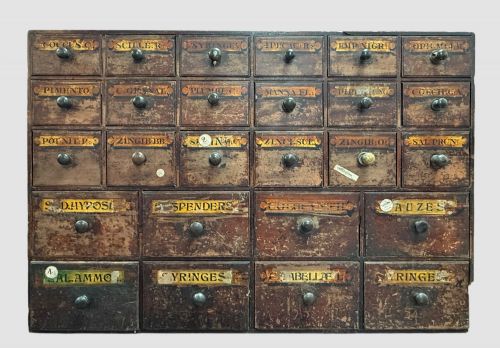
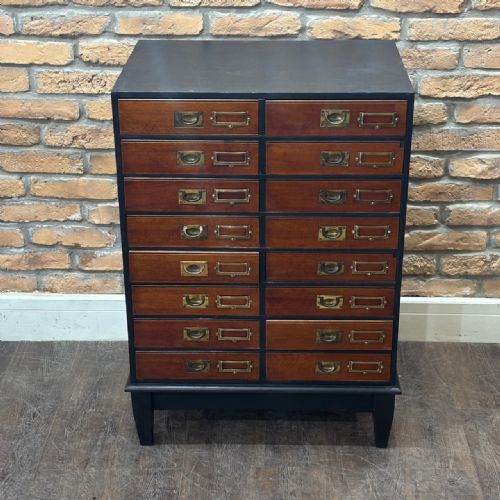
The pieces seen here span Georgian, Victorian, and Edwardian periods, including specific forms such as apprentice pieces, apothecary cabinets, and Wellington chests. The Victorian and 19th century examples dominate the selection, often featuring multiple small drawers.
Originating as practical items for tradesmen, physicians, or naturalists, these chests translate full-size case furniture into miniature proportions. They sit comfortably on desks, side tables, or larger chests while retaining dovetailed construction and brass hardware.
Materials and Construction
Makers constructed these chests primarily from solid mahogany and mahogany veneers over secondary timbers such as pine or oak. Cabinetmakers selected timber with deep grain patterns, occasionally incorporating brass for campaign handles, inlay, or corner brackets.
Joinery follows traditional cabinetmaking standards, utilising dovetailed drawer construction and turned wooden feet or bracket bases. Secondary materials like glass appear on front panels for display cabinets, while bone or wood serves for small drawer knobs.
Listings feature eighteenth-century Georgian pieces alongside nineteenth-century Victorian apprentice chests and early twentieth-century apothecary cabinets in mahogany, oak, and pine.
Assessing Quality
Quality rests in the precision of the miniature proportions and the crispness of the dovetail joints visible when drawers are removed. Superior examples maintain original hardware, clean timber patination, and proportional symmetry without clumsy alterations.
The complexity of the interior arrangement, such as multiple graduated drawers or specialised apothecary compartments, separates standard storage boxes from finer collector cabinets. Finer pieces demonstrate careful timber selection that highlights the natural grain of the mahogany.
The Small Mahogany Collector Chest Glossary
- Apprentice piece
- A small item of furniture demonstrated by a craftsman to prove skill before gaining guild membership. Many miniature chests carry this traditional attribution.
- Apothecary chest
- A multi-drawer cabinet originally utilised by chemists for storing medical ingredients, herbs, or small phials. These pieces feature banks of uniform small drawers.
- Wellington chest
- A tall, narrow chest of drawers secured by a hinged locking side bar that fastens over the drawer edges. This specific form appears in miniature nineteenth century formats.
- Specimen cabinet
- A small chest intended for natural history collections, holding geological, botanical, or entomological samples. The drawers are often shallow and dust-proof.
- Campaign style
- Furniture built for travel featuring recessed brass handles and reinforced corners. Miniature campaign chests adapt these portable military design traits for tabletop use.
Small Mahogany Collector Chest: Frequently Asked Questions
What were small mahogany collector chests used for?
These miniature chests served various practical purposes for storing small, valuable, or specialised items. Tradesmen, apothecaries, and naturalists utilised them to organise medicines, watch parts, or natural history specimens.
Over time, they transitioned from working utility items into decorative tabletop display pieces for domestic interiors.
How do I date a Victorian collector chest?
Dating relies on examining construction methods, timber choice, and hardware styles. Victorian pieces frequently feature mahogany veneers over pine secondary wood with machine-sawn elements appearing toward the end of the nineteenth century.
Interior linings, handle types, and drawer dovetailing help narrow the manufacturing window between the early and late Victorian decades.
Where should I place one in my home?
Their compact proportions allow them to sit securely on desks, lamp tables, or chest tops without dominating a room. They function effectively as display surfaces for small curiosities or as functional storage for everyday trinkets.
Placing them away from direct sunlight protects the mahogany polish and prevents timber drying.
What is the difference between an apprentice piece and a collector cabinet?
An apprentice piece is traditionally a scaled-down model demonstrating a cabinetmaker's mastery of full-size joinery techniques. A collector cabinet is specifically built with shallow drawers or compartments designed to hold specimens.
While both share miniature proportions, their intended internal layouts reflect distinct original purposes.
Are these chests suitable for daily use?
The sturdy mahogany construction and functional drawers make them durable enough for holding small everyday items like jewellery or desk supplies. Gentle handling preserves the nineteenth-century drawer runners and original timber finishes.
Regular care maintains the mechanical operation of the small drawers and hinges.