

Small Inlaid Side Tables
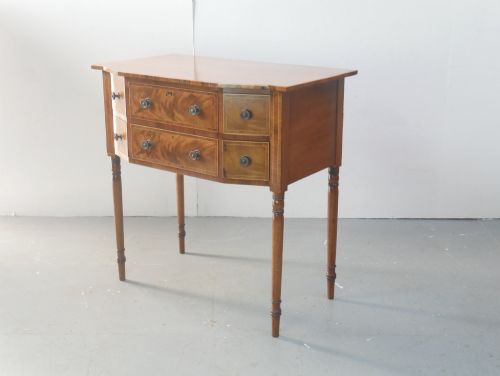
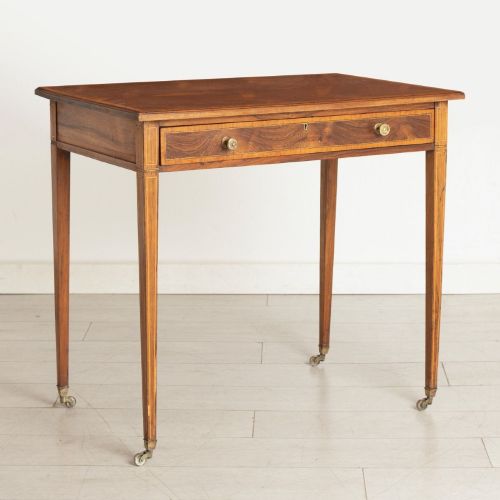
Small inlaid side tables bring surface area and delicate woodwork to compact spaces, spanning Georgian, Victorian and Edwardian periods.
Small Inlaid Side Tables
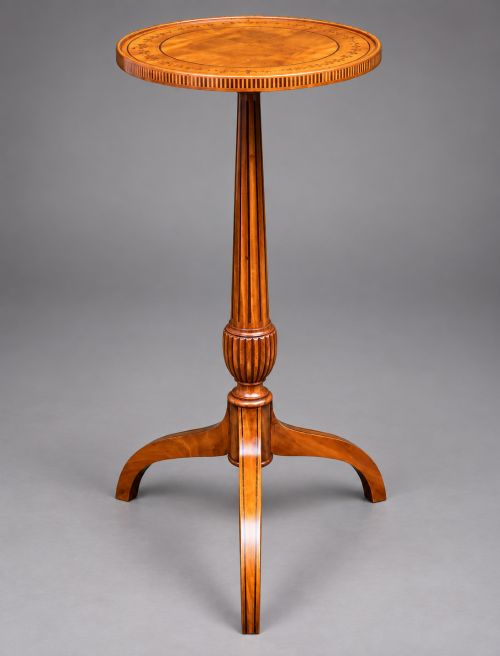
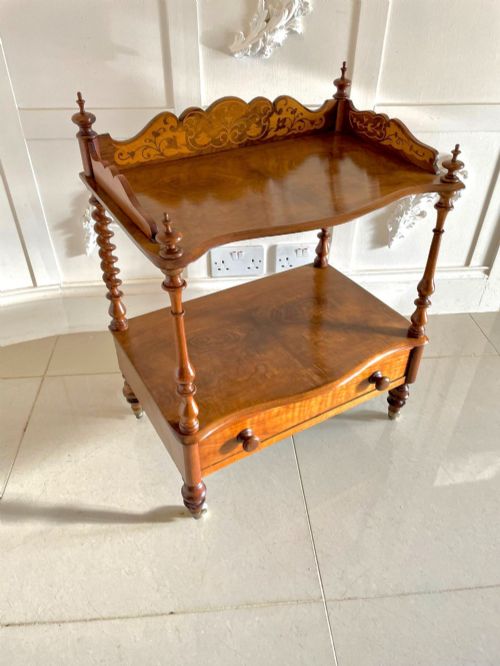
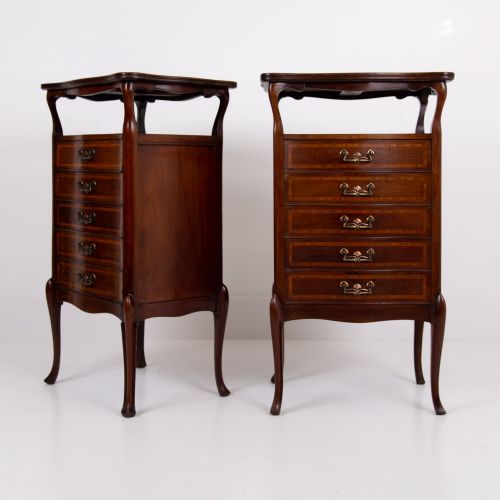
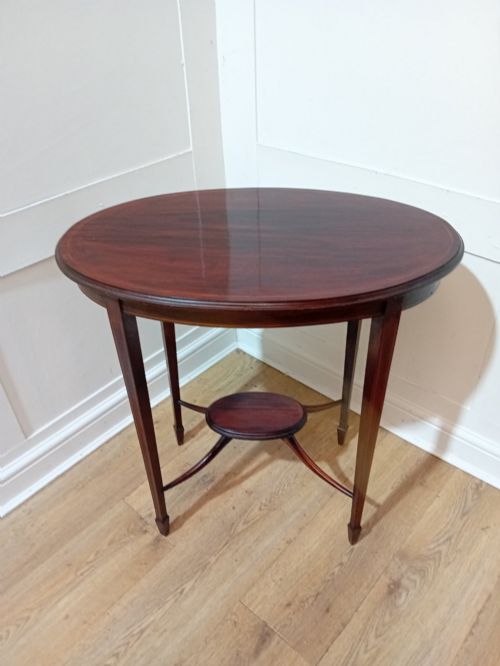
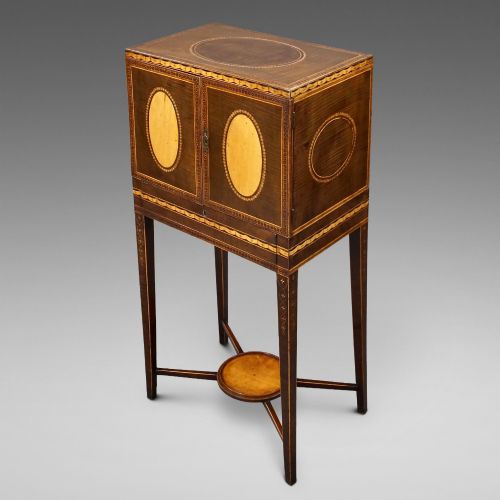
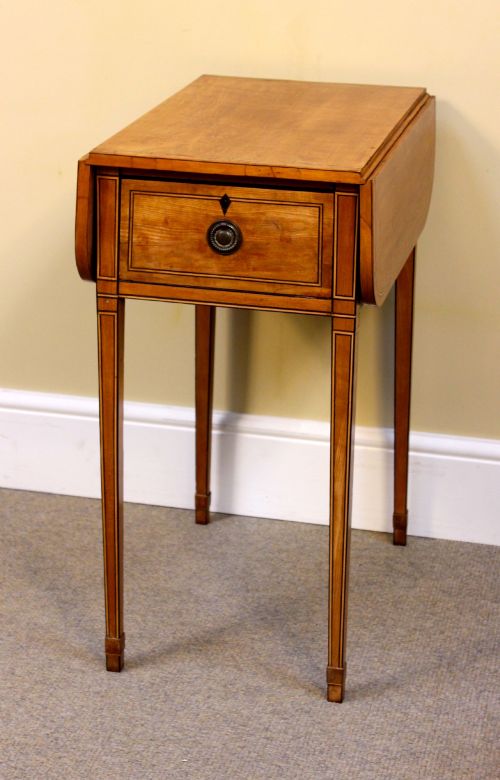
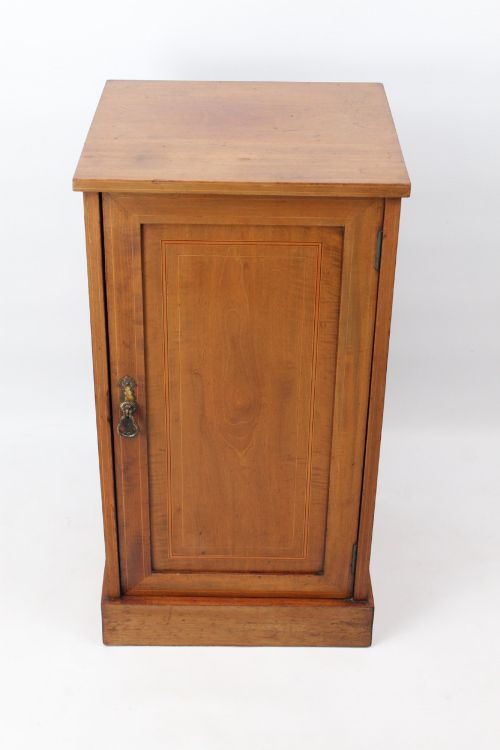
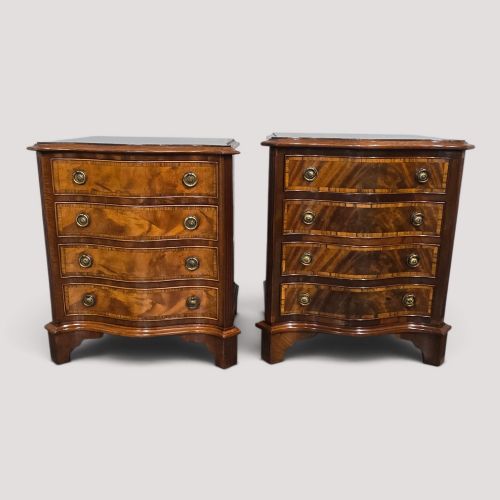
Small inlaid side tables encompass a variety of compact surfaces designed for placement beside seating or against walls. Buyers seeking these pieces encounter forms ranging from occasional and lamp tables to bedside cabinets, wine tables and writing desks. The selection draws heavily from Edwardian and Victorian periods, alongside 18th-century Georgian and Regency examples.
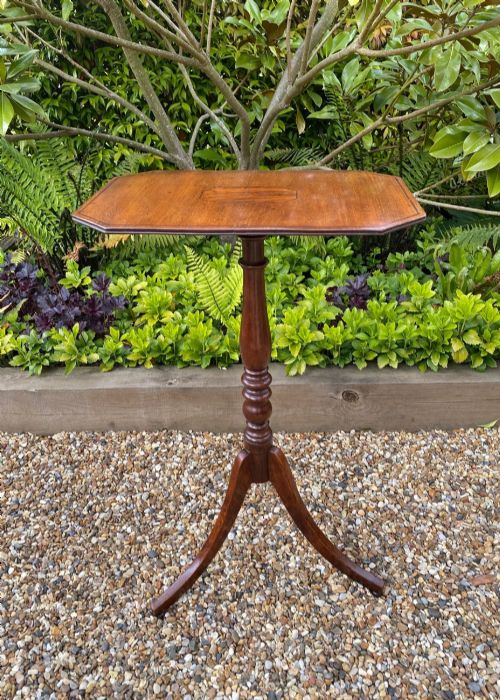
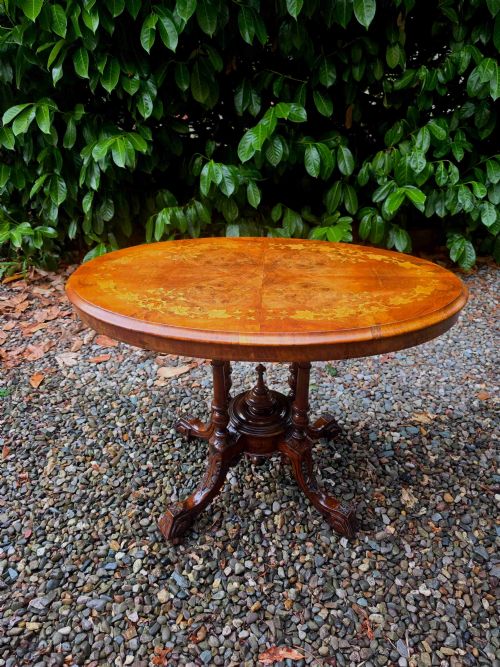
Makers and workshops utilised diverse formats, including oval, circular, octagonal and serpentine tops. Many pieces function as multi-purpose items, doubling as sewing tables, reading desks or revolving bookcases. The scale remains consistently modest, intended to fit restricted domestic layouts without overwhelming a room.
Materials and construction
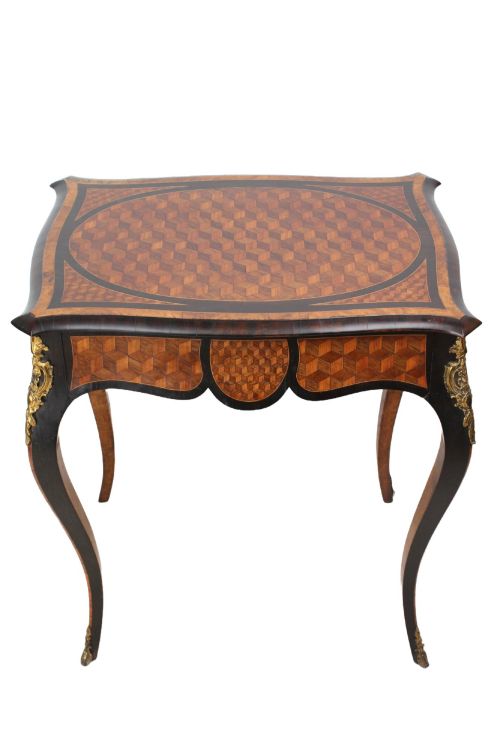
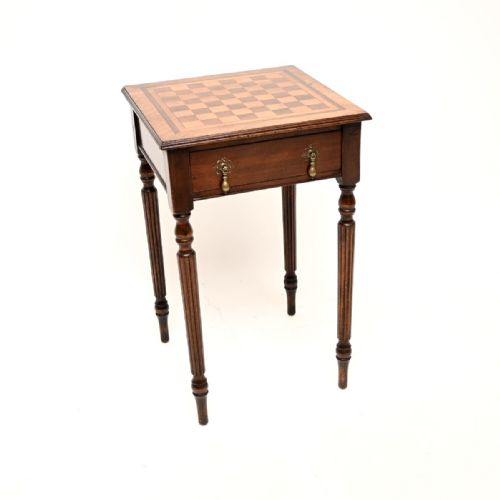
Cabinet makers built these tables using primary timbers such as mahogany, walnut, satinwood, rosewood and harewood. Surfaces received intricate wood inlay, marquetry, parquetry or boxwood stringing, creating contrasting geometric or floral patterns. Finer variations incorporate burr walnut, burr birch or kingwood veneers to produce distinctive grain figures.
Structural hardware often included brass galleries, drop flaps, fitted interiors and drawer compartments. Joinery techniques balanced lightweight portability with stability, particularly in tripod wine tables and Sutherland tables with folding leaves.
Several tables multi-tasked as needlework stations, housing tiny fitted compartments to keep runaway sewing threads under strict control.
Assessing quality
Quality rests upon the precision of the timber selection and the execution of the inlay work. Superior examples display tightly fitted wood varieties with clean, unbroken contrast lines and stable veneer surfaces across circular or serpentine tops.
The refinement of internal fittings, such as lined writing drawers or compartmentalised sewing interiors, separates standard utility furniture from finer commission pieces. Well-executed turned supports, balanced tripod legs and original brass hardware further elevate a piece.
JAS Shoolbred
The Small Inlaid Side Tables Glossary
- Inlay
- The technique of inserting pieces of contrasting timber, shell or metal into a recessed surface to form a decorative pattern. This differs from surface painting by embedding the design directly into the wood.
- Marquetry
- Elaborate wood inlay assembled to form pictorial or floral motifs across a tabletop or cabinet front. Craftsmen pieced together veneers like satinwood and mahogany to achieve tonal depth.
- Parquetry
- Geometric wood inlay arranged in repetitive patterns such as cubes or chequers. It appears frequently on tabletops and writing surfaces from the Victorian era onward.
- Satinwood
- A lustrous, hard timber with a golden sheen utilised extensively in Sheraton and Edwardian furniture. Its reflective surface enhanced delicate stringing and detailed marquetry.
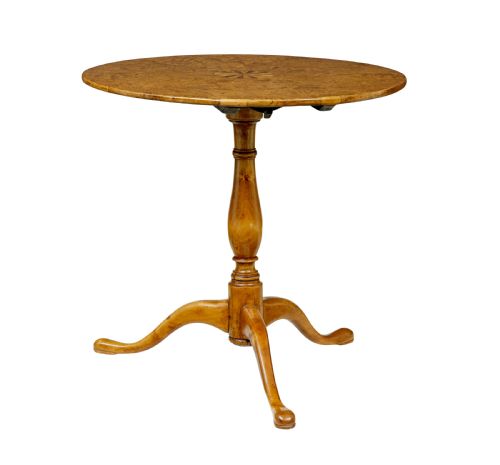
- Tripod table
- A small freestanding table supported by a central pillar and three splayed legs. These agile pieces functioned as candle stands, wine tables or occasional surfaces.
Small Inlaid Side Tables: Frequently Asked Questions
What periods do these small inlaid side tables come from?
The selection spans the 18th, 19th and early 20th centuries, covering Georgian, Regency, Victorian and Edwardian eras. Each period displays distinct proportions and decorative vocabulary.
Georgian and Regency pieces lean towards satinwood and mahogany with restrained marquetry, while Victorian and Edwardian examples often feature richer burr walnut, parquetry and multifuncional designs like writing drawers or drop flaps.
How were these tables used originally?
These pieces served practical roles in drawing rooms, bedrooms and parlours as convenient surfaces for lamps, writing, reading or sewing. Many were easily moved to accommodate shifting social layouts.
Specific variants functioned as wine stands, bedside storage cabinets or compact desks, designed to bring utility into domestic corners without occupying excessive floor space.
How do I distinguish between Victorian and Edwardian pieces?
Victorian examples generally utilise darker primary woods like burr walnut and rosewood, often featuring heavier proportions and intricate revival styling such as Louis XV or Sheraton influences. Inlay work tends to be dense and deep-toned.
Edwardian pieces frequently showcase lighter mahogany or satinwood frames with bright boxwood stringing and delicate, airy proportions suited to more understated interiors.
How should I care for inlaid wood surfaces?
Maintain these tables by keeping them away from direct sunlight and extreme humidity fluctuations, which can cause delicate veneers and boxwood stringing to lift. Dust gently with a dry, soft cloth.
Apply high-quality beeswax sparingly to nourish the timber and preserve the polished finish of the mahogany, satinwood or walnut without sealing the grain permanently.