


Small Hearth Rug
A small hearth rug brings warmth and concentrated pattern to a room, offering tactile comfort before the fireplace through centuries of regional weaving traditions.
Small Hearth Rug
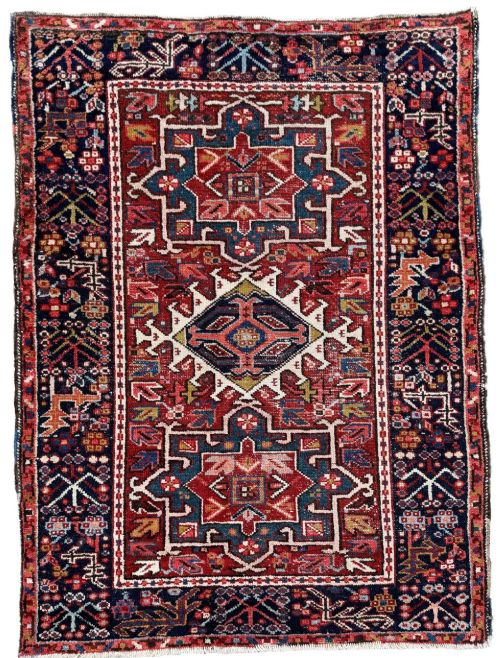
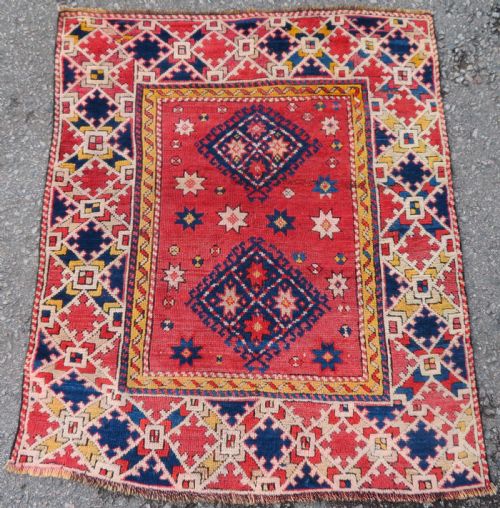
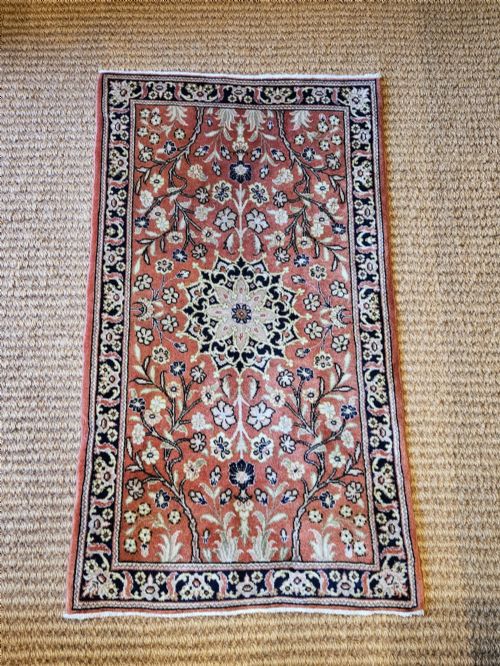
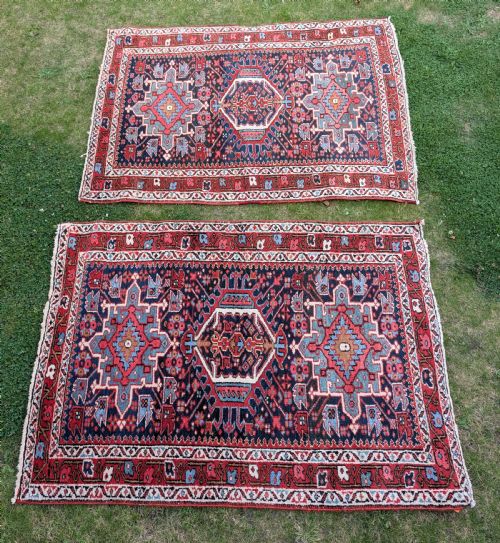
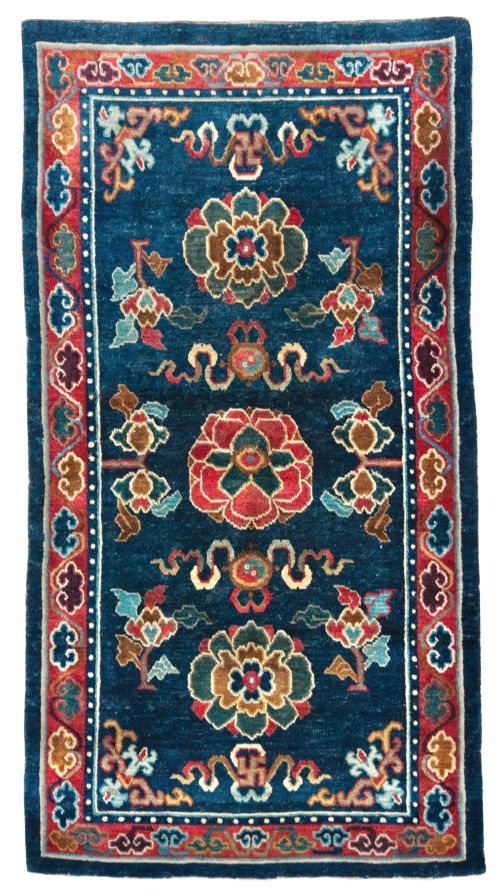
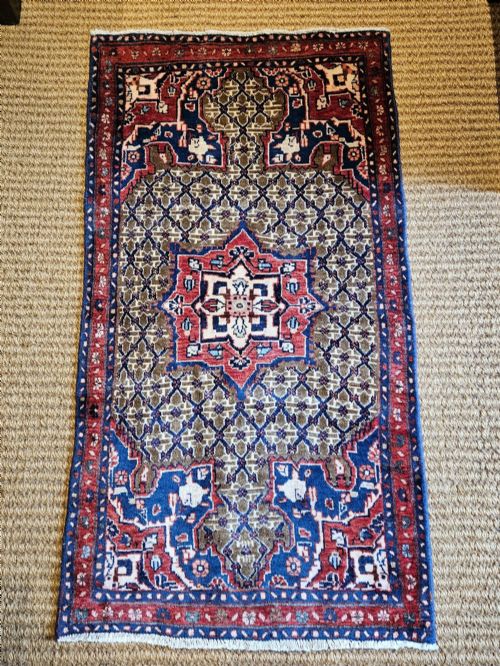
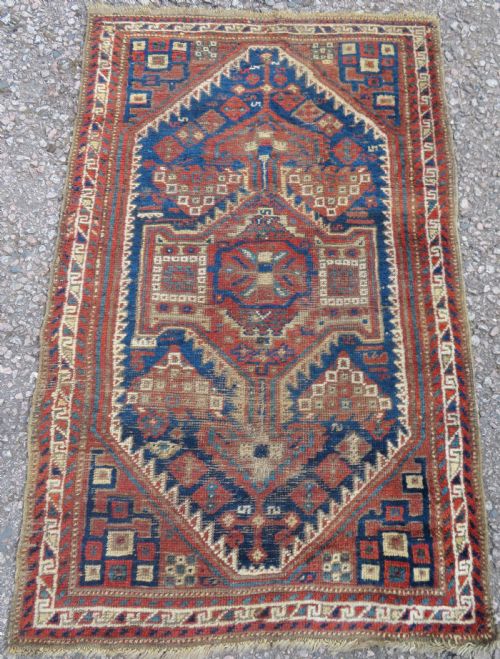
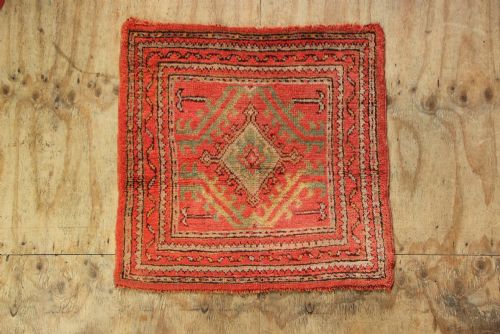
A small hearth rug serves as a compact floor covering traditionally placed before a fireplace, combining utility with decorative village and tribal artistry. When searching for a small hearth rug, buyers encounter diverse regional traditions ranging from Persian and Anatolian formats to Tibetan and Caucasian examples.
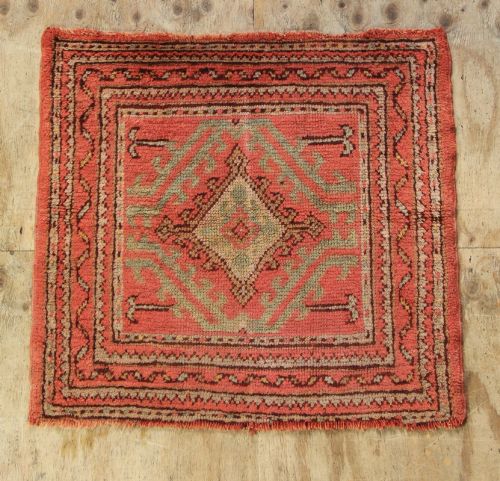
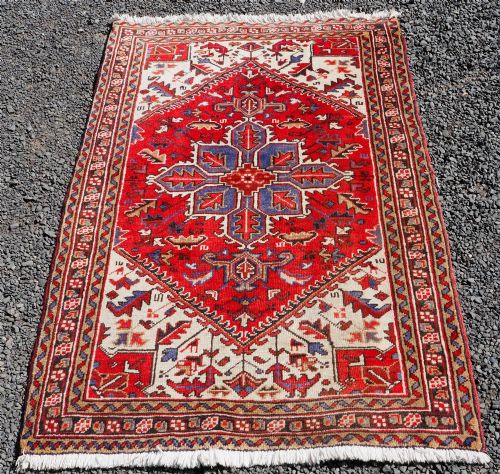
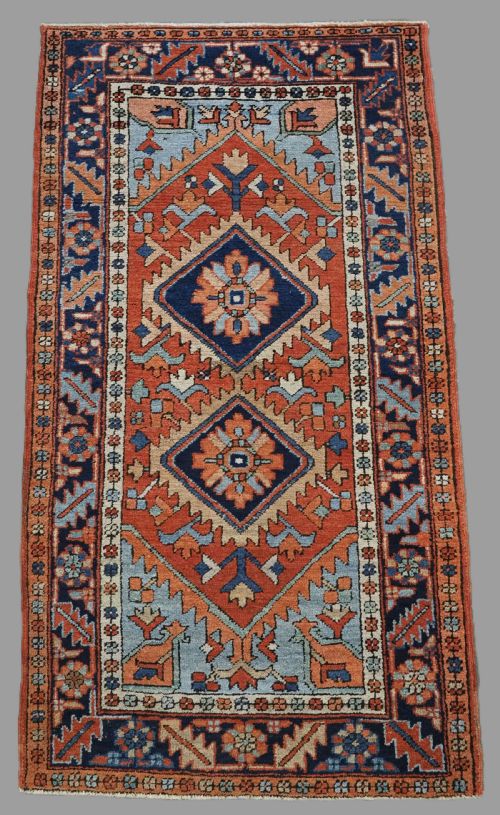
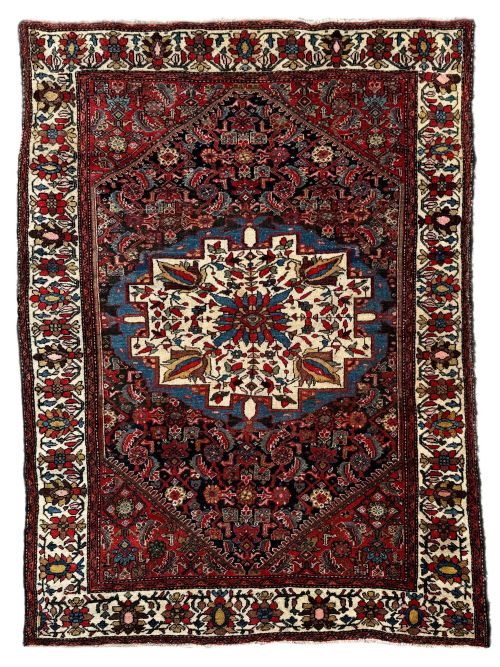
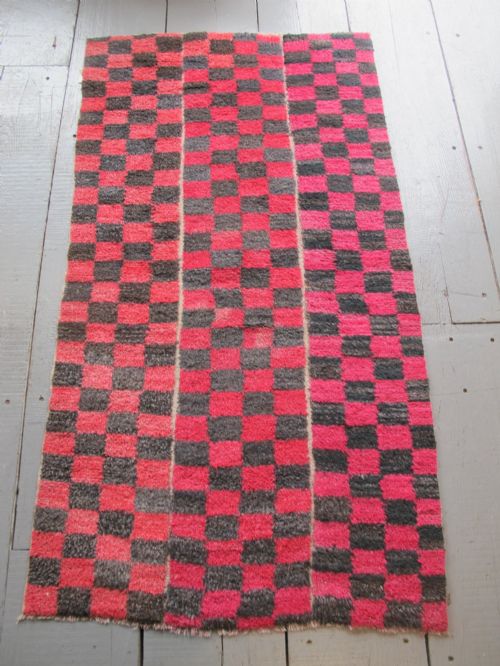
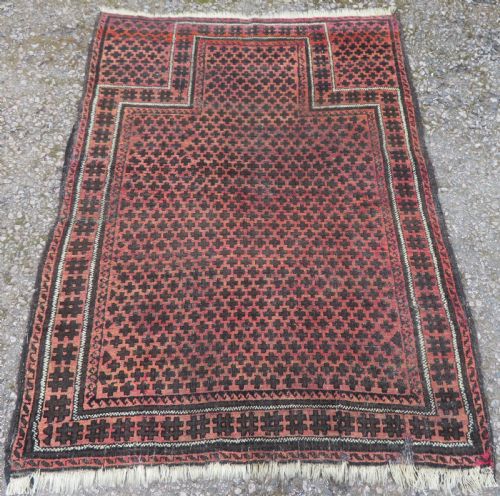
The pieces available span the late nineteenth century into the early decades of the twentieth century, encompassing Edwardian variations and specific village weaves. Formats include square mats, prayer rugs, and compact runners designed to fit restricted floor spaces.
Tribal workshops and village weavers produced these items using traditional looms, resulting in distinct geometric and medallion patterns. These smaller formats allowed weavers to experiment with local palettes and symmetrical designs suited to domestic heating areas.
Distinctions in Quality
Quality rests upon the density of the knotting and the integrity of the wool, where softer, hand-spun materials and tighter foundations create greater durability. Superior examples exhibit balance in their compositional geometry and depth in their natural colour saturation.
The precision of regional motifs, such as central medallions or prayer arches, distinguishes master village weavers from more utilitarian output. Preservation of the original borders and pile height further separates exceptional survivals from heavily worn examples.
Some small meditation rugs tucked away in mountain monasteries were woven just large enough for a single pair of crossed ankles.
The Small Hearth Rug Glossary
- Medallion
- A central ornamental motif, often circular, oval, or polygonal, placed in the middle of the rug field. This design element draws the eye and anchors the surrounding geometric patterns.
- Warp
- The vertical threads stretched lengthwise on the loom before weaving begins. The pile knots are tied around these foundational threads, which often emerge as visible fringes at the ends.
- Weft
- The horizontal strands passed alternately over and under the warp threads after each row of knots. This process packs the knots tightly together and secures the structural integrity of the textile.
- Prayer rug
- A small format featuring a mihrab or arch design at one end, traditionally oriented toward Mecca during daily prayers. These pieces often serve as compact decorative wall or floor accents.
- Pile
- The upright cut ends of the wool or yarn knots that form the soft surface of the rug. Pile depth and softness vary considerably between heavy tribal weaves and finer town pieces.
Small Hearth Rug: Frequently Asked Questions
Where should I place a small hearth rug?
These compact rugs suit areas with limited floor space, traditionally resting directly in front of a fireplace hearth to protect flooring and provide underfoot warmth. They also function effectively as bedside mats, landing accents, or small focal points in narrow hallways.
Because of their modest dimensions, they anchor furniture groupings or sit comfortably beneath low tables without overwhelming a room's proportions.
How do I identify a tribal rug from a town rug?
Tribal rugs typically feature geometric motifs, asymmetrical quirks, and bold, spontaneous colour choices reflecting nomadic or village traditions. Town rugs tend to display more refined curves, balanced medallions, and tightly controlled botanical patterns.
Examination of the weave density and the regularity of the borders often reveals whether the textile originated in a settled workshop or a regional tribal community.
How do I care for an antique wool rug?
Regular gentle vacuuming without a beater bar removes surface dust and prevents grit from settling into the wool pile. Professional cleaning tailored to antique textiles ensures that natural dyes and delicate foundations remain undamaged.
Rotating the rug periodically ensures even exposure to light and distributes foot traffic evenly across the surface.